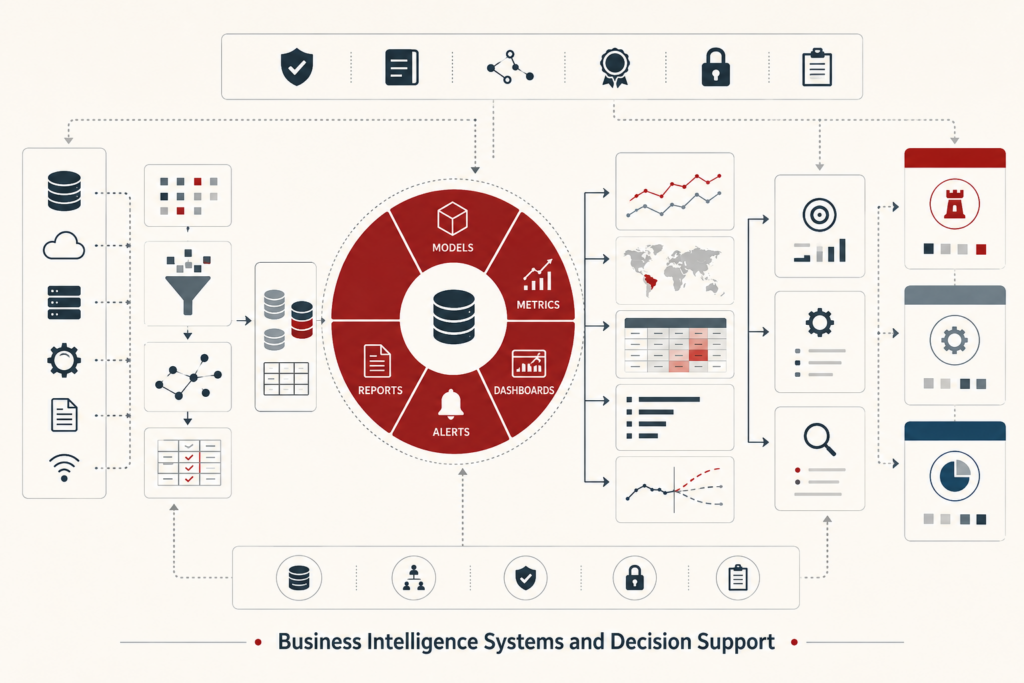
Business Intelligence Systems and Decision Support
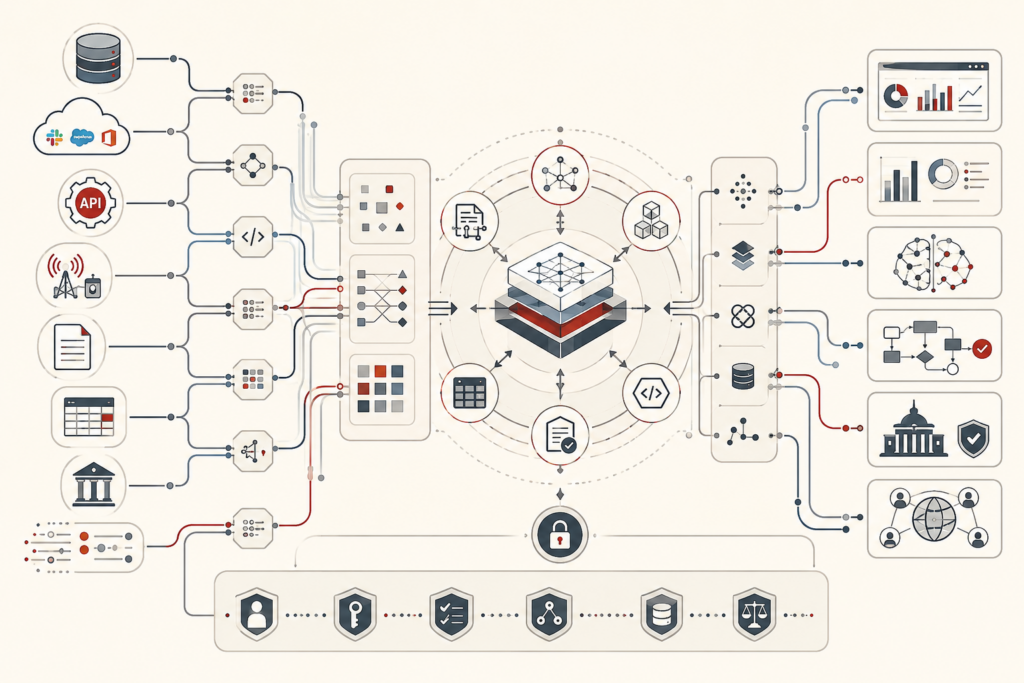
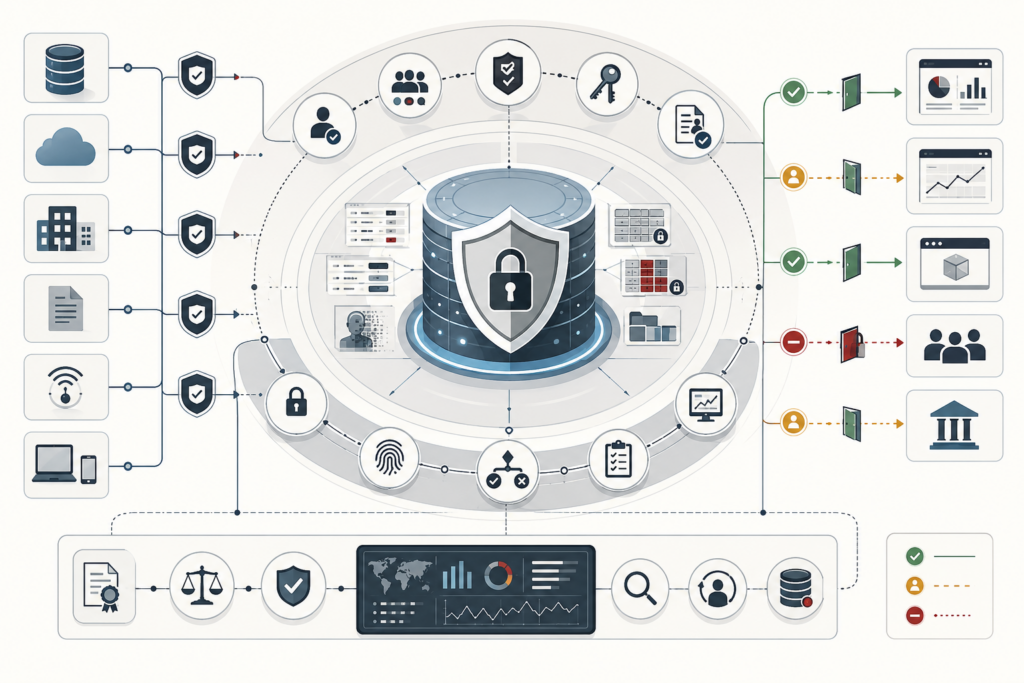
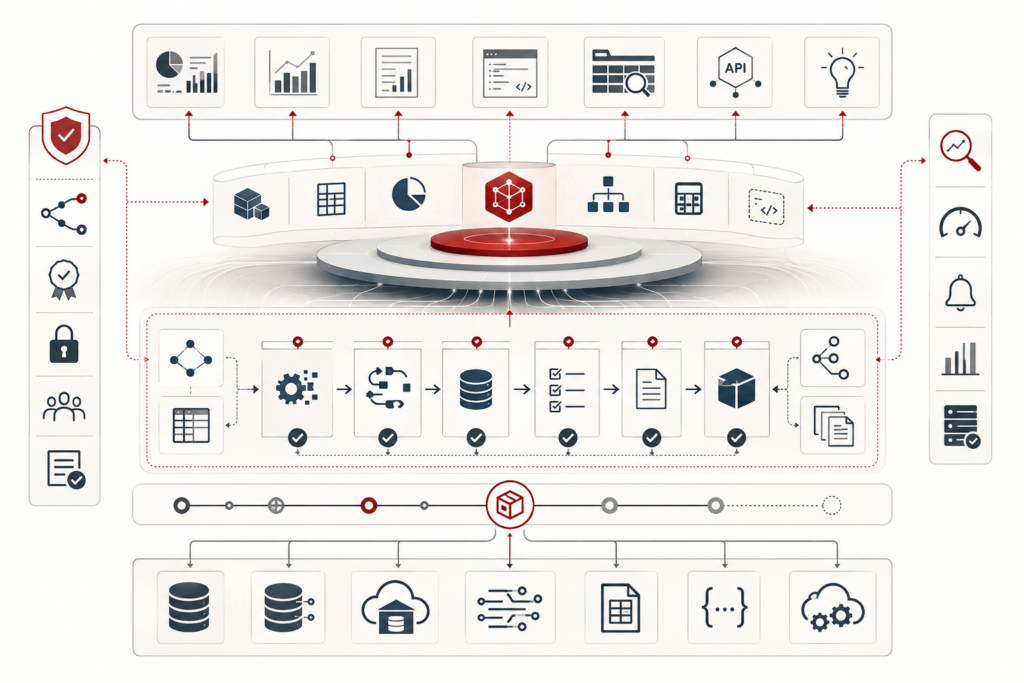
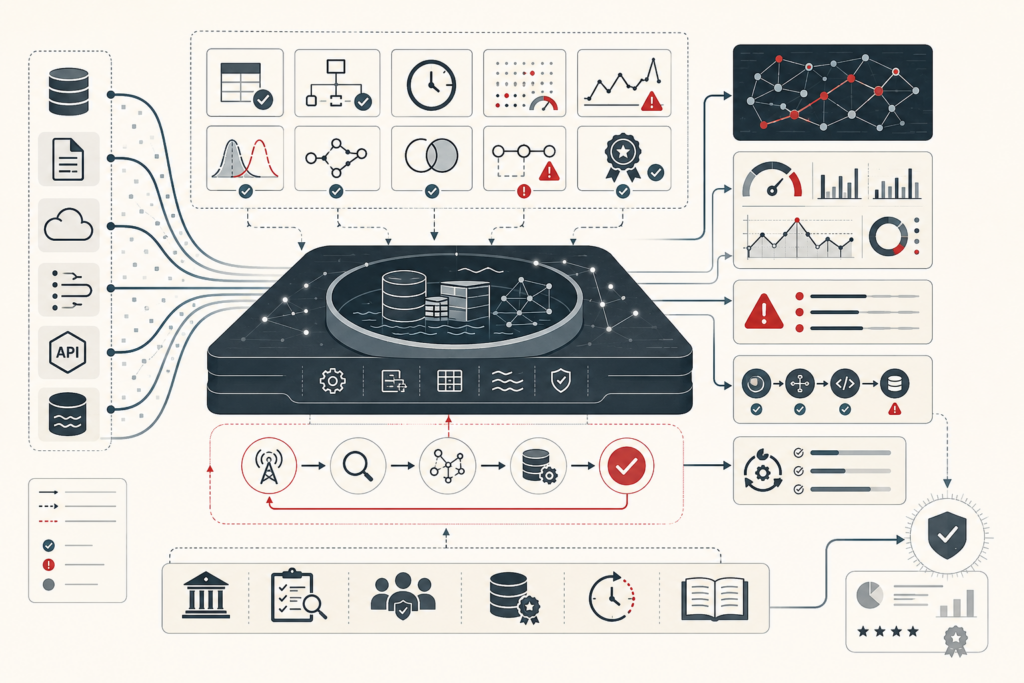
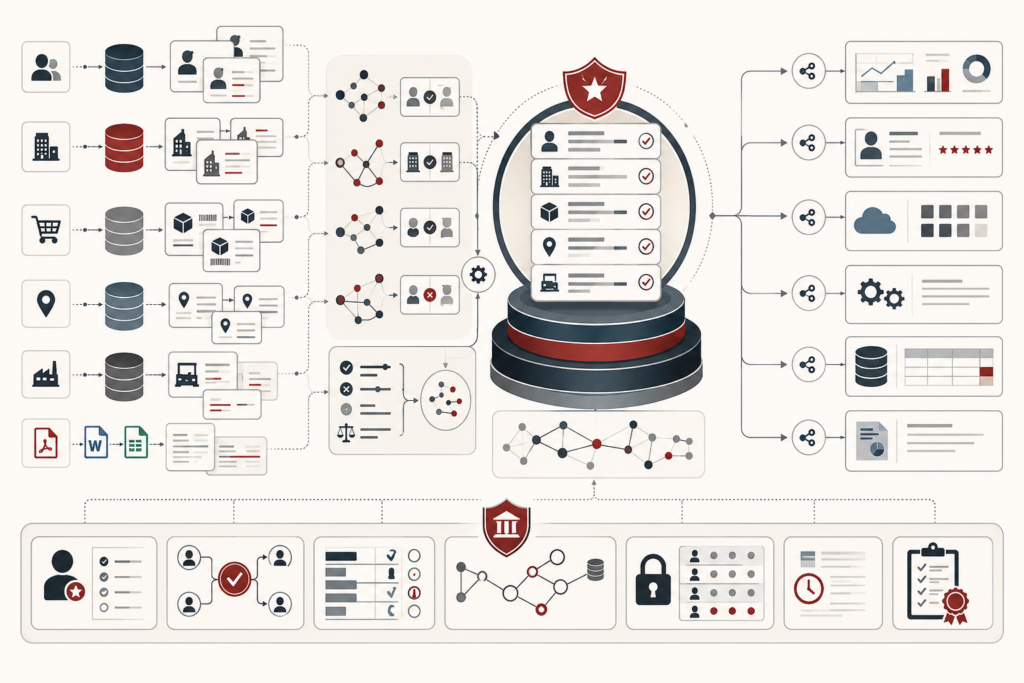
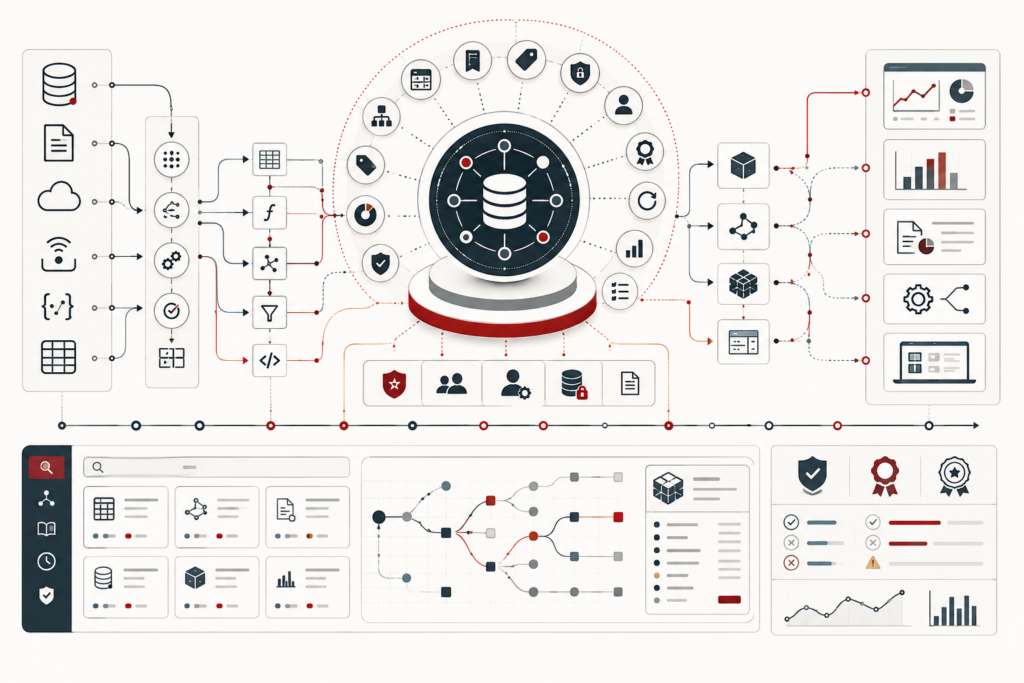
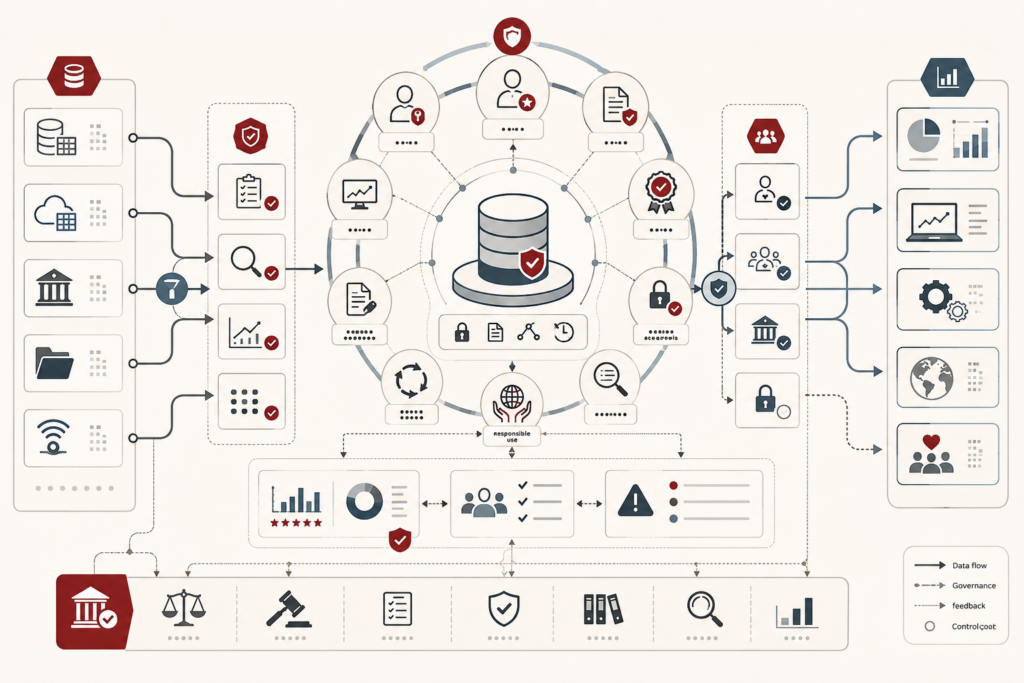
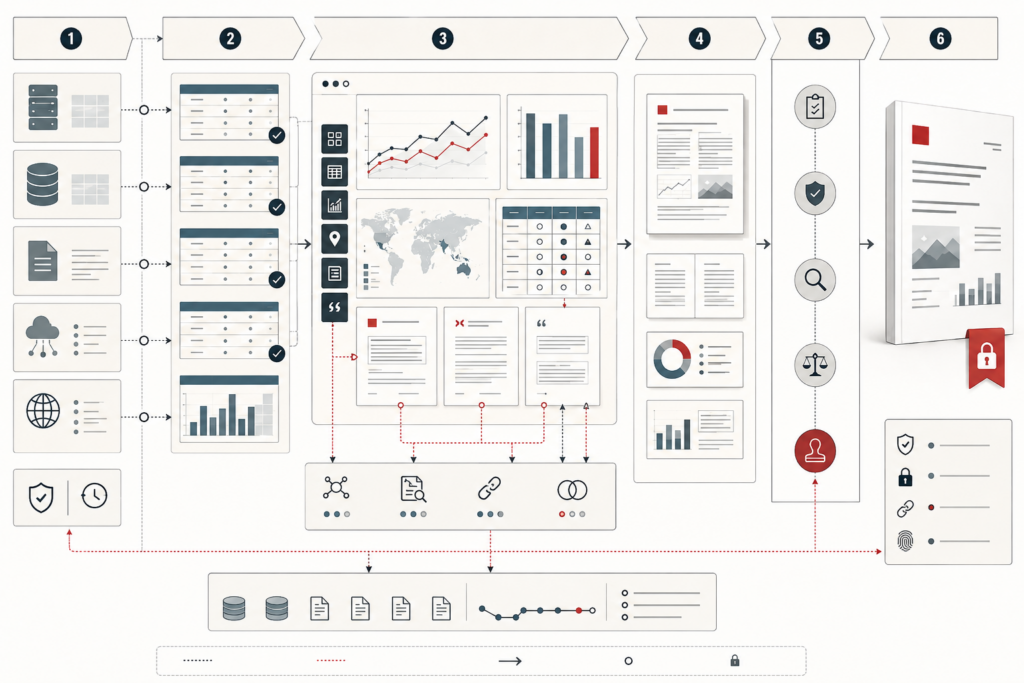
Business intelligence systems and decision support turn data into disciplined organizational judgment. Rather than treating BI as a dashboard or reporting layer, this article frames it as decision infrastructure: a socio-technical system that connects data pipelines, semantic definitions, quality controls, visualization, alerts, thresholds, governance, and human interpretation. It explains how high-trust BI depends on reliable architecture, certified metrics, role-aware interfaces, freshness indicators, uncertainty visibility, and traceable decision pathways. The article also introduces a mathematical lens for evaluating decision-support value, metric trust, and actionability, supported by Python and R workflows for dashboard scoring, alert response, metric quality, and decision-review traceability. Its central argument is that BI succeeds when it helps organizations see clearly, interpret responsibly, act accountably, and learn over time.