Liberation Theology: Faith, Justice, and the Preferential Option for the Poor
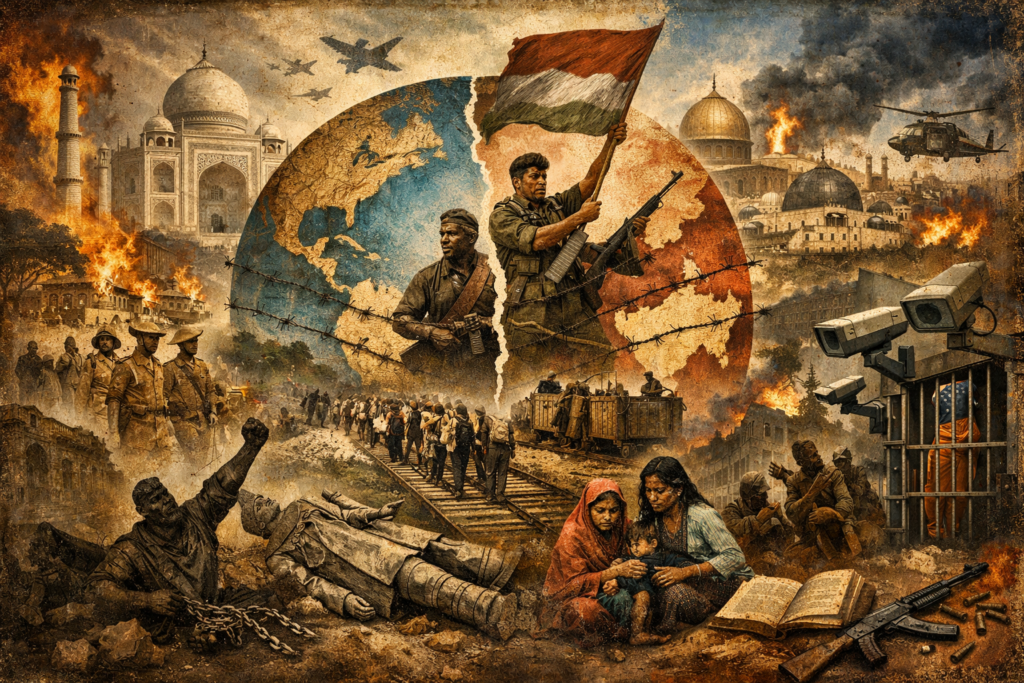
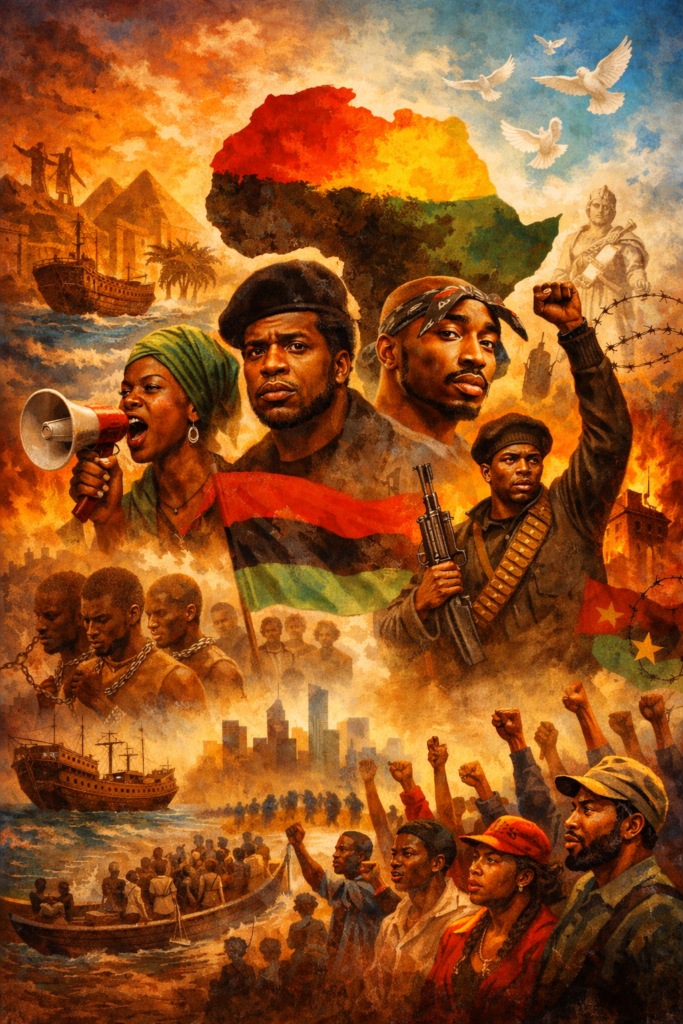
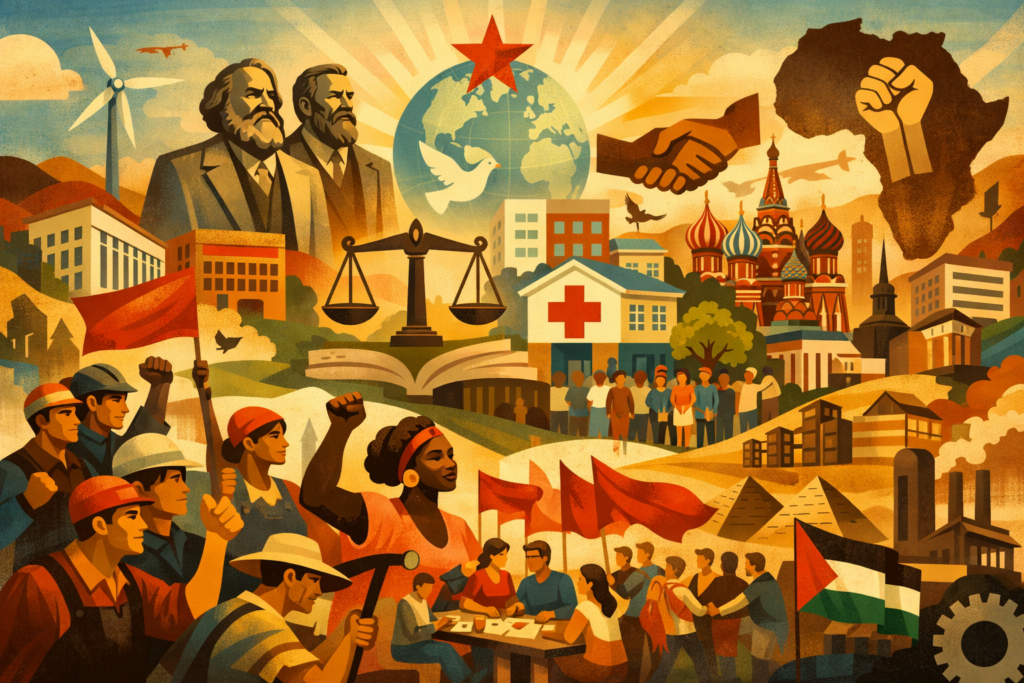
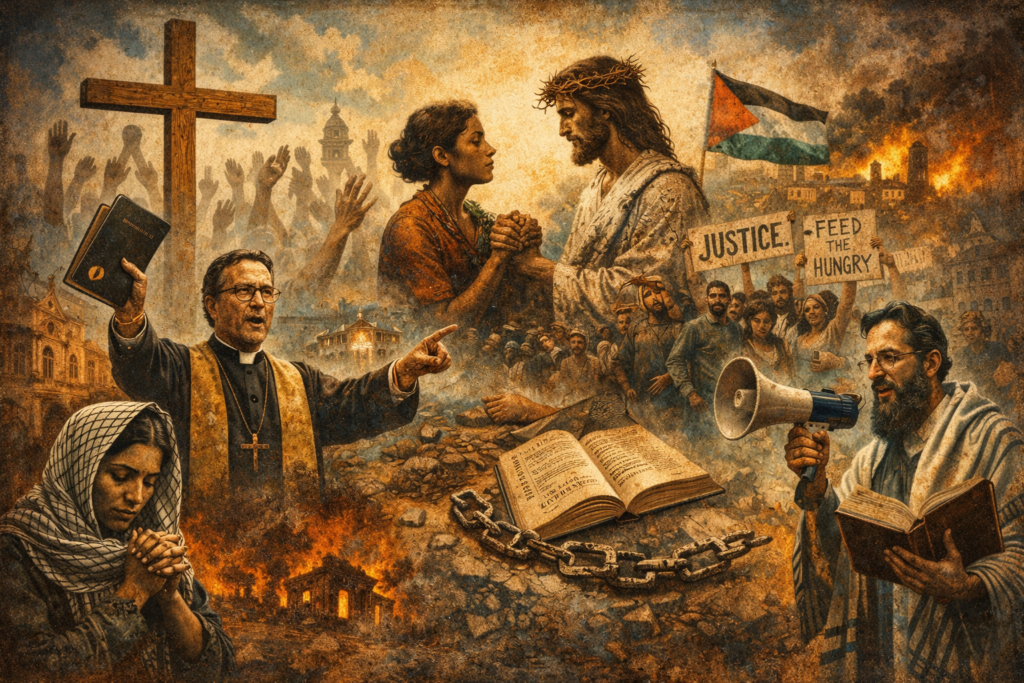
Liberation theology is one of the most important and contested developments in modern religious thought. It is not a single doctrine but a broad and internally diverse family of theological approaches that read faith through the realities of poverty, oppression, exclusion, violence, and structural injustice. At its core lies a defining theological and political question: what does it mean to speak of God, salvation, church, discipleship, and moral responsibility in a world marked by exploitation, empire, racial domination, occupation, and the suffering of the poor? This content pillar explores liberation theology from its Latin American Catholic origins through Black, womanist, feminist, mujerista, Palestinian, Dalit, Indigenous, Jewish, Muslim, and interfaith liberationist traditions, showing how faith becomes a site of struggle over justice, anti-imperial resistance, social sin, and solidarity with the oppressed.