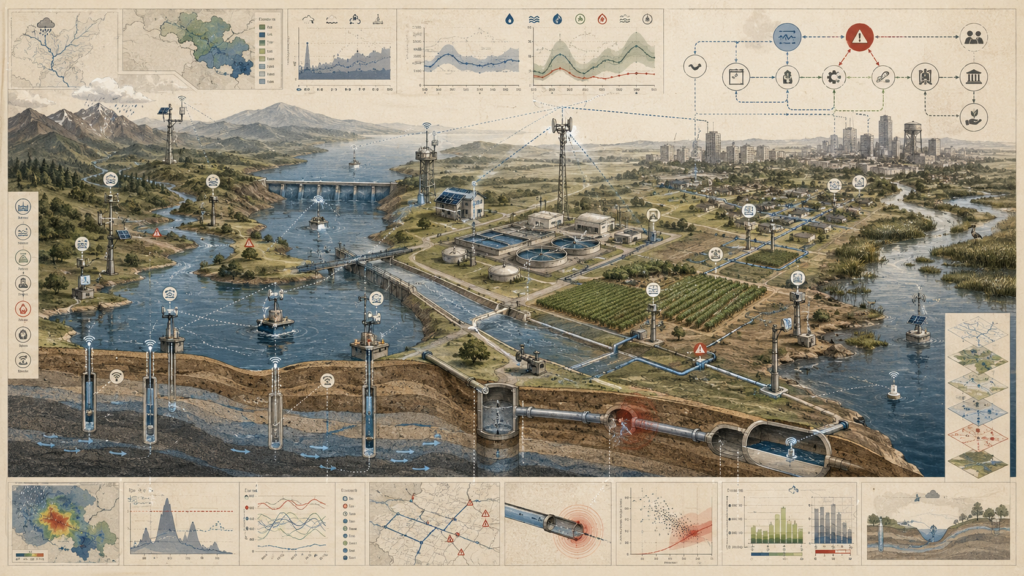
Smart Water Systems and Environmental Sensing: Monitoring, Telemetry, and Adaptive Water Intelligence
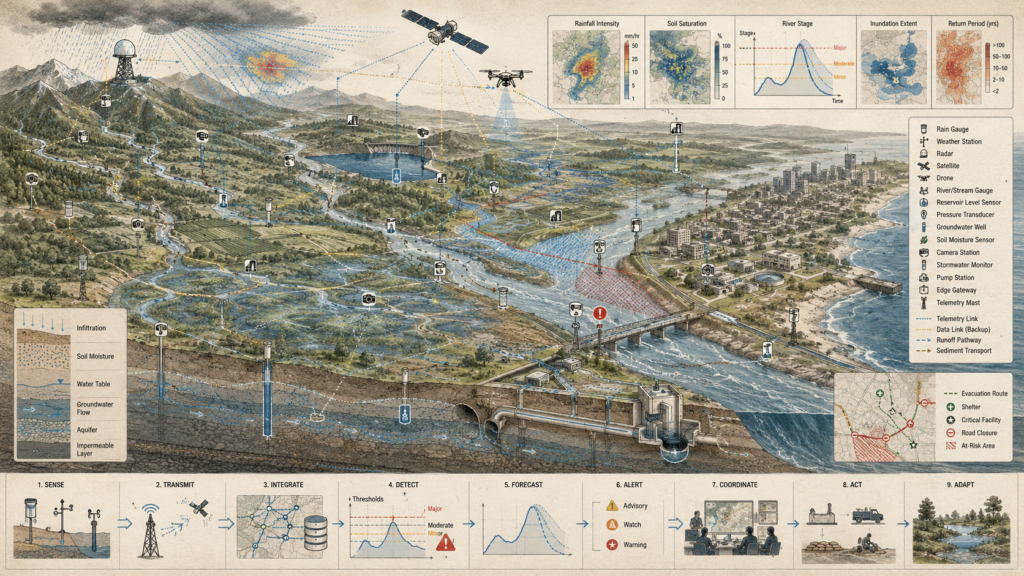
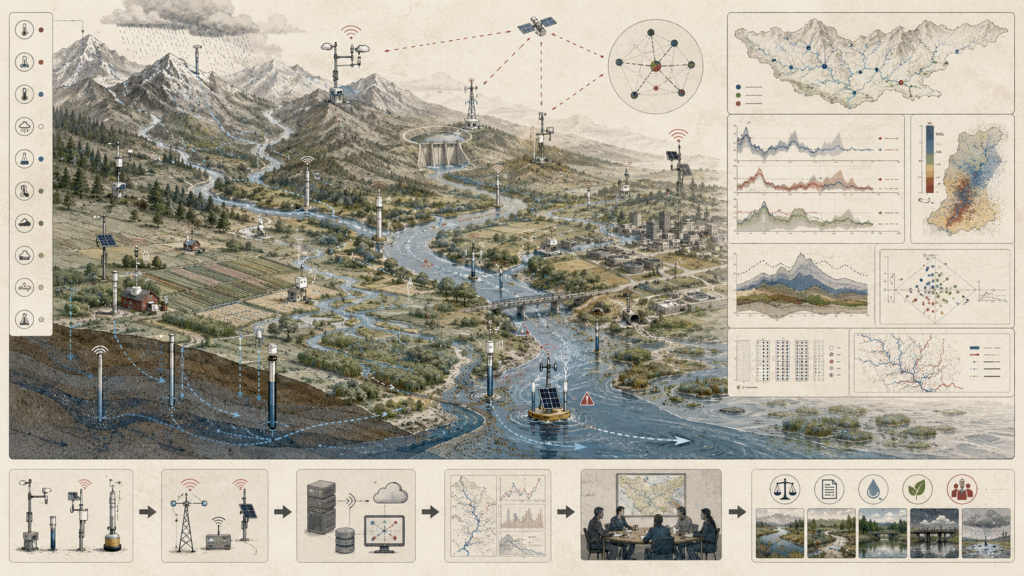
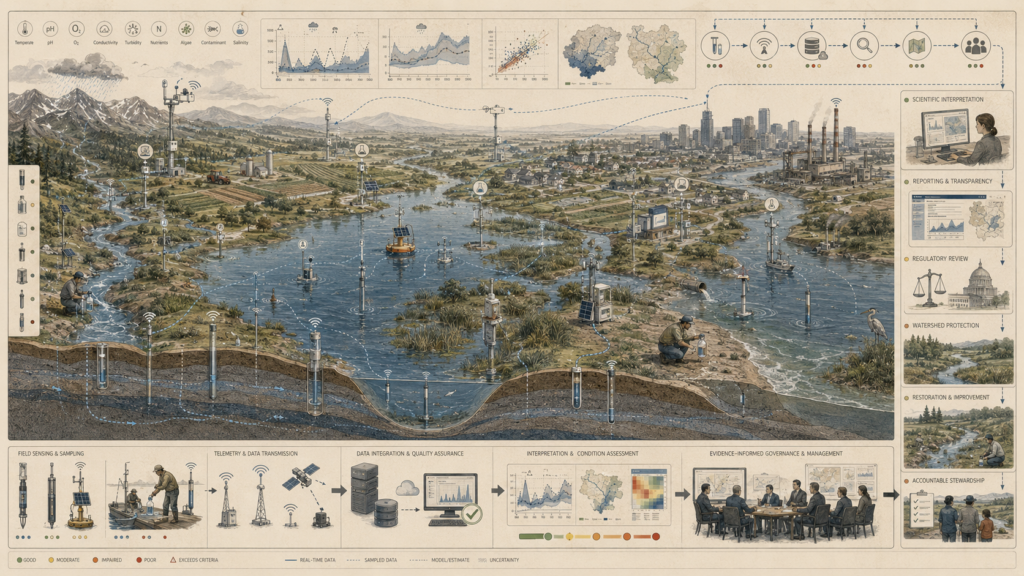
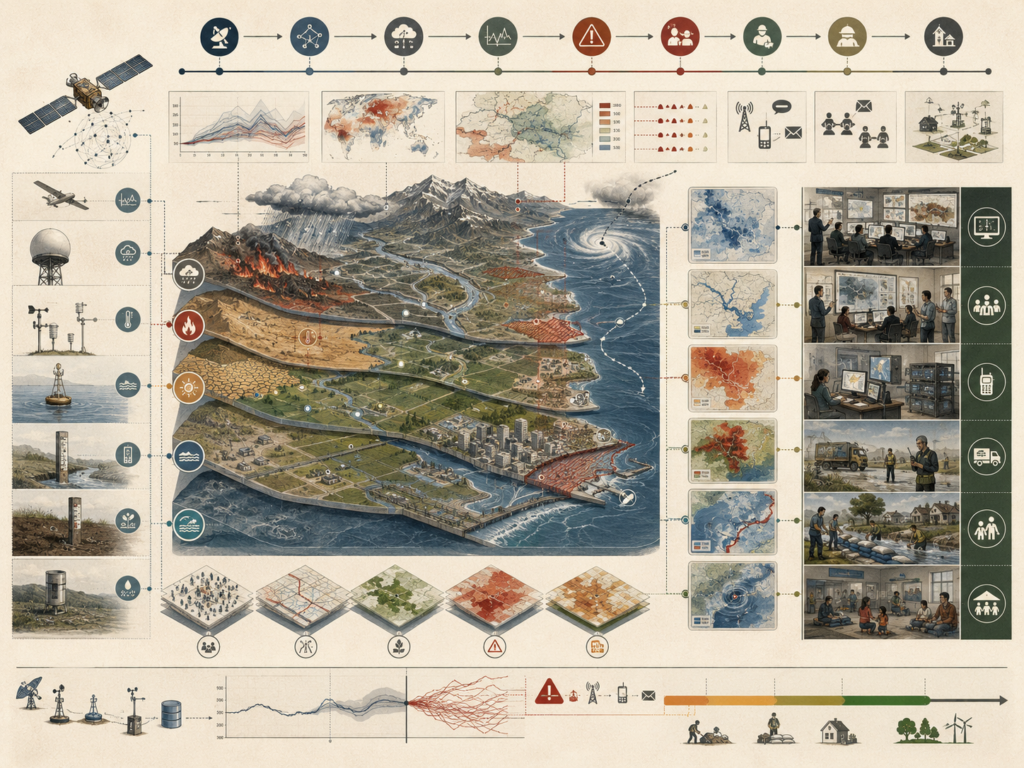
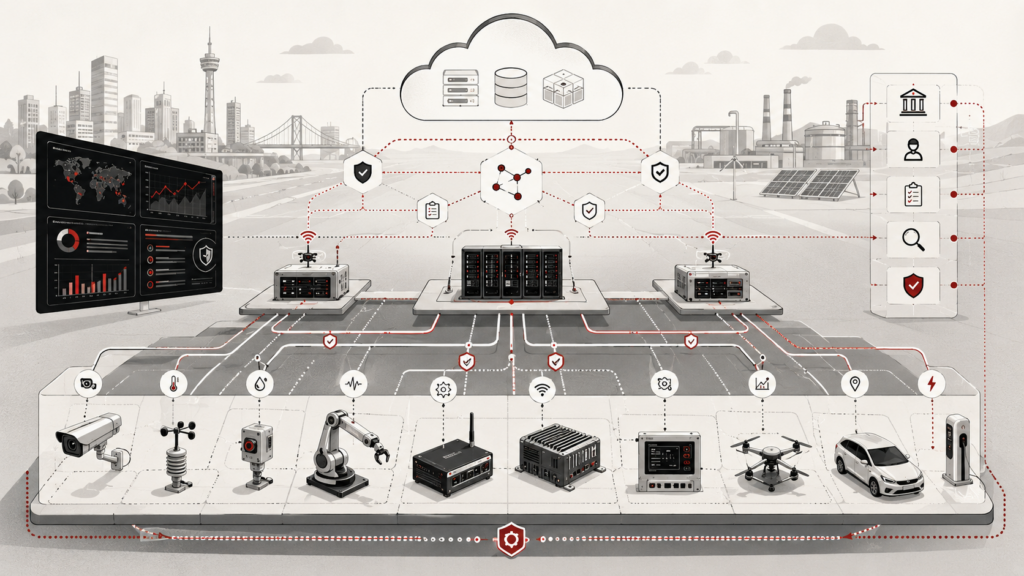
Smart water systems transform water monitoring into adaptive intelligence across rivers, reservoirs, groundwater, wetlands, treatment facilities, irrigation networks, and urban infrastructure. Sensors, telemetry nodes, water-quality probes, level gauges, flow meters, pipeline monitors, and treatment controls help make water conditions visible across both ecological and engineered systems. This article examines how smart water architectures connect hydrologic observation, infrastructure oversight, analytics, alerts, and decision support to detect contamination, manage scarcity, monitor treatment performance, reduce losses, and respond to flood or drought risk. Water intelligence is not only about automation; it depends on data quality, interoperability, institutional coordination, and ecological awareness. By linking monitoring, telemetry, anomaly detection, governance review, and adaptive management, smart water systems support more resilient, accountable, and environmentally informed water stewardship.