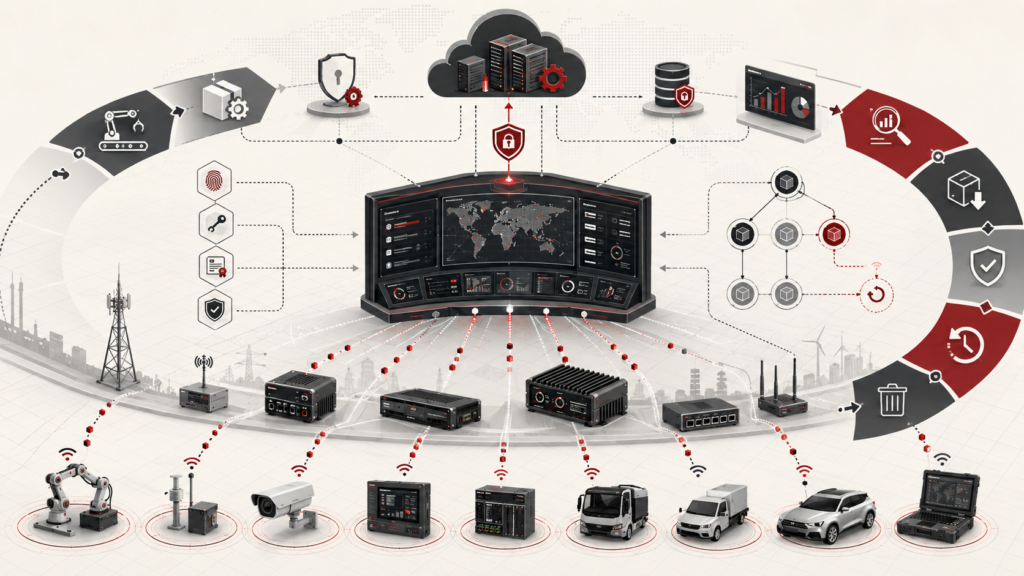
Device Lifecycle Management and Over-the-Air Updating
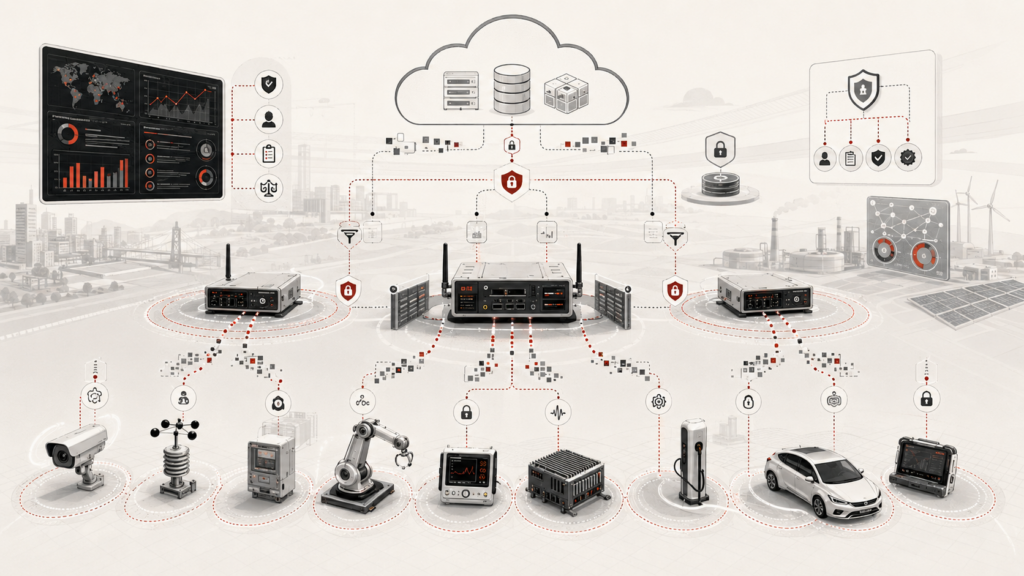
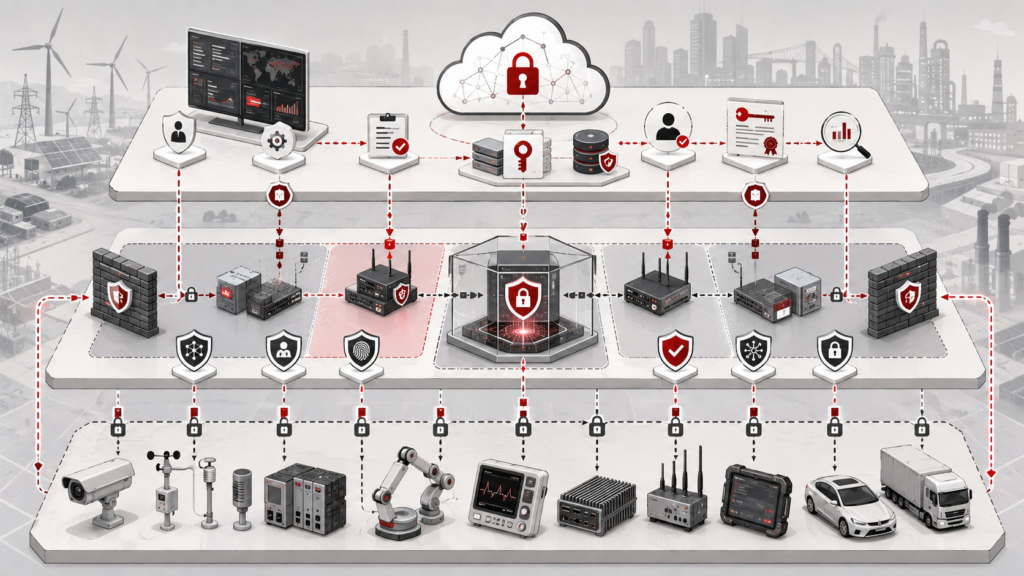
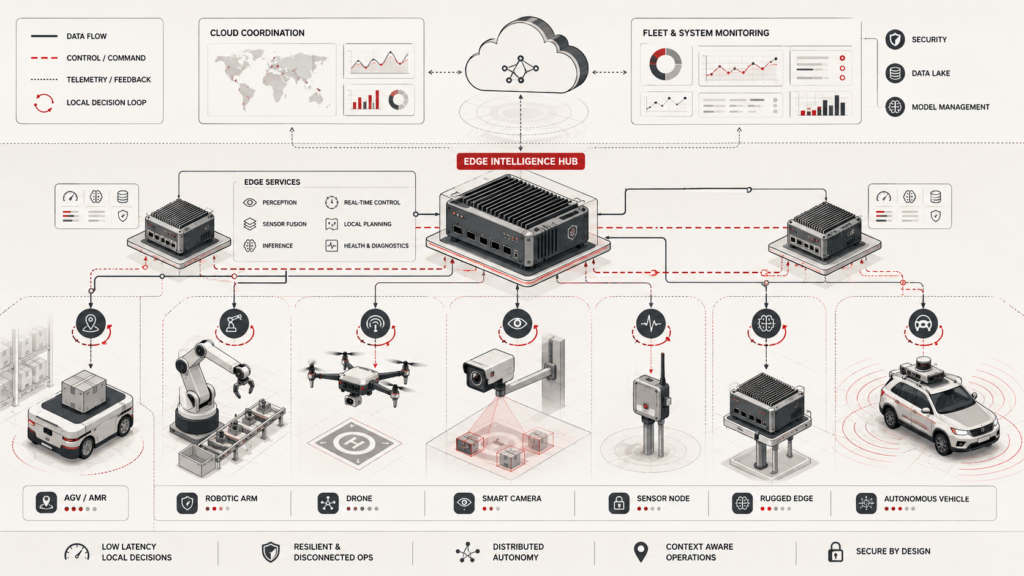
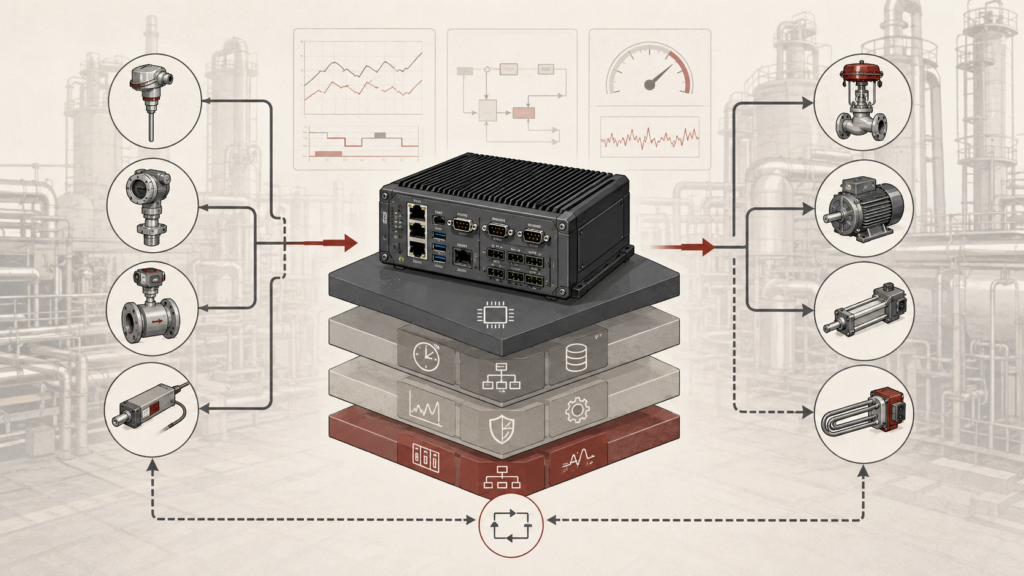
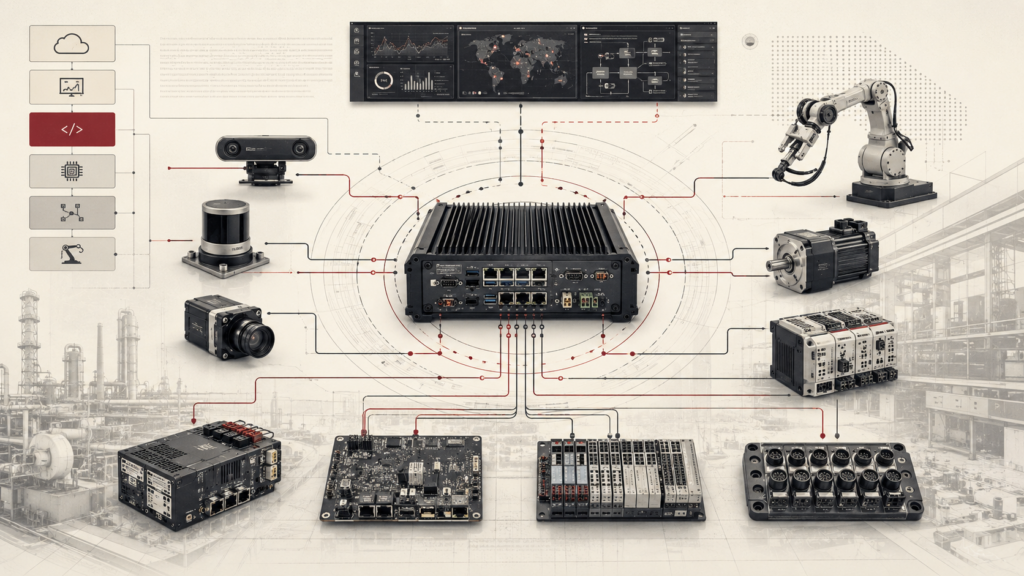
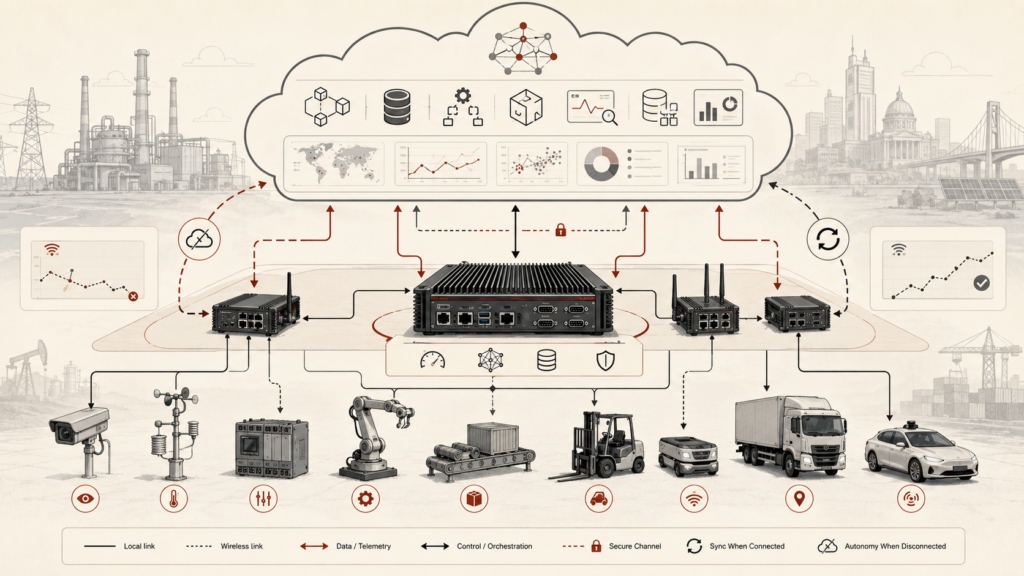
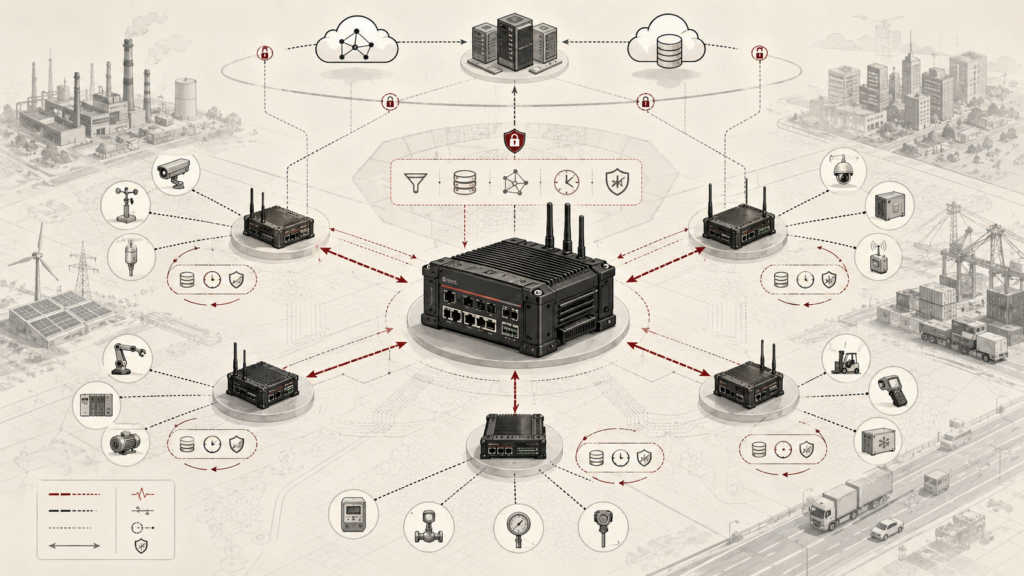
Device lifecycle management and over-the-air updating determine whether embedded and edge devices remain trustworthy after deployment. Devices do not stay static: they acquire identities, credentials, configurations, software dependencies, policy bindings, update histories, and support obligations across long operational lives. OTA updating is therefore more than remote software delivery. It is a governed process of targeting, compatibility checking, validation, rollout, rollback, recovery, monitoring, and retirement. Strong lifecycle architecture ensures that devices can be provisioned securely, grouped accurately, updated safely, verified continuously, recovered after failure, and decommissioned before unsupported components become systemic risks. In edge infrastructure, lifecycle management is one of the central disciplines that keeps distributed physical-digital systems patchable, observable, recoverable, and accountable.