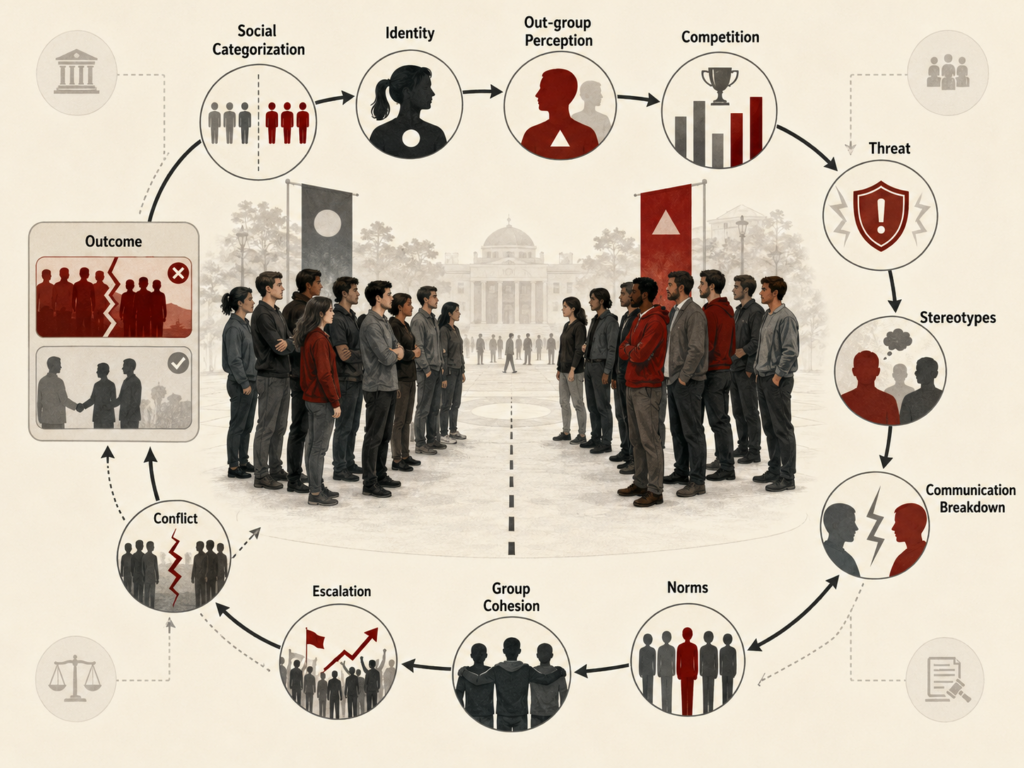
Intergroup Conflict in Social Psychology: Competition, Identity, and Group Dynamics
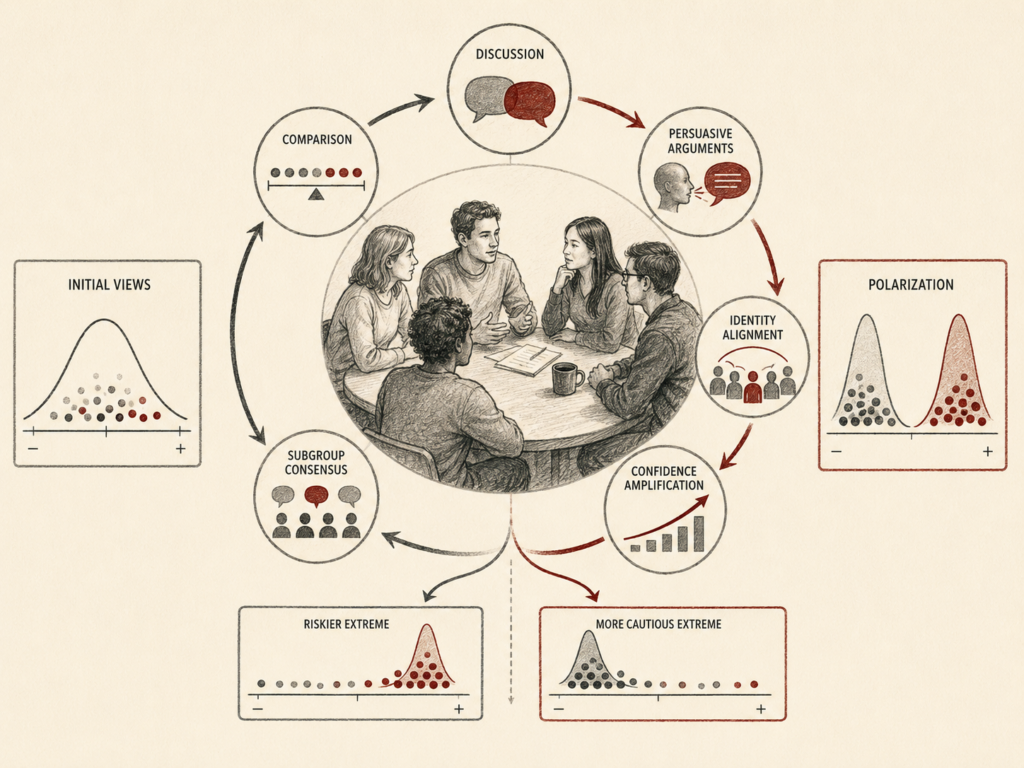
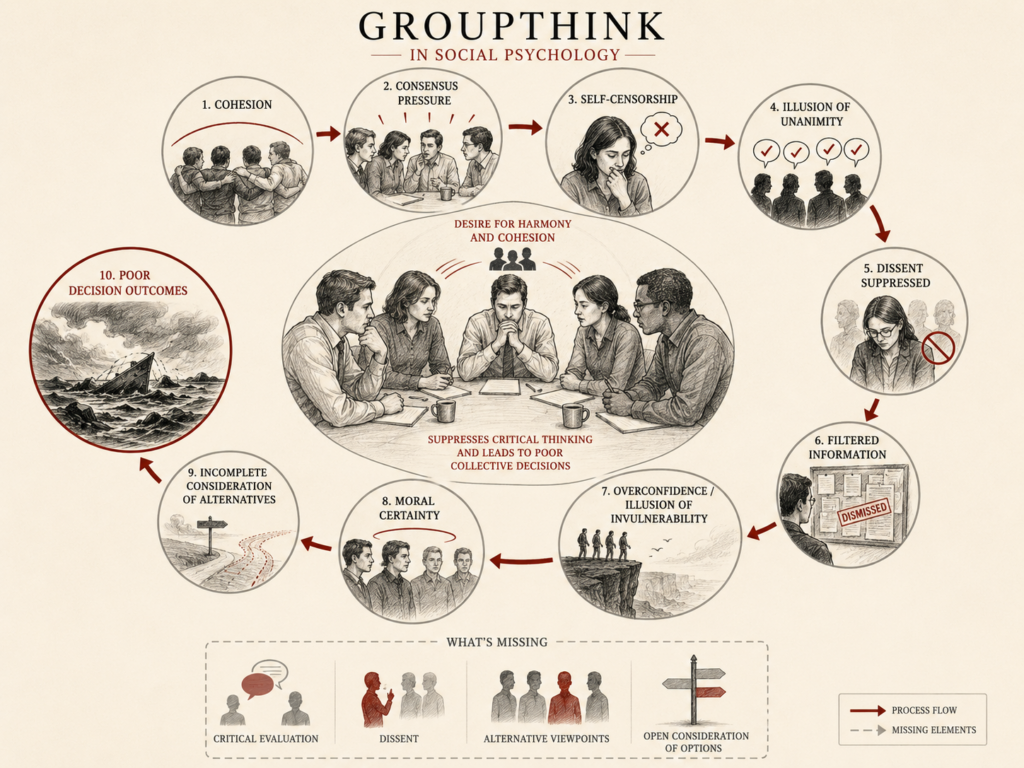
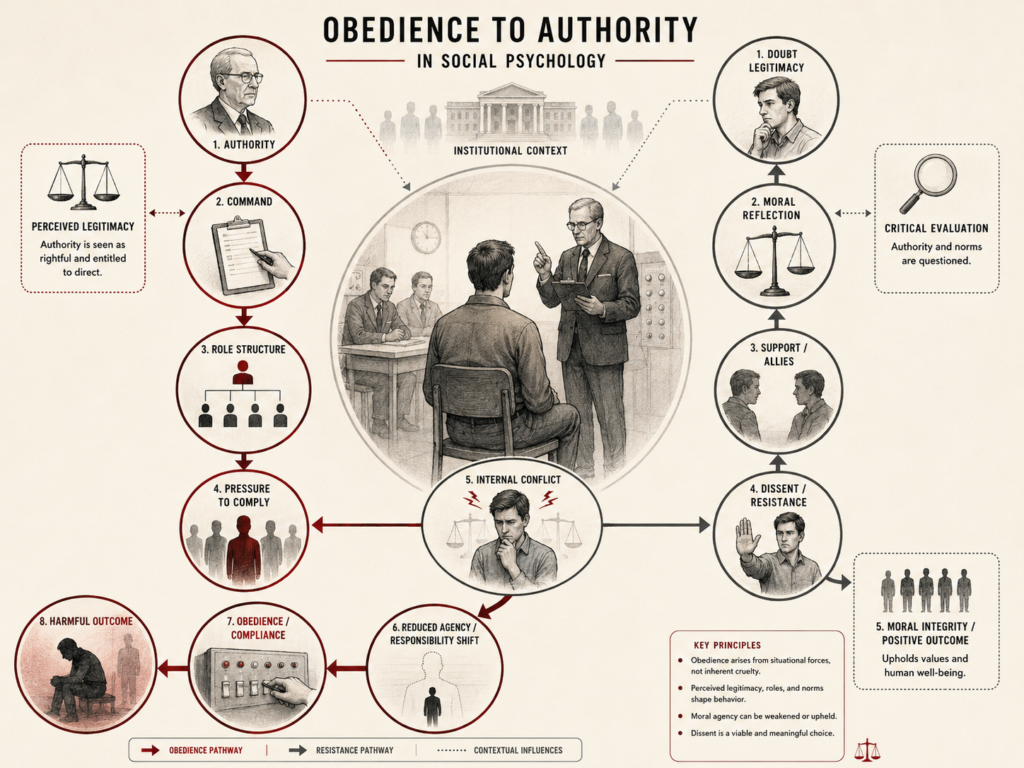
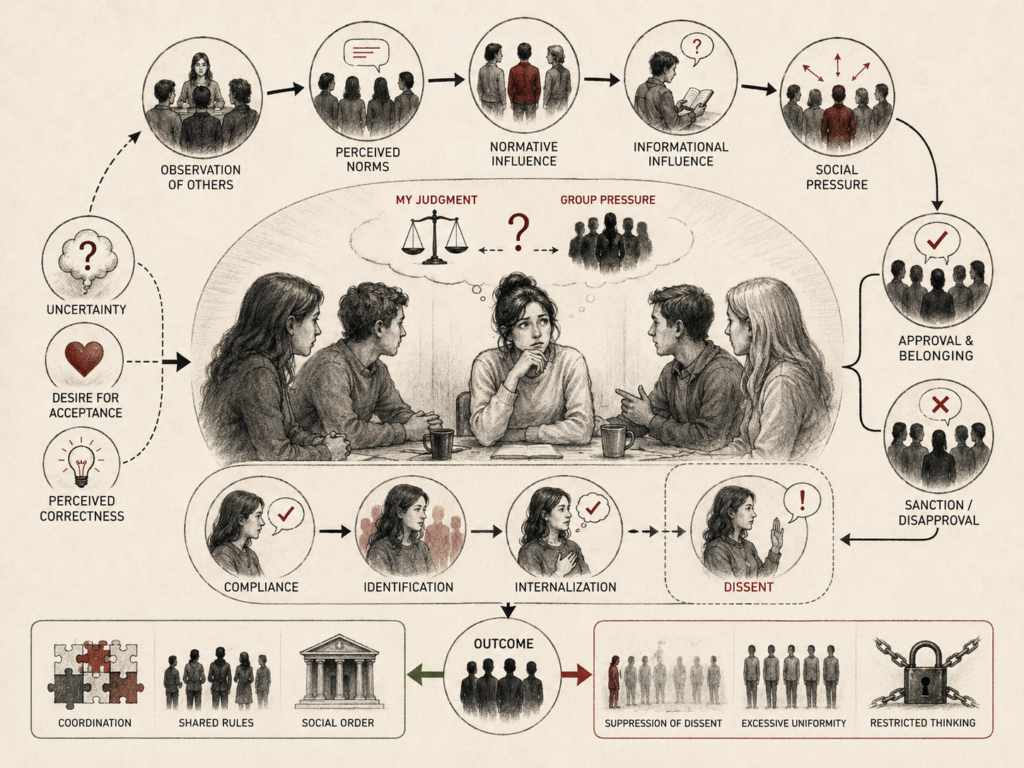
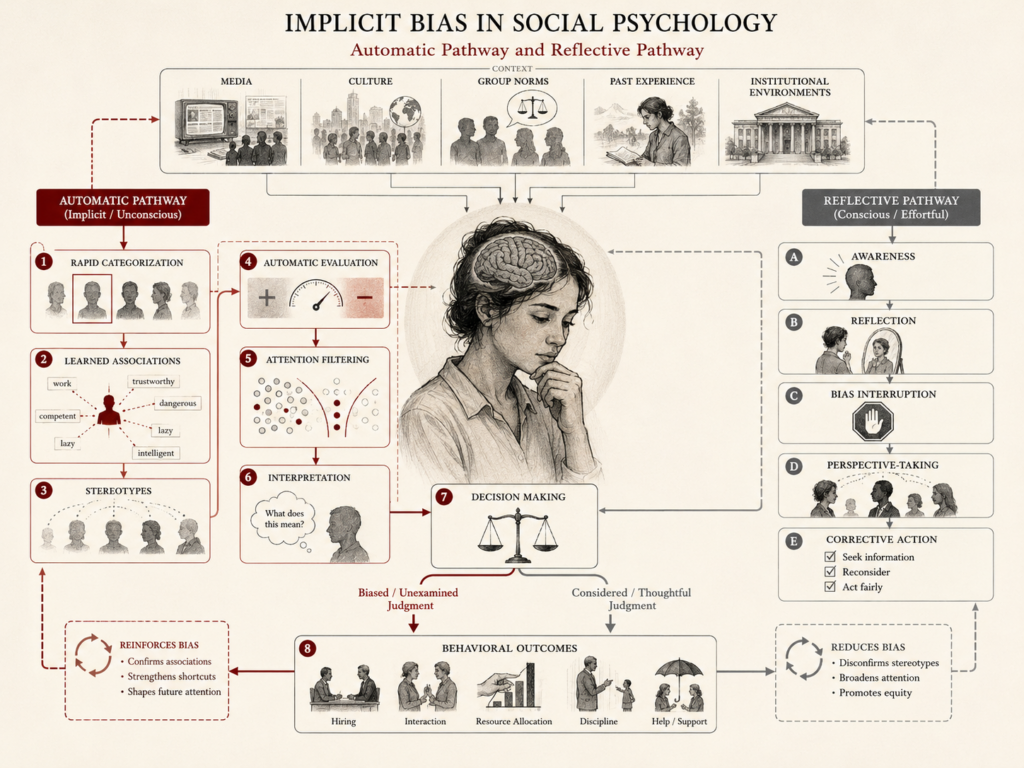
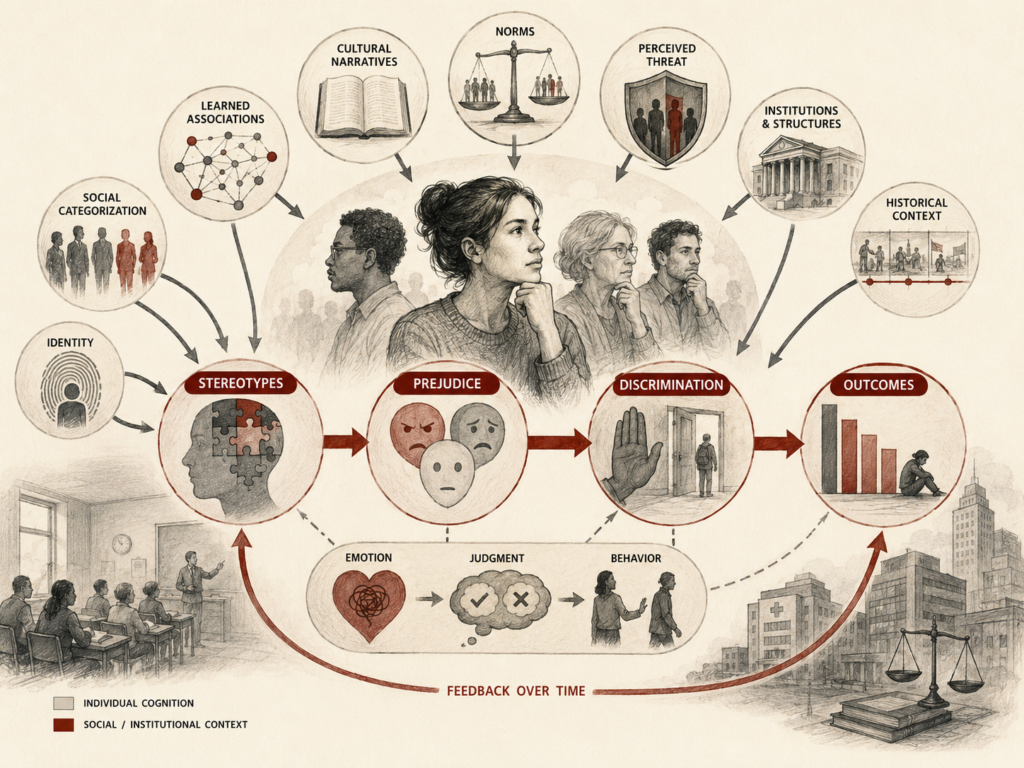
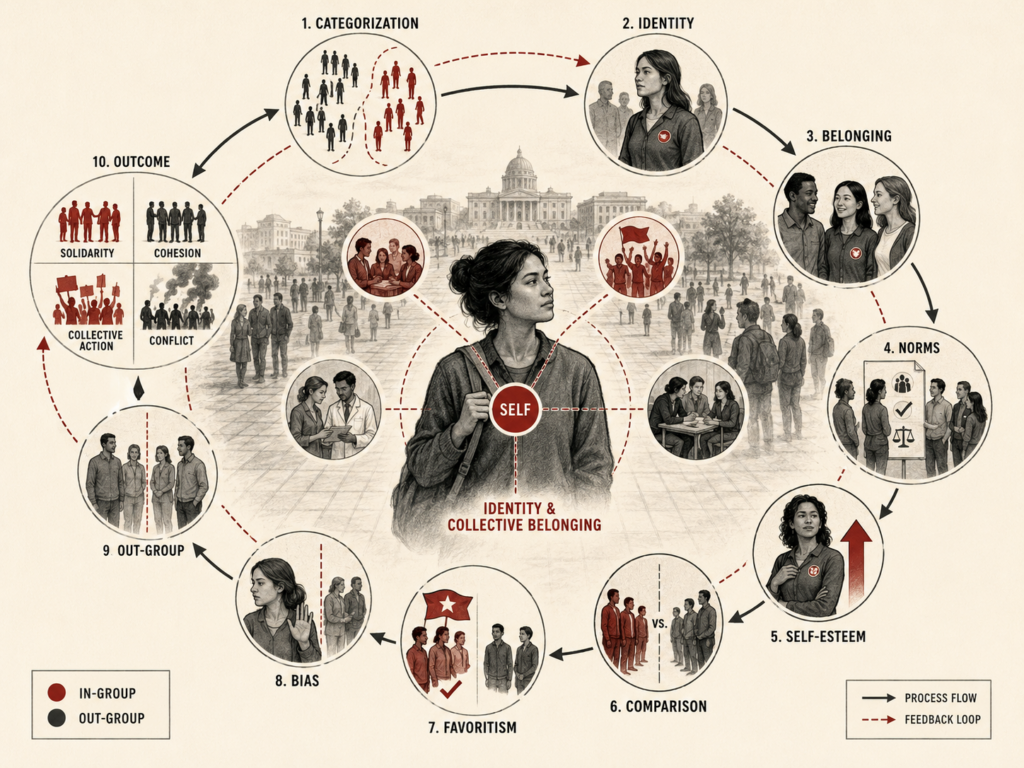
Intergroup conflict refers to tension, competition, or hostility between social groups. It is studied not as a simple extension of individual dislike, but as a collective process shaped by social categorization, perceived competition, symbolic threat, and the dynamics of group identity. This shows that conflict between groups can emerge even when personal relations are initially limited or neutral. Groups may come to perceive their goals, status, legitimacy, or resources as incompatible, and once that perception takes hold, rivalry can intensify through stereotypes, loyalty pressures, and escalating threat narratives. The field’s enduring importance lies in its ability to connect material competition with identity and meaning. Some conflicts are driven by struggles over land, power, jobs, or institutional access, while others are intensified by recognition, dignity, and the fear that one’s group is losing symbolic standing. Intergroup conflict remains one of the central frameworks for understanding polarization, sectarianism, nationalism, organizational rivalry, and the broader processes through which social boundaries become politically, morally, and institutionally consequential.