Synthetic Biology and the Engineering of Biological Systems
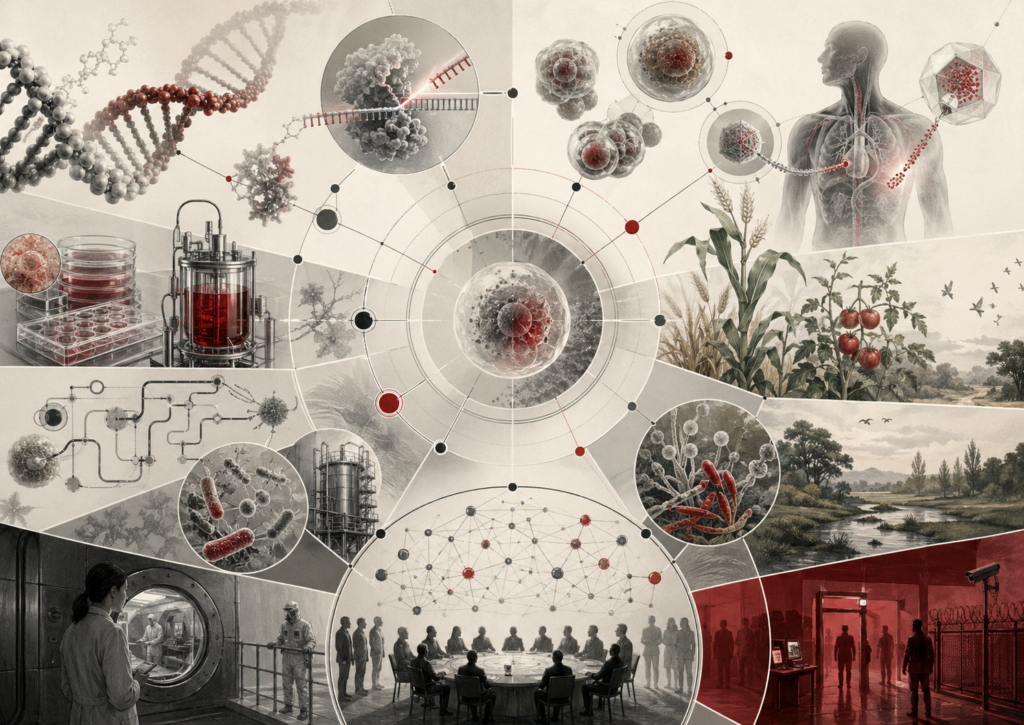
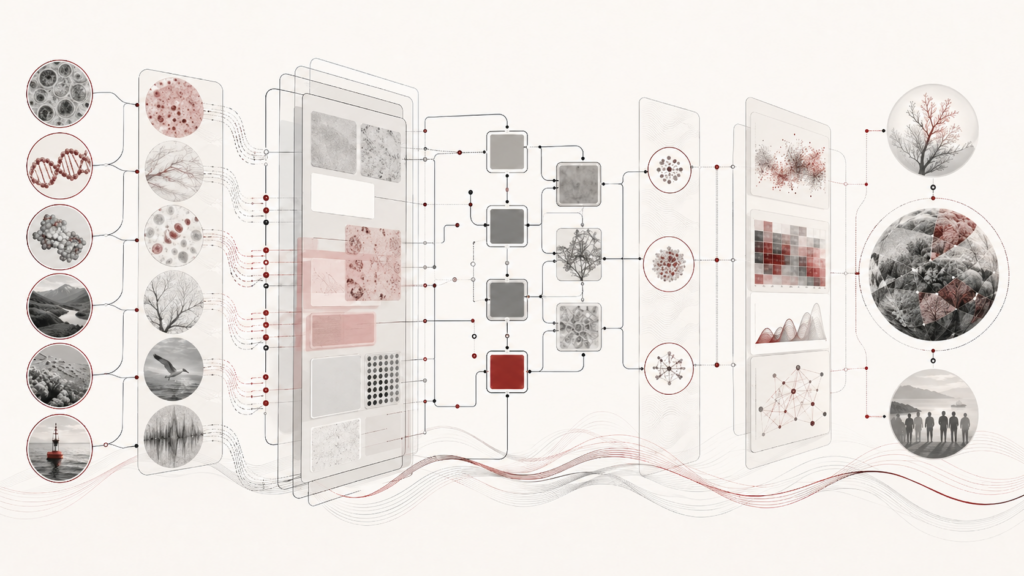
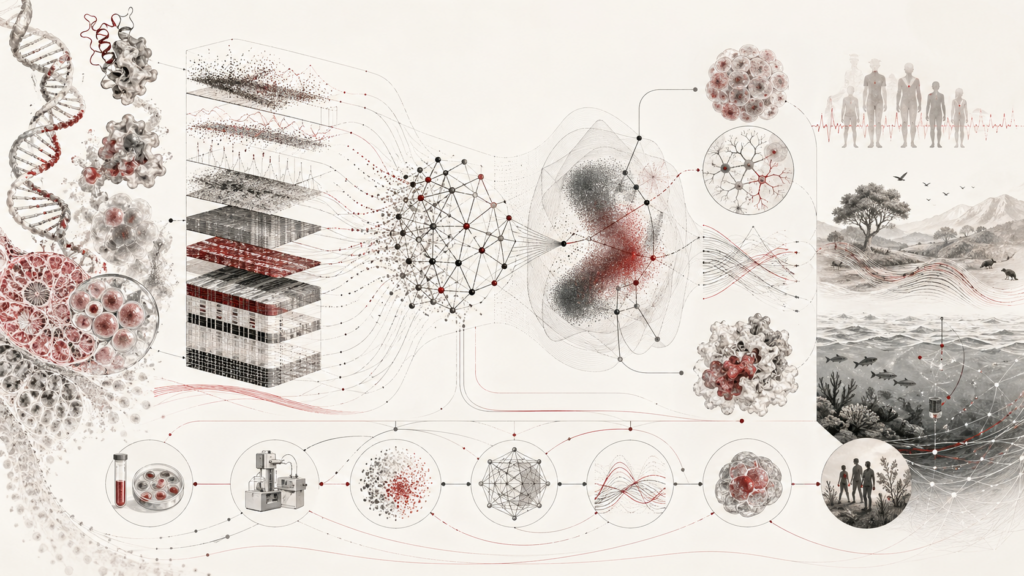
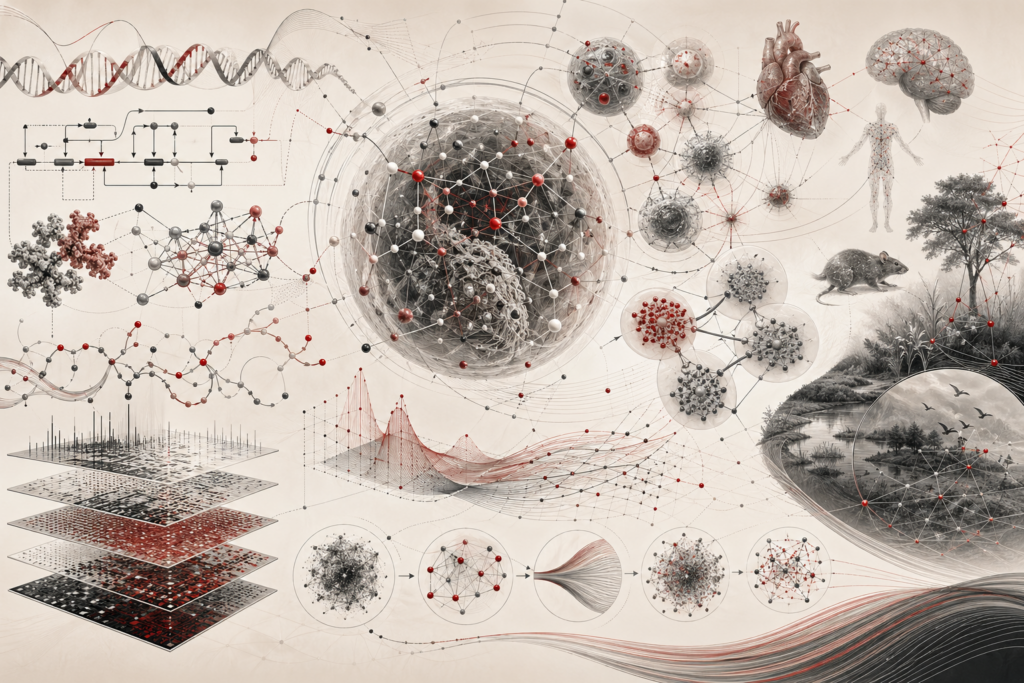
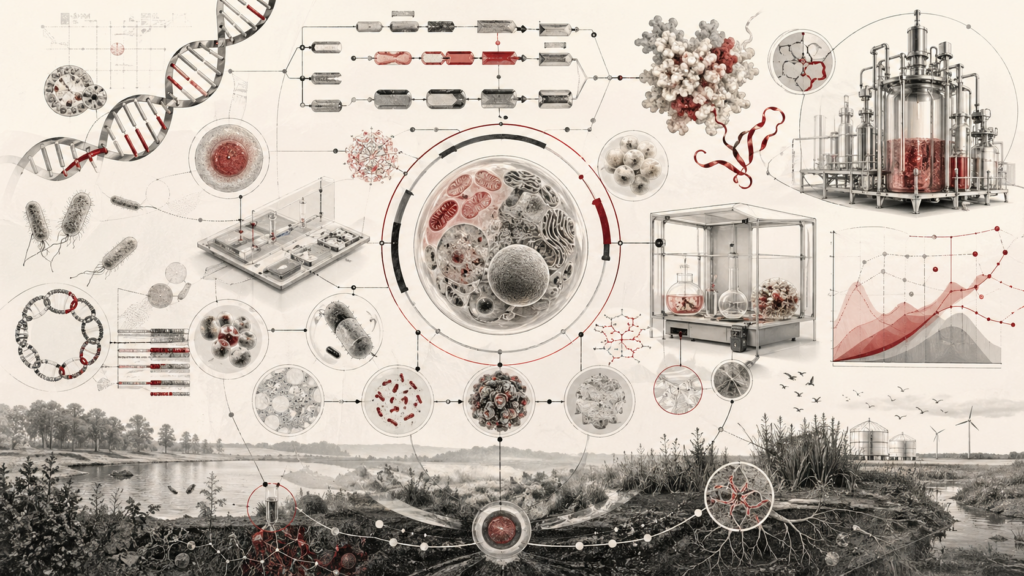
Synthetic biology extends biotechnology from modifying living systems toward deliberately engineering biological functions, circuits, pathways, organisms, and platforms. This article examines synthetic biology through the design-build-test-learn cycle, explaining biological parts, genetic circuits, chassis organisms, metabolic engineering, cell-free systems, biosensors, synthetic genomes, biomanufacturing, measurement standards, reproducibility, biosafety, biosecurity, and dual-use governance. It argues that synthetic biology is most credible when engineering ambition is paired with biological humility: living systems grow, mutate, regulate, adapt, evolve, and interact with environments. The article frames synthetic biology as a powerful but context-dependent field where design must be evaluated through measurement, stability, burden, ecological risk, public accountability, and responsible governance.