Chemistry, Ethics, and the Governance of Molecular Power
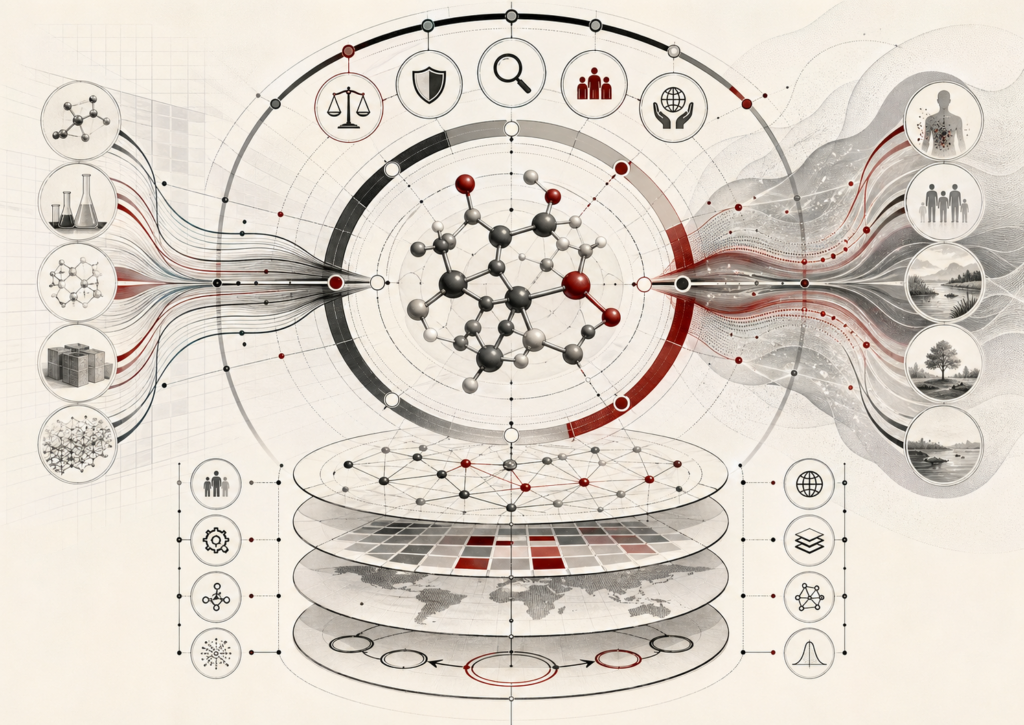
Chemistry gives human beings extraordinary power over matter. It can synthesize medicines, fertilizers, semiconductors, polymers, batteries, catalysts, fuels, sensors, coatings, dyes, disinfectants, pesticides, explosives, refrigerants, and materials that transform civilization. But molecular power also creates ethical responsibility. This article examines chemistry through the lens of governance: who designs chemicals, who benefits, who bears risk, who is exposed, who decides acceptable harm, and how societies should regulate substances that move through bodies, workplaces, ecosystems, markets, and generations. It introduces chemical ethics, precaution, risk assessment, toxicology, environmental justice, dual-use research, industrial accountability, green chemistry, chemical weapons prohibition, public communication, data transparency, product stewardship, and responsible innovation. Chemistry is not only a technical science of substances and reactions; it is also a public power that must be governed with evidence, humility, justice, and care.