Geochemistry and the Chemical History of Earth
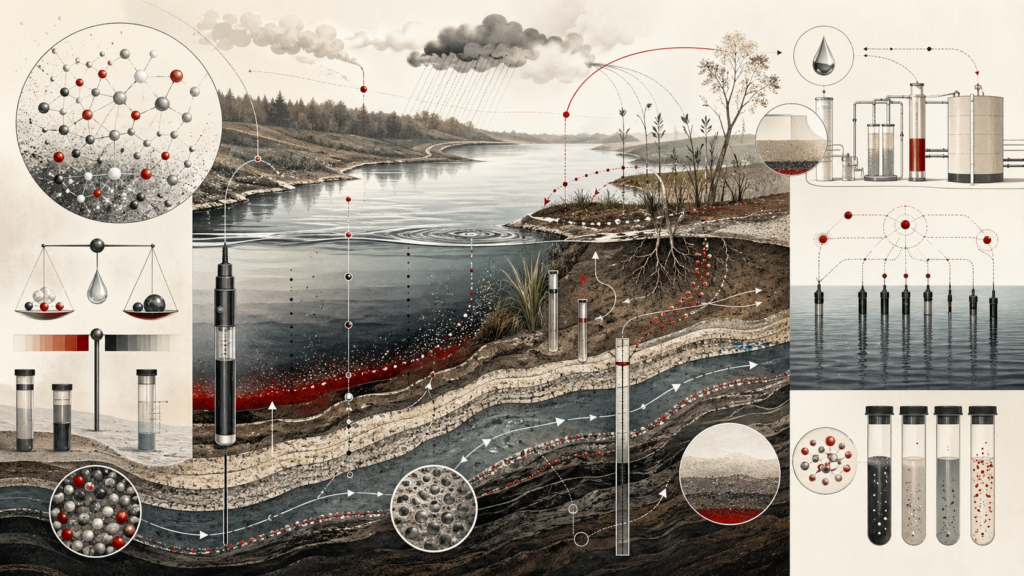
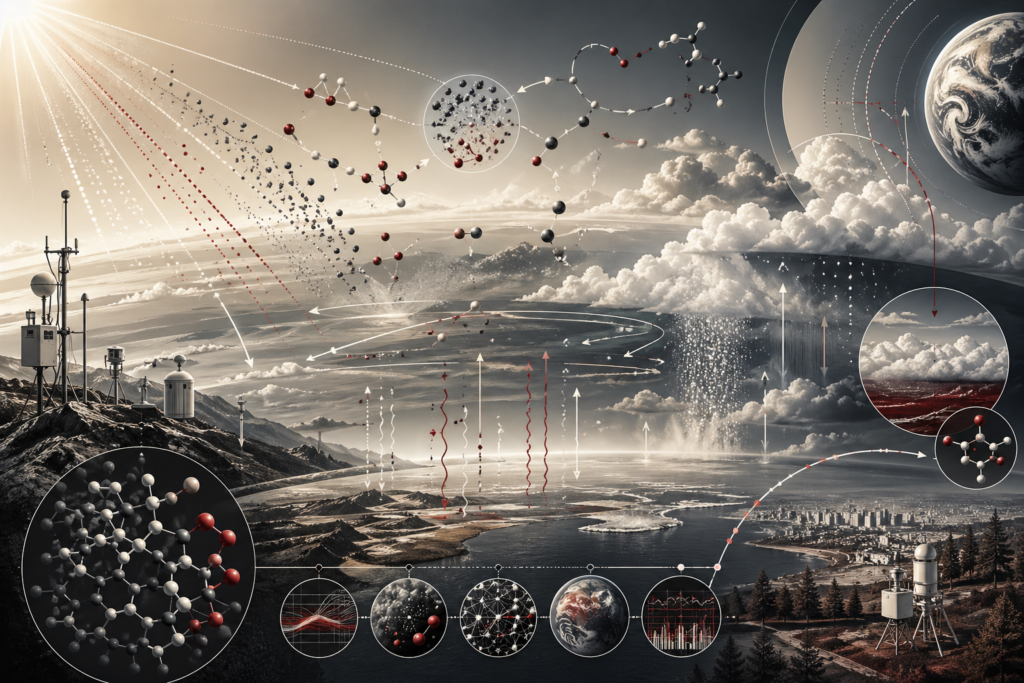
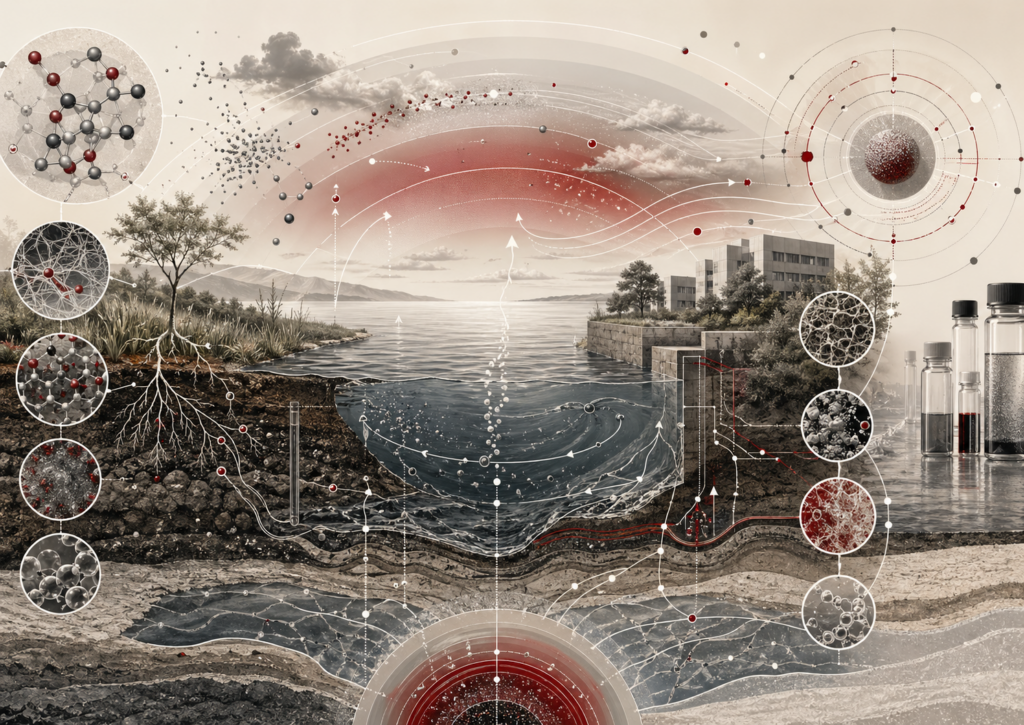
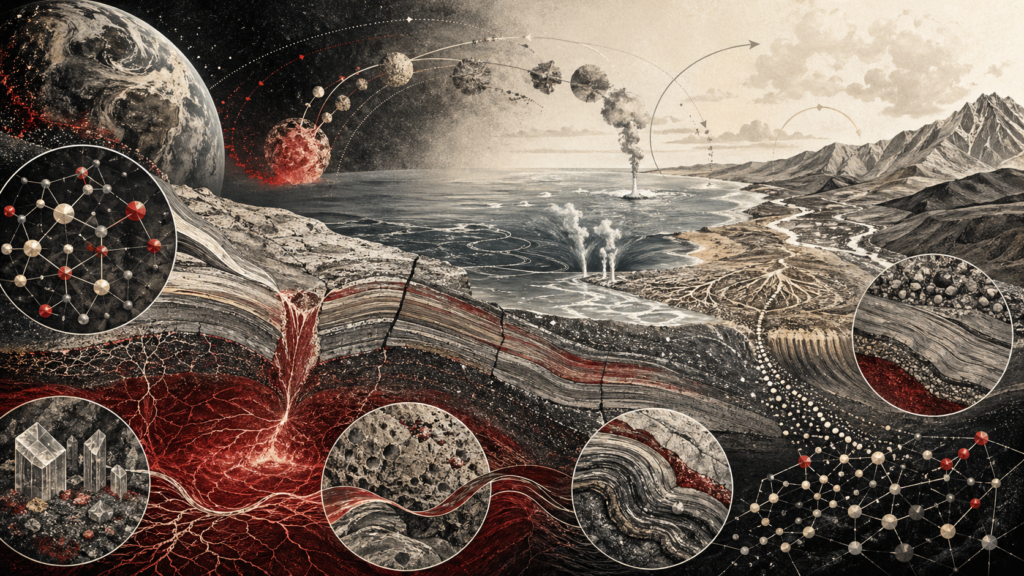
Geochemistry explains how Earth’s chemical history is recorded in rocks, minerals, sediments, fluids, gases, isotopes, ores, and planetary materials. This article examines planetary differentiation, element behavior, mineral records, igneous and sedimentary chemistry, stable and radiogenic isotopes, radiometric dating, weathering, crustal recycling, redox evolution, oxygenation, carbon-silicate climate regulation, hydrothermal systems, ore formation, and critical elements. It shows how geochemical evidence connects atomic-scale measurements to deep-time planetary change, including the formation of continents, oceans, atmosphere, climate feedbacks, biological evolution, and habitability. By linking isotope ratios, decay equations, weathering indices, trace-element patterns, mass balance, and reproducible computational workflows, geochemistry becomes a historical science of Earth as a chemically evolving planet.