Circular Chemistry, Waste, and Material Futures
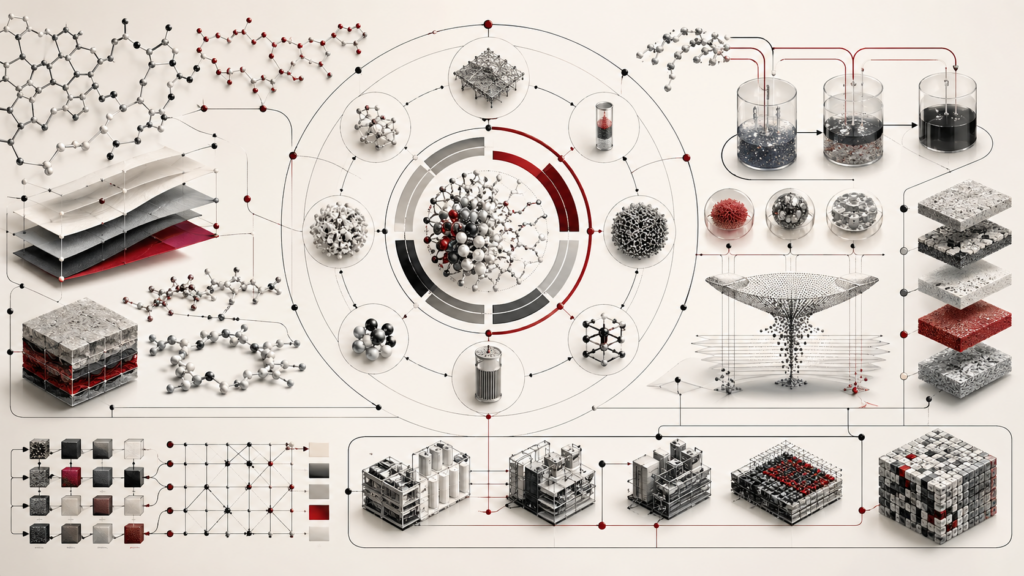
Circular chemistry examines how molecules, materials, products, and waste streams can be redesigned for longer use, safer recovery, lower toxicity, and more responsible material futures. This article introduces circularity as a chemical design challenge involving waste prevention, material durability, reuse, repair, recycling, depolymerization, solvent recovery, catalyst recovery, biodegradation, compostability, critical materials, industrial symbiosis, product stewardship, and life-cycle thinking. It explains why circularity is not achieved by recycling symbols or end-of-pipe waste management alone, but by designing chemical systems whose materials can remain useful, separable, traceable, recoverable, and safe across multiple cycles. Circular chemistry connects green chemistry, materials science, environmental chemistry, toxicology, industrial ecology, public policy, infrastructure, and justice. It shows how chemistry can move beyond linear extraction, production, consumption, and disposal toward accountable material systems built for reuse, recovery, and long-term stewardship.