Water Chemistry and Environmental Monitoring
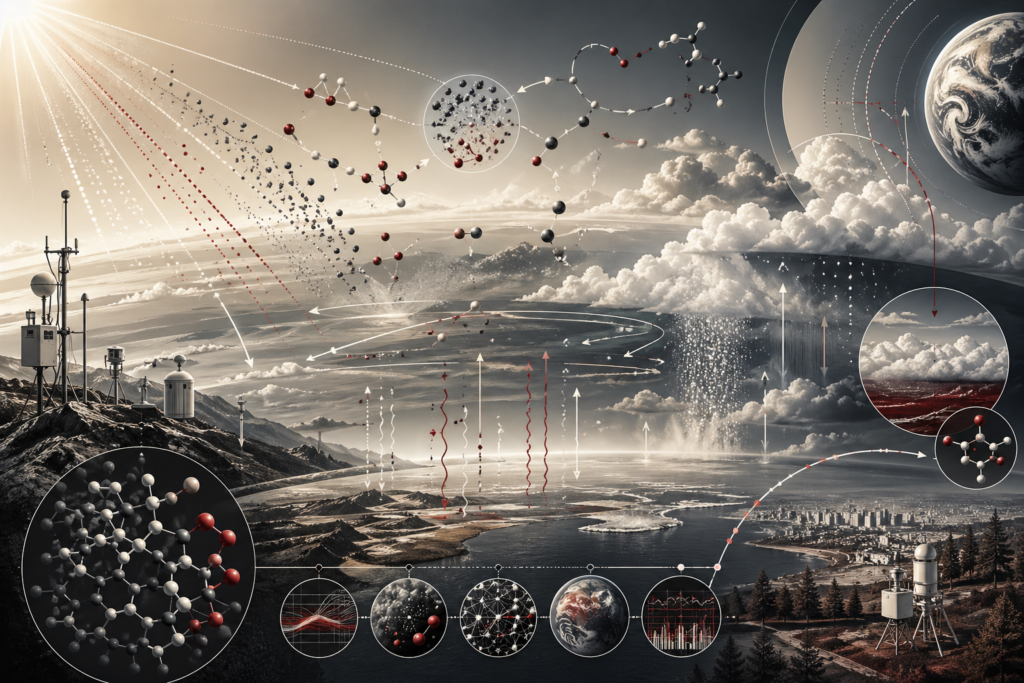
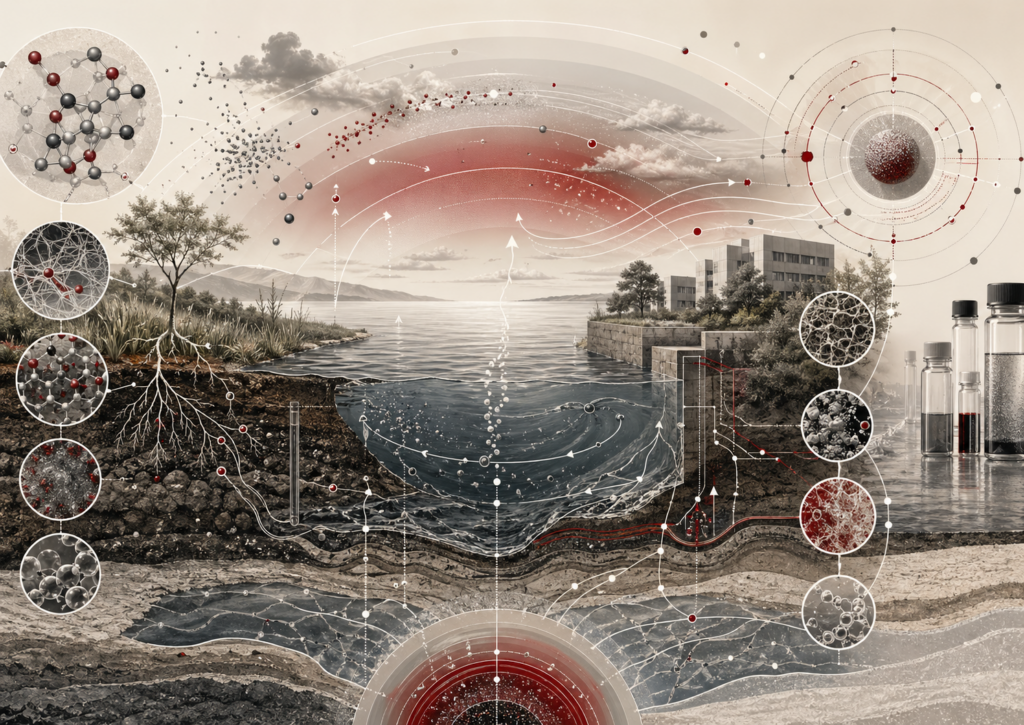
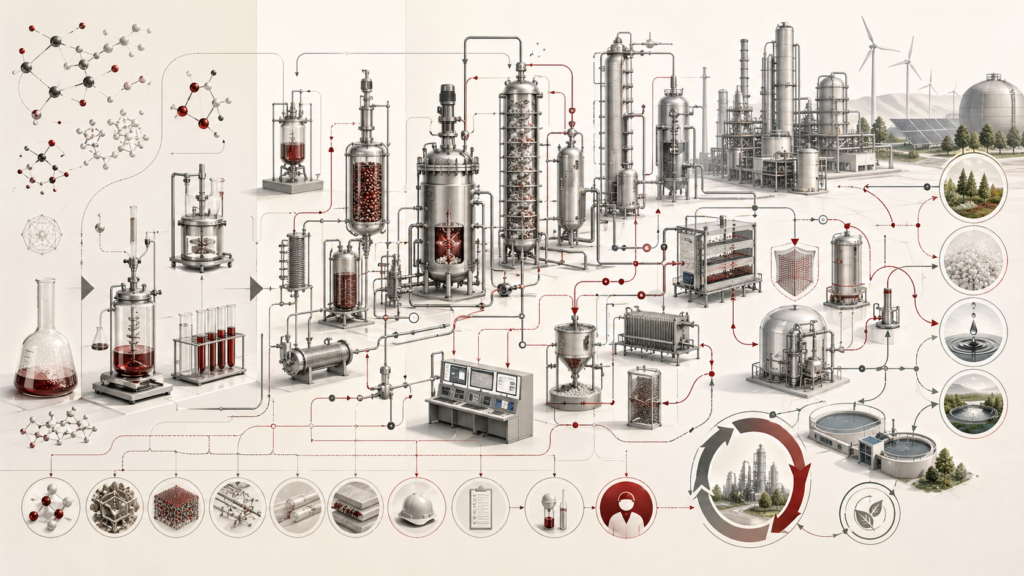
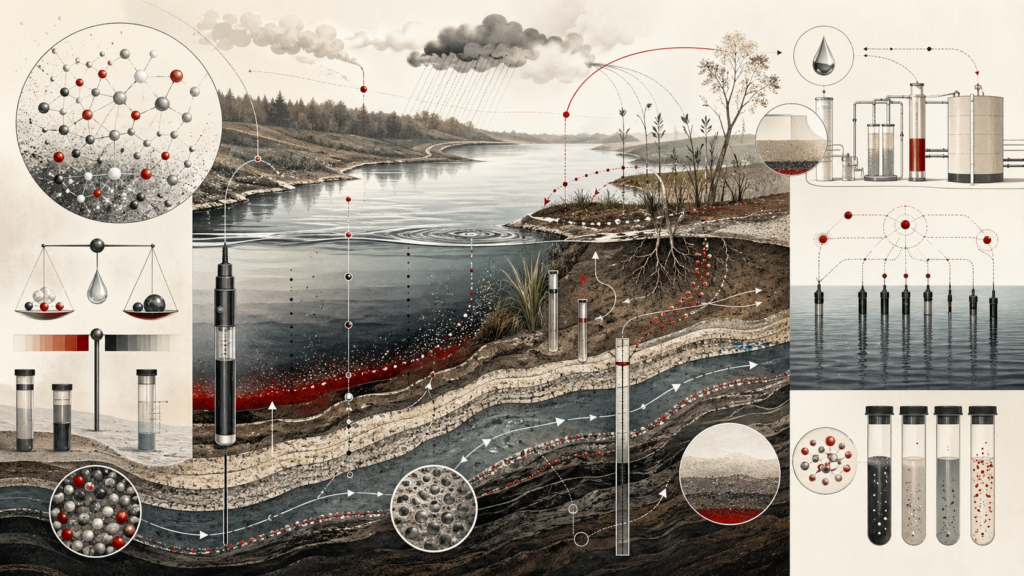
Water chemistry explains how the dissolved, suspended, particulate, biological, and reactive composition of water shapes environmental quality and habitability. This article examines pH, alkalinity, hardness, conductivity, dissolved oxygen, redox conditions, nutrients, metals, organic contaminants, microbial indicators, turbidity, source-water chemistry, groundwater, stormwater, wastewater, and drinking-water systems. It shows why environmental monitoring must connect sampling design, field parameters, laboratory methods, detection limits, quality assurance, units, hydrology, benchmarks, and uncertainty. By linking concentration, chemical load, pH behavior, nutrient transport, oxygen demand, benchmark screening, and reproducible data workflows, water chemistry becomes a foundation for public health, aquatic ecosystems, infrastructure resilience, watershed governance, and sustainable water management.