Edge Computing in Environmental Monitoring: Local Processing, Resilience, and Real-Time Environmental Intelligence
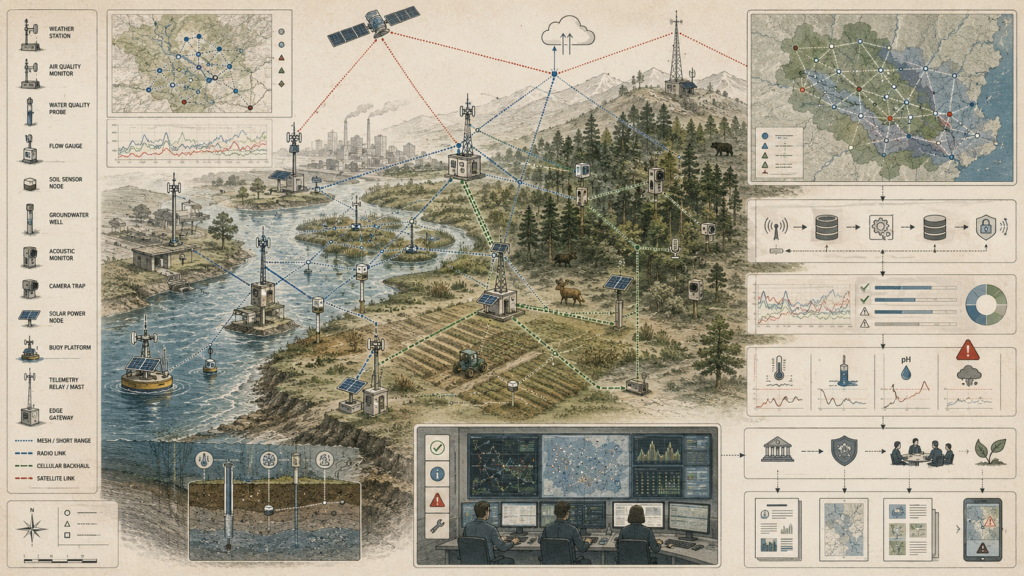
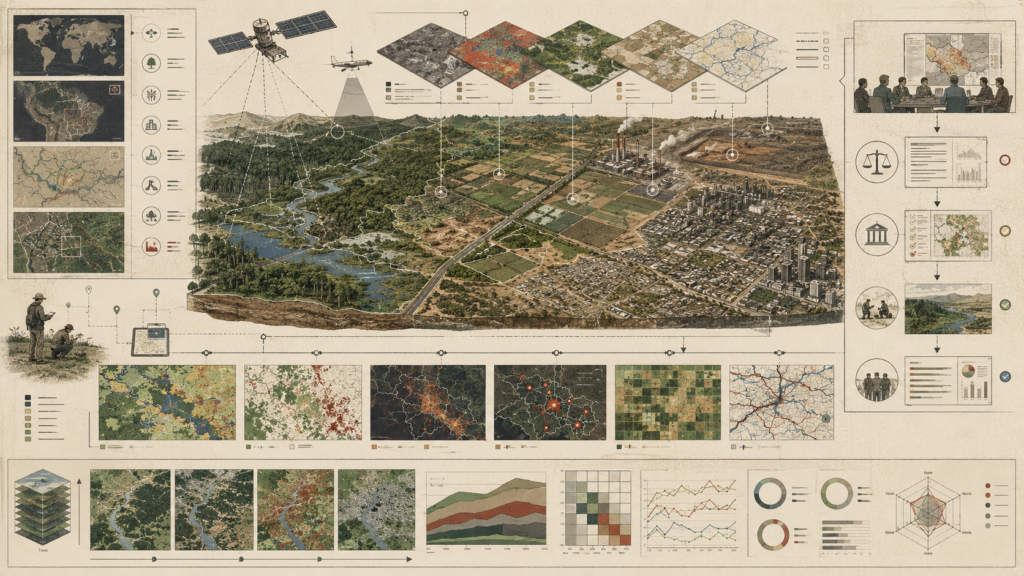
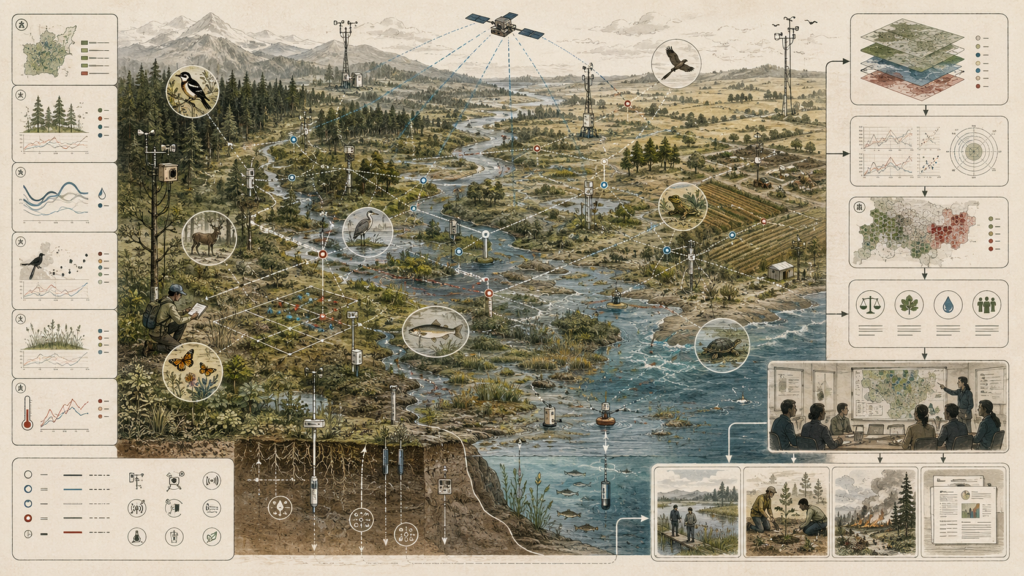
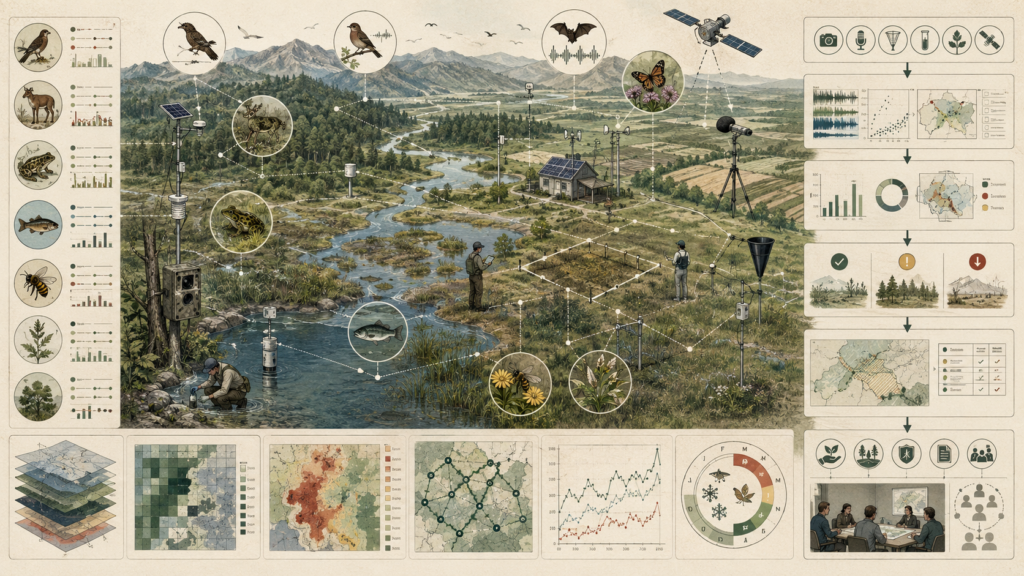
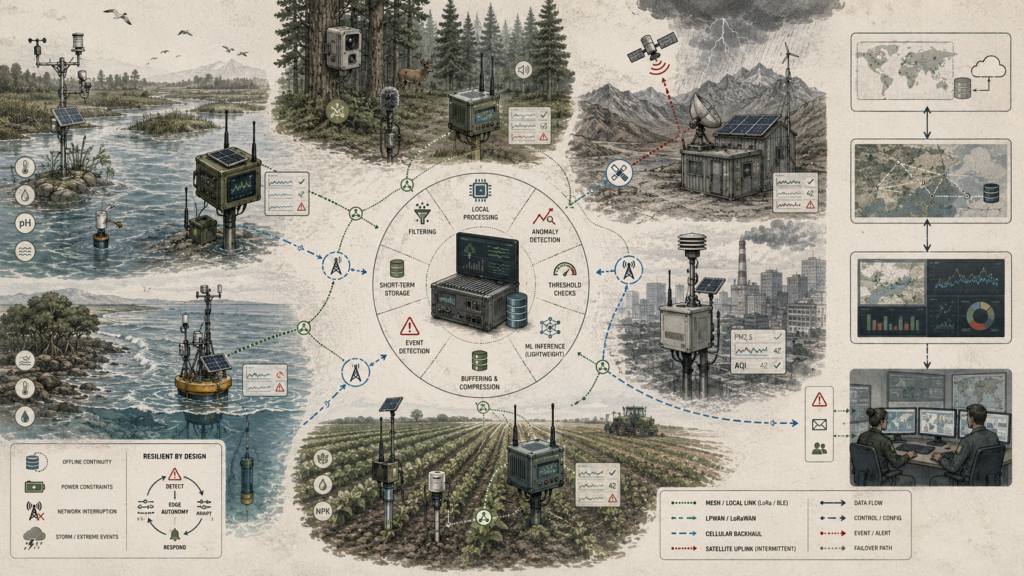
Edge computing makes environmental monitoring more resilient by moving computation closer to the environments being observed. Instead of sending every raw signal to distant platforms, field sensors, gateways, and rugged edge devices can filter data, detect anomalies, check thresholds, buffer records, assess device health, and issue local alerts in real time. This article examines how edge architectures support monitoring across rivers, wetlands, forests, farms, coasts, cities, and remote field stations where bandwidth, power, weather, and connectivity may be unreliable. Edge systems do not replace cloud platforms; they strengthen them by reducing latency, preserving continuity, prioritizing critical events, and supporting adaptive sampling. By linking local processing, resilient networks, environmental IoT, analytics, and decision support, edge computing turns distributed sensing into real-time environmental intelligence.