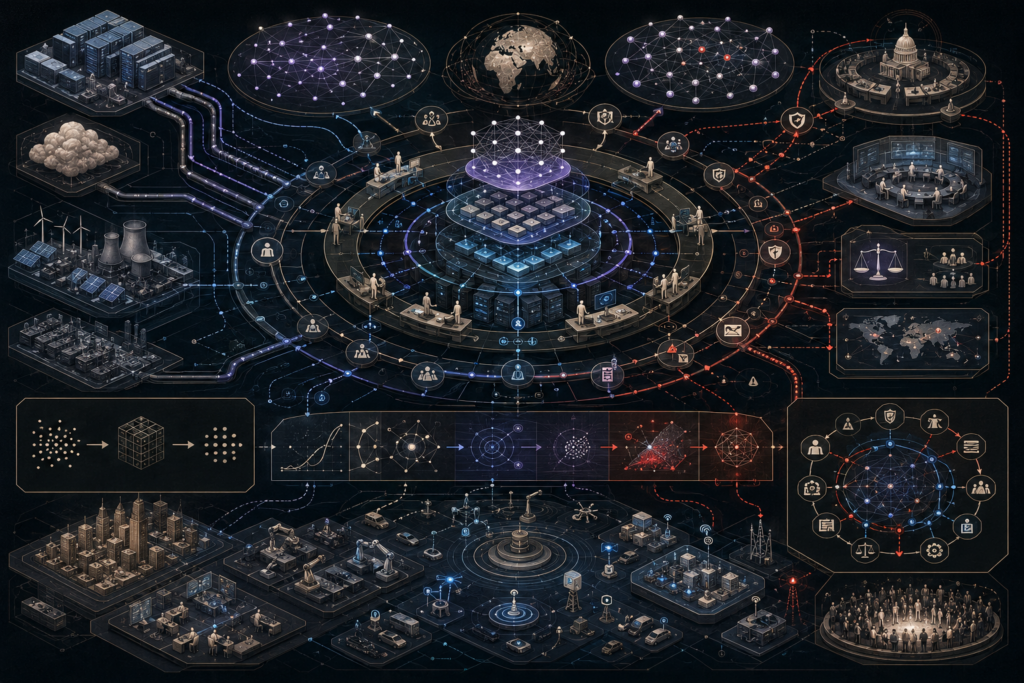
The Future of Artificial Intelligence Systems
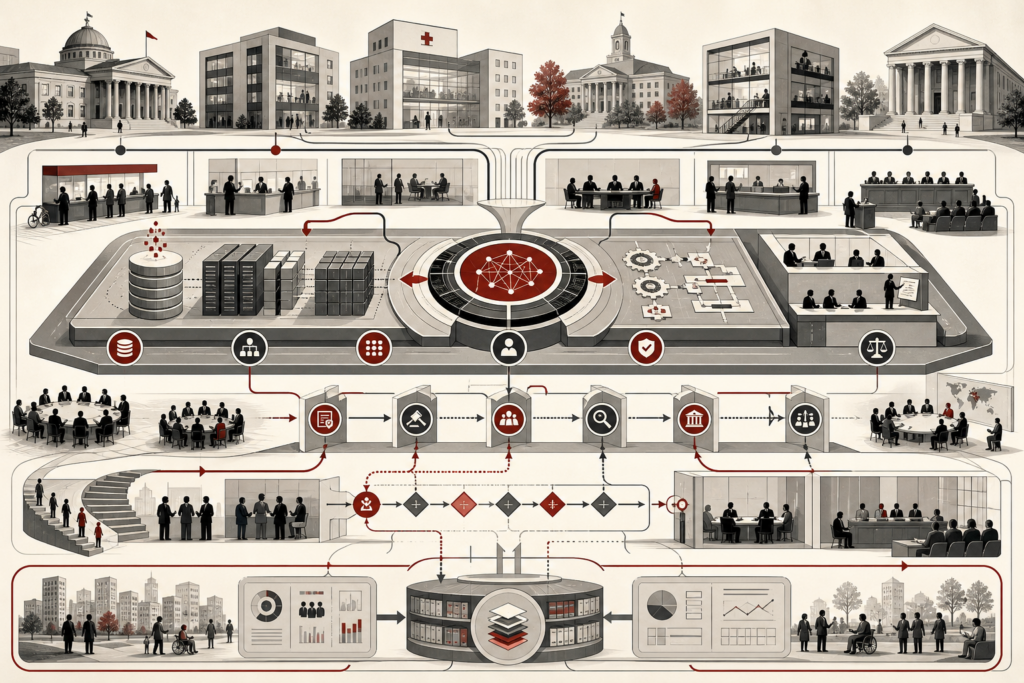
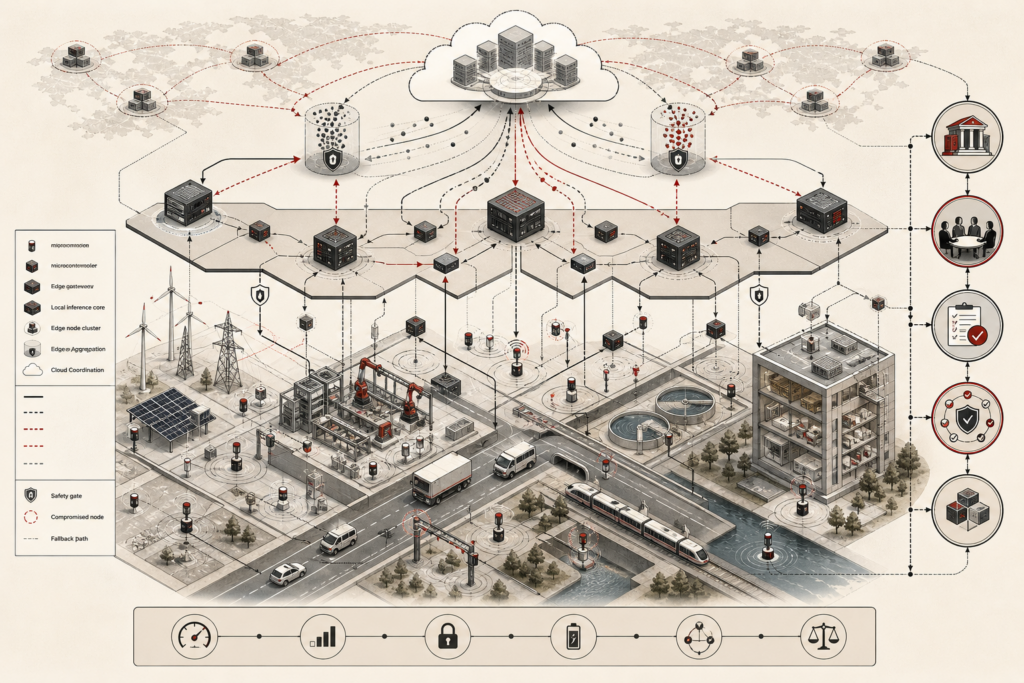
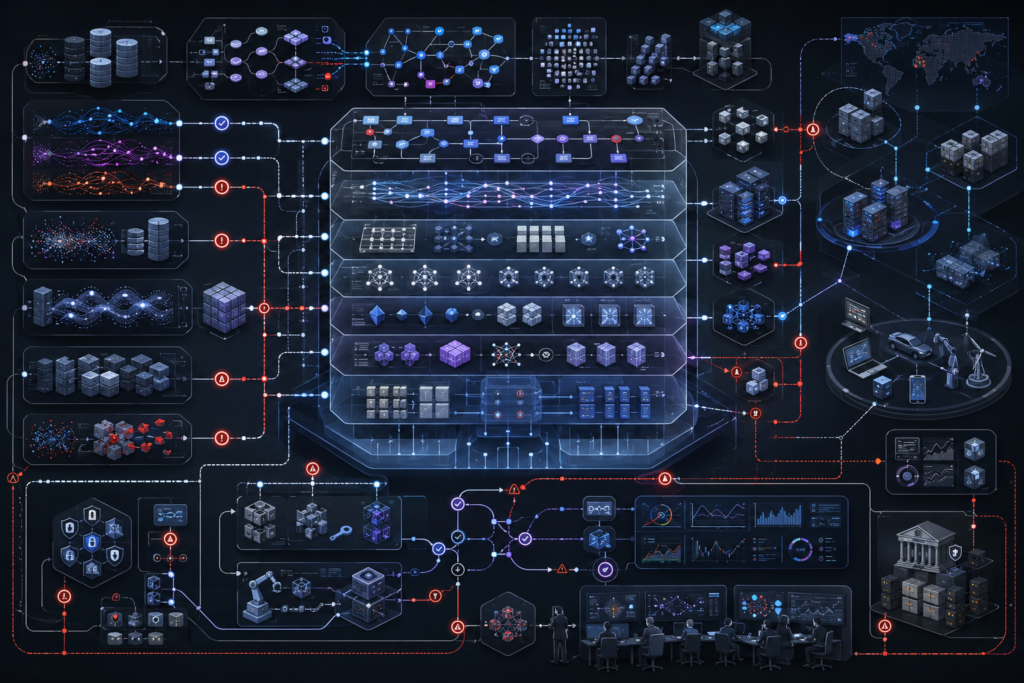
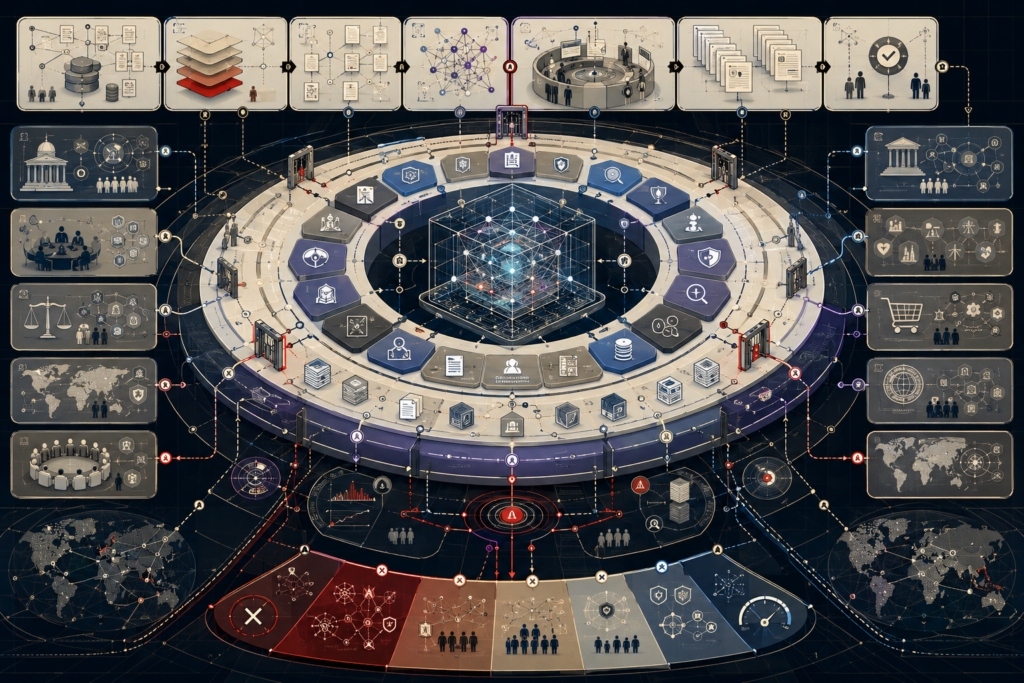
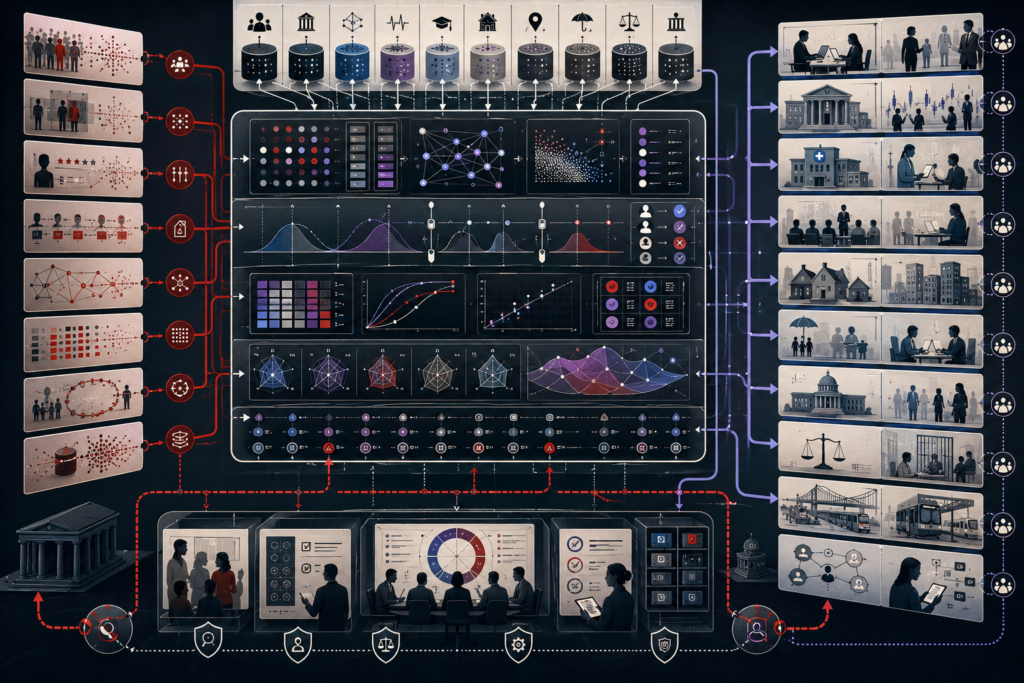
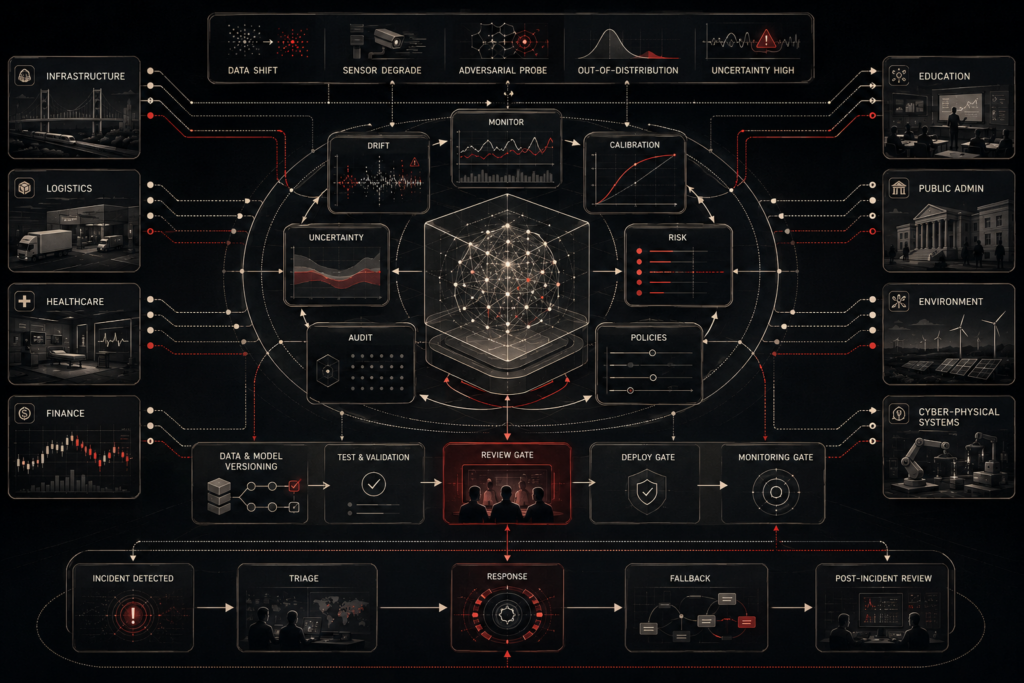
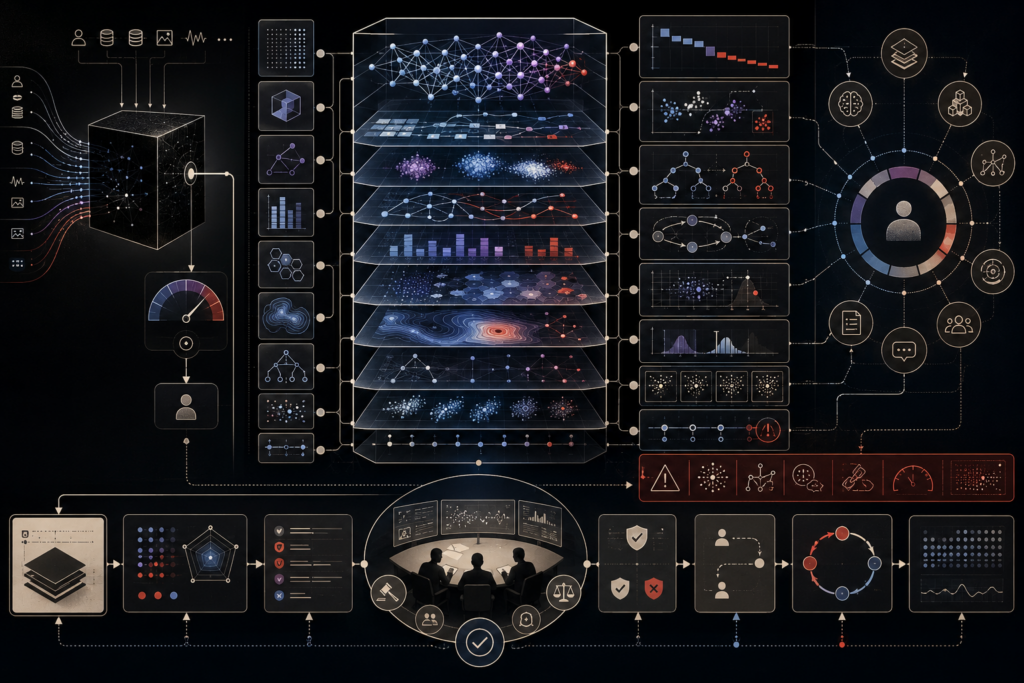
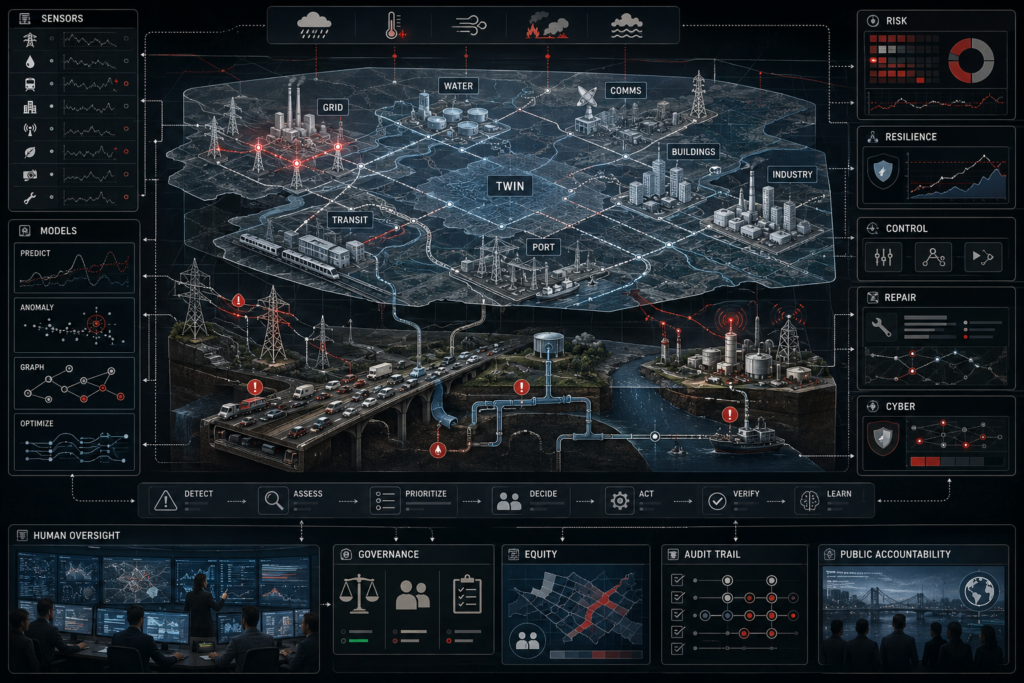
The future of artificial intelligence systems examines how AI is evolving from isolated models into interconnected, adaptive, governed, and institutionally embedded systems of intelligence. This article explains the shift from models to systems, scaling laws, compute-optimal training, infrastructure constraints, distributed and edge intelligence, AI agents, hybrid AI, institutional adoption, responsible scaling, human–AI integration, platform economics, systemic risk, future scenarios, and sociotechnical limits. It shows why future AI progress cannot be judged by model capability alone, since capability must be interpreted alongside governance capacity, infrastructure, trust, cost, resilience, human agency, and institutional legitimacy. The article also introduces mathematical lenses for scaling curves, compute budgets, system fitness, responsible scaling, distributed networks, feedback loops, scenario scoring, and deployment constraints, alongside Python and R workflows for scaling simulation, governance-readiness scoring, system-fitness analysis, and future-scenario modeling.