Explainable AI and Model Interpretability
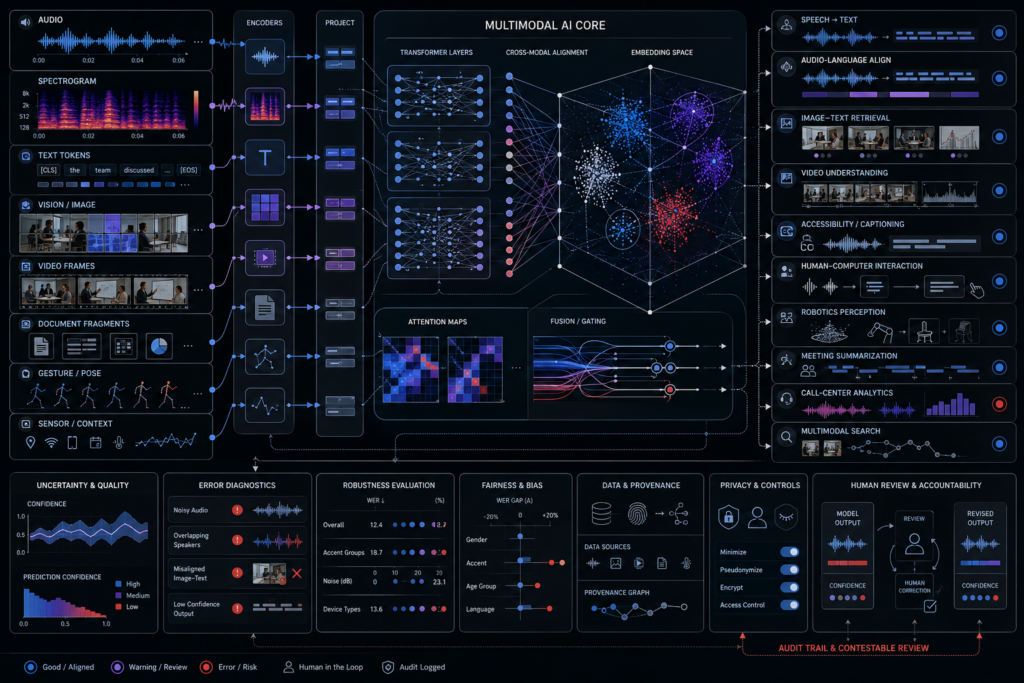
Explainable AI and model interpretability examine how artificial intelligence systems can be made more transparent, understandable, auditable, and accountable. As models become more complex, especially deep neural networks, ensemble methods, and large-scale AI systems, their predictions can become difficult to inspect or justify. This article explains the black-box problem, the difference between intrinsic interpretability and post-hoc explanation, and the roles of feature attribution, SHAP, LIME, counterfactual explanations, causal reasoning, and explanation stability. It also shows why explanations must be evaluated for fidelity, usability, actionability, contestability, and governance value. The central argument is that explainability is not decorative transparency; it is a systems-level requirement for responsible AI deployment, helping users, auditors, institutions, and affected stakeholders understand when AI outputs should be trusted, challenged, corrected, or rejected.