Situationism, Moral Character, and the Stability of Virtue
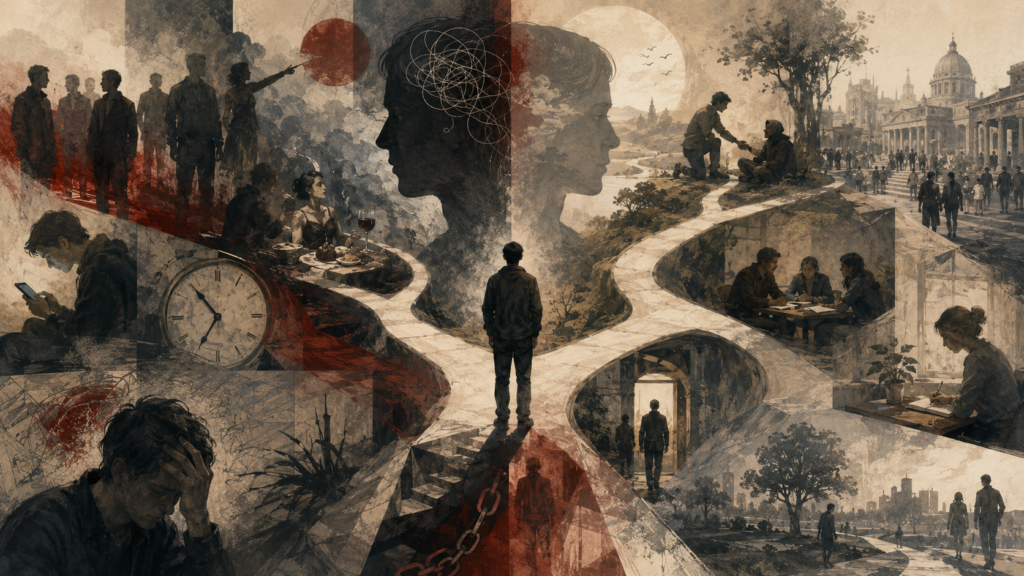
Situationism poses one of the sharpest challenges to traditional accounts of moral character and virtue. Rather than assuming that honesty, courage, compassion, or justice operate as broad and stable traits across contexts, situationist critics argue that behavior is often highly sensitive to small situational variables such as pressure, framing, role expectations, and social influence. This article examines that challenge through virtue ethics, empirical moral psychology, and contemporary models such as CAPS, the Big Five, and VIA character strengths. It argues that the strongest contemporary position is neither naïve faith in perfectly global virtues nor total skepticism about character, but a more modest account in which moral stability exists through patterned, situation-sensitive tendencies rather than flawless cross-situational consistency.