
Last Updated May 28, 2026
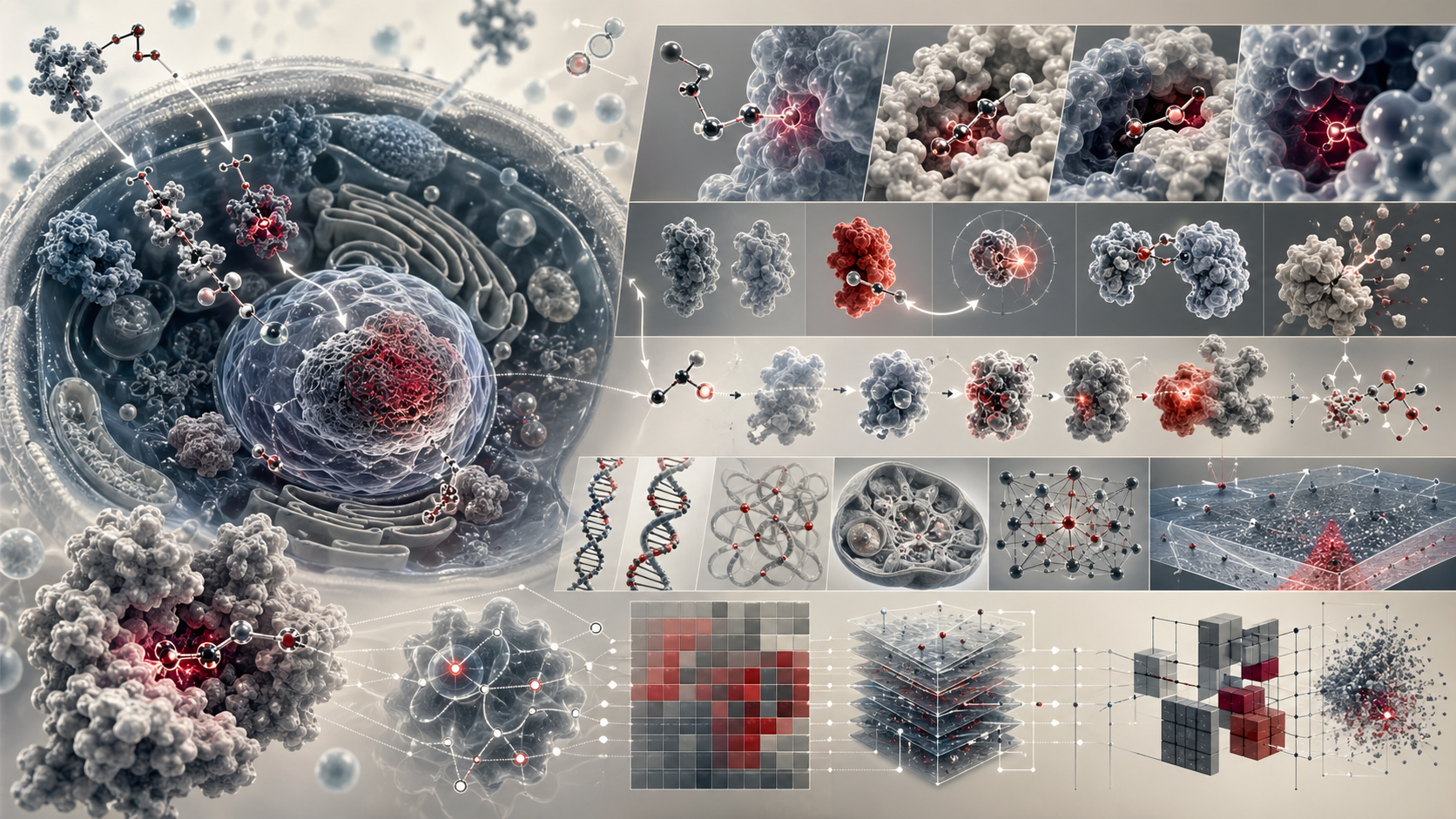
Chemical biology uses chemistry to observe, perturb, and redesign living systems. It stands at the interface of chemistry, biology, biochemistry, pharmacology, molecular biology, systems biology, biotechnology, medicinal chemistry, imaging science, proteomics, and computational modeling. Where biochemistry often explains the chemistry that living systems already perform, chemical biology asks how chemical tools can be used to interrogate, control, illuminate, and intervene in biological processes.
The central thesis of this article is that chemical biology turns molecules into instruments of biological understanding. A chemical probe can reveal what a protein does. A fluorescent sensor can show where a metabolite changes. A bioorthogonal tag can trace a biomolecule in living cells. A degrader can remove a protein instead of merely inhibiting it. A covalent ligand can map reactive sites. A chemoproteomic experiment can reveal unanticipated targets. A small molecule can become a question asked inside a living system.
Chemical biology is not simply drug discovery, although it overlaps with pharmacology and therapeutic science. It is not simply biochemistry, although it depends on biochemical understanding. It is a tool-building and intervention-oriented discipline: small molecules, probes, tags, sensors, inhibitors, activators, degraders, crosslinkers, imaging agents, bioorthogonal reactions, activity-based probes, affinity reagents, chemical genetics, chemoproteomics, and engineered molecular systems are used to make living chemistry experimentally visible and manipulable.
Main Library
Publications
Article Map
Chemistry
Related Topic
Biology
Related Topic
Data Systems & Analytics
Related Topic
Artificial Intelligence Systems
Why Chemical Biology Matters
Chemical biology matters because living systems are chemically accessible. Proteins bind small molecules. Enzymes react with substrates and inhibitors. Nucleic acids fold, pair, hybridize, and bind ligands. Lipids form membranes and signaling platforms. Metabolites flow through pathways. Cells respond to chemical perturbation. Biological systems can therefore be studied not only by observing them, but by intervening in them with designed molecules.
This makes chemical biology one of the most powerful bridges between molecular science and living function. It can reveal what a protein does in a cell, which enzymes are active rather than merely present, where a metabolite is produced, how signaling pathways respond to perturbation, which targets a compound actually engages, how a cellular phenotype emerges from molecular interactions, and whether a biological process can be controlled chemically.
Chemical biology is also central to modern medicine and biotechnology. Many therapeutic strategies began as chemical biology ideas: selective inhibitors, covalent drugs, kinase probes, protease probes, fluorescent biosensors, targeted protein degradation, molecular glues, radiotracers, chemical reporters, activity-based profiling, induced proximity, metabolic labeling, and chemical proteomics. These tools do not merely treat disease; they help reveal how disease mechanisms work.
The discipline matters because biology is dynamic. Gene expression changes over time. Proteins switch states. Enzymes activate and deactivate. Metabolites move. Membranes reorganize. Signaling pathways pulse, adapt, and compensate. Chemical tools can be designed to act at particular concentrations, time points, compartments, and molecular states. This gives chemical biology temporal and spatial power that complements genetics, microscopy, structural biology, and omics.
At its best, chemical biology transforms a molecule into an experiment. The molecule is not only a compound. It is a question: what happens if this protein is inhibited, this enzyme is labeled, this metabolite is traced, this target is degraded, this pathway is perturbed, or this cellular state is chemically controlled?
For researchers and scientists, chemical biology is strongest when molecular intervention is paired with rigorous controls, quantitative measurement, target engagement, orthogonal validation, and careful biological interpretation.
Chemical Biology and Biochemistry
Biochemistry and chemical biology overlap deeply, but they are not identical. Biochemistry studies the chemistry of biological molecules and pathways: proteins, nucleic acids, carbohydrates, lipids, enzymes, metabolism, membranes, signaling, and genetic information. Chemical biology uses chemical methods, synthetic molecules, probes, reactions, and perturbations to study and manipulate biological systems.
A biochemist may ask: how does this enzyme catalyze its reaction? A chemical biologist may ask: can we design a probe that reports when this enzyme is active inside a living cell? A biochemist may ask: what is the structure of this protein? A chemical biologist may ask: can a small molecule selectively modulate this protein’s function, stability, location, or interactions? A biochemist may map a metabolic pathway. A chemical biologist may design a labeled precursor to trace that pathway in living cells.
The distinction is not hierarchical. Chemical biology depends on biochemistry, and biochemistry benefits from chemical biology. The difference is emphasis. Biochemistry explains molecular life; chemical biology builds chemical tools to interrogate and intervene in molecular life.
Chemical biology also differs from pharmacology, although the fields overlap. Pharmacology studies how drugs interact with biological systems, often with therapeutic context. Chemical biology may use drug-like molecules, but its purpose is frequently experimental rather than therapeutic. A probe may be valuable because it reveals mechanism, even if it is not a drug candidate. A covalent labeling reagent may be invaluable for mapping enzyme activity, even if it would never be administered therapeutically.
Chemical biology also differs from synthetic biology, although both can manipulate living systems. Synthetic biology often constructs engineered biological circuits, organisms, or functions. Chemical biology often intervenes with molecular tools, ligands, probes, and reactions. Increasingly, the two fields intersect through chemically controlled gene circuits, inducible protein interactions, engineered sensors, and chemically programmed cellular behavior.
For researchers, chemical biology should be understood as chemistry used as an active experimental language. It asks what molecules can reveal, control, or redesign inside biological systems.
Molecular Intervention as a Scientific Strategy
Molecular intervention means deliberately changing a biological system through a molecule, reaction, probe, label, ligand, sensor, or engineered chemical process. Intervention can be reversible or irreversible, selective or broad, acute or chronic, local or systemic, observational or therapeutic.
Examples include:
- inhibiting an enzyme with a selective small molecule;
- activating a receptor with a designed agonist;
- labeling a biomolecule through a bioorthogonal reaction;
- tracking protein activity with an activity-based probe;
- degrading a target protein with a bifunctional degrader;
- detecting reactive oxygen species with a fluorescent sensor;
- mapping drug-target interactions through chemoproteomics;
- perturbing a pathway and measuring downstream responses;
- using light, ligand binding, or induced proximity to control biological function.
Molecular intervention is powerful because it can be fast. Genetic perturbations may take hours, days, or generations to express fully. A small molecule can act within seconds or minutes. This makes chemical intervention especially useful for dynamic systems such as signaling, metabolism, ion transport, membrane trafficking, enzyme activation, protein-protein interactions, and cell-cycle transitions.
Molecular intervention is also tunable. Concentration can be varied. Exposure time can be controlled. Washout can test reversibility. Structurally related controls can test specificity. Multiple chemotypes can test whether a phenotype is target-dependent. Orthogonal readouts can distinguish target engagement from downstream effects.
But intervention must be interpreted carefully. A molecule may have off-target effects, limited permeability, instability, toxicity, poor solubility, aggregation, nonspecific binding, context-dependent behavior, or compartment-specific access. Chemical biology therefore depends on controls, orthogonal validation, dose-response analysis, time-course design, target engagement evidence, and biological interpretation.
For researchers, molecular intervention is not simply “adding a compound.” It is a designed perturbation whose meaning depends on mechanism, context, dose, timing, and evidence.
Chemical Probes and Biological Questions
A chemical probe is a small molecule or reagent used to study biological function. A good probe is not simply a compound that has an effect. It is a tool with known potency, selectivity, mechanism, cellular activity, and limitations.
A useful chemical probe should ideally have:
- a defined molecular target;
- strong potency under relevant conditions;
- high selectivity against related targets;
- evidence of target engagement in cells or biological systems;
- a known mechanism of action;
- a structurally related inactive or less-active control where possible;
- acceptable solubility, stability, and permeability for the intended system;
- clear documentation of concentration, timing, and assay context.
Chemical probes can answer biological questions by perturbing a target and observing consequences. If inhibiting a kinase changes cell migration, the kinase may participate in migration pathways. If degrading a transcriptional regulator changes gene expression, the regulator may control those genes. If blocking an enzyme causes metabolite accumulation, the enzyme may sit at a pathway bottleneck.
However, a probe does not automatically prove causation. The strength of the conclusion depends on controls: multiple probes with different chemotypes, rescue experiments, genetic comparison, target engagement assays, dose-response behavior, time-course logic, off-target assessment, and phenotypic consistency.
Probe quality is especially important because weak probes can spread misleading conclusions. A compound may be used at concentrations far above its selective range. A target annotation may be outdated. A probe may inhibit related family members. A fluorescent tag may alter localization. A covalent ligand may modify unintended proteins. A phenotypic screen may identify activity without mechanism.
For researchers, chemical probes are scientific instruments. Like all instruments, they must be calibrated, validated, documented, and interpreted within their limits.
Molecular Recognition and Target Engagement
Chemical biology depends on molecular recognition. A molecule must bind, react, localize, report, or perturb in a way that is meaningful within a biological system. Binding depends on shape, electrostatics, hydrogen bonding, hydrophobic interactions, conformational flexibility, water displacement, metal coordination, molecular dynamics, and cellular context.
A simple binding equilibrium is:
P + L \rightleftharpoons PL
\]
Interpretation: \(P\) is protein, \(L\) is ligand, and \(PL\) is the protein-ligand complex. Binding should be interpreted under defined biochemical or cellular conditions.
The dissociation constant is:
K_d = \frac{[P][L]}{[PL]}
\]
Interpretation: A lower \(K_d\) indicates tighter binding under the measured conditions. Binding affinity alone does not prove cellular activity or biological mechanism.
A low \(K_d\) indicates tighter binding under defined conditions, but binding alone is not enough. A compound may bind in vitro but fail in cells because it cannot cross membranes, is pumped out, is metabolized, binds serum proteins, aggregates, reacts nonspecifically, or fails to reach the relevant compartment.
Target engagement asks whether the compound actually interacts with its intended target in the biological system being studied. Evidence may come from thermal-shift assays, cellular thermal shift assays, chemical proteomics, competition experiments, pull-downs, fluorescent binding assays, reporter assays, resistance mutations, structural biology, or functional rescue.
Target engagement is not always equal to functional effect. A molecule may bind but not modulate function. It may bind one conformational state without affecting the relevant biological process. It may engage the target but fail to reach sufficient occupancy. It may engage the target and also affect other proteins.
For researchers, chemical biology requires a distinction between biochemical potency, target engagement, functional modulation, and biological interpretation. Each is a different layer of evidence.
Chemical Genetics and Phenotypic Perturbation
Chemical genetics uses small molecules to perturb biological systems in ways analogous to genetic perturbation. Instead of deleting or mutating a gene, chemical genetics uses compounds to inhibit, activate, stabilize, destabilize, relocalize, or otherwise modulate proteins and pathways.
Chemical genetics can be:
- forward, beginning with a phenotype and searching for compounds that produce it;
- reverse, beginning with a target and using compounds to test its biological role.
Forward chemical genetics is valuable because it can reveal unexpected biology. A screen may identify molecules that change cell shape, differentiation, signaling, migration, metabolism, infection, or survival. The challenge is target identification: what did the molecule actually do?
Reverse chemical genetics is valuable when the target is known. A selective inhibitor, activator, or degrader can test the consequences of modulating that target. The challenge is confidence: how selective is the compound, and is the observed phenotype truly target-dependent?
Chemical genetics is powerful because chemical perturbations can be timed, dosed, washed out, combined, and applied to specific biological states. It gives biology a reversible and tunable intervention system. A genetic knockout may remove a protein permanently, allowing compensation. A chemical inhibitor may allow acute perturbation. A degrader may remove the whole protein. An allosteric ligand may affect one function while preserving another.
Phenotypic perturbation also requires careful interpretation. A cellular phenotype is often downstream of many events. A compound may produce a phenotype through toxicity, stress response, off-target binding, membrane disruption, metabolic burden, assay interference, or target-specific biology. The phenotype is the beginning of the question, not the end.
For researchers, chemical genetics works best when phenotypic observations are connected to target engagement, orthogonal perturbations, rescue experiments, and mechanistic follow-up.
Activity-Based Probes and Chemoproteomics
Activity-based probes are chemical tools that report on enzyme activity rather than mere protein abundance. They often contain a reactive group that binds active enzymes, a recognition element that guides selectivity, and a tag or handle for detection or enrichment.
Activity-based protein profiling can reveal which enzymes are active in a cell, tissue, organism, or disease state. This matters because protein expression does not always equal activity. An enzyme may be present but inactive, inhibited, mislocalized, post-translationally modified, or regulated by cofactors.
Chemoproteomics extends this logic across many proteins. It uses chemical probes, affinity tags, covalent ligands, isotopic labeling, mass spectrometry, and competition experiments to map compound-protein interactions at proteome scale.
Chemical proteomics can answer questions such as:
- Which proteins does a compound bind?
- Which cysteines, lysines, serines, or other residues are reactive?
- Does a candidate inhibitor engage its target in cells?
- What off-target proteins are affected?
- Which enzyme activities change in disease?
- Where are ligandable pockets in the proteome?
Activity-based probes and chemoproteomics turn chemical reactivity into biological mapping. They are especially important because cellular activity may not be predictable from transcript or protein abundance. A protease may be expressed but inactive. A kinase may be present but not engaged. A cysteine may be chemically reactive only in one cellular state.
These methods also require caution. Probe reactivity, labeling time, cell permeability, enrichment bias, protease digestion, mass-spectrometry coverage, competition conditions, and statistical thresholds all affect interpretation. Chemoproteomic evidence is strongest when paired with dose-dependent competition, site localization, replicate analysis, orthogonal validation, and functional readouts.
For researchers, chemoproteomics provides a proteome-wide view of chemical engagement, but its maps are experimental evidence systems, not simple target lists.
Bioorthogonal Chemistry and Metabolic Labeling
Bioorthogonal chemistry uses reactions that can occur in biological environments without substantially interfering with native biological chemistry. This allows researchers to introduce small chemical handles into biomolecules and later attach detectable tags, enrichment groups, fluorophores, affinity labels, or other functional groups.
A simplified bioorthogonal labeling strategy is:
\mathrm{Biomolecule{-}Handle} + \mathrm{Probe} \rightarrow \mathrm{Biomolecule{-}Probe}
\]
Interpretation: A chemically compatible handle is incorporated into a biomolecule and then selectively reacted with a probe. The reaction should be selective in the biological environment.
The power of bioorthogonal chemistry lies in selectivity. Living systems contain many functional groups: amines, thiols, carboxylates, hydroxyls, phosphates, carbonyls, and more. A bioorthogonal reaction must proceed selectively despite that complexity.
Metabolic labeling uses cellular biosynthetic pathways to incorporate chemical reporters into biomolecules. Modified sugars can label glycans. Modified amino acids can label proteins. Modified nucleosides can label RNA or DNA. Modified lipids can label membranes or lipid-derived structures.
This makes it possible to track biomolecule synthesis, trafficking, localization, turnover, and interaction in living systems. Glycan labeling can reveal cell-surface remodeling. Nucleoside analogs can mark newly synthesized RNA or DNA. Amino-acid analogs can track nascent proteins. Lipid reporters can follow membrane-associated processes.
Bioorthogonal and metabolic labeling also require careful controls. The modified precursor may alter metabolism. The tag may change biomolecule behavior. Reaction kinetics may be too slow for the biological event. Probe toxicity, background labeling, incomplete incorporation, and enrichment bias can affect conclusions.
For researchers, bioorthogonal chemistry gives chemical biology one of its defining capabilities: the ability to mark living molecules without rewriting the entire living system.
Imaging, Sensors, and Spatiotemporal Control
Chemical biology often seeks not only to know what happens, but where and when it happens. Imaging probes and sensors make molecular processes spatially and temporally visible.
Fluorescent probes can report enzyme activity, ion concentration, pH, redox state, reactive oxygen species, metabolites, membrane potential, protein localization, or binding events. Radiotracers can report biological distribution in organisms. Bioluminescent and chemiluminescent systems can provide sensitive readouts. Photoactivatable molecules can control timing with light.
Spatiotemporal control is important because living systems are organized in space and time. A kinase active at the plasma membrane may have a different effect from the same kinase active in the nucleus. Calcium concentration can change in pulses, waves, or local microdomains. Reactive species may be short-lived and localized. Metabolites may vary across organelles. Protein interactions may occur only during a brief cell-cycle phase.
Chemical sensors can be designed to respond to concentration, enzymatic cleavage, oxidation, reduction, pH, binding, localization, light, or mechanical environment. Some are genetically encoded, some are fully synthetic, and others combine biological and chemical components.
Chemical sensors must be interpreted carefully. The probe may perturb the system, localize unevenly, respond to multiple analytes, photobleach, react slowly, change with pH, generate background signal, or fail to calibrate under cellular conditions. A good sensor is not only bright; it is selective, calibrated, biologically compatible, and appropriate for the question.
For researchers, imaging and sensing are not simply visualization. They are measurement systems. Their validity depends on calibration, selectivity, dynamic range, localization, timing, and controls.
Covalent Ligands and Reactive-Site Mapping
Covalent chemical biology uses molecules that form covalent bonds with biological targets. Covalent ligands can be inhibitors, probes, fragments, sensors, or mapping reagents. They are especially useful for studying reactive amino acid residues, enzyme active sites, ligandable pockets, and druggable vulnerabilities.
Covalent binding can be represented generally as:
\mathrm{Target} + \mathrm{Ligand} \rightarrow \mathrm{Target{-}Ligand}
\]
Interpretation: The ligand forms a covalent adduct with the target. Selective covalent intervention usually requires both binding recognition and controlled reactivity.
Covalent ligands must balance reactivity and selectivity. Too little reactivity may fail to label the target. Too much reactivity may create nonspecific modification. Good covalent probes often rely on both molecular recognition and controlled chemical reactivity.
Reactive-site mapping can identify functional residues in enzymes, regulatory cysteines, ligandable pockets, redox-sensitive sites, and disease-relevant vulnerabilities. In chemoproteomics, covalent fragments can map reactive residues across the proteome, revealing targets that might not be obvious from structure or genetics alone.
Covalent ligands are especially important for difficult targets. Some proteins lack deep binding pockets but contain reactive residues that can be chemically addressed. Some enzyme families can be mapped by activity-based probes. Some disease mechanisms involve reactive cysteines, serines, lysines, or nucleophilic catalytic residues.
Covalent intervention is powerful but demanding. Irreversible modification can produce long-lasting effects, off-target reactivity, or toxicity. It requires rigorous controls, dose-response logic, competition experiments, site mapping, kinetic analysis, and biological validation.
For researchers, covalent chemical biology should be treated as controlled reactivity in a crowded biological environment. The evidence must show not only that reaction occurred, but that it occurred meaningfully and selectively.
Targeted Protein Degradation and Induced Proximity
Some chemical biology tools do not merely inhibit proteins. They change their fate or relationships. Targeted protein degradation uses molecules that bring a target protein near a degradation machinery component, leading to target removal. Molecular glues and bifunctional degraders are examples of induced-proximity approaches.
The logic is not simply occupancy. A degrader can act catalytically in some contexts by repeatedly inducing proximity between a target and degradation machinery. This differs from classical inhibition, where the compound typically blocks a functional site.
Induced proximity can also be used beyond degradation. Chemical dimerizers, molecular glues, proximity-inducing molecules, and engineered systems can force proteins together, relocalize proteins, activate signaling, assemble complexes, or alter cellular architecture.
These approaches show how chemical biology is moving from binding to organization. A molecule can change not only whether a protein is active, but where it is, what it touches, whether it is destroyed, and which network state it enters.
Targeted degradation also changes experimental interpretation. Removing a protein can affect scaffolding functions, catalytic functions, protein complexes, subcellular localization, and downstream compensation. A degrader phenotype may differ from an inhibitor phenotype because degradation removes the full protein rather than blocking one active site.
For researchers, induced proximity is molecular intervention at the level of cellular architecture. It requires evidence for ternary-complex formation, target loss, degradation machinery dependence, selectivity, concentration response, time course, and downstream mechanism.
RNA, DNA, and Chemical Control of Information
Chemical biology also targets nucleic acids and information flow. DNA and RNA are not merely passive information carriers. They fold, interact, hybridize, undergo chemical modification, bind proteins, recruit enzymes, form structures, and participate in regulation.
Chemical tools can interact with nucleic acids through:
- small-molecule binding to RNA structures;
- nucleic acid probes and hybridization tools;
- chemical modification mapping;
- crosslinking and proximity labeling;
- RNA-targeting ligands;
- synthetic oligonucleotide technologies;
- chemical control of translation or splicing;
- epigenetic probes and inhibitors.
RNA is especially important because it can be messenger, regulator, scaffold, catalyst, guide, sensor, and structural molecule. Chemical biology has expanded interest in RNA as a target for small molecules, probes, and therapeutic strategies.
Chemical control of information can operate at multiple levels: DNA modification, chromatin regulation, transcription, RNA processing, RNA localization, translation, RNA degradation, and protein expression. Chemical probes can help map epigenetic marks, study RNA modifications, test splicing pathways, or control gene-expression systems.
Information-level intervention also raises interpretive responsibilities. Perturbing gene expression, RNA processing, or epigenetic state can have broad downstream consequences. A chemical effect on RNA or chromatin may propagate through many pathways and time scales.
For researchers, chemical control of information is powerful because biology depends on reading, copying, modifying, and regulating molecular sequences. But information-level chemistry must be interpreted with special care because downstream effects can be broad, delayed, and context-dependent.
Metabolism and Chemical Tracing
Metabolism is a chemical network. Chemical biology provides tools to trace how atoms, metabolites, and energy move through that network.
Metabolic tracing can use stable isotopes, labeled precursors, clickable metabolites, fluorescent analogs, activity-based probes, and mass spectrometry. These tools can reveal which pathways are active, where metabolites go, how cells rewire under stress, how tumors use nutrients, how microbes transform substrates, or how drugs alter metabolism.
A simplified flux relationship can be written:
S\mathbf{v} = \frac{d\mathbf{x}}{dt}
\]
Interpretation: \(S\) is a stoichiometric matrix, \(\mathbf{v}\) is a vector of reaction fluxes, and \(\mathbf{x}\) is a vector of metabolite concentrations. The equation connects network structure to concentration change.
At steady state:
S\mathbf{v} = 0
\]
Interpretation: At steady state, net metabolite accumulation is zero under the modeled assumptions, even though flux may continue through pathways.
Chemical tracing is powerful because metabolism cannot be fully understood from concentration alone. A metabolite may remain constant while flux changes. A pathway may be silent in one condition and active in another. Two cells may have similar metabolite pools but different nutrient sources.
Metabolic labeling also requires careful interpretation. A labeled precursor may enter multiple pathways. Isotopic enrichment may reflect transport, pool size, exchange reactions, compartmentalization, or pathway activity. Clickable metabolite analogs may not behave exactly like native metabolites. Fluorescent analogs may perturb localization or kinetics.
For researchers, chemical biology makes metabolic motion visible. The challenge is to distinguish concentration, labeling pattern, pathway flux, compartmentalization, and biological consequence.
Systems Chemical Biology
Systems chemical biology studies how chemical perturbations propagate through biological networks. A compound may bind one target but affect many pathways. It may change transcription, metabolism, protein interactions, signaling, morphology, viability, immune response, or cellular state.
Systems chemical biology combines perturbation with measurement:
- small-molecule libraries;
- phenotypic screening;
- transcriptomics;
- proteomics;
- metabolomics;
- chemoproteomics;
- imaging;
- single-cell readouts;
- network modeling;
- machine learning;
- dose-response and time-course analysis.
This perspective is necessary because cells are not single-target systems. They are networks with compensation, feedback, redundancy, adaptation, and context dependence. A molecule can have different effects across cell types, genetic backgrounds, metabolic states, developmental stages, disease contexts, and environmental conditions.
Systems chemical biology therefore asks not only “what does this molecule bind?” but “what biological state does this molecule create?” A compound may push a cell toward differentiation, stress response, apoptosis, immune activation, metabolic rewiring, senescence, quiescence, or drug resistance.
Systems-level interpretation requires data integration. A phenotypic image may suggest one state. Transcriptomics may reveal another. Proteomics may show delayed adaptation. Chemoproteomics may reveal target engagement and off-target effects. Dose-response and time-course designs help distinguish primary effects from downstream consequences.
For researchers, systems chemical biology treats molecular perturbation as a way to map biological organization. Its strength is breadth; its risk is overinterpreting correlation as mechanism.
Chemical Biology, Medicine, and Biotechnology
Chemical biology has profoundly influenced medicine and biotechnology. Selective inhibitors reveal disease mechanisms and become therapeutic starting points. Chemical probes help validate drug targets. Activity-based probes identify enzyme activities in disease. Chemoproteomics maps drug-target interactions. Bioorthogonal chemistry supports imaging, labeling, and biomolecule tracking. Targeted degradation expands the idea of druggability. Molecular sensors help monitor cellular states.
Applications include:
- drug-target discovery;
- target validation;
- biomarker discovery;
- cellular imaging;
- diagnostic assay development;
- protein degradation strategies;
- covalent drug discovery;
- metabolic pathway analysis;
- synthetic biology;
- immunology and infection biology;
- neuroscience tool development;
- cancer biology;
- chemical control of engineered cells.
Chemical biology is not identical to therapeutic development, but it often creates the tools and mechanistic understanding that make therapeutic development possible. A probe can validate a target before a drug program begins. A chemoproteomic workflow can reveal off-target liabilities. A degrader can expose whether removing a protein has a different biological effect than inhibiting it. A sensor can help identify the cellular state in which a therapy acts.
Biotechnology also depends on chemical biology. Engineered cells can be controlled by ligands. Biomolecules can be labeled for manufacturing and quality control. Synthetic circuits can respond to chemical inputs. Protein engineering can be paired with covalent or bioorthogonal chemistry. Cellular therapies may require chemically controllable safety switches or state reporters.
For researchers, chemical biology turns biological complexity into chemically addressable questions. Its translational power comes from its experimental precision, not from treating molecules as magic bullets.
Responsible Molecular Intervention
Chemical intervention in living systems requires responsibility. Molecules can produce unintended effects. A compound can affect multiple proteins. A probe can perturb the biology it is meant to observe. A reactive molecule can modify unintended targets. A fluorescent tag can change localization. A degrader can remove proteins in unanticipated complexes. A metabolic label can alter pathway behavior.
Responsible chemical biology requires:
- clear problem definition;
- appropriate controls;
- dose-response analysis;
- time-course analysis;
- target engagement evidence;
- orthogonal validation;
- off-target assessment;
- toxicity and viability checks;
- transparent reporting of limitations;
- careful distinction between correlation and mechanism;
- biosafety and ethical oversight where relevant.
Chemical biology is powerful because it can intervene. That is also why it must be disciplined. Molecular intervention should increase understanding, not merely generate dramatic phenotypes.
Responsibility also depends on context. A probe used in a controlled cell assay has different consequences from a molecule proposed for animal studies, human therapy, ecological release, engineered-cell control, or pathogen research. As chemical tools become more precise and more powerful, the distinction between observation, perturbation, and engineering becomes more important.
Responsible chemical biology also includes fairness and access. Chemical tools can shape which biological systems are studied, which diseases receive attention, which cell models become standard, and which populations are represented in translational research. A morally serious chemical biology should consider not only molecular precision, but also the social consequences of what is studied, funded, validated, and deployed.
For researchers, the strongest chemical biology is both inventive and accountable. It combines molecular imagination with controls, transparency, biosafety, and humility about biological complexity.
Computational Chemical Biology
Computational chemical biology uses data, models, simulation, informatics, and machine learning to design, interpret, and validate molecular interventions. It connects chemical structure to biological target, cellular phenotype, network response, and experimental evidence.
Computational workflows can support:
- compound descriptor calculation;
- structure-activity relationship analysis;
- dose-response modeling;
- binding-site comparison;
- target prediction;
- chemoproteomic data analysis;
- phenotypic profiling;
- molecular docking;
- network perturbation analysis;
- chemical-genetic interaction mapping;
- probe quality scoring;
- off-target risk assessment;
- omics integration.
Computational chemical biology is useful only when its assumptions are visible. A docking score is not proof of binding. A predicted target is not target engagement. A correlation between compound structure and phenotype is not mechanism. A machine-learning model can fail outside its training domain.
Computational tools are especially valuable when they help connect layers of evidence: compound structure, target engagement, dose response, cellular phenotype, omics response, pathway state, and validation status. A model that organizes evidence can help researchers ask better questions. A model that hides evidence can mislead.
Machine learning can help identify chemical patterns across large perturbation datasets, but chemical biology datasets are often biased, noisy, context-specific, and assay-dependent. Model validation must reflect the intended use: predicting activity within a known chemical series is different from predicting target engagement in a new cell type or proposing mechanisms from phenotypic profiles.
For researchers, good computational chemical biology links chemical structure, biological context, experimental evidence, uncertainty, and reproducibility. It should make molecular intervention more interpretable, not more opaque.
Mathematical Lens: Chemical Biology
Chemical biology uses mathematics to connect molecules, targets, concentrations, effects, binding, kinetics, perturbation, and networks. A binding equilibrium can be described by the dissociation constant:
K_d = \frac{[P][L]}{[PL]}
\]
Interpretation: \(K_d\) relates free protein, free ligand, and bound complex. It describes affinity under defined conditions, not necessarily cellular function.
Fractional occupancy can be written as:
\theta = \frac{[L]}{K_d + [L]}
\]
Interpretation: \(\theta\) estimates the fraction of target occupied by ligand under a simple binding model. Cellular target engagement may differ because of permeability, metabolism, compartmentalization, and competition.
A dose-response relationship can be modeled as:
Response = Bottom + \frac{Top – Bottom}{1 + \left(\frac{EC_{50}}{[L]}\right)^n}
\]
Interpretation: \(EC_{50}\) is the concentration producing half-maximal effect and \(n\) is the Hill slope. Dose-response curves describe observed system response, not necessarily direct binding affinity.
An inhibition fraction can be written as:
I = \frac{[L]^n}{IC_{50}^n + [L]^n}
\]
Interpretation: The inhibition fraction depends on ligand concentration, apparent \(IC_{50}\), and Hill slope. The value is assay- and context-dependent.
A target engagement fraction can be estimated as:
TE = \frac{Signal_{\mathrm{control}} – Signal_{\mathrm{treated}}}{Signal_{\mathrm{control}} – Signal_{\mathrm{max}}}
\]
Interpretation: This scaffold estimates engagement from signal loss relative to a maximal-engagement condition. The assay must be validated for target engagement rather than nonspecific signal change.
A selectivity ratio can be written as:
Selectivity = \frac{Activity_{\mathrm{off-target}}}{Activity_{\mathrm{target}}}
\]
Interpretation: A larger ratio can indicate greater selectivity when activities are measured consistently. Selectivity requires appropriate target panels and assay comparability.
First-order target loss can be modeled as:
P(t) = P_0e^{-kt}
\]
Interpretation: \(P(t)\) is target abundance over time, \(P_0\) is initial abundance, and \(k\) is an apparent loss constant. This can scaffold degradation or turnover analysis under simplified assumptions.
A steady-state flux balance scaffold is:
S\mathbf{v} = 0
\]
Interpretation: \(S\) is a stoichiometric matrix and \(\mathbf{v}\) is a flux vector. At steady state, net metabolite accumulation is zero under the model assumptions.
A perturbation vector can be written as:
\Delta \mathbf{x} = \mathbf{x}_{\mathrm{treated}} – \mathbf{x}_{\mathrm{control}}
\]
Interpretation: The vector summarizes how biological features change after treatment. Interpretation depends on feature selection, normalization, dose, time, and biological context.
A network response model can be expressed as:
\mathbf{y} = f(\mathbf{c}, \mathbf{t}, \mathbf{x})
\]
Interpretation: \(\mathbf{c}\) describes compound features, \(\mathbf{t}\) describes target or treatment conditions, and \(\mathbf{x}\) describes biological state. The response \(\mathbf{y}\) emerges from chemical and biological context.
These equations show why chemical biology is quantitative. A molecule is not merely present or absent. It has concentration, occupancy, selectivity, kinetics, target engagement, phenotype, and network consequences.
Computational Workflows for Chemical Biology
Computational workflows can make chemical biology more transparent. A workflow can track compound structures, probe annotations, target hypotheses, potency values, dose-response curves, target engagement data, selectivity panels, chemoproteomic competition results, perturbation signatures, viability controls, time-course experiments, off-target records, and evidence status.
Useful workflows include dose-response modeling, target-engagement summaries, probe quality scoring, selectivity tables, perturbation-vector analysis, chemoproteomic competition scaffolds, metabolic-labeling manifests, imaging-sensor calibration records, degrader time-course analysis, induced-proximity evidence registers, and SQL evidence systems.
For researchers, chemical biology workflows should preserve four distinctions:
- Binding versus engagement: in vitro affinity is not the same as cellular target engagement.
- Engagement versus phenotype: target binding does not automatically explain biological outcome.
- Perturbation versus mechanism: a phenotype is not proof of pathway causation.
- Probe activity versus probe quality: a compound that produces an effect is not necessarily a validated probe.
The examples below use synthetic educational data. They do not validate chemical probes, certify target engagement, approve therapeutic candidates, establish biological mechanisms, or replace professional chemical biology review. They demonstrate how chemical biology reasoning can be structured, audited, and communicated responsibly.
Python Example: Dose Response, Target Engagement, Probe Quality, and Provenance
The following Python example uses synthetic educational data. It calculates a dose-response curve, estimates target engagement from signal changes, scores probe quality from potency, selectivity, engagement, and control availability, and writes provenance outputs. In real chemical biology, these scaffolds would require assay validation, replicate structure, confidence intervals, cell-state metadata, compound quality control, orthogonal validation, and expert review.
from pathlib import Path
from typing import Dict, List
import json
import platform
import sys

import numpy as np
import pandas as pd


# Synthetic chemical biology workflow.
# Educational example only; not for therapeutic decisions,
# validated target engagement, clinical use, or safety decisions.


def require_columns(data: pd.DataFrame, required: List[str], table_name: str) -> None:
    """Raise an error if required columns are missing."""
    missing = [column for column in required if column not in data.columns]
    if missing:
        raise ValueError(f"{table_name} is missing required columns: {missing}")


def hill_response(
    concentration_uM: pd.Series,
    ec50_uM: float,
    hill_slope: float,
    bottom: float,
    top: float,
) -> pd.Series:
    """Calculate a simple Hill dose-response curve."""
    return bottom + (top - bottom) / (
        1.0 + (ec50_uM / concentration_uM) ** hill_slope
    )


dose = pd.DataFrame({
    "compound_uM": [0.001, 0.01, 0.03, 0.1, 0.3, 1, 3, 10, 30],
})

dose["response_fraction"] = hill_response(
    concentration_uM=dose["compound_uM"],
    ec50_uM=1.5,
    hill_slope=1.2,
    bottom=0.05,
    top=1.00,
)

dose["response_review_required"] = dose["compound_uM"] > 10

engagement = pd.DataFrame({
    "condition": ["low_dose", "mid_dose", "high_dose"],
    "signal_control": [100.0, 100.0, 100.0],
    "signal_treated": [82.0, 55.0, 22.0],
    "signal_max": [20.0, 20.0, 20.0],
})

require_columns(
    engagement,
    ["condition", "signal_control", "signal_treated", "signal_max"],
    "engagement",
)

engagement["target_engagement_fraction"] = (
    (engagement["signal_control"] - engagement["signal_treated"])
    / (engagement["signal_control"] - engagement["signal_max"])
)

engagement["engagement_review_required"] = (
    (engagement["target_engagement_fraction"] < 0)
    | (engagement["target_engagement_fraction"] > 1)
)

probes = pd.DataFrame({
    "probe": ["probe_A", "probe_B", "probe_C"],
    "target_potency_nM": [25.0, 500.0, 50.0],
    "off_target_potency_nM": [5000.0, 2000.0, 250.0],
    "cellular_target_engagement": [0.90, 0.55, 0.80],
    "inactive_control_available": [1, 0, 1],
})

require_columns(
    probes,
    [
        "probe",
        "target_potency_nM",
        "off_target_potency_nM",
        "cellular_target_engagement",
        "inactive_control_available",
    ],
    "probes",
)

probes["selectivity_ratio"] = (
    probes["off_target_potency_nM"] / probes["target_potency_nM"]
)

probes["quality_score"] = (
    (probes["selectivity_ratio"].clip(upper=100.0) / 100.0)
    + probes["cellular_target_engagement"]
    + 0.25 * probes["inactive_control_available"]
)

probes["probe_review_required"] = (
    (probes["target_potency_nM"] > 100.0)
    | (probes["selectivity_ratio"] < 10.0)
    | (probes["cellular_target_engagement"] < 0.70)
    | (probes["inactive_control_available"] == 0)
)

output_dir = Path("outputs")
output_dir.mkdir(exist_ok=True)

dose.to_csv(output_dir / "synthetic_dose_response.csv", index=False)
engagement.to_csv(output_dir / "synthetic_target_engagement.csv", index=False)
probes.to_csv(output_dir / "synthetic_probe_quality.csv", index=False)

manifest: Dict[str, object] = {
    "workflow": "synthetic_chemical_biology_workflow",
    "data_type": "synthetic educational chemical biology records",
    "dose_response_model": "four-parameter simplified Hill response with fixed parameters",
    "target_engagement_formula": (
        "(signal_control - signal_treated) / "
        "(signal_control - signal_max)"
    ),
    "probe_quality_inputs": [
        "target_potency_nM",
        "off_target_potency_nM",
        "cellular_target_engagement",
        "inactive_control_available",
    ],
    "python_version": sys.version,
    "platform": platform.platform(),
    "numpy_version": np.__version__,
    "pandas_version": pd.__version__,
    "output_files": [
        "outputs/synthetic_dose_response.csv",
        "outputs/synthetic_target_engagement.csv",
        "outputs/synthetic_probe_quality.csv",
        "outputs/chemical_biology_manifest.json",
    ],
    "responsible_use": [
        "Synthetic educational data only.",
        "Real chemical biology workflows require replicate structure, assay validation, target engagement evidence, orthogonal controls, off-target review, viability checks, and expert biological interpretation.",
    ],
}

with (output_dir / "chemical_biology_manifest.json").open(
    "w",
    encoding="utf-8"
) as file:
    json.dump(manifest, file, indent=2)

print("Dose-response scaffold")
print("----------------------")
print(dose.round(6).to_string(index=False))

print("\nTarget-engagement scaffold")
print("--------------------------")
print(engagement.round(6).to_string(index=False))

print("\nProbe-quality scaffold")
print("----------------------")
print(probes.round(6).to_string(index=False))
This workflow demonstrates chemical biology evidence discipline rather than real probe validation. It separates dose response, target engagement, selectivity, and probe quality. A real workflow would add replicates, confidence intervals, compound identity, cell line, assay protocol, target evidence, off-target panel, toxicity controls, and mechanistic validation.
R Example: Perturbation Vectors and Selectivity Review
The following R example uses synthetic educational data to summarize a cellular perturbation vector and evaluate probe selectivity. In real chemical biology, such workflows should preserve replicate design, feature definitions, normalization, treatment duration, dose, cell state, viability, and biological context.
# Synthetic chemical biology scaffold.
# Educational example only; not for validated target engagement,
# therapeutic decisions, or biological mechanism claims.

features <- data.frame(
  feature = c("pathway_A", "pathway_B", "pathway_C", "pathway_D"),
  control = c(1.0, 1.0, 1.0, 1.0),
  treated = c(1.8, 0.6, 1.2, 0.4)
)

required_feature_columns <- c("feature", "control", "treated")
missing_feature_columns <- setdiff(required_feature_columns, names(features))

if (length(missing_feature_columns) > 0) {
  stop(paste(
    "Missing feature columns:",
    paste(missing_feature_columns, collapse = ", ")
  ))
}

features$delta <- features$treated - features$control
features$absolute_delta <- abs(features$delta)
features$response_review_required <- features$absolute_delta > 0.5

features_ranked <- features[order(-features$absolute_delta), ]

selectivity <- data.frame(
  probe = c("probe_A", "probe_B", "probe_C"),
  target_activity_nM = c(25, 500, 50),
  nearest_off_target_activity_nM = c(5000, 2000, 250),
  cellular_target_engagement = c(0.90, 0.55, 0.80)
)

selectivity$selectivity_ratio <-
  selectivity$nearest_off_target_activity_nM /
  selectivity$target_activity_nM

selectivity$selectivity_review_required <-
  selectivity$selectivity_ratio < 10 |
  selectivity$cellular_target_engagement < 0.70

dir.create("outputs", showWarnings = FALSE)

write.csv(
  features_ranked,
  file = "outputs/r_perturbation_vector.csv",
  row.names = FALSE
)

write.csv(
  selectivity,
  file = "outputs/r_probe_selectivity_review.csv",
  row.names = FALSE
)

sink("outputs/r_chemical_biology_report.txt")
cat("Synthetic Chemical Biology Scaffold Report\n")
cat("==========================================\n\n")
cat("Perturbation-vector summary:\n")
print(features_ranked)
cat("\nProbe-selectivity review:\n")
print(selectivity)
cat("\nResponsible-use note:\n")
cat("Synthetic educational data only. Real chemical biology requires replicate design, assay validation, target engagement evidence, off-target assessment, viability controls, and orthogonal biological validation.\n")
sink()

print(features_ranked)
print(selectivity)
This scaffold shows how R can support perturbation summaries and selectivity review. The central issue is not the language but the evidence chain. A perturbation vector should remain connected to dose, time, biological system, normalization, replicate structure, and mechanism evidence.
SQL Example: Chemical Biology Evidence Register
Chemical biology becomes more reliable when compounds, probes, targets, assays, target engagement, selectivity, perturbation signatures, chemoproteomic evidence, controls, and interpretation claims are traceable. A simple evidence register can preserve the context needed to audit molecular intervention results.
CREATE TABLE chemical_probe (
    probe_id TEXT PRIMARY KEY,
    probe_name TEXT NOT NULL,
    structure_uri TEXT,
    smiles TEXT,
    primary_target TEXT,
    mechanism_class TEXT,
    compound_source TEXT,
    compound_quality_flag TEXT,
    probe_notes TEXT
);

CREATE TABLE biological_context (
    context_id TEXT PRIMARY KEY,
    organism TEXT,
    cell_line TEXT,
    tissue_type TEXT,
    disease_context TEXT,
    genetic_background TEXT,
    culture_conditions TEXT,
    context_notes TEXT
);

CREATE TABLE target_record (
    target_id TEXT PRIMARY KEY,
    target_name TEXT NOT NULL,
    target_type TEXT,
    gene_symbol TEXT,
    protein_accession TEXT,
    pathway_context TEXT,
    target_notes TEXT
);

CREATE TABLE probe_target_activity (
    activity_id TEXT PRIMARY KEY,
    probe_id TEXT NOT NULL,
    target_id TEXT NOT NULL,
    assay_type TEXT,
    potency_value REAL,
    potency_unit TEXT,
    assay_context TEXT,
    evidence_source TEXT,
    activity_review_status TEXT,
    FOREIGN KEY (probe_id) REFERENCES chemical_probe(probe_id),
    FOREIGN KEY (target_id) REFERENCES target_record(target_id)
);

CREATE TABLE target_engagement_record (
    engagement_id TEXT PRIMARY KEY,
    probe_id TEXT NOT NULL,
    target_id TEXT NOT NULL,
    context_id TEXT NOT NULL,
    engagement_assay TEXT,
    treatment_concentration REAL,
    concentration_unit TEXT,
    treatment_time_hours REAL,
    engagement_fraction REAL CHECK (engagement_fraction >= 0),
    engagement_evidence_uri TEXT,
    engagement_review_status TEXT,
    FOREIGN KEY (probe_id) REFERENCES chemical_probe(probe_id),
    FOREIGN KEY (target_id) REFERENCES target_record(target_id),
    FOREIGN KEY (context_id) REFERENCES biological_context(context_id)
);

CREATE TABLE selectivity_record (
    selectivity_id TEXT PRIMARY KEY,
    probe_id TEXT NOT NULL,
    target_id TEXT NOT NULL,
    off_target_id TEXT,
    selectivity_ratio REAL,
    selectivity_panel_uri TEXT,
    selectivity_review_status TEXT,
    FOREIGN KEY (probe_id) REFERENCES chemical_probe(probe_id),
    FOREIGN KEY (target_id) REFERENCES target_record(target_id)
);

CREATE TABLE perturbation_experiment (
    experiment_id TEXT PRIMARY KEY,
    probe_id TEXT NOT NULL,
    context_id TEXT NOT NULL,
    dose_value REAL,
    dose_unit TEXT,
    exposure_time_hours REAL,
    readout_type TEXT,
    viability_status TEXT,
    control_compound_id TEXT,
    replicate_count INTEGER CHECK (replicate_count >= 1),
    experiment_notes TEXT,
    FOREIGN KEY (probe_id) REFERENCES chemical_probe(probe_id),
    FOREIGN KEY (context_id) REFERENCES biological_context(context_id)
);

CREATE TABLE perturbation_feature (
    feature_id TEXT PRIMARY KEY,
    experiment_id TEXT NOT NULL,
    feature_name TEXT,
    control_value REAL,
    treated_value REAL,
    delta_value REAL,
    feature_unit TEXT,
    feature_review_status TEXT,
    FOREIGN KEY (experiment_id) REFERENCES perturbation_experiment(experiment_id)
);

CREATE TABLE chemoproteomics_record (
    chemoproteomics_id TEXT PRIMARY KEY,
    probe_id TEXT NOT NULL,
    context_id TEXT NOT NULL,
    protein_target TEXT,
    modified_residue TEXT,
    competition_fraction REAL,
    mass_spec_evidence_uri TEXT,
    site_localization_confidence TEXT,
    chemoproteomics_review_status TEXT,
    FOREIGN KEY (probe_id) REFERENCES chemical_probe(probe_id),
    FOREIGN KEY (context_id) REFERENCES biological_context(context_id)
);

CREATE TABLE chemical_biology_claim (
    claim_id TEXT PRIMARY KEY,
    probe_id TEXT NOT NULL,
    target_id TEXT,
    experiment_id TEXT,
    claim_text TEXT,
    claim_type TEXT,
    confidence_level TEXT,
    limitation_notes TEXT,
    review_status TEXT,
    FOREIGN KEY (probe_id) REFERENCES chemical_probe(probe_id),
    FOREIGN KEY (target_id) REFERENCES target_record(target_id),
    FOREIGN KEY (experiment_id) REFERENCES perturbation_experiment(experiment_id)
);

SELECT
    p.probe_id,
    p.probe_name,
    p.primary_target,
    p.mechanism_class,
    t.target_name,
    a.assay_type,
    a.potency_value,
    a.potency_unit,
    e.engagement_assay,
    e.engagement_fraction,
    s.selectivity_ratio,
    x.readout_type,
    x.viability_status,
    x.replicate_count,
    c.claim_type,
    c.confidence_level,
    CASE
        WHEN p.structure_uri IS NULL AND p.smiles IS NULL
            THEN 'compound identity review required'
        WHEN a.potency_value IS NULL
            THEN 'potency evidence review required'
        WHEN e.engagement_fraction IS NULL
            THEN 'target engagement review required'
        WHEN s.selectivity_ratio IS NOT NULL
             AND s.selectivity_ratio < 10
            THEN 'selectivity review required'
        WHEN x.viability_status IS NOT NULL
             AND x.viability_status != 'pass'
            THEN 'viability review required'
        WHEN x.replicate_count IS NOT NULL
             AND x.replicate_count < 3
            THEN 'replication review required'
        WHEN c.review_status IS NOT NULL
             AND c.review_status != 'reviewed'
            THEN 'interpretation review required'
        ELSE 'standard review'
    END AS chemical_biology_review_status
FROM chemical_probe p
LEFT JOIN target_record t
    ON p.primary_target = t.target_name
LEFT JOIN probe_target_activity a
    ON p.probe_id = a.probe_id
LEFT JOIN target_engagement_record e
    ON p.probe_id = e.probe_id
LEFT JOIN selectivity_record s
    ON p.probe_id = s.probe_id
LEFT JOIN perturbation_experiment x
    ON p.probe_id = x.probe_id
LEFT JOIN chemical_biology_claim c
    ON p.probe_id = c.probe_id
ORDER BY chemical_biology_review_status, p.probe_id;
The purpose of this register is to keep molecular-intervention claims attached to evidence. A chemical biology result should preserve compound identity, target annotation, potency, selectivity, target engagement, biological context, dose, time, viability, perturbation features, chemoproteomic evidence, controls, and interpretation status. Chemical biology becomes stronger when its evidence trail is structured.
GitHub Repository
The companion repository for this article can support reproducible workflows for dose-response modeling, target-engagement scaffolds, probe quality metrics, selectivity tables, chemoproteomic competition examples, perturbation-vector analysis, network-response summaries, SQL evidence registers, and responsible molecular-intervention interpretation.
Complete Code Repository
The full code distribution for this article, including selected chemical biology examples, expanded computational workflows, reproducible data structures, provenance documentation, dose-response curves, target-engagement summaries, probe-quality scoring, perturbation analysis, SQL evidence registers, and scientific-computing scaffolding, is available on GitHub.
Limits, Uncertainty, and Responsible Interpretation
Chemical biology is powerful, but it is not self-interpreting. A compound that changes a phenotype does not automatically reveal the responsible target. A probe that binds a protein in vitro does not automatically engage it in cells. A sensor that produces fluorescence does not automatically report one analyte selectively. A degrader that lowers target abundance does not automatically prove a direct mechanism. A chemoproteomic hit does not automatically define functional relevance.
Uncertainty enters chemical biology at many levels: compound identity, purity, solubility, stability, permeability, efflux, metabolism, aggregation, target engagement, off-target binding, assay interference, cytotoxicity, time dependence, cell-state dependence, species differences, localization, probe perturbation, readout specificity, and statistical reproducibility.
Biological systems also adapt. Acute inhibition may produce one response; chronic treatment may produce compensation. A pathway may respond differently across cell types. A compound may alter stress response, metabolism, morphology, and viability at the same time. A target may have catalytic, scaffolding, structural, and regulatory functions that differ in their response to inhibition or degradation.
Chemical biology conclusions should therefore match evidence strength. A compound can support a hypothesis. A validated probe can strengthen target-function claims. Multiple chemotypes, inactive controls, rescue experiments, genetic comparison, target-engagement assays, and orthogonal readouts can make mechanistic interpretation more credible. No single readout should carry more weight than it deserves.
The computational examples associated with this article are synthetic and educational. They do not validate chemical probes, certify target engagement, approve therapeutic strategies, establish biological mechanisms, or replace professional chemical biology review. They are designed to show how molecular-intervention reasoning can be structured and audited.
Responsible interpretation should avoid both chemical overconfidence and chemical avoidance. Chemical biology can reveal living systems with extraordinary precision, but its strongest claims preserve uncertainty, controls, context, and biological humility.
Conclusion
Chemical biology and molecular intervention in living systems show how chemistry can be used to interrogate life with precision. Chemical probes, inhibitors, activators, sensors, bioorthogonal reactions, activity-based probes, covalent ligands, degraders, metabolic labels, imaging agents, and chemoproteomic tools make biological systems visible and manipulable at molecular scale.
The field is powerful because it treats molecules as experimental instruments. A compound can test a pathway. A tag can trace a biomolecule. A sensor can report a cellular state. A covalent probe can map reactive sites. A degrader can remove a protein. A chemical-genetic screen can reveal unexpected mechanisms.
Chemical biology does not replace biochemistry, genetics, pharmacology, computational biology, or systems biology. It connects them through chemical intervention. Its distinctive contribution is that it brings molecular design into living systems, allowing chemistry to become a method of biological inquiry.
To understand chemical biology is to understand that living systems can be studied not only by description, but by carefully designed molecular action. Its strongest contribution is not simply intervention, but accountable molecular intervention: chemistry used to reveal, perturb, control, and interpret life with precision and responsibility.
Related articles
- What Is Chemistry?
- Biology
- Biochemistry and the Molecular Basis of Life
- Organic Chemistry and Carbon-Based Structure
- Analytical Chemistry and the Identification of Matter
- Chemical Kinetics and Reaction Mechanisms
- Reaction Networks and Chemical Systems Modeling
- Physical Chemistry and the Chemical Interpretation of Matter
- Cheminformatics and Molecular Data Science
- Computational Chemistry and Molecular Modeling
- Python for Chemistry, Simulation, and Laboratory Data
- R for Chemistry, Statistics, and Experimental Analysis
Further reading
- Schreiber, S.L., Kapoor, T.M. and Wess, G. (eds.) (2007) Chemical Biology: From Small Molecules to Systems Biology and Drug Design. Weinheim: Wiley-VCH. Available at: https://www.wiley.com/en-us/Chemical+Biology%3A+From+Small+Molecules+to+Systems+Biology+and+Drug+Design%2C+3+Volume+Set-p-9783527311507
- Stockwell, B.R. (2004) Exploring Biology with Small Organic Molecules. Oxford: Oxford University Press. Available at: https://global.oup.com/academic/product/exploring-biology-with-small-organic-molecules-9780195154757
- Walsh, C.T. and Tang, Y. (2017) Natural Product Biosynthesis: Chemical Logic and Enzymatic Machinery. Cambridge: Royal Society of Chemistry. Available at: https://books.rsc.org/books/monograph/597/Natural-Product-BiosynthesisChemical-Logic-and
- Arrowsmith, C.H. et al. (2015) ‘The promise and peril of chemical probes’, Nature Chemical Biology, 11, pp. 536–541. Available at: https://www.ncbi.nlm.nih.gov/pmc/articles/PMC4706458/
- Prescher, J.A. and Bertozzi, C.R. (2005) ‘Chemistry in living systems’, Nature Chemical Biology, 1, pp. 13–21. Available at: https://pubmed.ncbi.nlm.nih.gov/16407987/
- Scinto, S.L. et al. (2021) ‘Bioorthogonal chemistry’, Nature Reviews Methods Primers, 1, Article 30. Available at: https://www.ncbi.nlm.nih.gov/pmc/articles/PMC8469592/
- Cravatt, B.F., Wright, A.T. and Kozarich, J.W. (2008) ‘Activity-based protein profiling: from enzyme chemistry to proteomic chemistry’, Annual Review of Biochemistry, 77, pp. 383–414. Available at: https://pubmed.ncbi.nlm.nih.gov/18366325/
- Burslem, G.M. and Crews, C.M. (2020) ‘Proteolysis-targeting chimeras as therapeutics and tools for biological discovery’, Cell, 181(1), pp. 102–114. Available at: https://pubmed.ncbi.nlm.nih.gov/32243725/
- Weerapana, E. et al. (2010) ‘Quantitative reactivity profiling predicts functional cysteines in proteomes’, Nature, 468, pp. 790–795. Available at: https://pubmed.ncbi.nlm.nih.gov/21085121/
- Nature Chemical Biology (n.d.) Aims & Scope. Available at: https://www.nature.com/nchembio/aims
References
- Arrowsmith, C.H. et al. (2015) ‘The promise and peril of chemical probes’, Nature Chemical Biology, 11, pp. 536–541. Available at: https://www.ncbi.nlm.nih.gov/pmc/articles/PMC4706458/
- Burslem, G.M. and Crews, C.M. (2020) ‘Proteolysis-targeting chimeras as therapeutics and tools for biological discovery’, Cell, 181(1), pp. 102–114. Available at: https://pubmed.ncbi.nlm.nih.gov/32243725/
- Cravatt, B.F., Wright, A.T. and Kozarich, J.W. (2008) ‘Activity-based protein profiling: from enzyme chemistry to proteomic chemistry’, Annual Review of Biochemistry, 77, pp. 383–414. Available at: https://pubmed.ncbi.nlm.nih.gov/18366325/
- International Union of Pure and Applied Chemistry (n.d.) Compendium of Chemical Terminology. Available at: https://goldbook.iupac.org/
- National Center for Biotechnology Information (n.d.) PubChem. Available at: https://pubchem.ncbi.nlm.nih.gov/
- Nature Chemical Biology (n.d.) Aims & Scope. Available at: https://www.nature.com/nchembio/aims
- Prescher, J.A. and Bertozzi, C.R. (2005) ‘Chemistry in living systems’, Nature Chemical Biology, 1, pp. 13–21. Available at: https://pubmed.ncbi.nlm.nih.gov/16407987/
- Royal Society of Chemistry (n.d.) RSC Chemical Biology. Available at: https://pubs.rsc.org/en/journals/journal/cb
- Scinto, S.L. et al. (2021) ‘Bioorthogonal chemistry’, Nature Reviews Methods Primers, 1, Article 30. Available at: https://www.ncbi.nlm.nih.gov/pmc/articles/PMC8469592/
- Schreiber, S.L., Kapoor, T.M. and Wess, G. (eds.) (2007) Chemical Biology: From Small Molecules to Systems Biology and Drug Design. Weinheim: Wiley-VCH. Available at: https://www.wiley.com/en-us/Chemical+Biology%3A+From+Small+Molecules+to+Systems+Biology+and+Drug+Design%2C+3+Volume+Set-p-9783527311507
- Spruijt, C.G. and van Ingen, H. (2020) ‘Introduction to RSC Chemical Biology’, RSC Chemical Biology, 1, pp. 1–2. Available at: https://www.ncbi.nlm.nih.gov/pmc/articles/PMC8341036/
- Stockwell, B.R. (2004) Exploring Biology with Small Organic Molecules. Oxford: Oxford University Press. Available at: https://global.oup.com/academic/product/exploring-biology-with-small-organic-molecules-9780195154757
- Walsh, C.T. and Tang, Y. (2017) Natural Product Biosynthesis: Chemical Logic and Enzymatic Machinery. Cambridge: Royal Society of Chemistry. Available at: https://books.rsc.org/books/monograph/597/Natural-Product-BiosynthesisChemical-Logic-and
- Weerapana, E. et al. (2010) ‘Quantitative reactivity profiling predicts functional cysteines in proteomes’, Nature, 468, pp. 790–795. Available at: https://pubmed.ncbi.nlm.nih.gov/21085121/