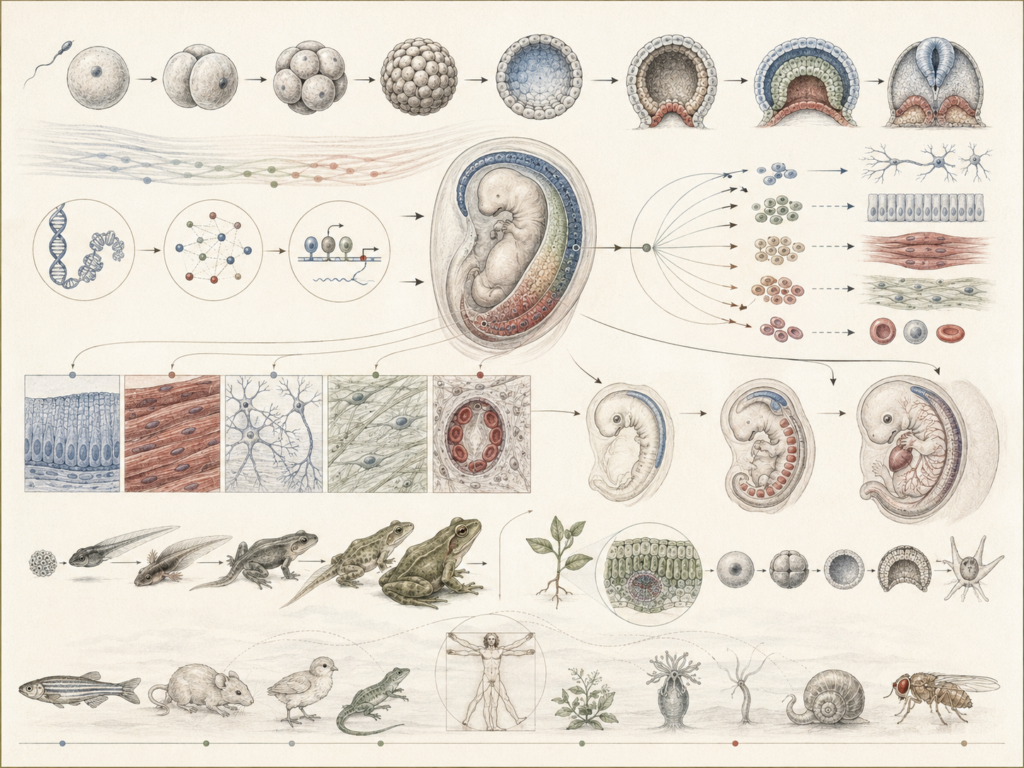
Development, Differentiation, and the Making of Organisms
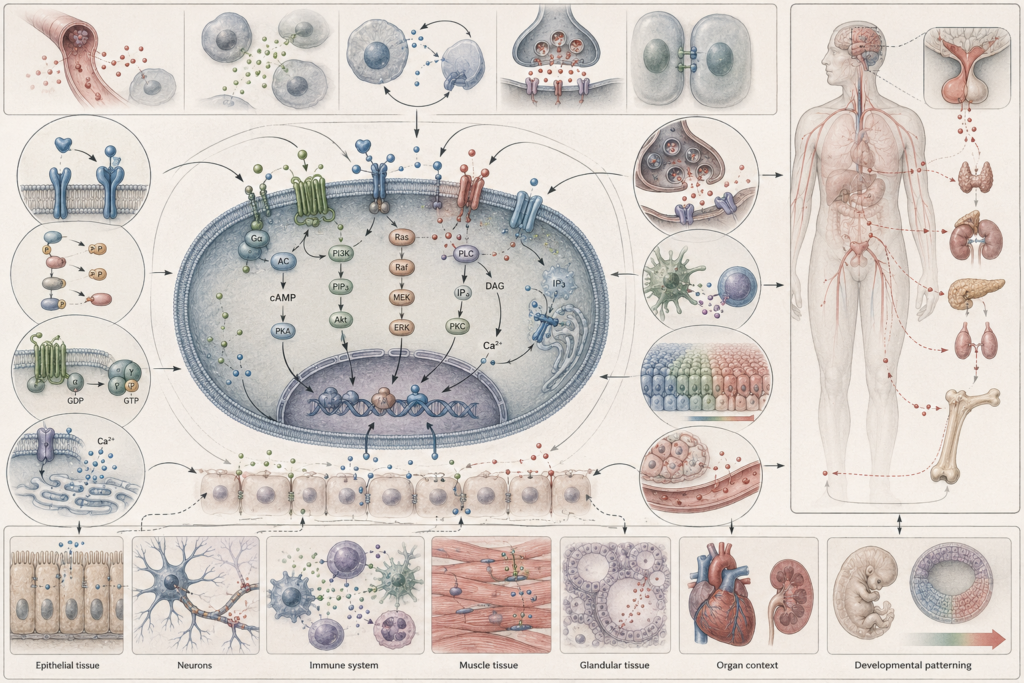
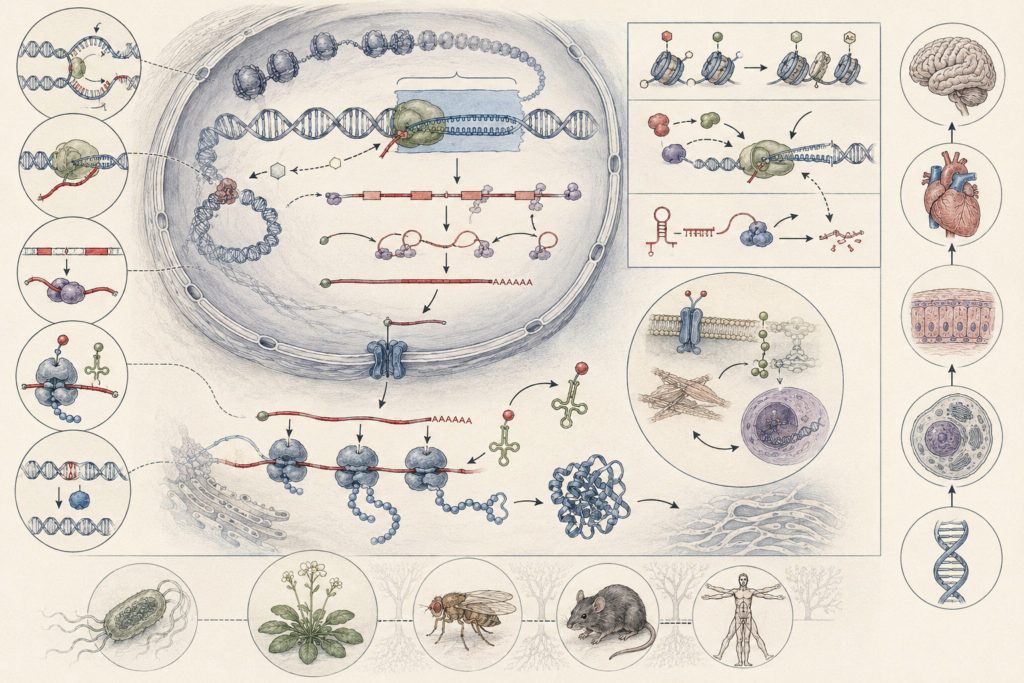
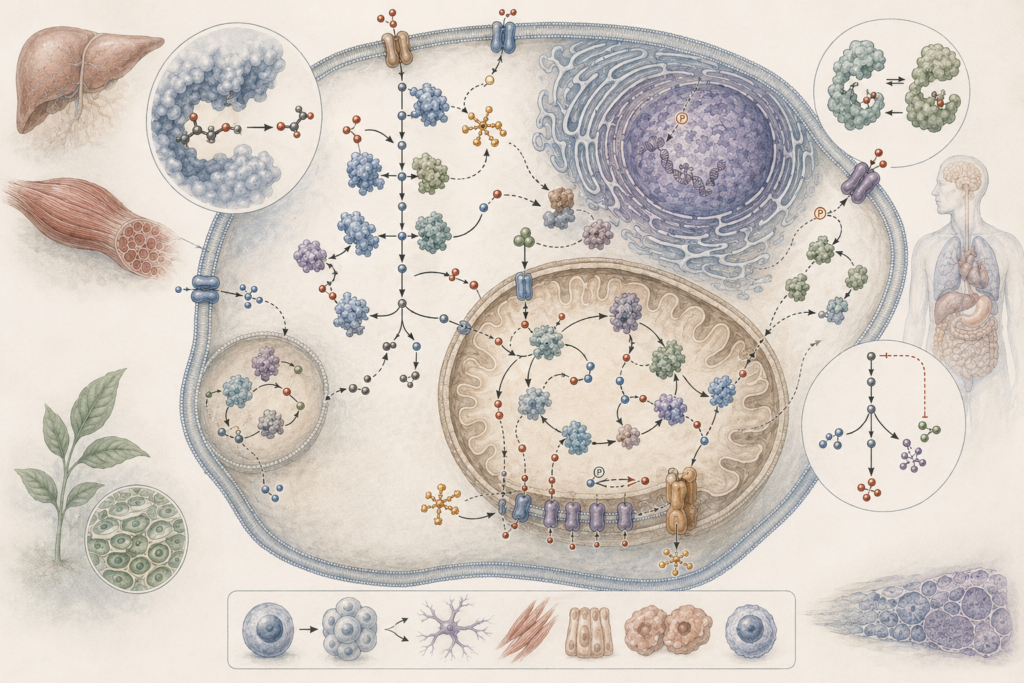
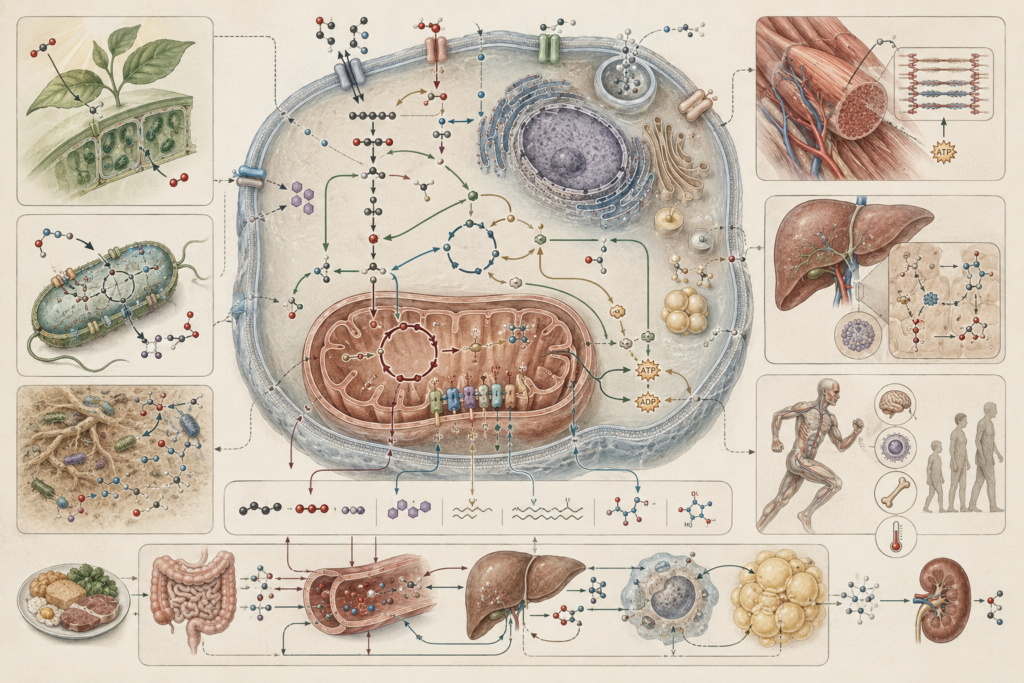
Development, differentiation, and the making of organisms examine how living systems progress from relatively simple beginnings to complex, organized, multi-scale forms through regulated processes of cell division, pattern formation, specification, morphogenesis, and functional specialization. Development is one of the central problems of biology because organisms are not merely assembled from preexisting miniature parts. They are produced through dynamic, highly coordinated processes in which cells divide, acquire distinct identities, communicate with one another, move through tissues, respond to positional information, and collectively generate organs, body plans, and life-history stages. This article explores the principles of developmental biology, including cell fate specification, differentiation, morphogenesis, pattern formation, and developmental regulation, while also showing how development connects cell biology, molecular biology, physiology, ecology, and evolution. It further extends the topic into quantitative and computational biology through growth models, differentiation dynamics, patterning logic, and R- and Python-based workflows, while connecting the subject to sustainability-adjacent fields such as ecology, conservation biology, restoration ecology, evolutionary biology, marine biology, freshwater biology, plant science, soil biology, microbiology, agroecology, forestry, disease ecology, and systems biology.