Why Storytelling Still Matters: Meaning, Memory, Ethics, and Public Life
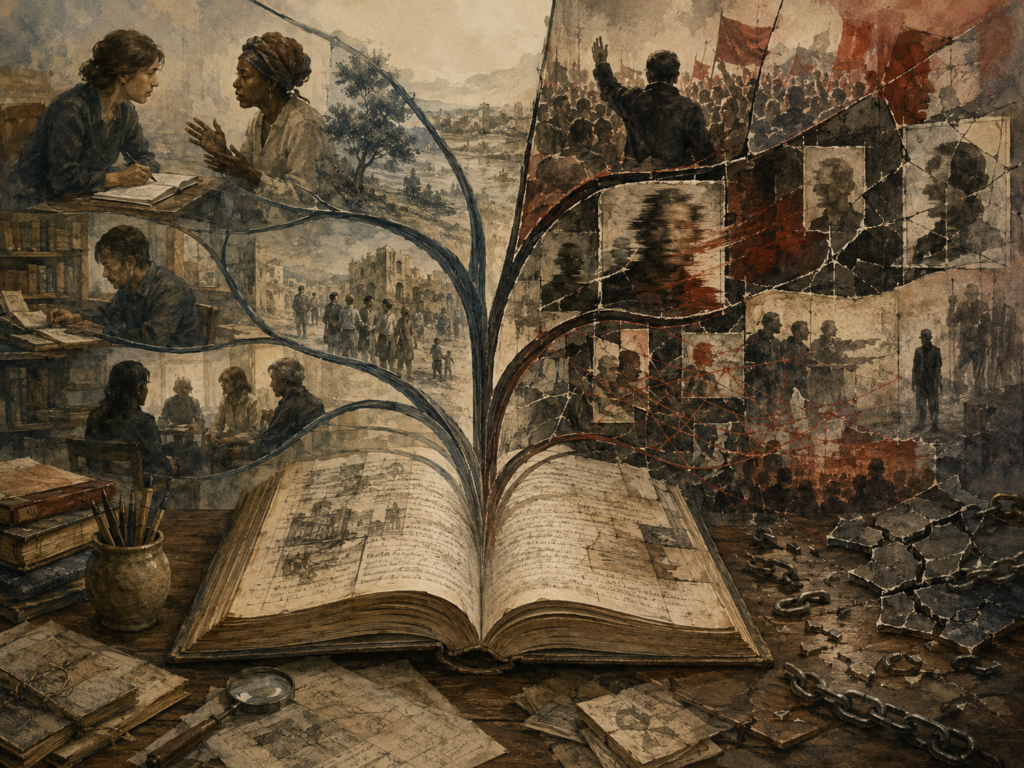
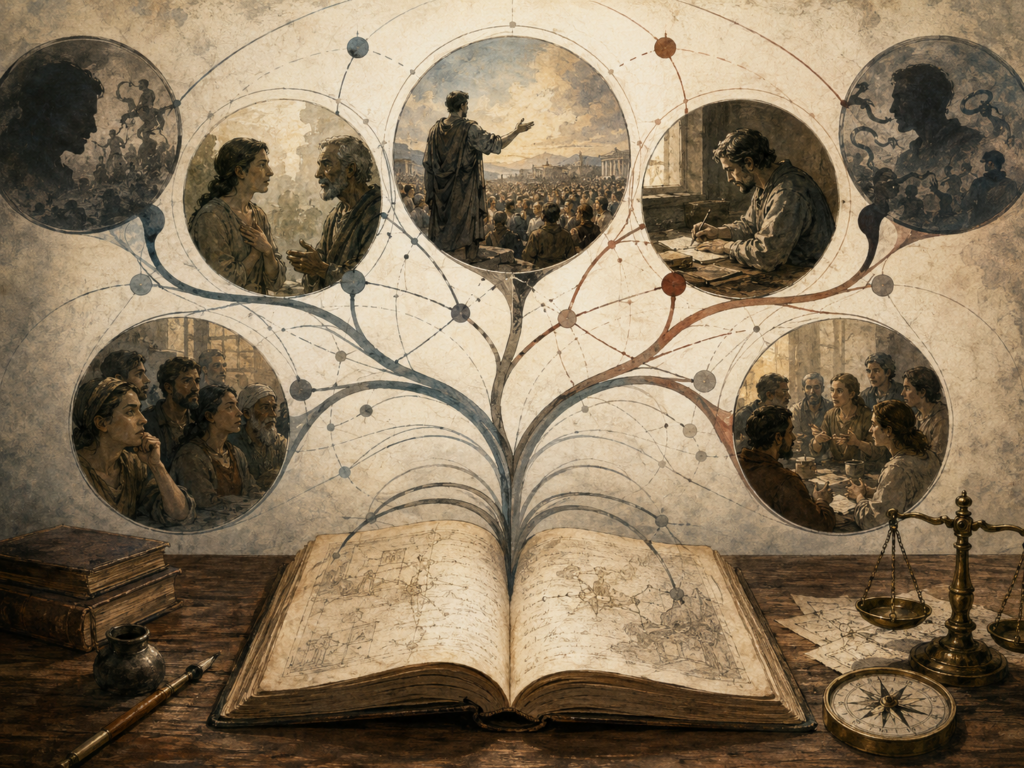
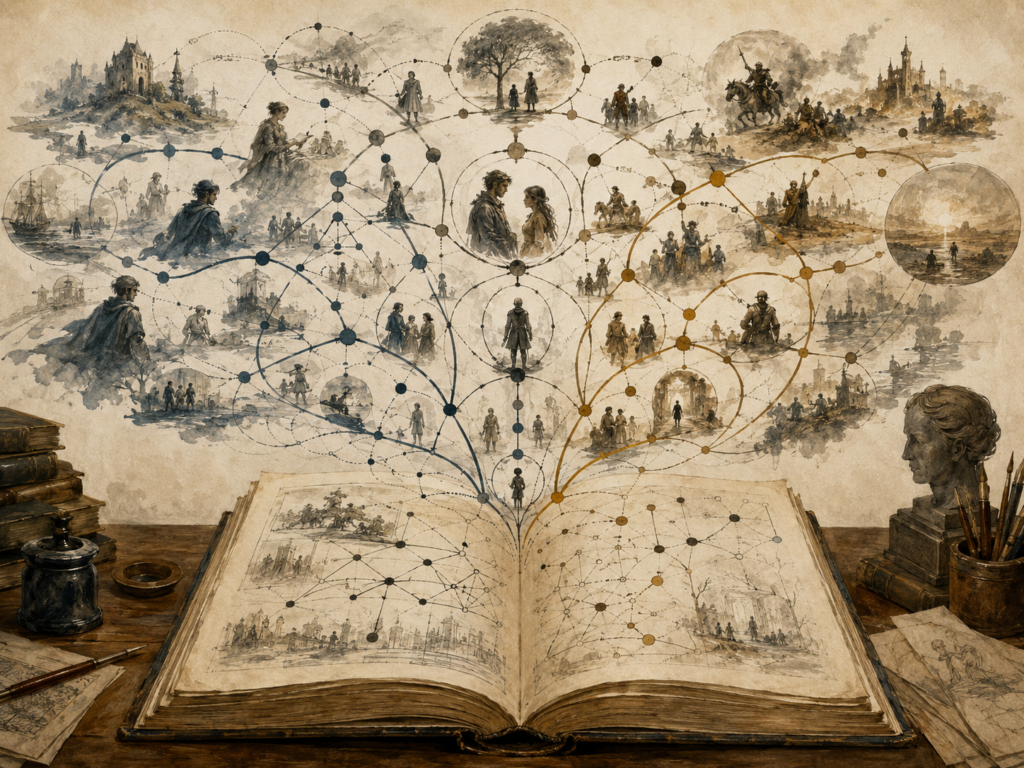
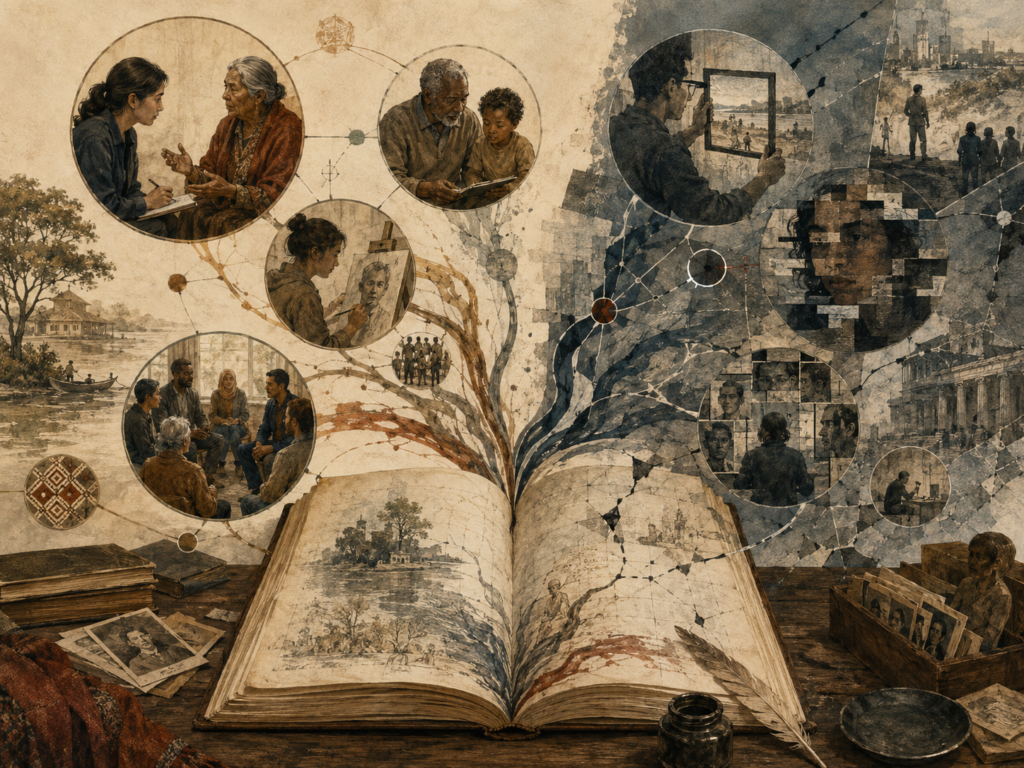
Why Storytelling Still Matters examines why narrative remains essential in an age of information overload, institutional distrust, platform acceleration, synthetic media, artificial intelligence, public fragmentation, and ethical uncertainty. This article argues that story is not a substitute for truth, evidence, or responsible judgment; it is one of the ways truth becomes intelligible, memorable, contestable, and accountable in human life. It explores story as sensemaking, memory, identity, culture, moral imagination, public reasoning, institutional accountability, education, science communication, systems explanation, digital media, AI storytelling, and narrative ethics. The article also warns against story worship, data worship, emotional shortcutting, context collapse, representation flattening, institutional self-mythology, platform optimization, synthetic authority, formula drift, and revision resistance. As the closing article in the Storytelling series, it argues that responsible storytelling should preserve truthfulness, dignity, consent, context, uncertainty, human judgment, and accountability across public life today.