Python for Chemistry, Simulation, and Laboratory Data
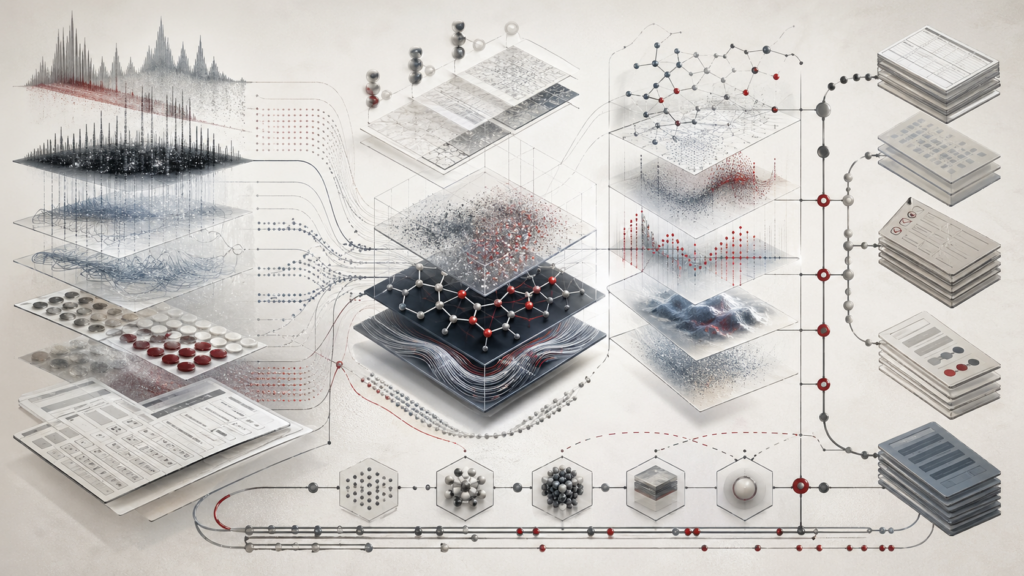
Python has become one of the central languages of modern chemical computation. It connects laboratory measurements, simulation workflows, data cleaning, numerical modeling, visualization, uncertainty analysis, notebooks, chemical informatics, instrument exports, and reproducible scientific reporting into one practical computational environment. This article introduces Python for chemistry, simulation, and laboratory data through arrays, tables, units, calibration, regression, kinetics, numerical integration, error propagation, visualization, instrument data, laboratory metadata, chemical simulation scaffolds, Jupyter notebooks, reproducible workflows, file organization, quality control, and responsible computational practice.