Behavioral Insights in Environmental Policy
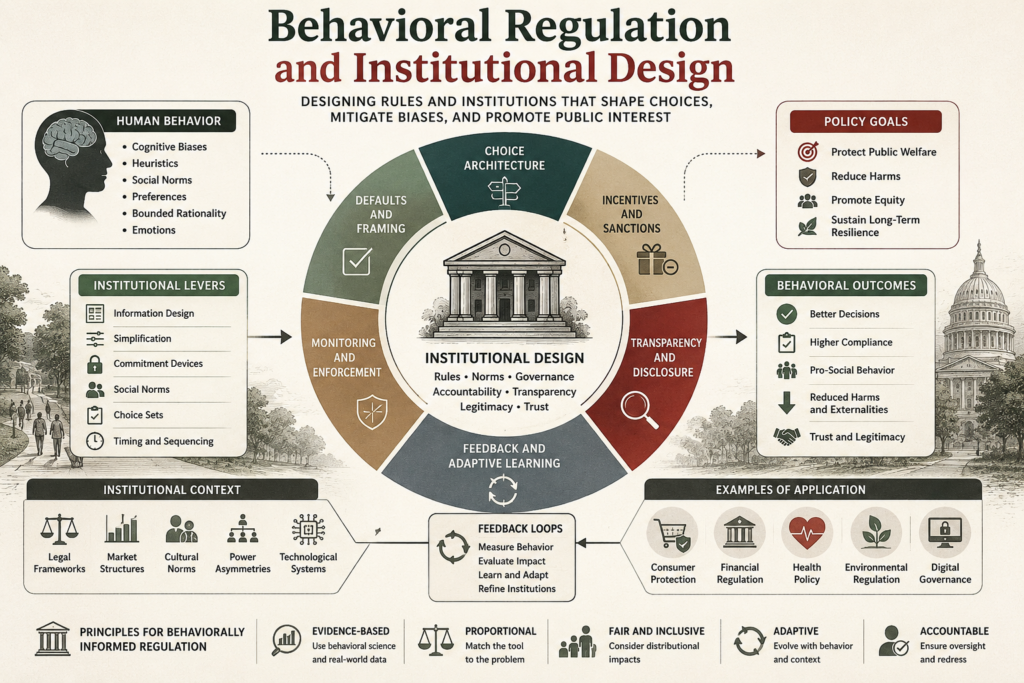
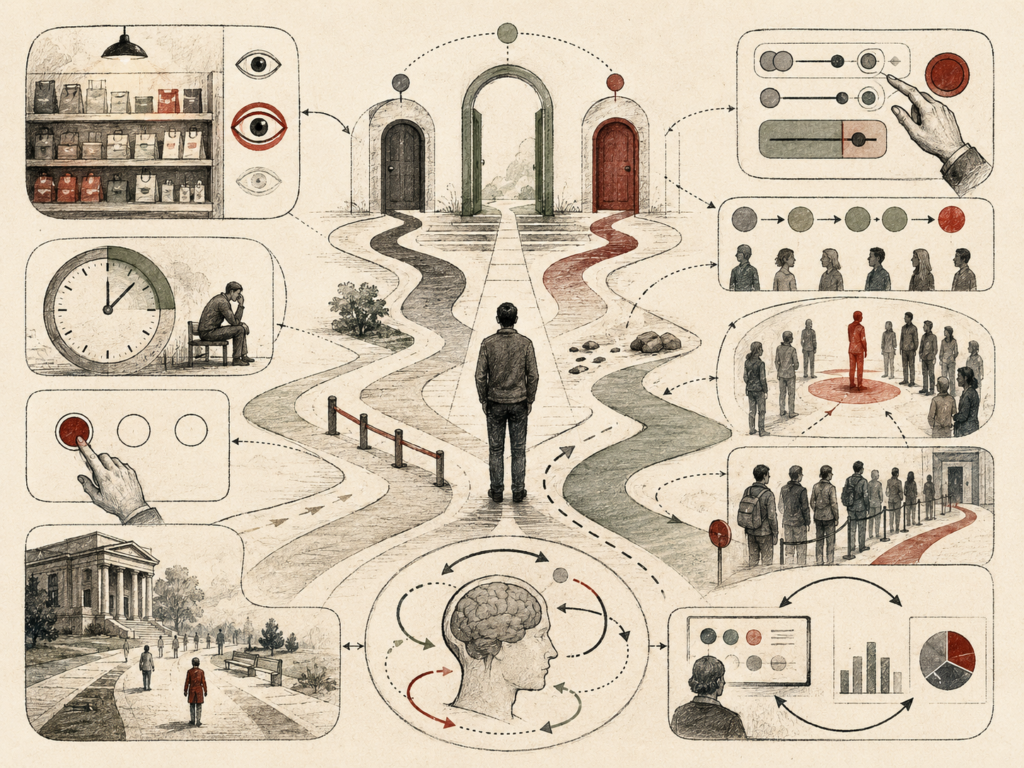
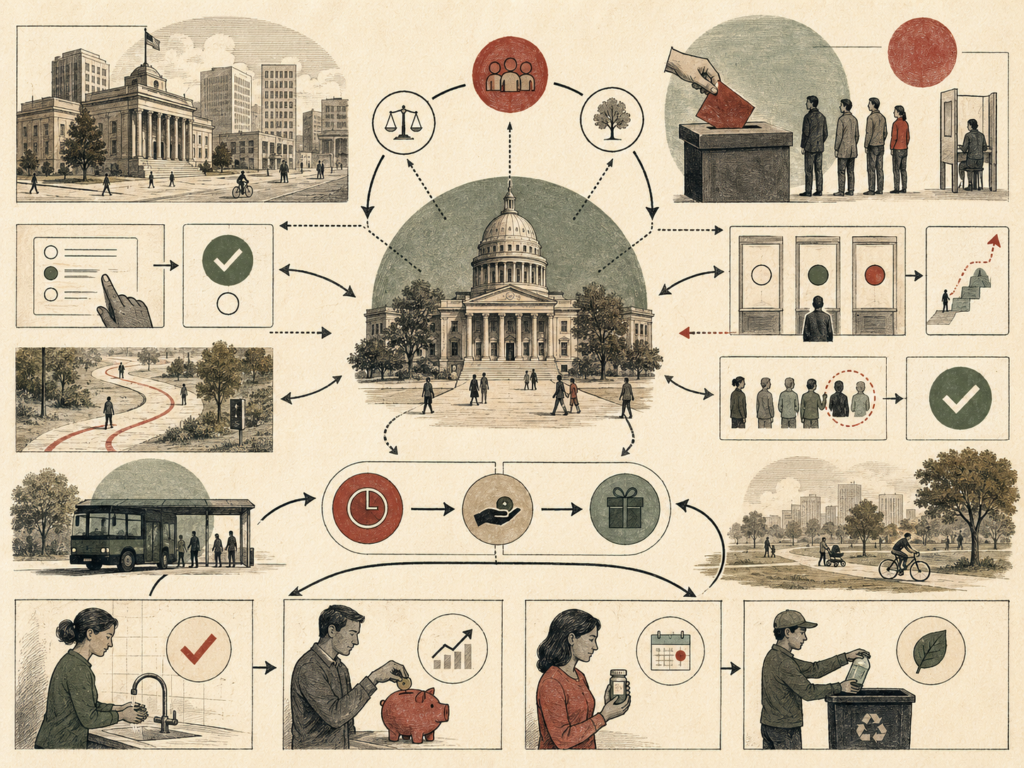
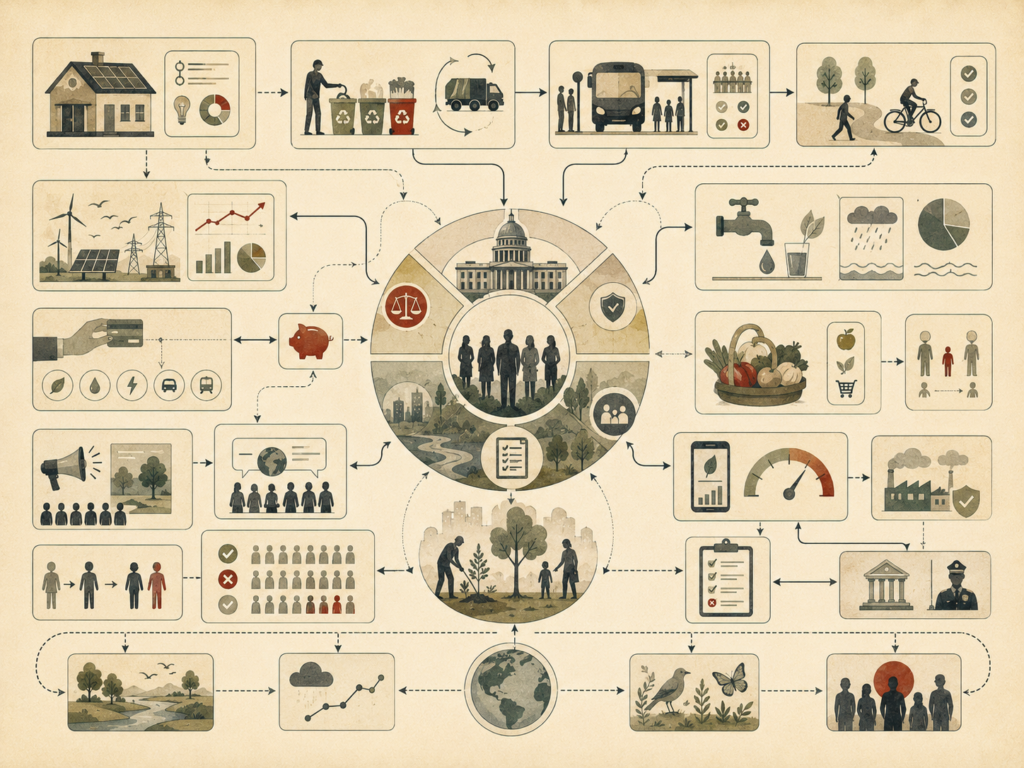
Behavioral insights in environmental policy examines how environmental governance can be designed around realistic models of attention, present bias, social norms, and bounded rationality rather than idealized assumptions of frictionless response. This article explores the attitude-behavior gap, energy conservation through social comparison, default effects in green choice architecture, climate-policy applications, collective action, and sustainable development. It also develops a formal analytical framework for environmentally relevant choice and includes substantial R and Python sections for modeling uptake under norms, defaults, friction, and present bias. The broader argument is that behavioral policy strengthens environmental governance not by replacing regulation or pricing, but by making policy more legible, actionable, and effective under real conditions of human decision-making.