Framework Design in Policy Research
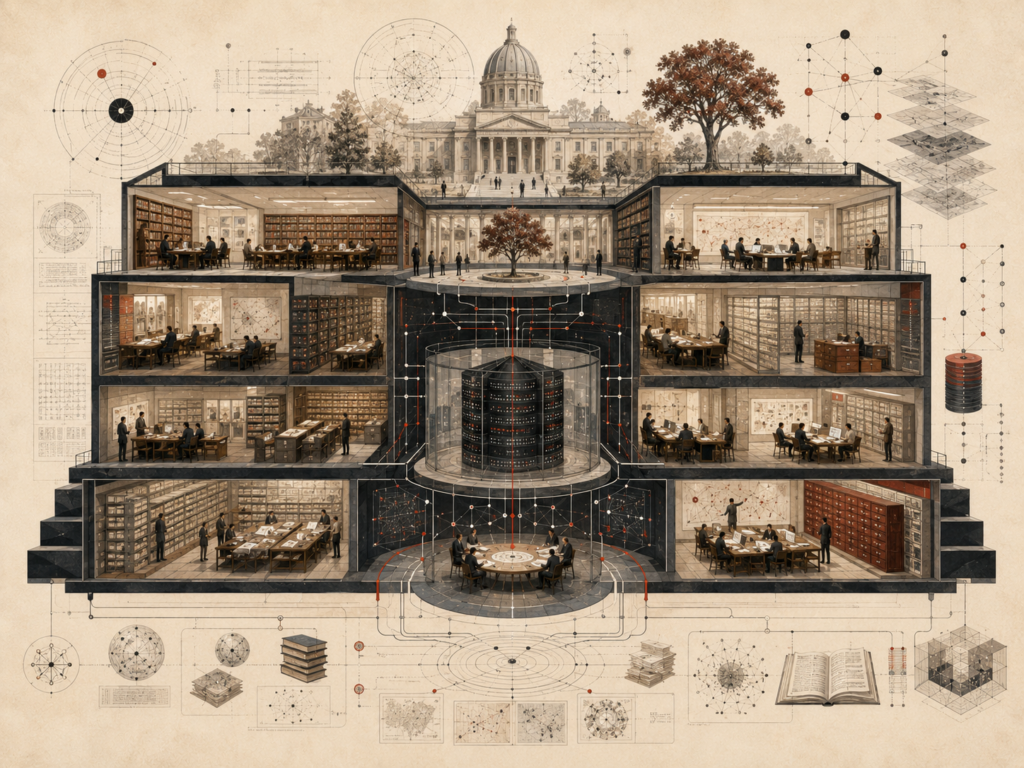
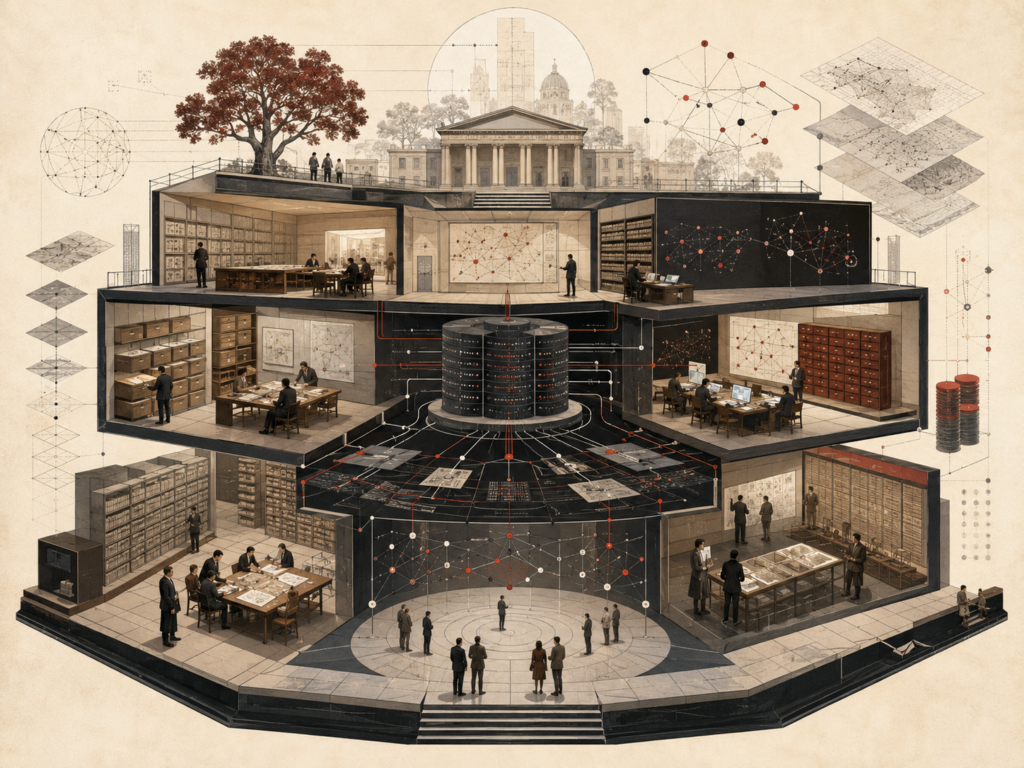
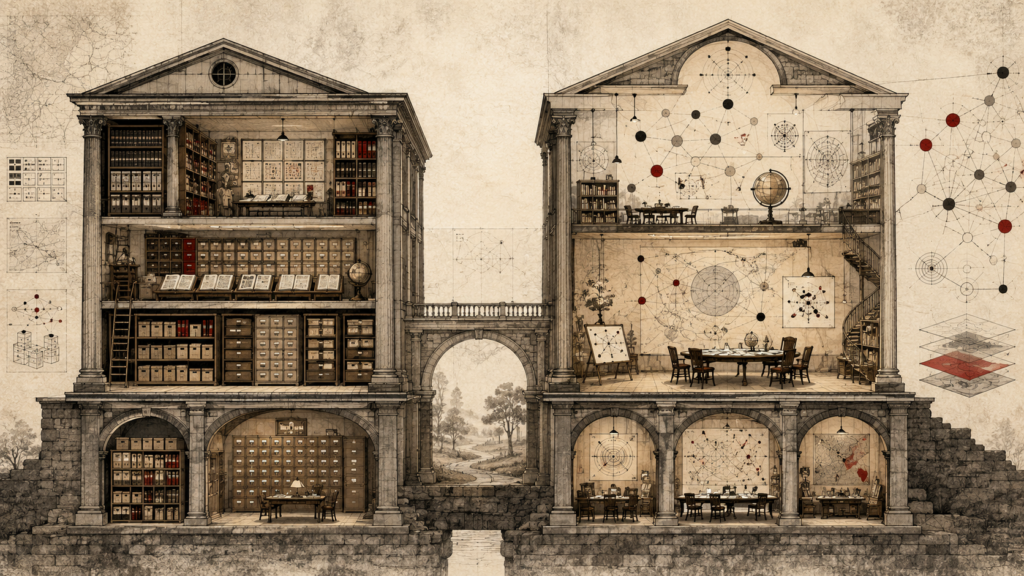
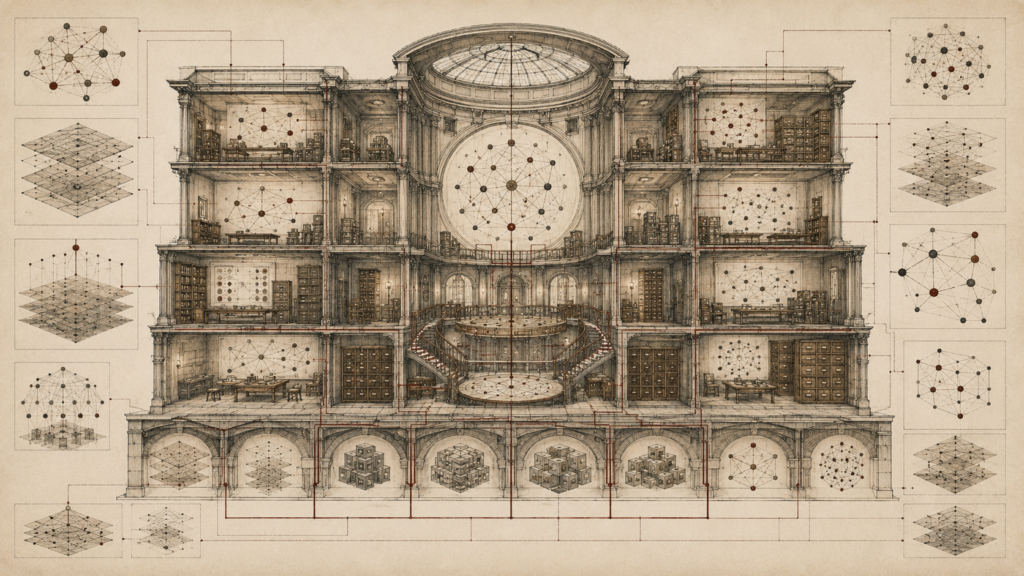
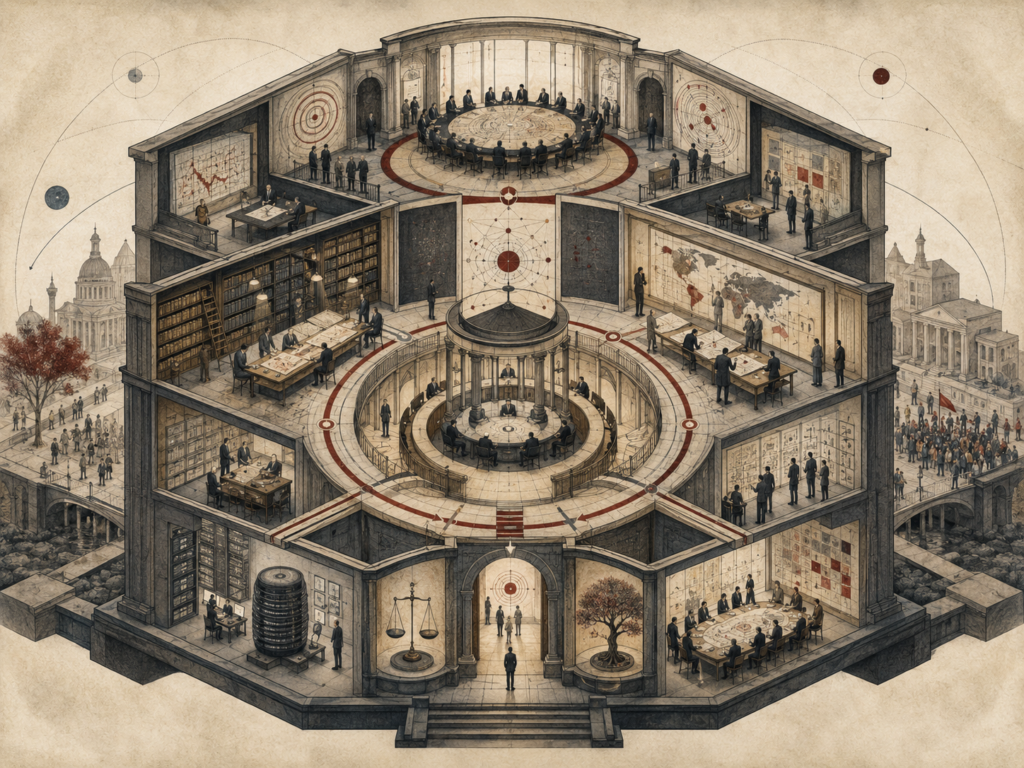
Framework design in policy research is the practice of building structured analytical models that help researchers, institutions, policymakers, and public audiences understand policy problems, compare options, trace evidence, anticipate trade-offs, evaluate outcomes, and revise decisions over time. This article explains why policy frameworks are more than diagrams, outlines, or category lists. They define problems, identify actors and institutions, clarify assumptions, connect evidence to judgment, organize uncertainty, and preserve the reasoning pathway from diagnosis to action. It examines problem framing, causal pathways, theory of change, evidence architecture, stakeholders, institutions, governance context, decision criteria, trade-offs, implementation, evaluation design, equity, power, public accountability, metadata, knowledge graphs, and AI-assisted policy research. Within knowledge architecture, policy frameworks make public reasoning visible, testable, revisable, and accountable.