Knowledge Graphs and Semantic Relationships
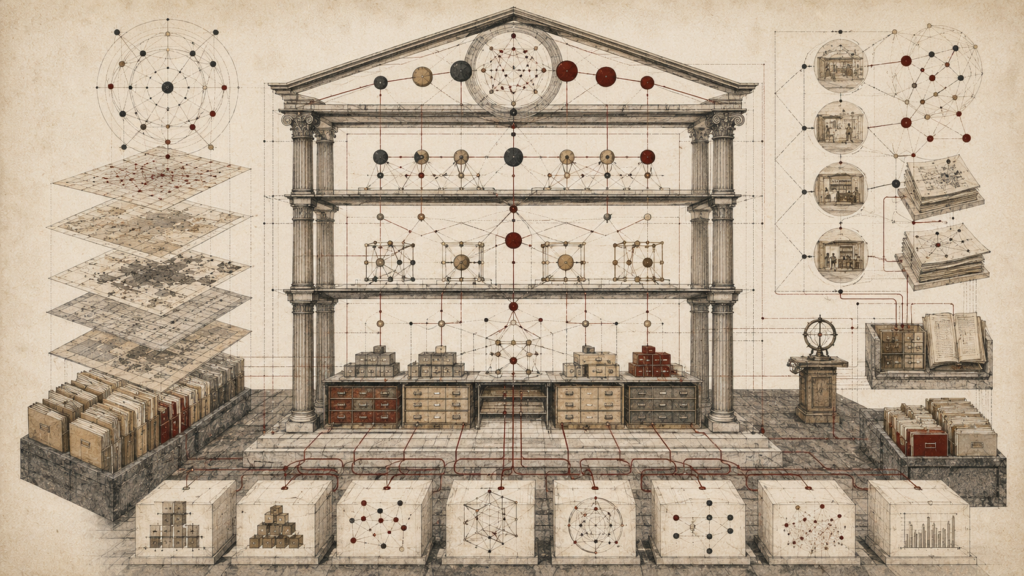
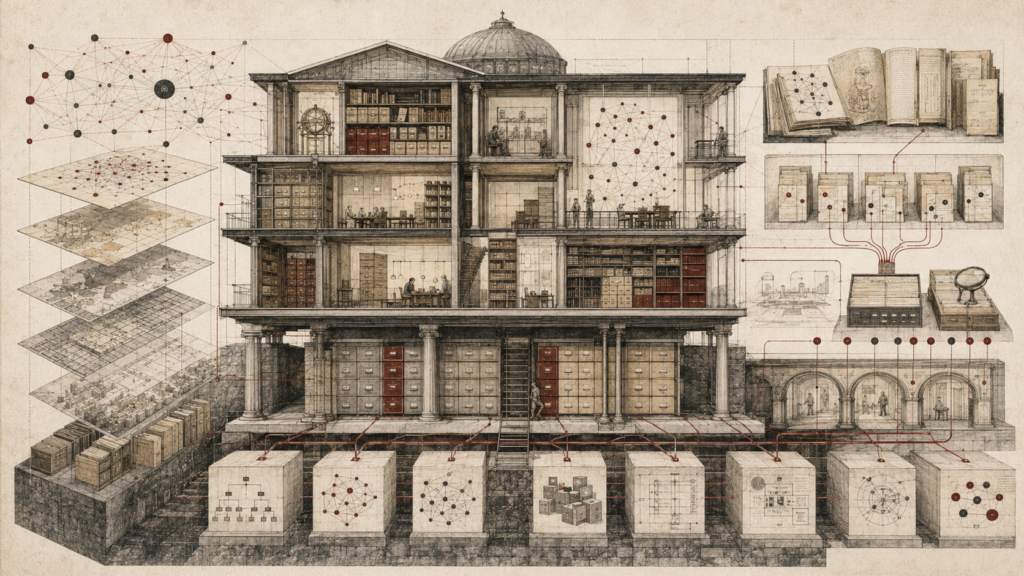
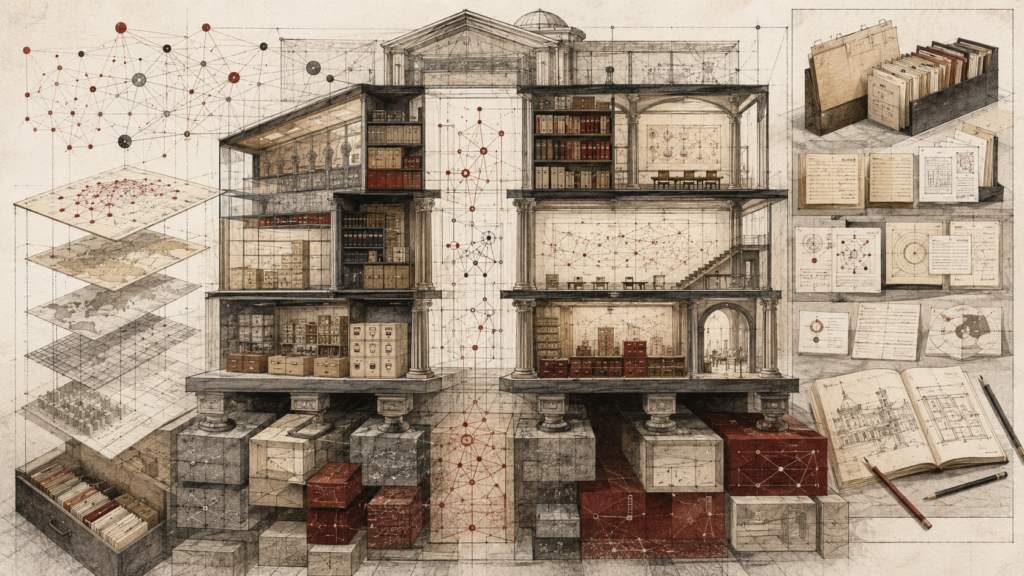
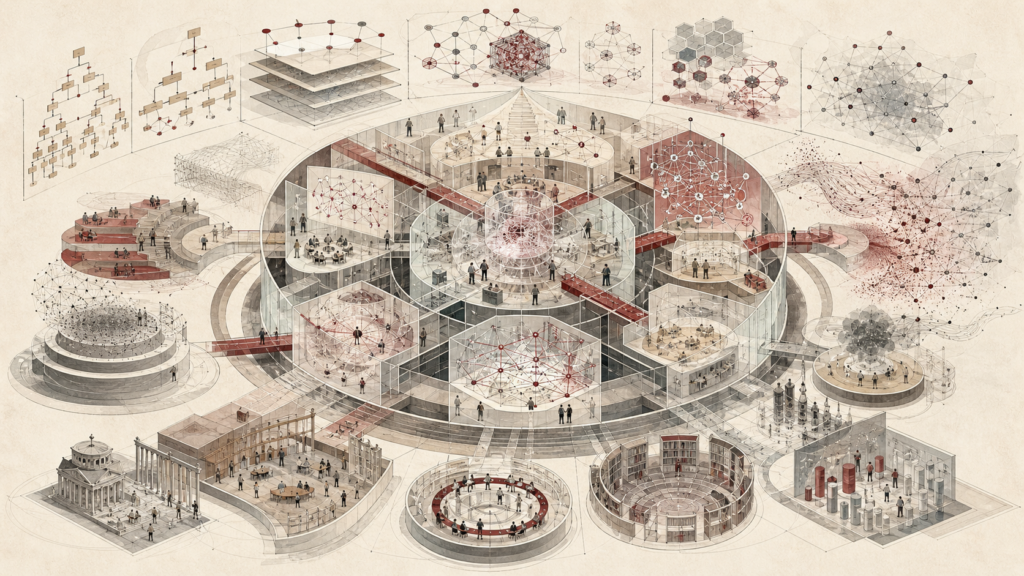
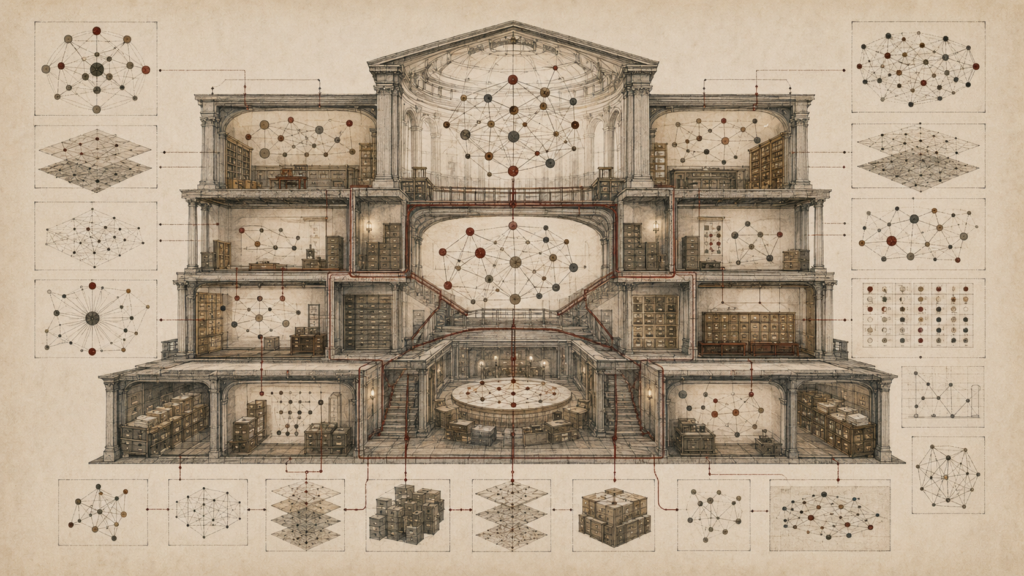
Knowledge graphs and semantic relationships make complex knowledge systems navigable by representing concepts, documents, datasets, methods, sources, institutions, and ideas as connected structures. This article explains knowledge graphs as more than visual networks: they are structured representations of meaning in which nodes identify knowledge objects, edges define relationships, and metadata preserves context, provenance, and interpretation. It examines semantic relationships, RDF-style triples, graph nodes and edges, relationship types, evidence traceability, provenance, graph governance, AI-assisted retrieval, research platforms, taxonomies, ontologies, and computational graph diagnostics. Within knowledge architecture, knowledge graphs help move beyond flat classification and isolated documents toward queryable, inspectable, and extensible networks of meaning. The article frames knowledge graphs as intellectual infrastructure for supporting article maps, repositories, digital libraries, semantic search, interdisciplinary synthesis, responsible AI systems, and long-term coherence across growing knowledge environments and institutional research platforms over time.