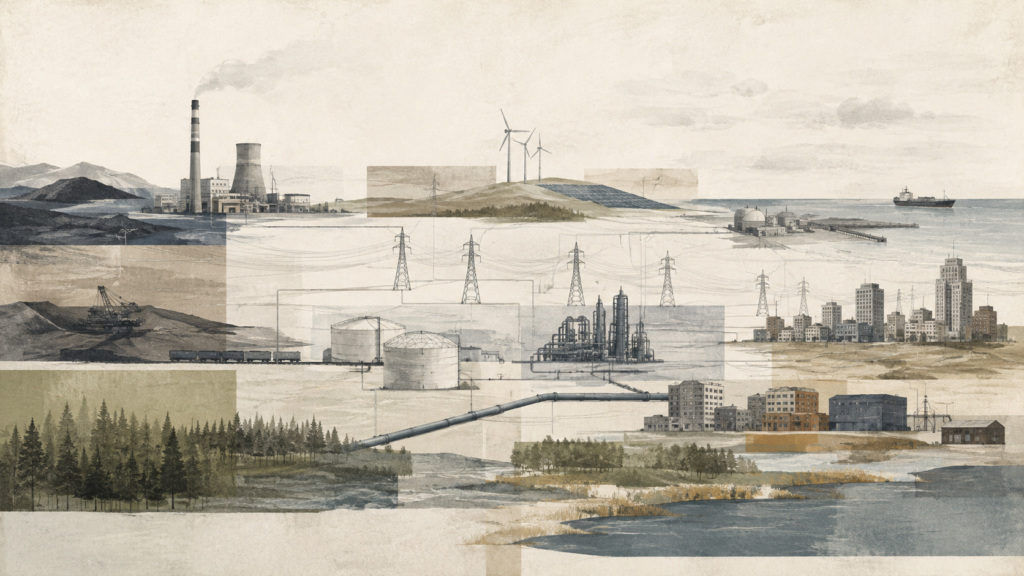
What Are Energy Systems? Infrastructure, Energy Flows, and Society
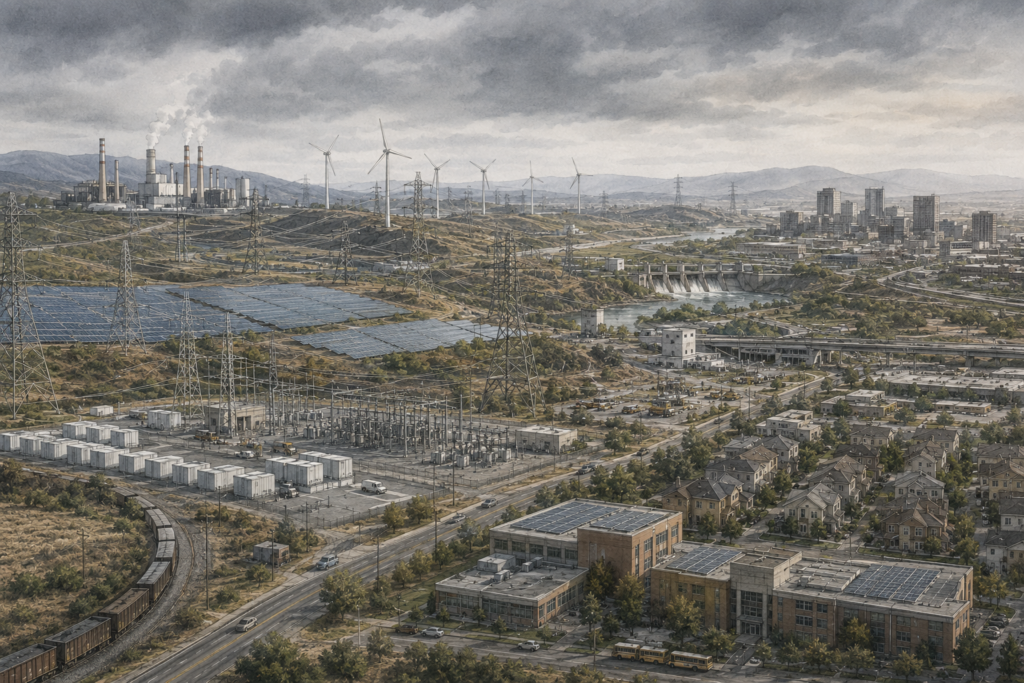
Energy systems connect resources, infrastructure, technologies, institutions, markets, ecosystems, and people through the production, conversion, movement, storage, and use of energy. This article introduces energy systems as more than collections of power plants, fuels, grids, and devices. It explains how physical flows interact with policy, finance, governance, public health, environmental limits, social demand, and questions of justice. Readers are introduced to system boundaries, primary and final energy, conversion losses, infrastructure networks, storage, reliability, resilience, emissions, affordability, and public value. The article also shows why energy decisions create trade-offs across time, geography, communities, and sectors. By examining technical and institutional relationships together, it provides a foundation for understanding electricity grids, fuels, storage, markets, decarbonization, energy security, and long-term transition. The goal is to help readers analyze how energy systems behave, whom they serve, where they fail, and how they can change.