Climate Economics, Transition Policy, and Decarbonization
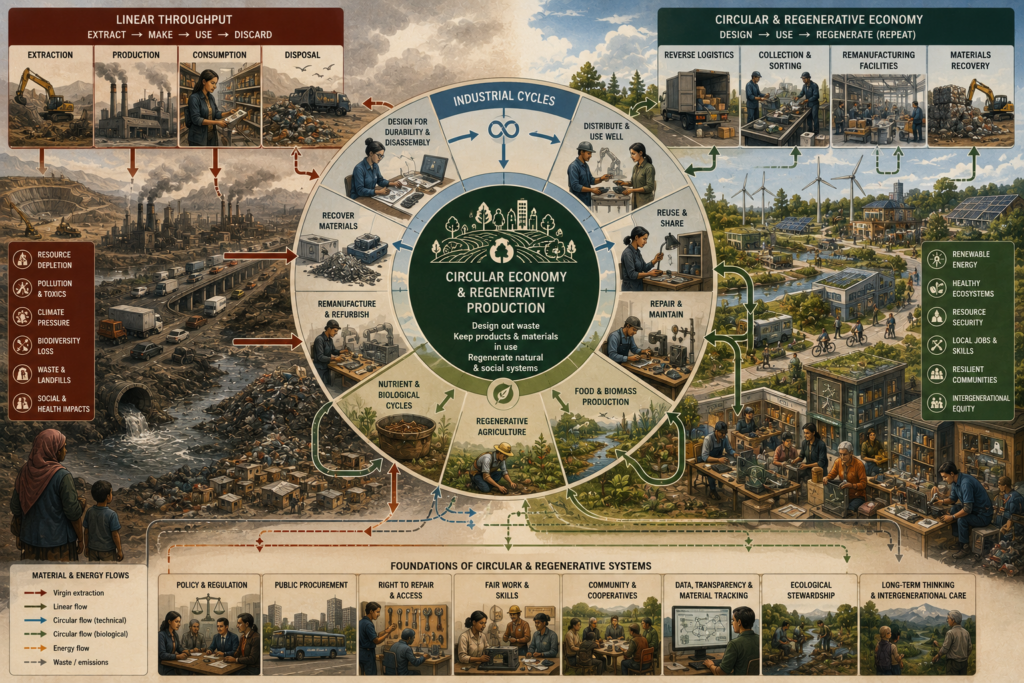
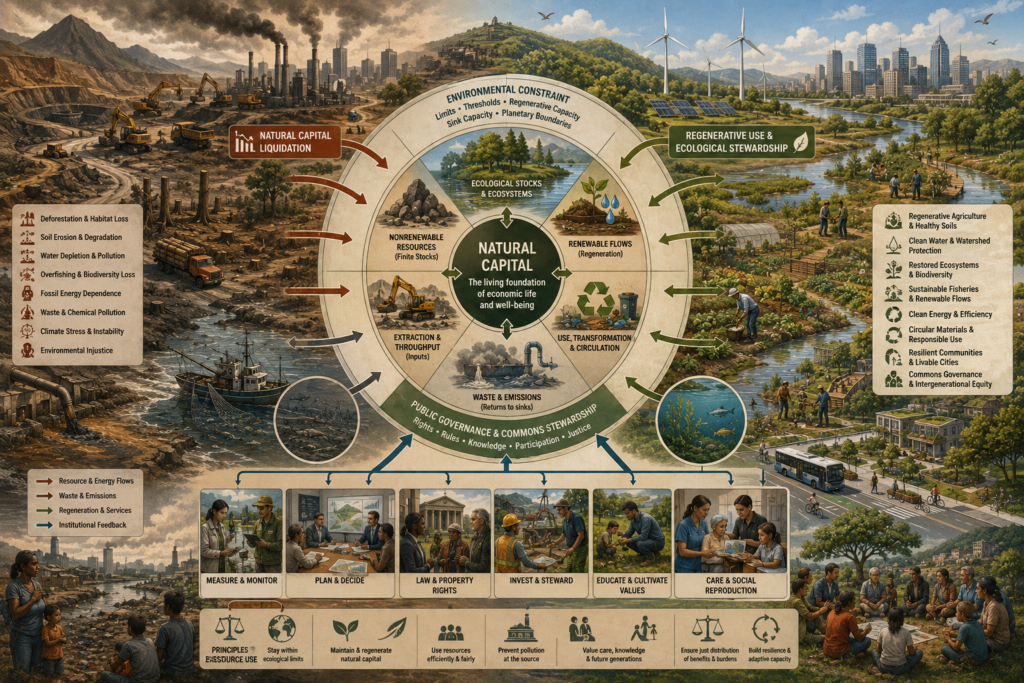
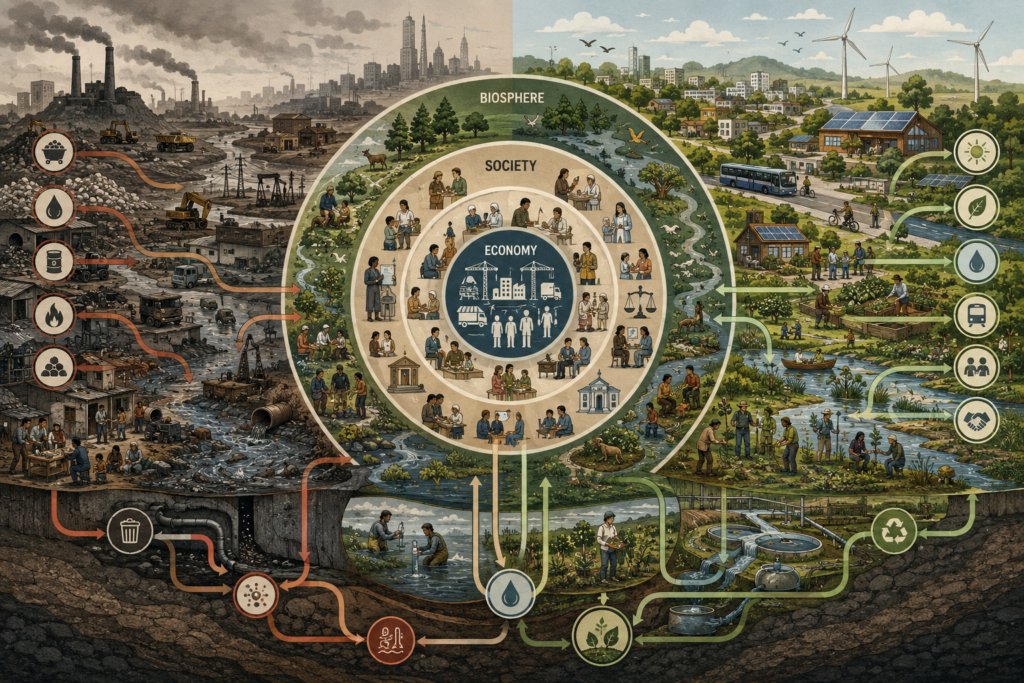
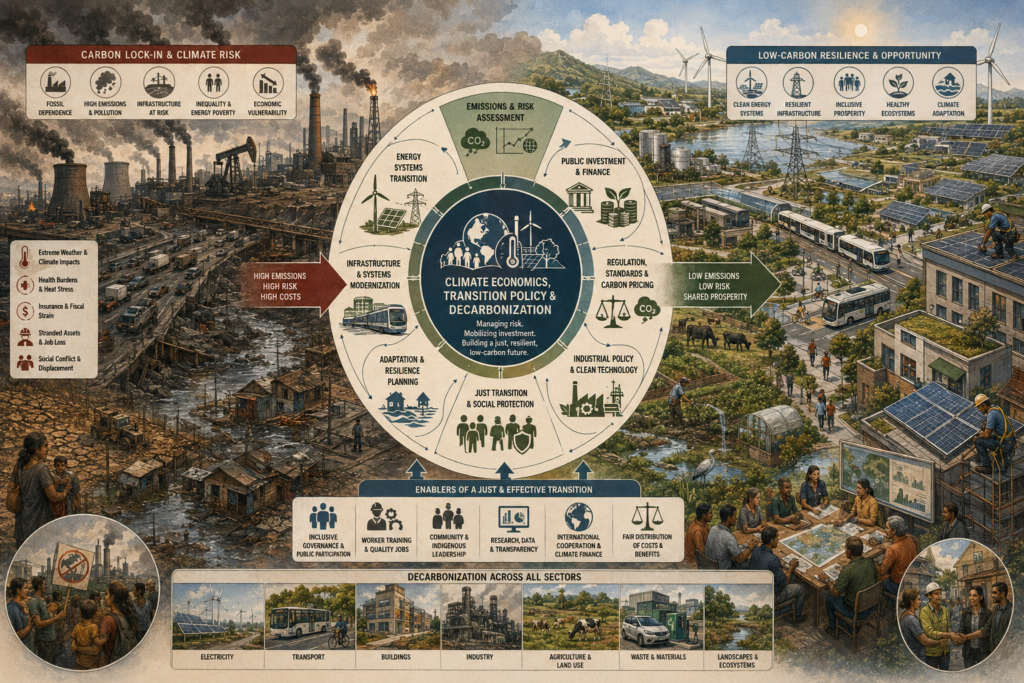
Climate economics, transition policy, and decarbonization are central to contemporary political economy because they address how societies reduce greenhouse gas emissions, reorganize energy and production systems, and manage the social, industrial, fiscal, and territorial consequences of that transformation. This article examines climate economics as the study of how emissions, climate damages, energy systems, investment, and public policy interact within economic life; transition policy as the institutional strategies used to move from fossil-fuel dependence toward lower-carbon systems; and decarbonization as the reduction of carbon emissions across electricity, transport, buildings, industry, agriculture, and infrastructure. It explores climate risk, carbon lock-in, pricing and regulation, public investment, industrial policy, hard-to-abate sectors, land use, finance, adaptation, just transition, and global inequality in climate governance.