
Sustainable Systems

Sustainable systems examine how social, economic, and environmental processes can be organized to support long-term stability and human well-being. Rather than treating environmental protection, economic development, and social equity as separate challenges, sustainable systems research emphasizes their deep interdependence.

The field integrates insights from sustainability science, systems theory, ecological economics, and public policy. Researchers analyze how resource use, technological development, governance structures, and social behavior interact within complex systems.

Designing sustainable systems requires understanding feedback loops, institutional incentives, and long-term environmental constraints. Effective systems must balance efficiency with resilience, innovation with stewardship, and economic opportunity with ecological limits.

By integrating interdisciplinary knowledge, sustainable systems approaches aim to create development pathways that maintain ecological integrity while supporting inclusive and resilient societies.

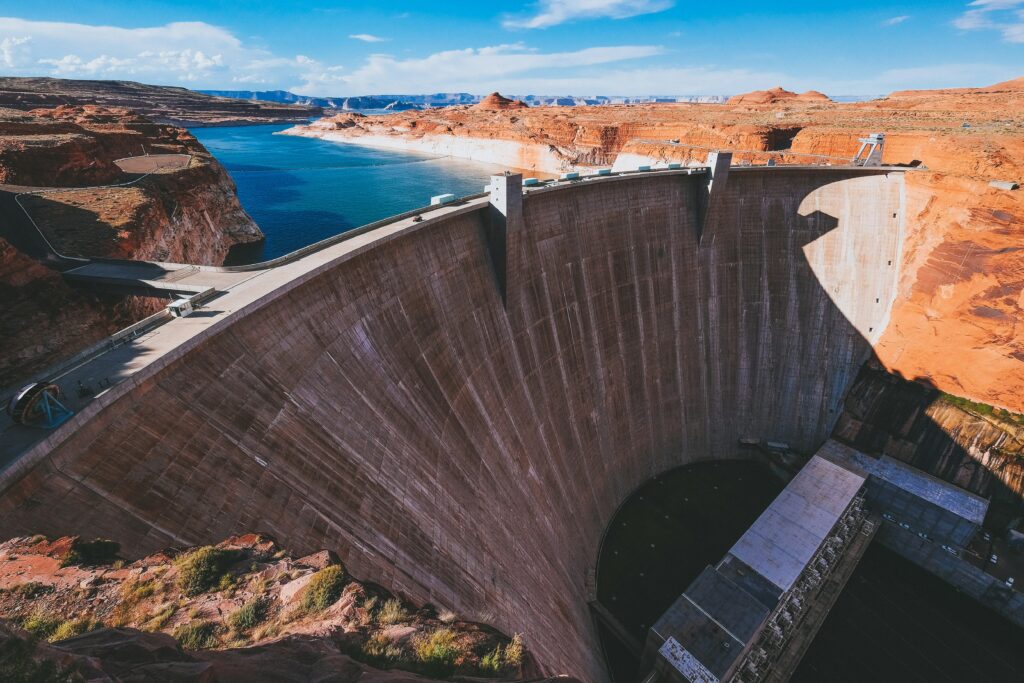
Freshwater river landscape illustrating hydrological limits and freshwater constraints on sustainable development.

Hydrological Limits: Why Freshwater May Be the Defining Constraint of Development

Hydrological limits reveal that freshwater is not an endlessly renewable resource but a living Earth-system process governed by ecological thresholds. Rivers, aquifers, wetlands, soils, and atmospheric water flows can renew only when withdrawals, land use, pollution, and infrastructure demands remain within the regenerative capacity of watersheds. Connected to the planetary-boundaries framework, freshwater change becomes more than a local scarcity issue; it becomes a question of food security, energy reliability, ecological resilience, economic stability, and public accountability. This article examines blue water, green water, basin governance, water-balance reasoning, climate variability, and the unequal burdens of scarcity. It argues that durable development depends not on ignoring hydrological limits, but on designing institutions, infrastructure, and economic systems capable of respecting them before depletion becomes crisis.
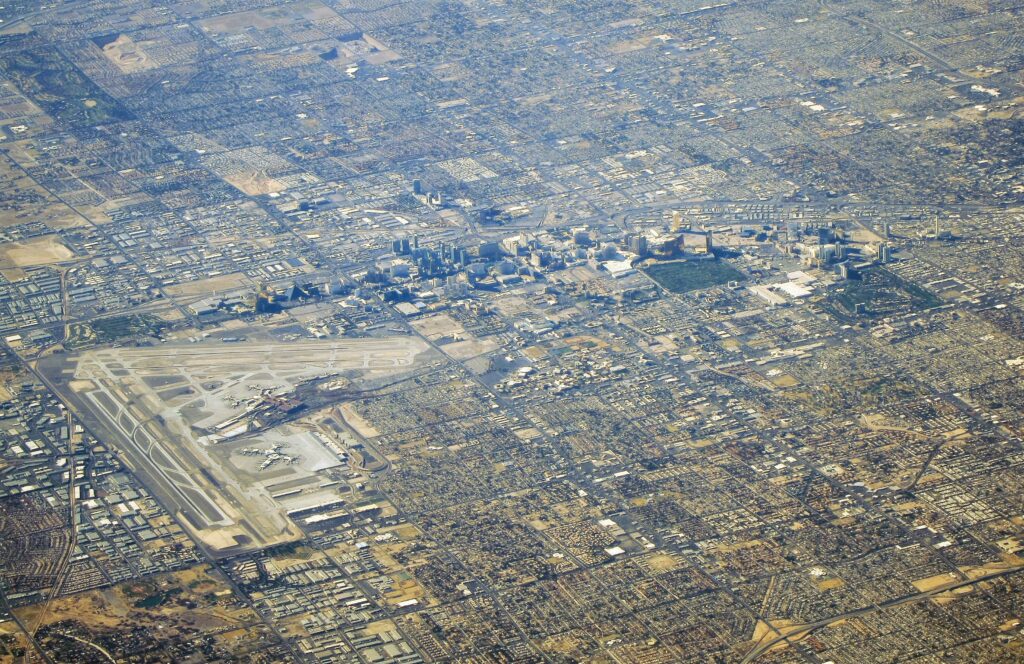
Beyond GDP and economic growth vs development — city skyline representing economic output without measuring social wellbeing

Beyond GDP Development: Measuring Prosperity as a Systems Outcome

Beyond GDP Development: Measuring Prosperity as a Systems Outcome argues that economic output is too narrow to serve as a full measure of development because societies do not prosper through production alone, but through the interaction of human capability, institutional quality, distribution, and ecological stability. The article reframes the beyond GDP debate by showing that GDP remains useful as an indicator of economic activity, yet becomes misleading when it is treated as a proxy for overall wellbeing or long-run progress. It explores the limits of GDP, the capabilities approach and human-development tradition, the role of institutions and inequality, and the need for a broader measurement architecture that captures whether growth is actually strengthening the systems that make prosperity durable. Its central claim is that development should be measured not as output alone, but as a systems outcome.

Scroll to Top