Behavioral Economics: How Psychology Shapes Economic Decision-Making
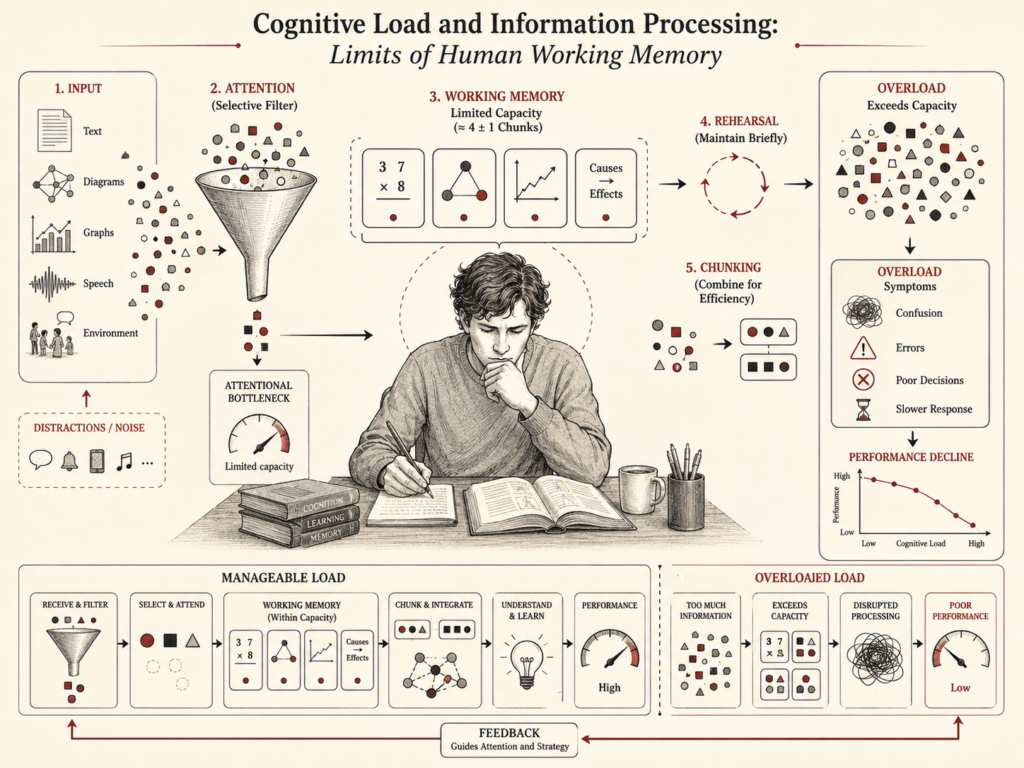
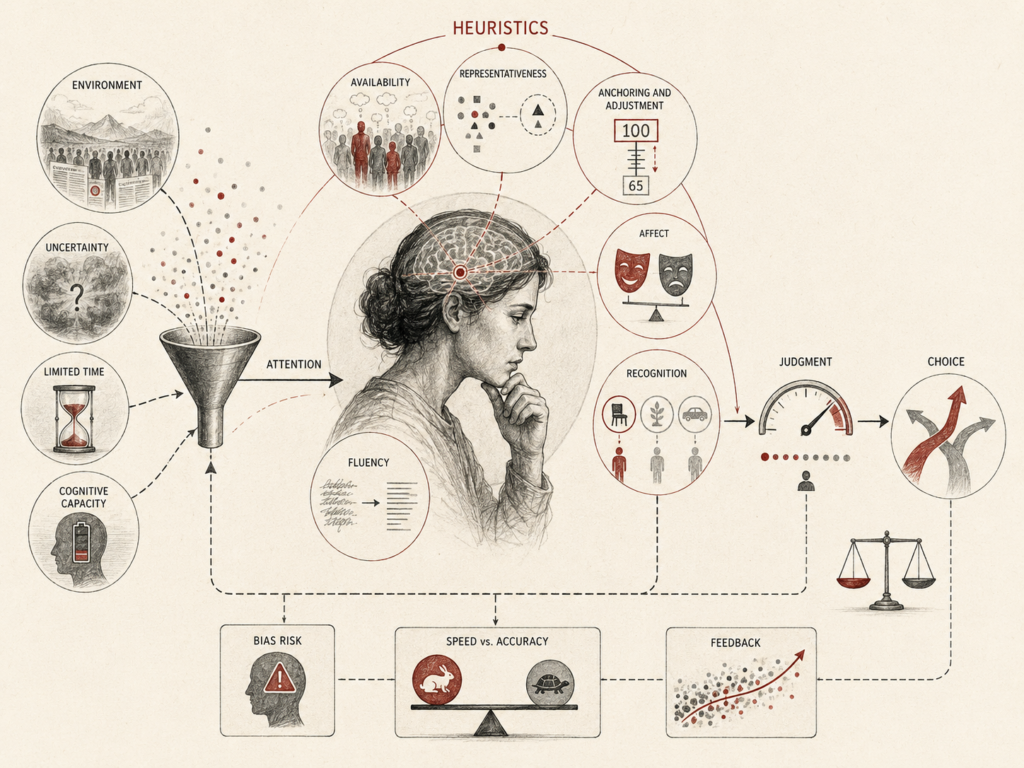
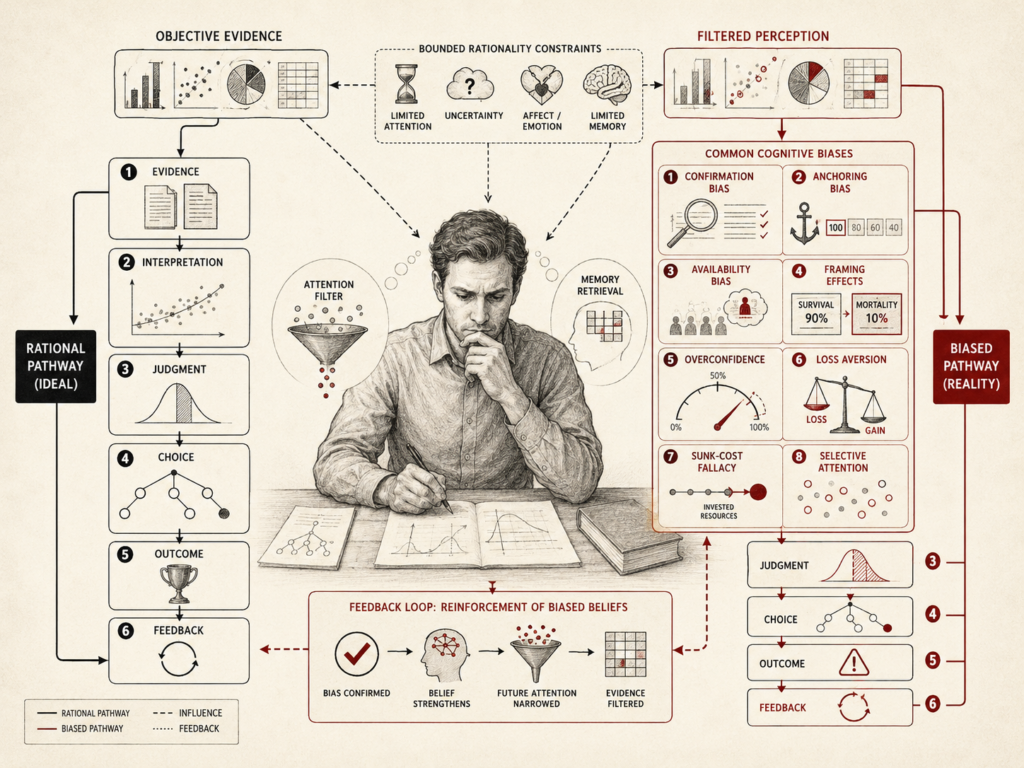
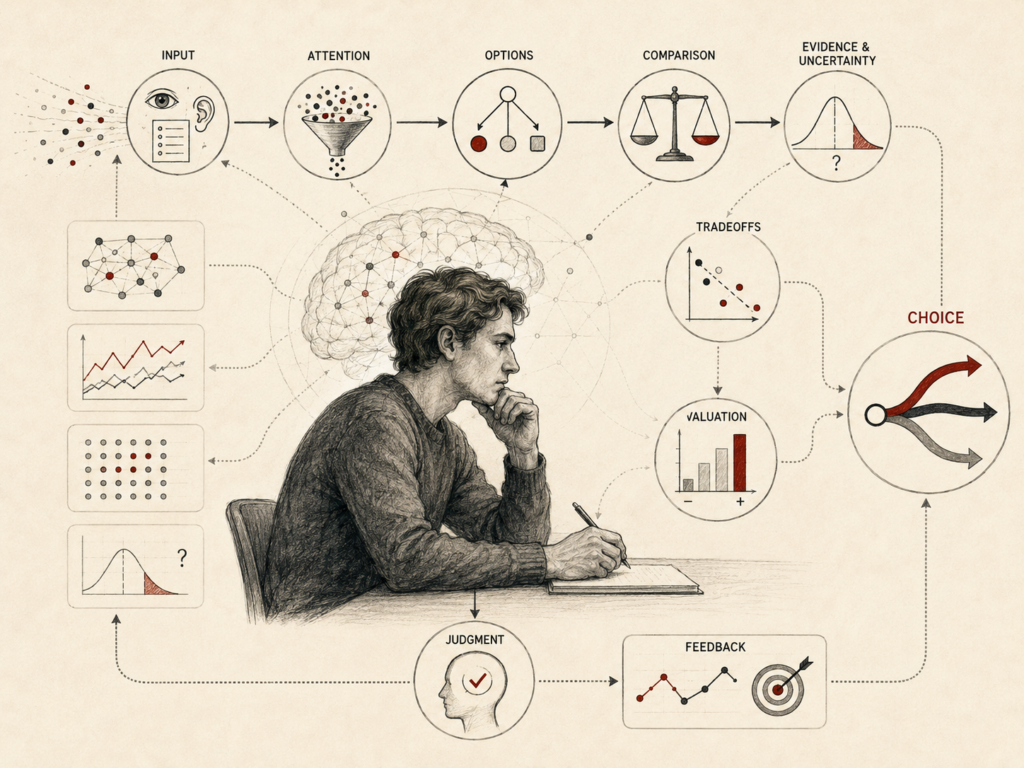
Behavioral economics studies how psychological processes shape economic decision-making under risk, incentives, and uncertainty, explaining why real human behavior often departs from the assumptions of perfect rationality. This article introduces the field as an interdisciplinary framework linking psychology, economics, decision science, and institutional analysis, while tracing its intellectual emergence through bounded rationality, prospect theory, heuristics, loss aversion, choice architecture, behavioral finance, and social preferences. It also maps the full article series across decision theory, bias, intertemporal choice, finance, policy, digital systems, and sustainability, and develops a formal analytical framework with substantial R and Python sections using fully commented code. The broader argument is that behavioral economics is not simply a critique of classical theory, but a more realistic account of how incentives, cognition, context, and institutions combine to shape actual economic behavior.