Conjecture, Creativity, and Mathematical Discovery
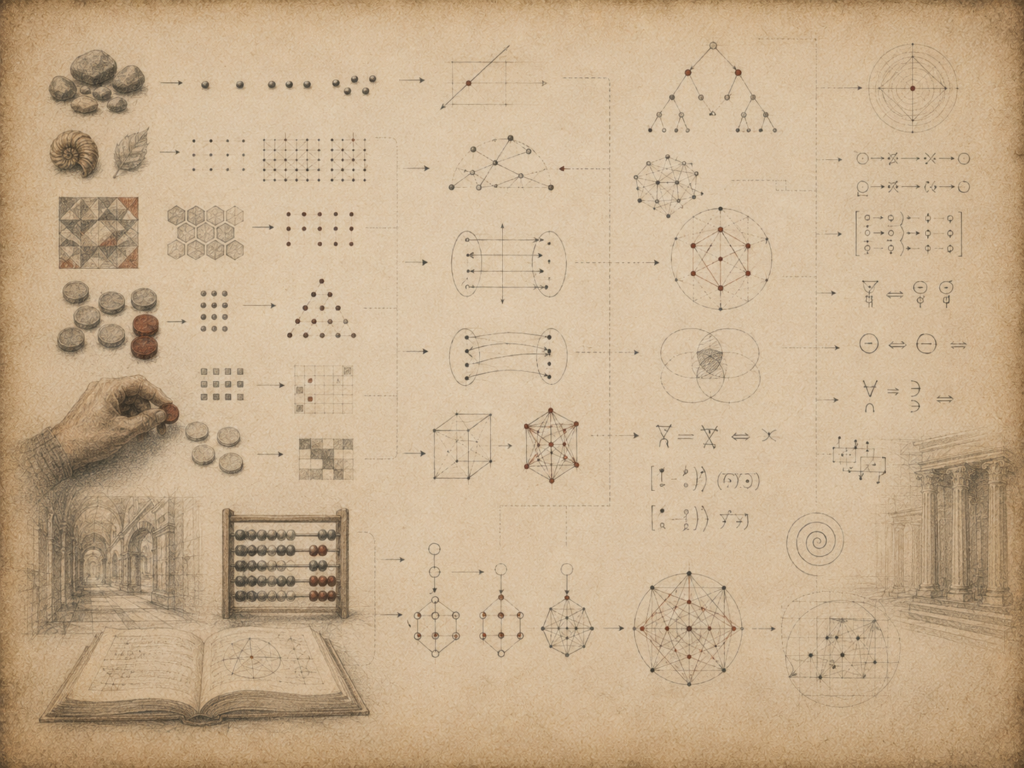
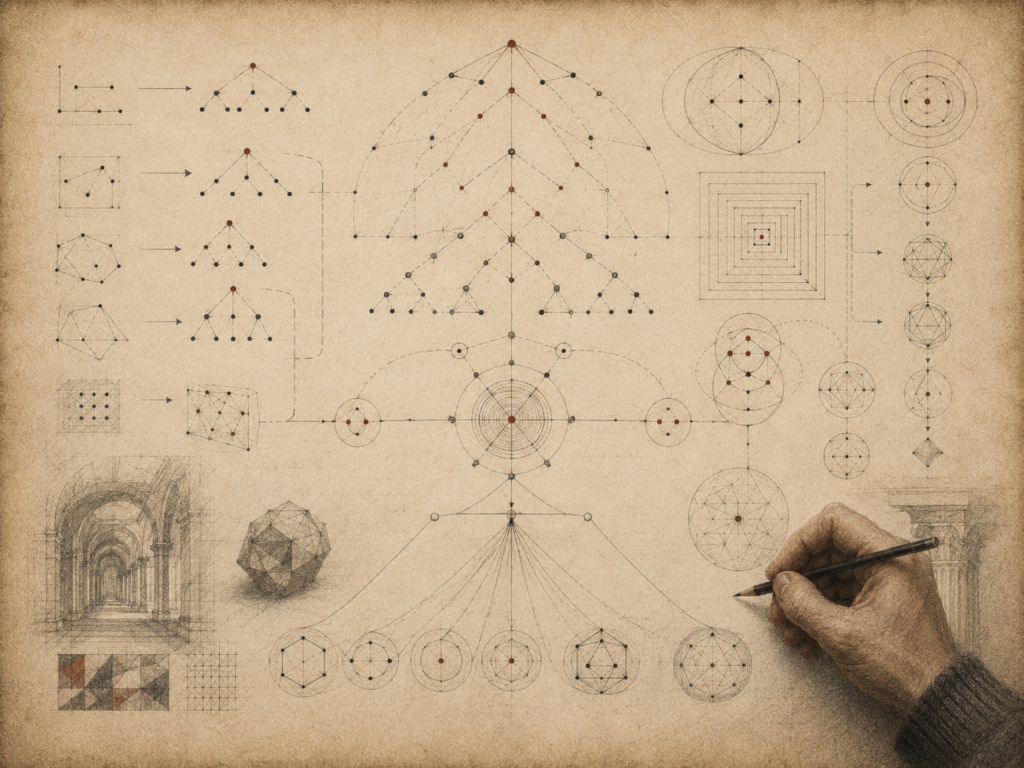
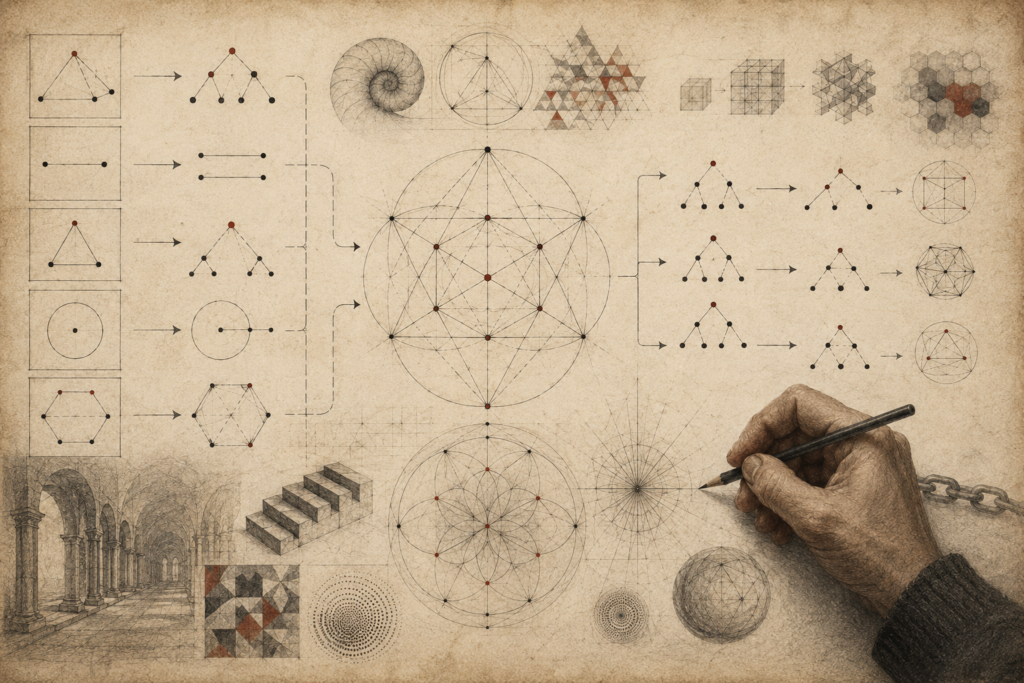
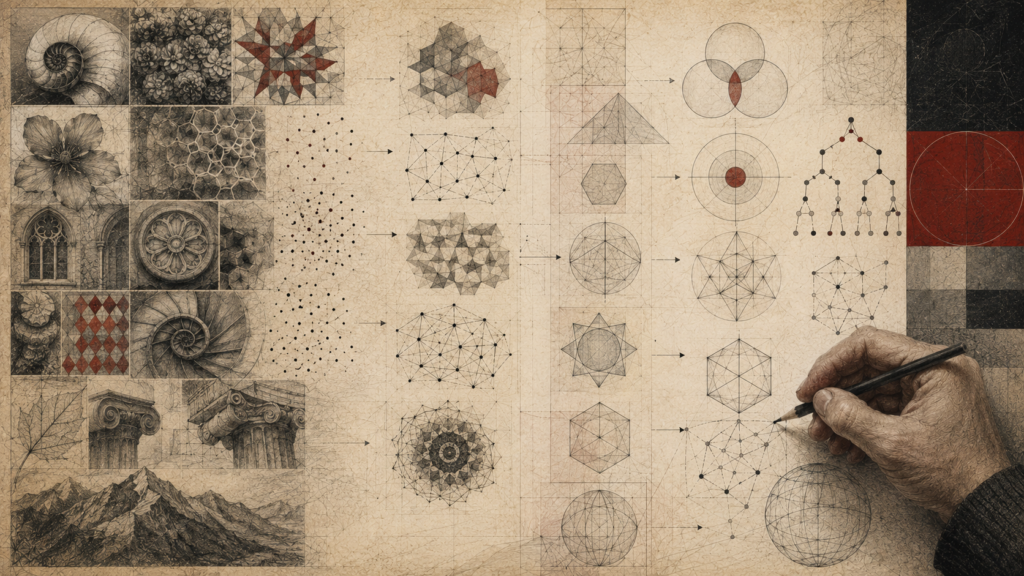
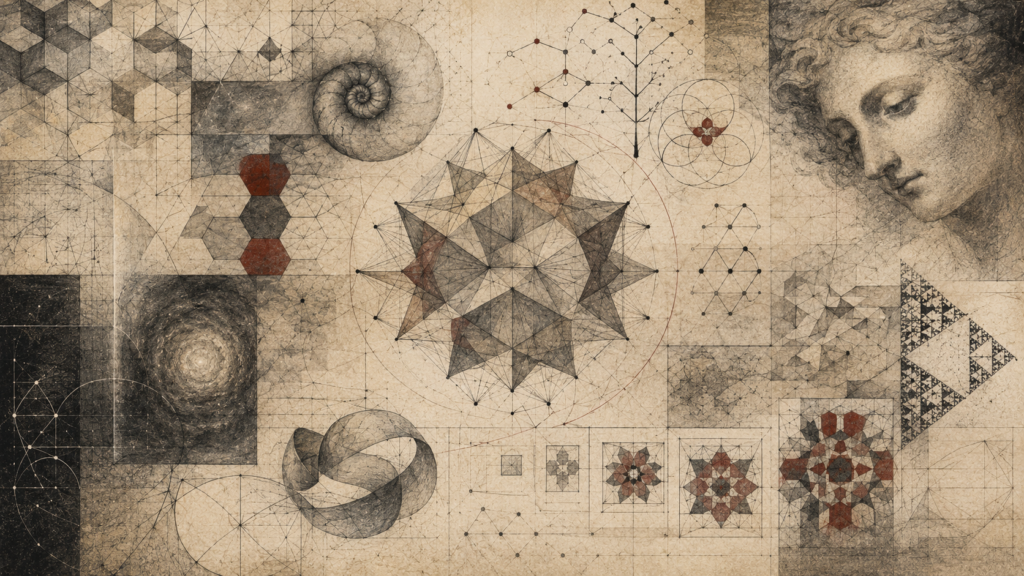
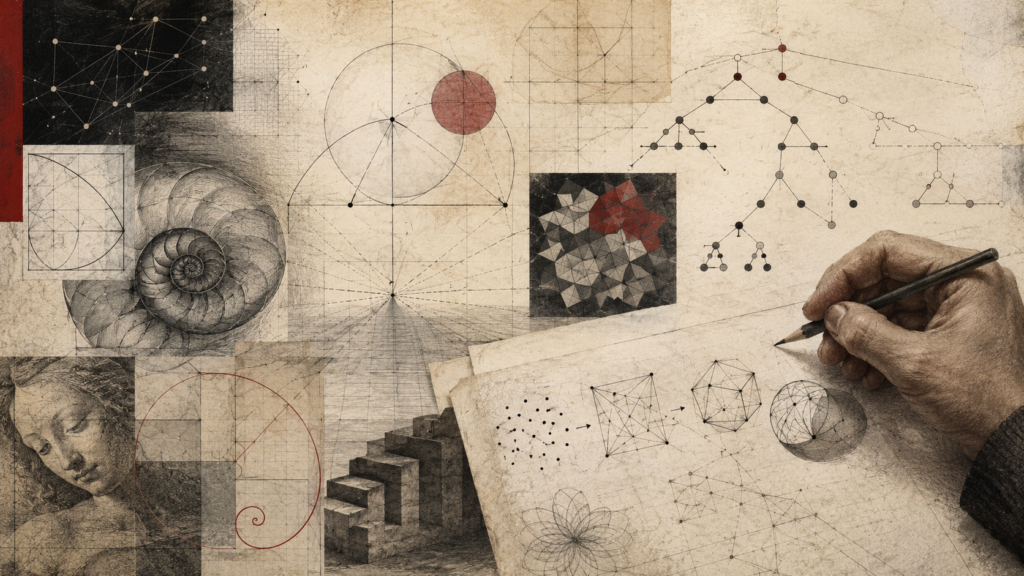
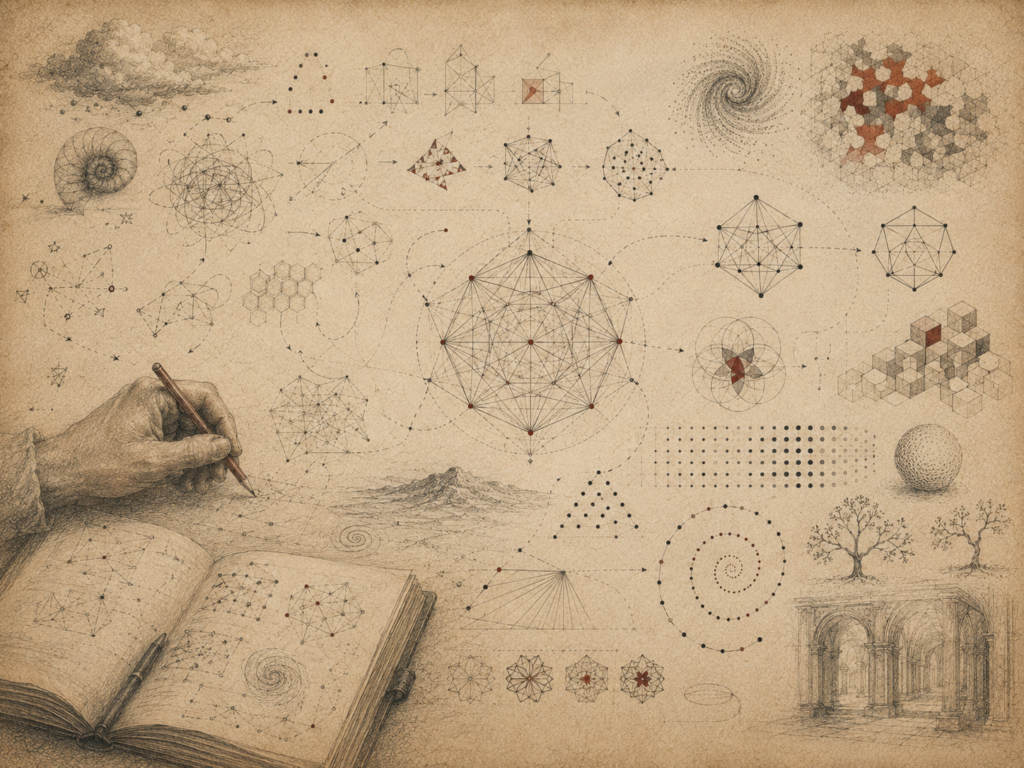
Conjecture, Creativity, and Mathematical Discovery examines how mathematics moves from observation to theorem through disciplined imagination. The article explains that conjectures are not random guesses, but structured proposals shaped by examples, patterns, analogy, diagrams, computation, partial arguments, and the search for proof. It explores pattern recognition, special cases, counterexamples, abstraction, visualization, experimental mathematics, graph invariants, proof-status tracking, Haskell algebraic data types, and the creative tension between freedom and constraint in mathematical work. By showing how conjectures are tested, revised, refuted, proved, or generalized, the article frames mathematical discovery as an iterative process rather than a finished product. It also addresses the responsible use of AI and computation in mathematical exploration, where generated patterns, simulations, and finite evidence must be clearly distinguished from proof, theorem, and verified mathematical knowledge in research, education, technology, and public reasoning.