Food-Water-Energy Systems Thinking
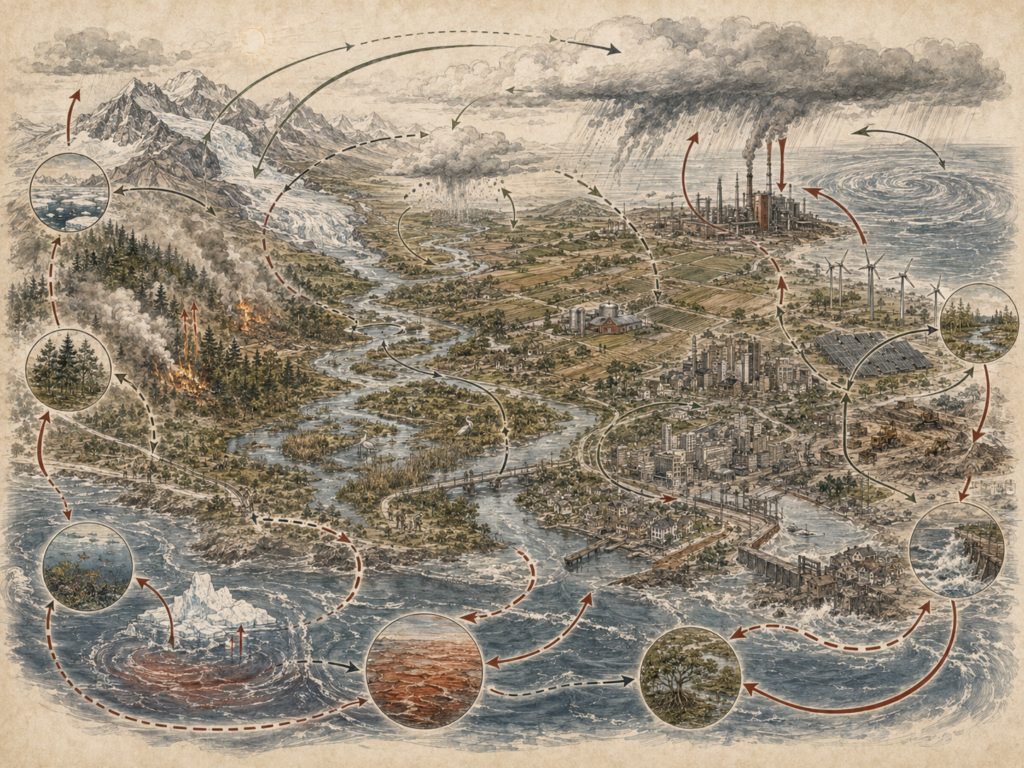
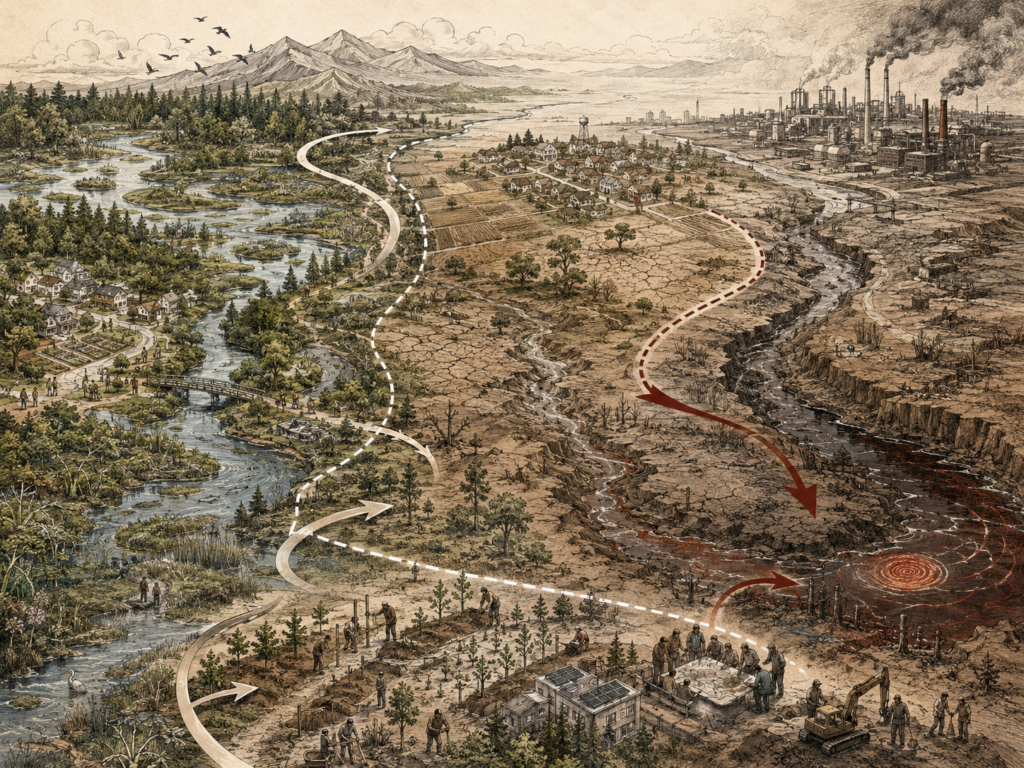
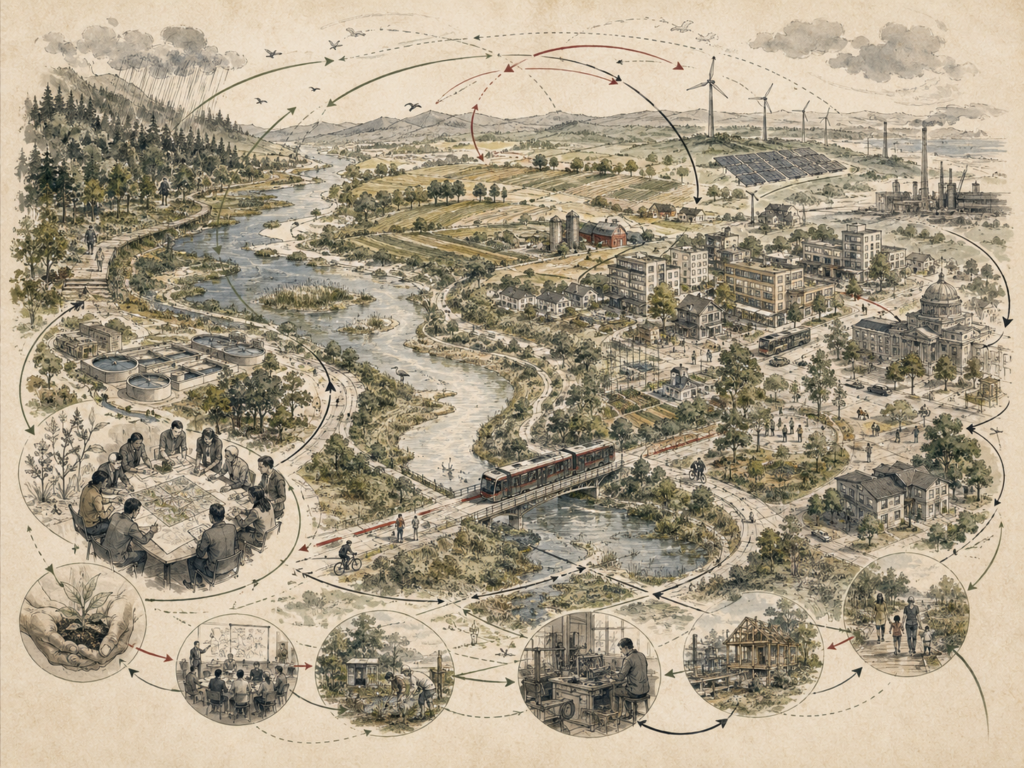
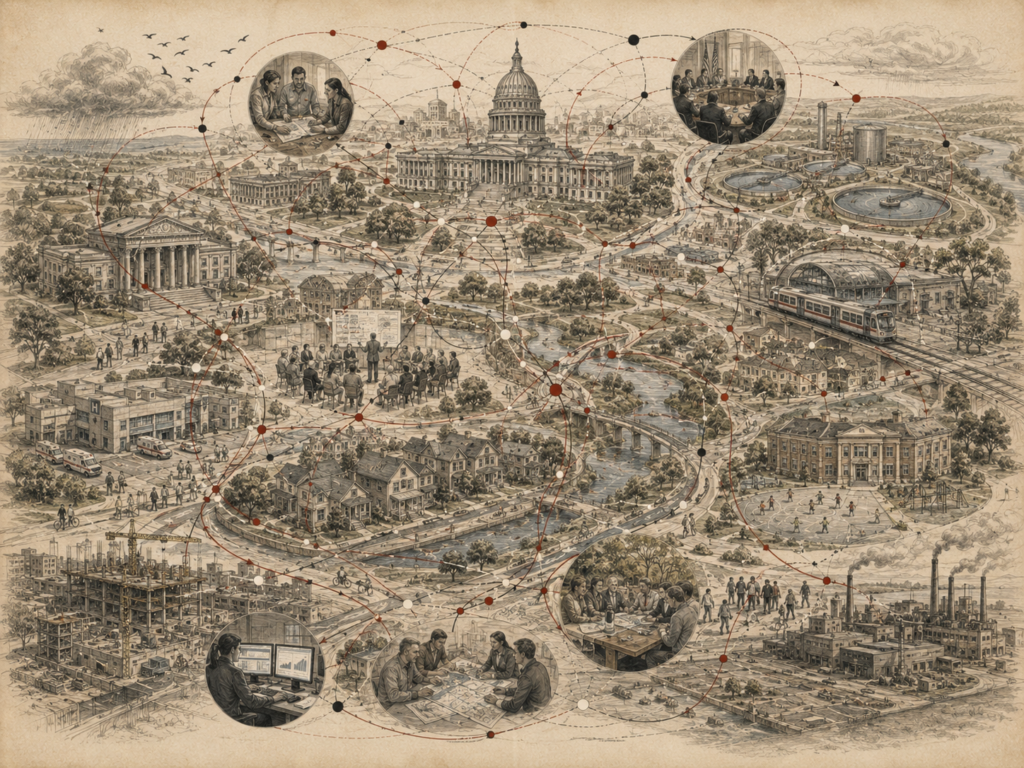
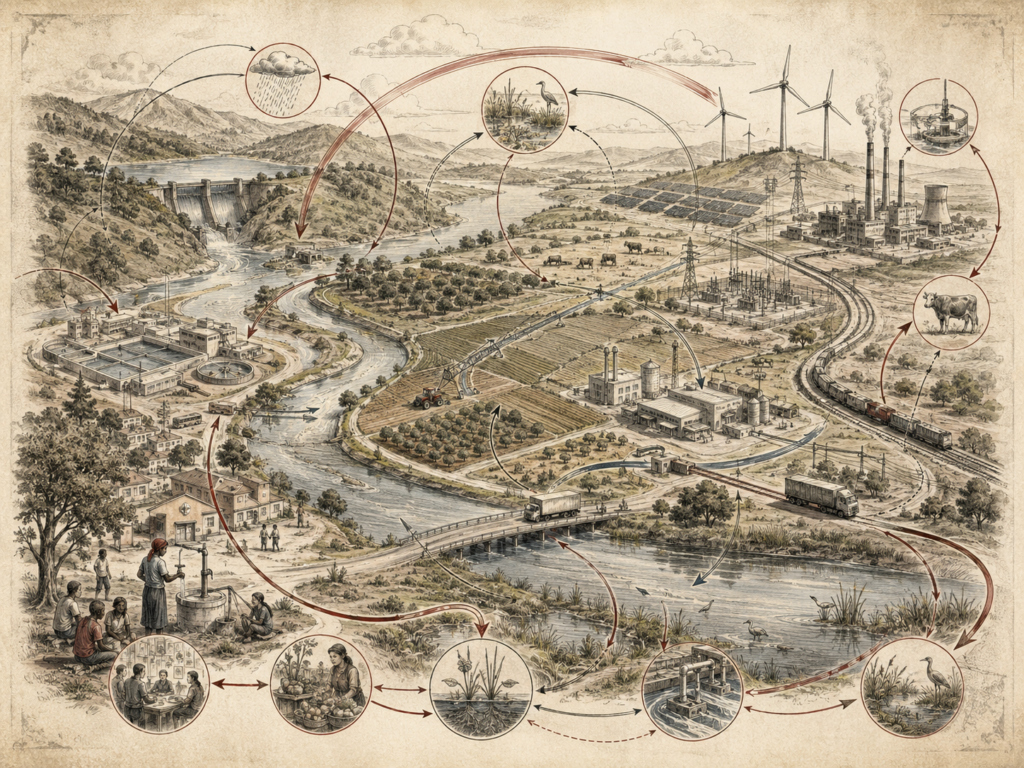
Food-Water-Energy Systems Thinking explains the interdependence of food security, water security, energy security, ecological resilience, infrastructure, governance, and social justice. The article shows why food, water, and energy cannot be planned as separate sectors: irrigation depends on water and power, water systems require energy, energy systems depend on water and land, and climate stress can destabilize all three at once. It examines groundwater depletion, soil health, pumping energy, renewable transition, hydropower, desalination, food supply chains, cold storage, land use, biodiversity, ecosystem services, compounding climate risk, and household vulnerability. Through systems examples and modeling workflows, readers learn how to map stocks and flows, identify feedback loops, evaluate cross-sector trade-offs, compare resilience scenarios, diagnose resource stress, and design food-water-energy systems that protect access, affordability, ecological foundations, public trust, and long-term stewardship across communities, regions, farms, utilities, households, institutions, ecosystems, and generations.