Myth, Ritual, and the Symbolic Work of Story: Meaning, Power, and Transformation
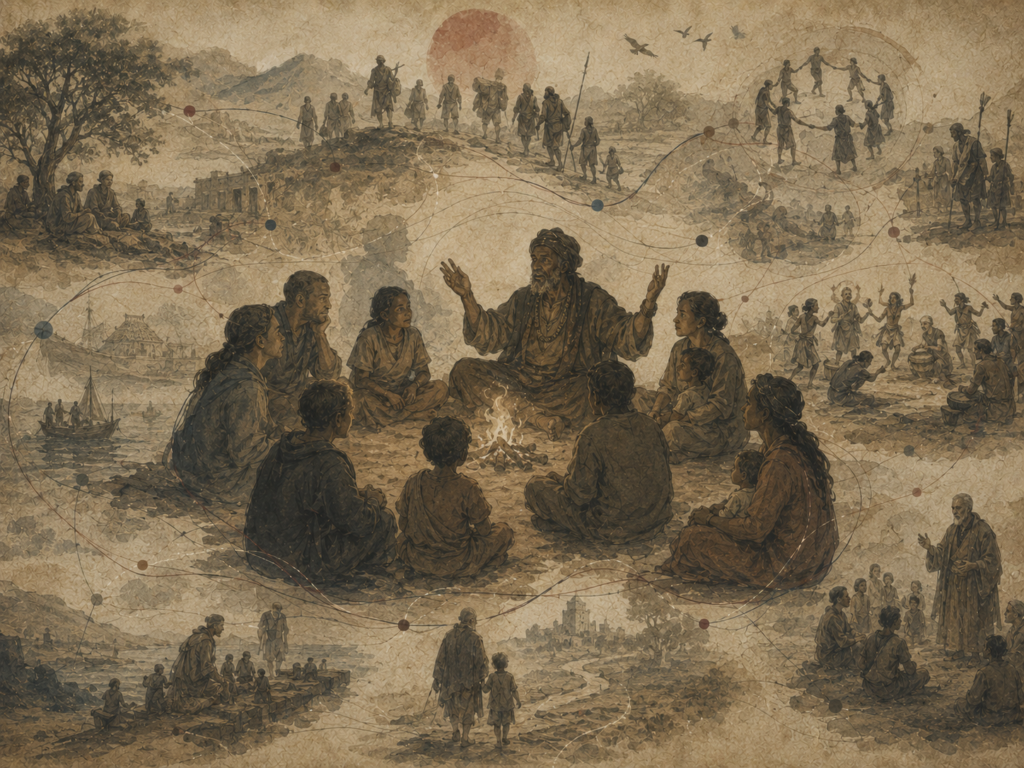
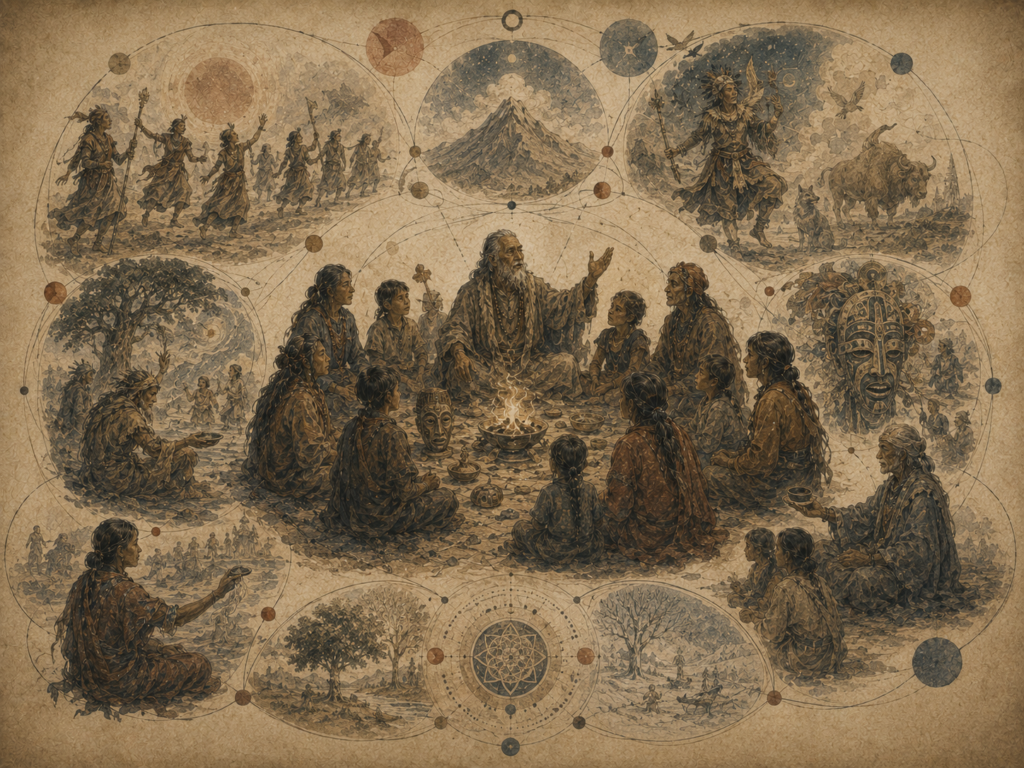
Myth, Ritual, and the Symbolic Work of Story examines how symbolic narratives and embodied practices organize origin, order, memory, identity, transformation, authority, and belonging. This article explains why myth should not be reduced to falsehood and why ritual should not be dismissed as empty repetition. It explores creation stories, sacred narratives, ritual action, symbolic objects, liminality, thresholds, sacrifice, renewal, repair, public ceremony, institutional myth, modern civic rituals, psychological interpretation, and the ethical risks of symbolic storytelling. The article also considers how myths and rituals can sustain communal meaning while also legitimizing hierarchy, exclusion, scapegoating, appropriation, or institutional power. As part of the Storytelling series, it connects myth studies, ritual theory, symbolic interpretation, cultural memory, analytical psychology, ethics, and practical methods for interpreting symbolic stories with context, humility, governance, and responsibility across religious, civic, cultural, psychological, and institutional life today.