How Sustainable Development Is Measured
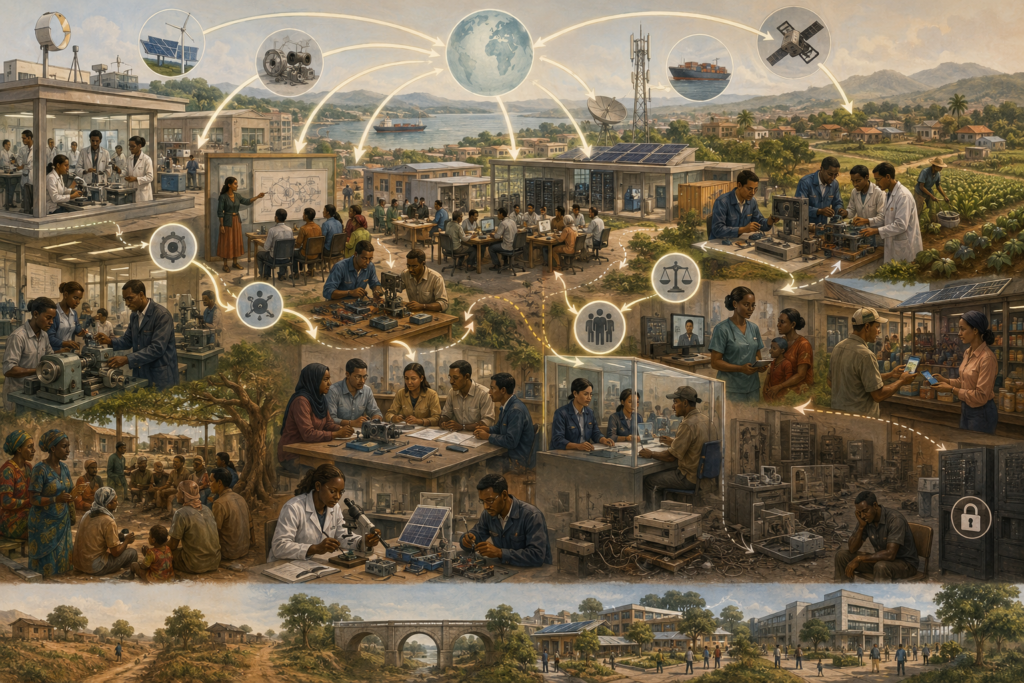
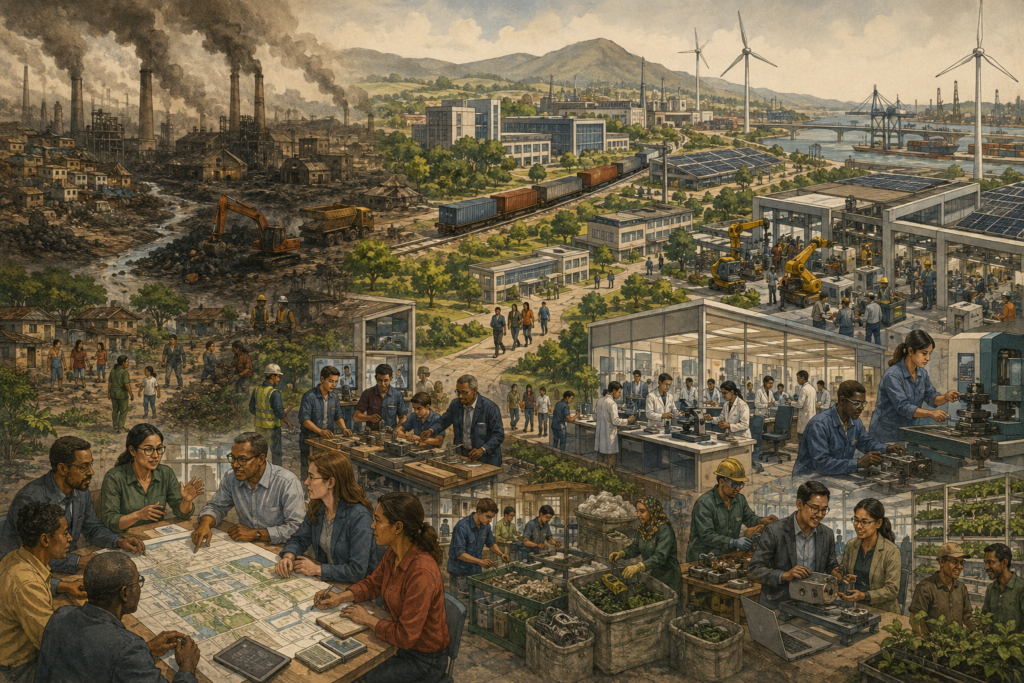
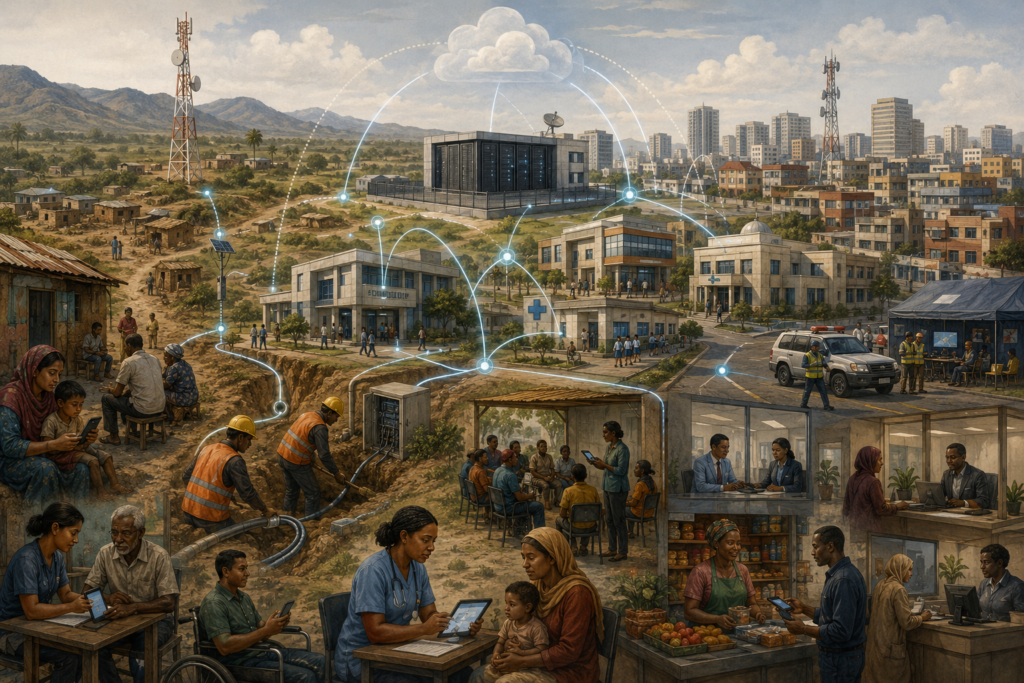
How sustainable development is measured examines why development cannot be understood through a single metric, but instead through a layered architecture of indicators, indices, metadata, and statistical systems. The article argues that measurement is not a neutral reflection of progress. It shapes what becomes visible to institutions, what counts as success, and which problems become governable, comparable, and politically urgent. It explores the UN SDG indicator framework, composite measures such as the HDI, governance and institutional indicators, distance-to-target methods, and the importance of disaggregation in revealing inequalities hidden by national averages. The core claim is that sustainable development is measured through competing yet complementary systems that clarify complex realities while also simplifying them, meaning that measurement itself is part of how development is interpreted, prioritized, and governed.