Wholes, Parts, and Interdependence
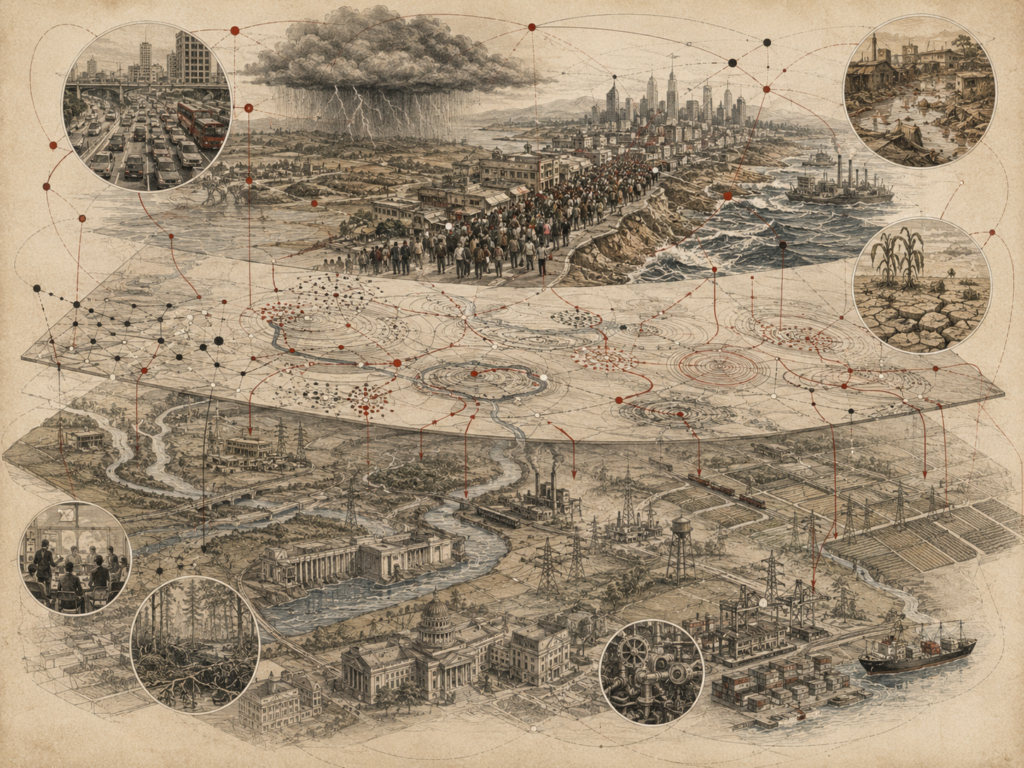
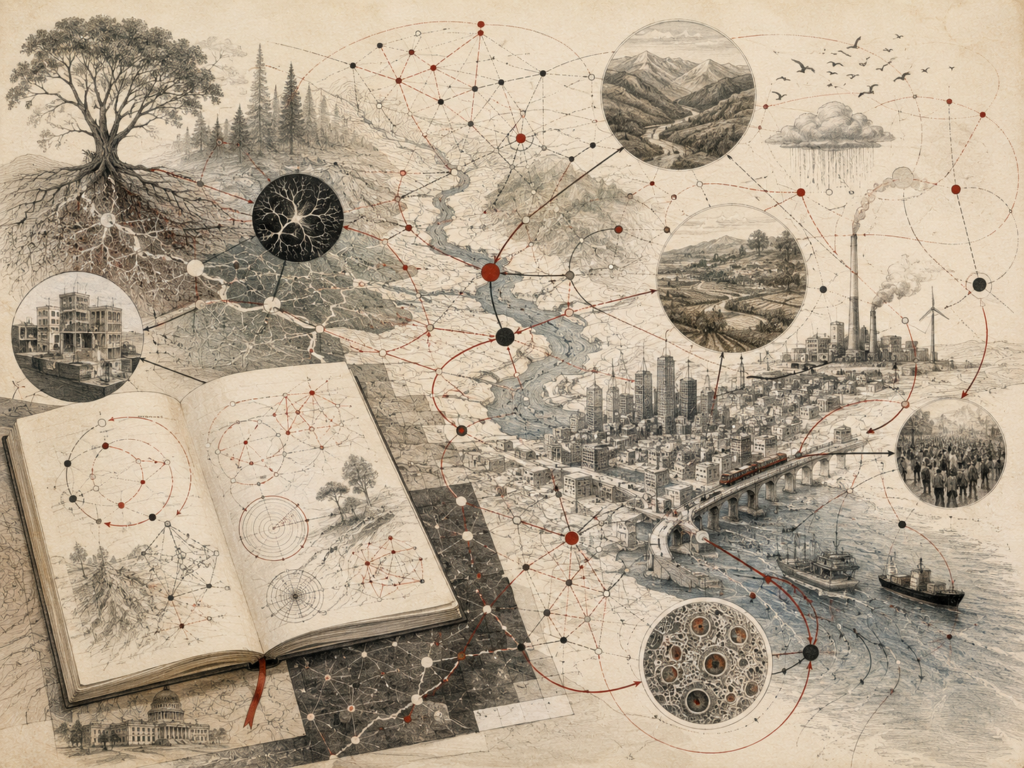
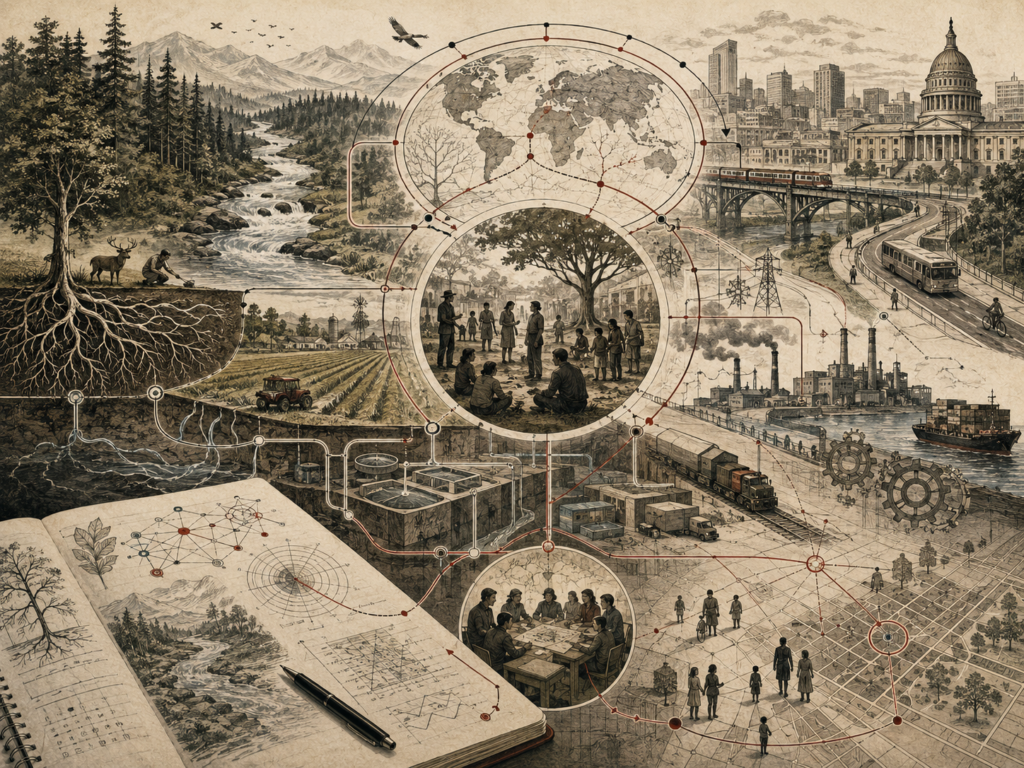
Wholes, Parts, and Interdependence explains a foundational systems-thinking idea: a system is not merely a collection of components, but a whole formed through relationships among parts. The article examines how parts retain their own properties while gaining new meaning through context, dependency, function, feedback, and scale. It shows why reductionist analysis can be useful but incomplete, why vague holism can obscure evidence, and why serious systems inquiry must move carefully between component-level detail and whole-system behavior. Through examples from public health, food systems, education, infrastructure, organizations, artificial intelligence, and ecology, the article explores interdependence as both a source of resilience and a source of fragility. It also examines power, unequal dependency, local optimization, nested systems, and the ethical question of whether the whole supports its parts or consumes them in pursuit of narrow efficiency, control, extraction, or institutional survival.