Delayed Feedback and Policy Timing
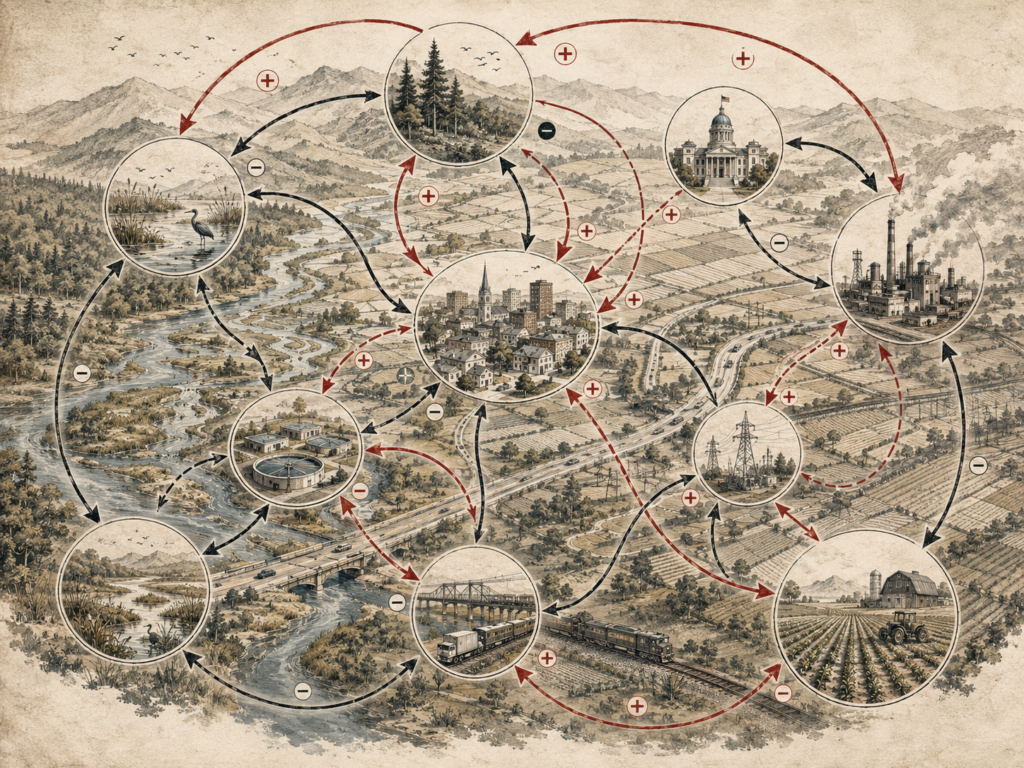
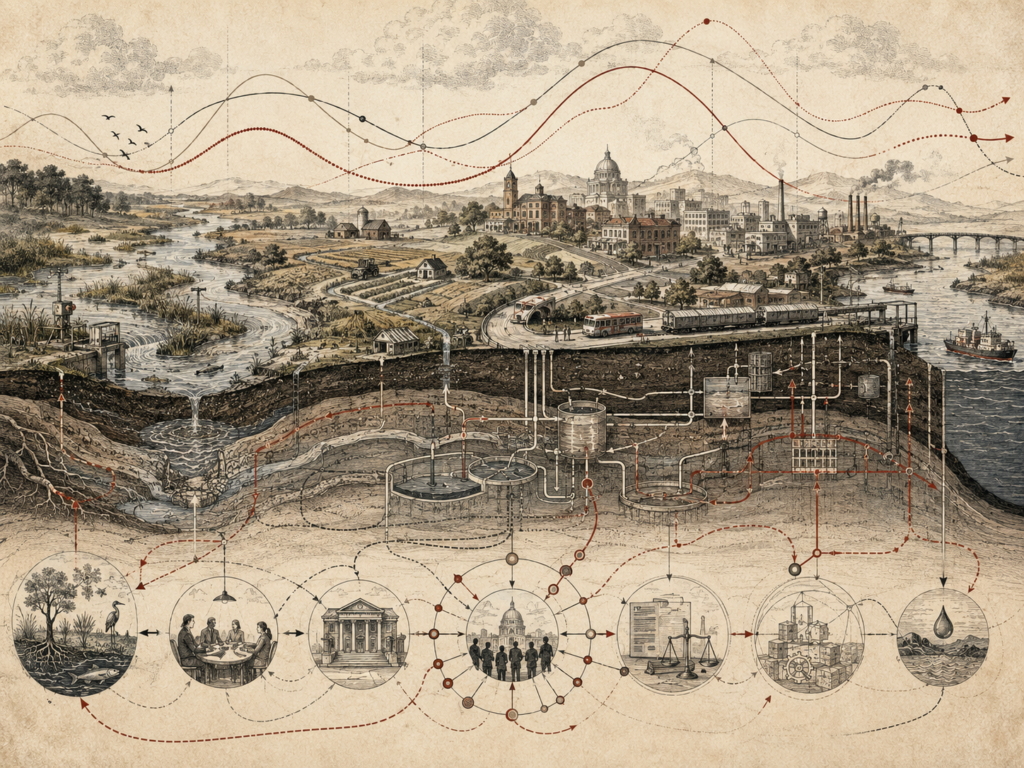
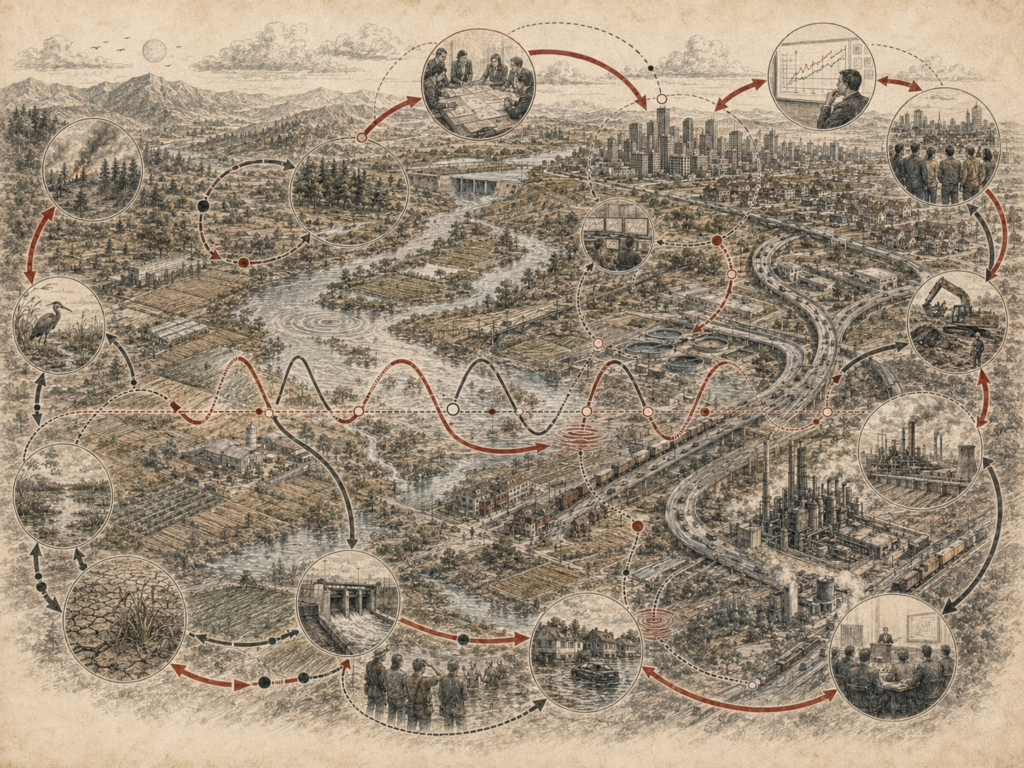
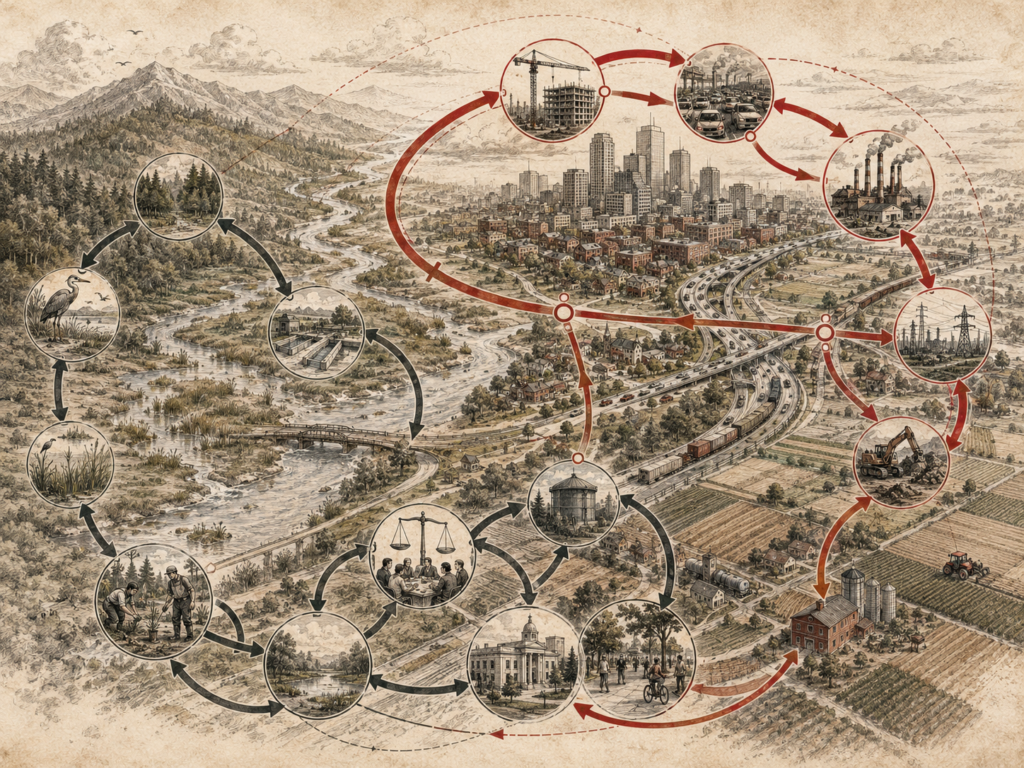
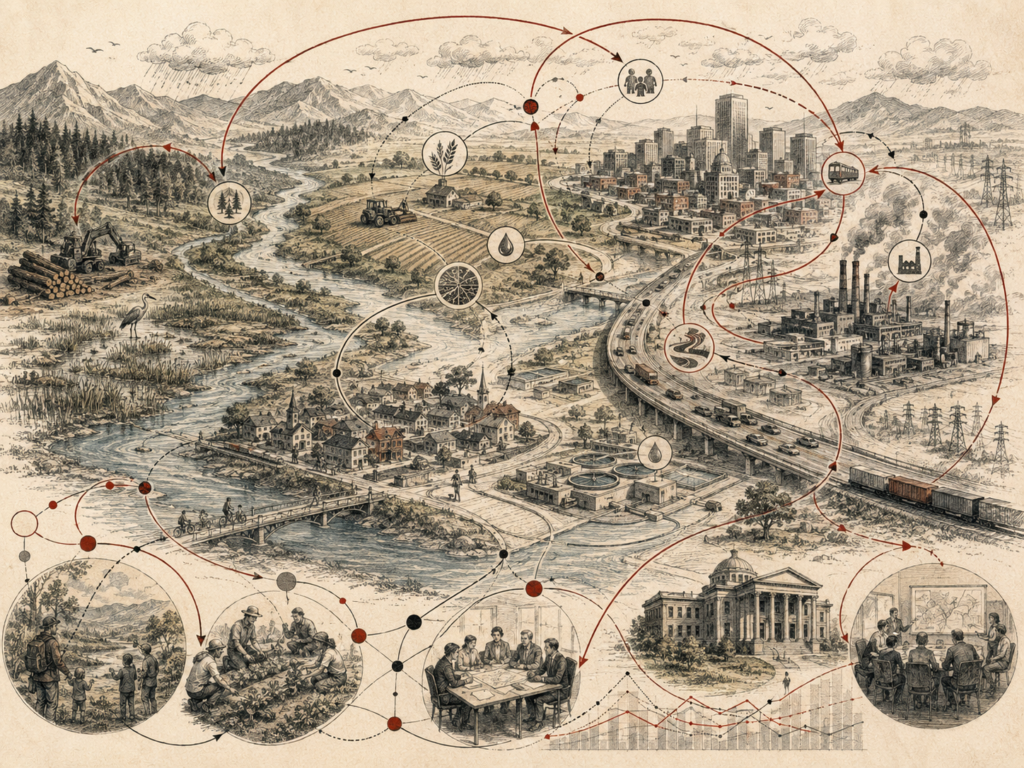
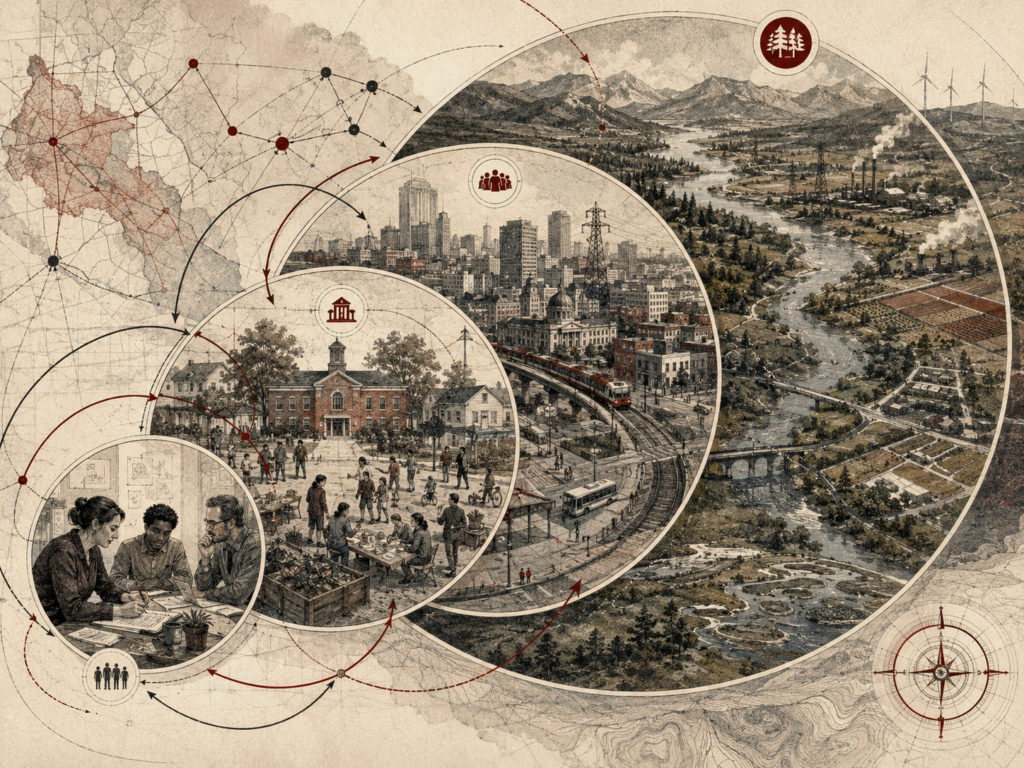
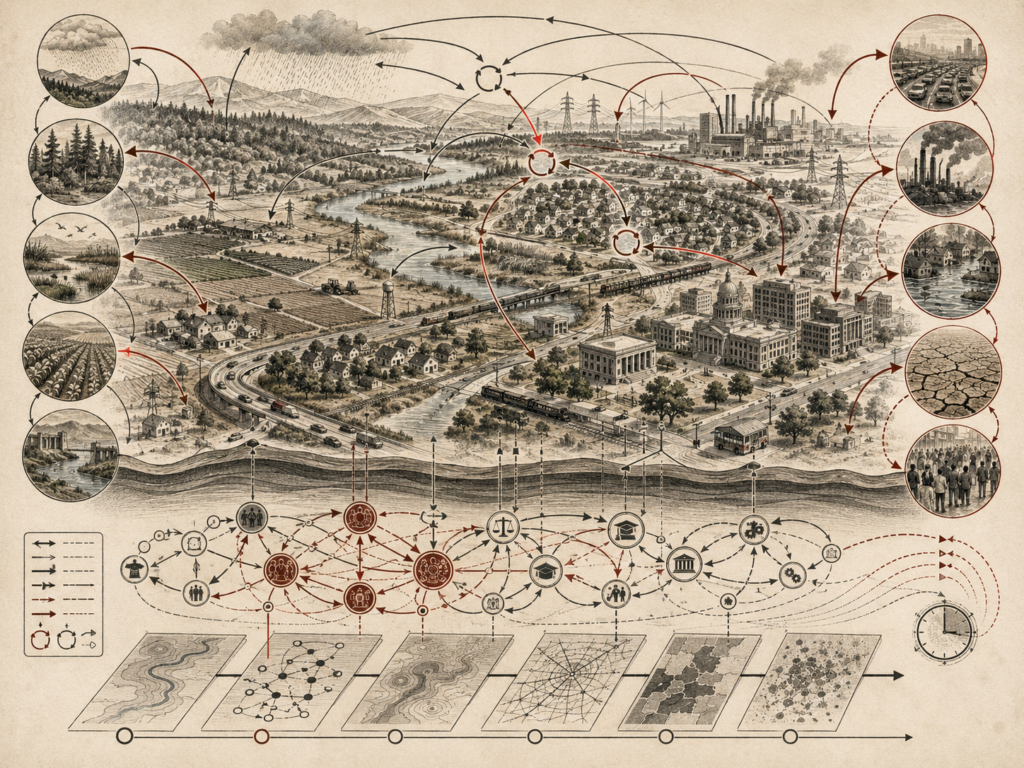
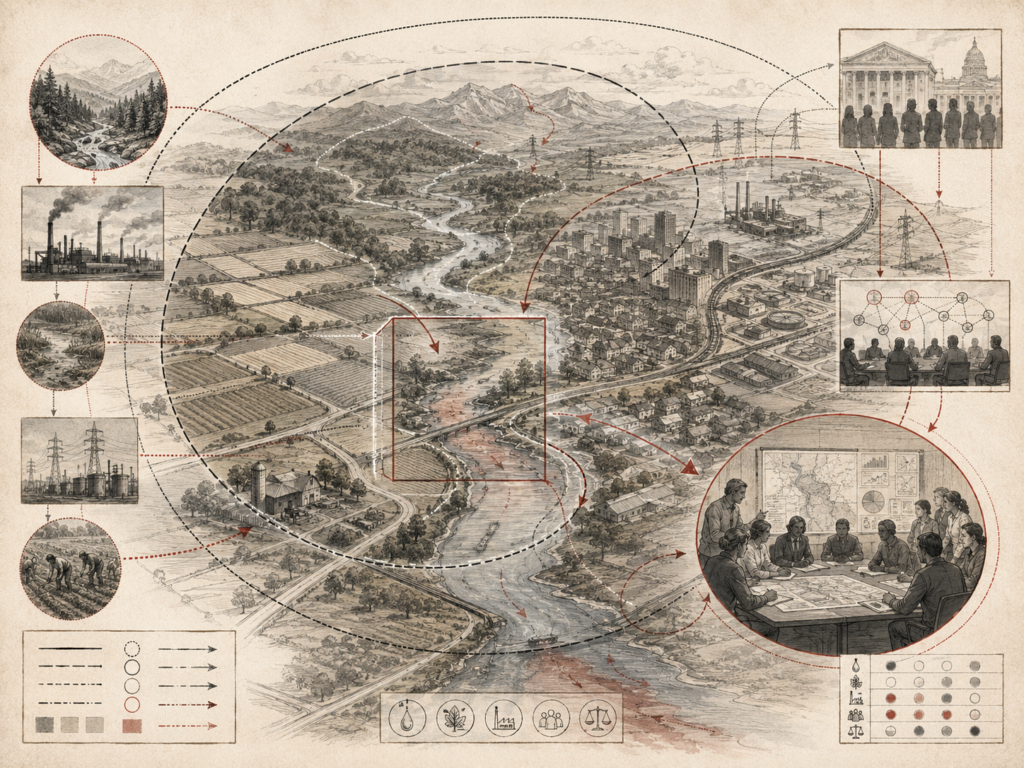
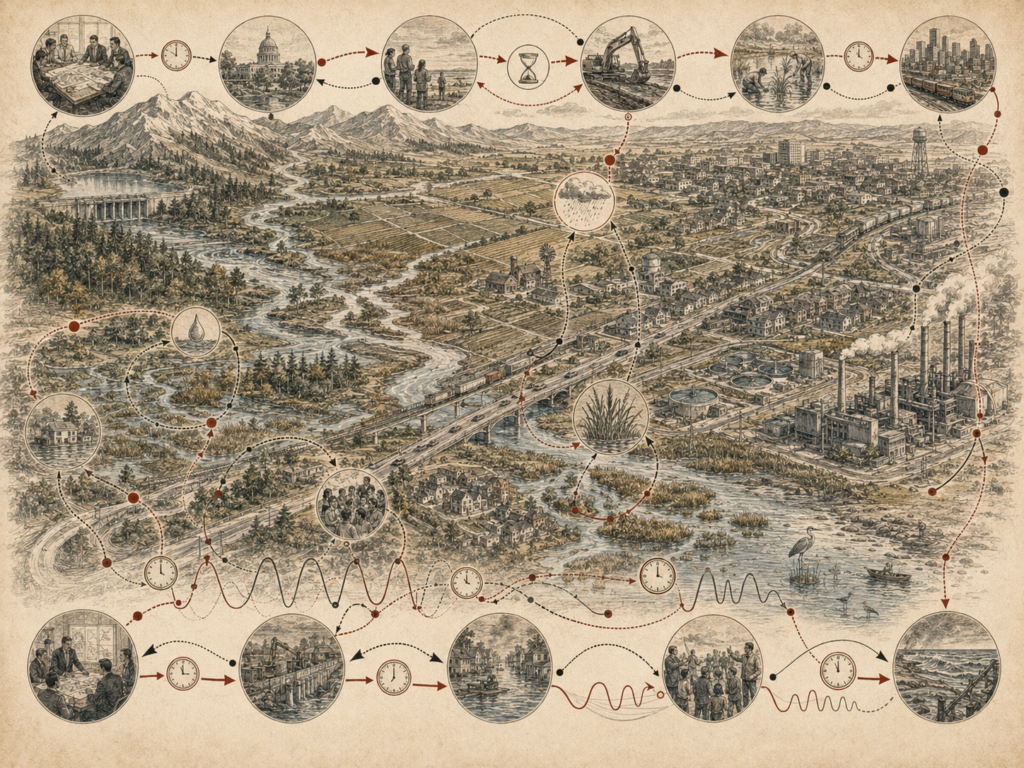
Delayed Feedback and Policy Timing explains why policies often fail, arrive too late, overcorrect, or appear ineffective because system consequences unfold slowly. The article shows how delays separate policy action from visible outcomes, implementation from real-world change, early signals from lagging indicators, and short-term political cycles from long-term system dynamics. Through examples from public health, infrastructure, climate adaptation, organizations, education, artificial intelligence, ecology, and economics, it examines feedback lags, information lags, implementation delays, overcorrection, policy swings, precaution, and the risk of judging policies too early or too late. The article also explores the ethical stakes of delayed consequences: who benefits before harms appear, who pays afterward, and how workers, marginalized communities, ecosystems, and future generations often absorb costs created elsewhere. Readers gain a practical method for aligning policy timing with system feedback, prevention, learning, and accountability.