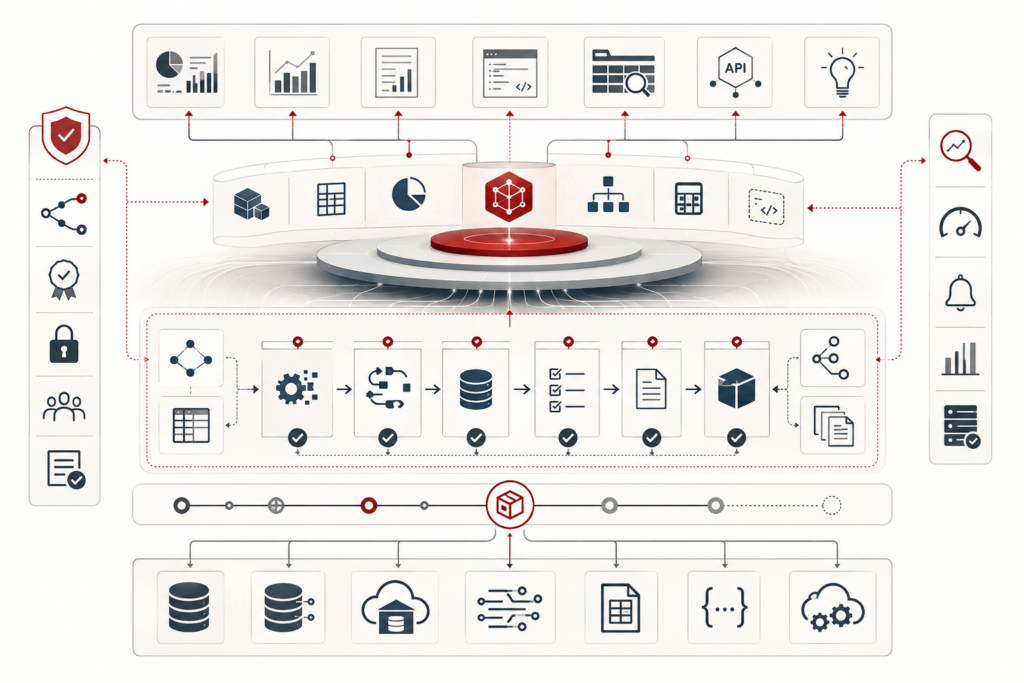
Analytics Engineering and Semantic Layers
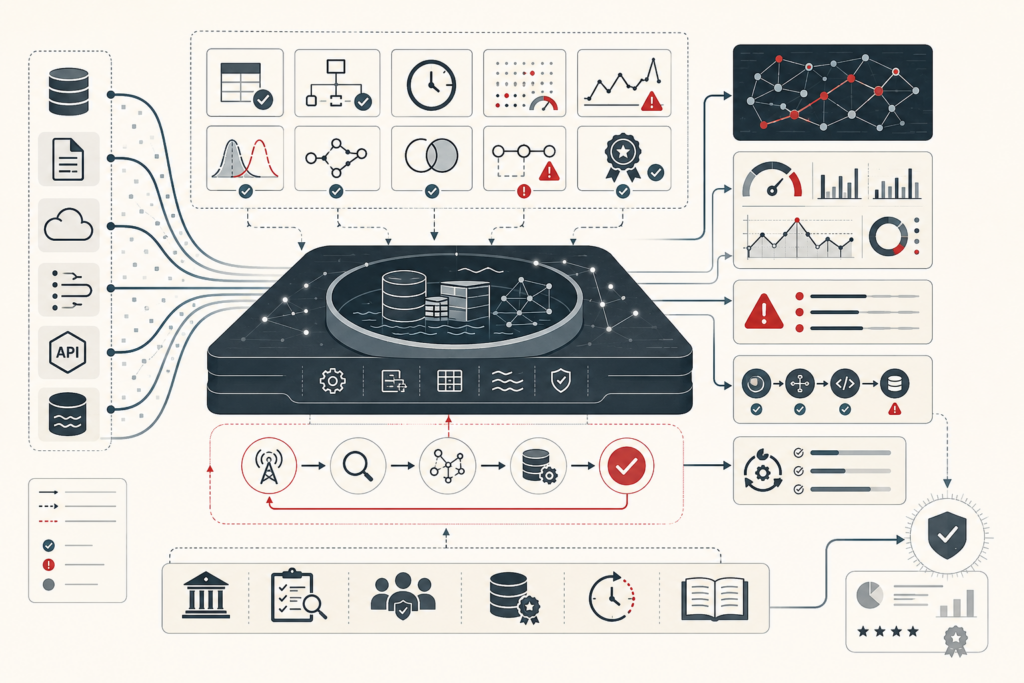
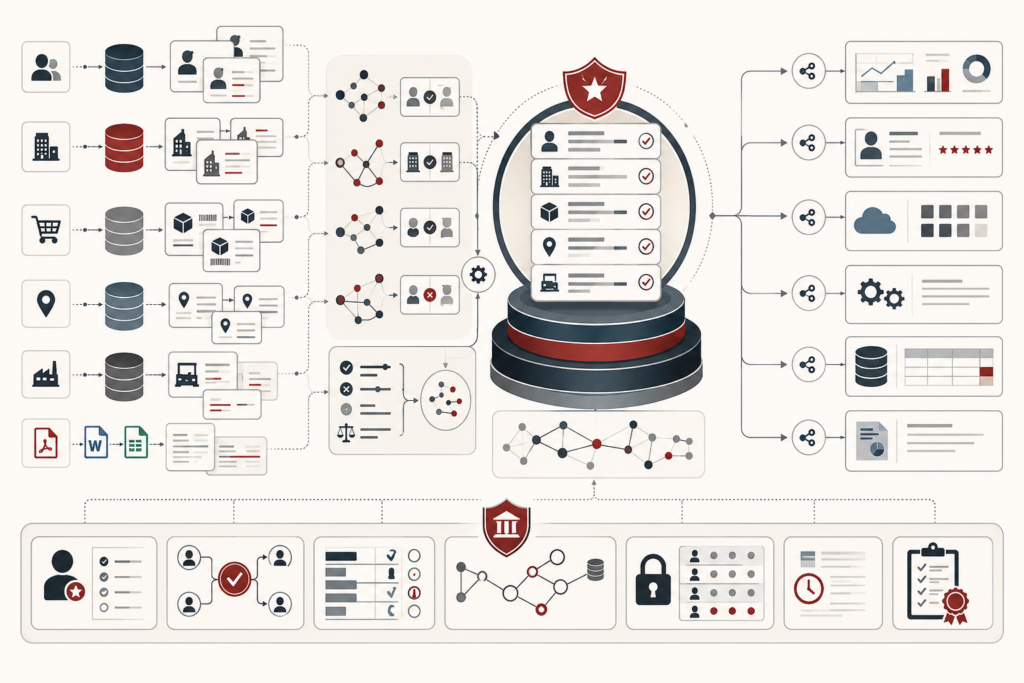
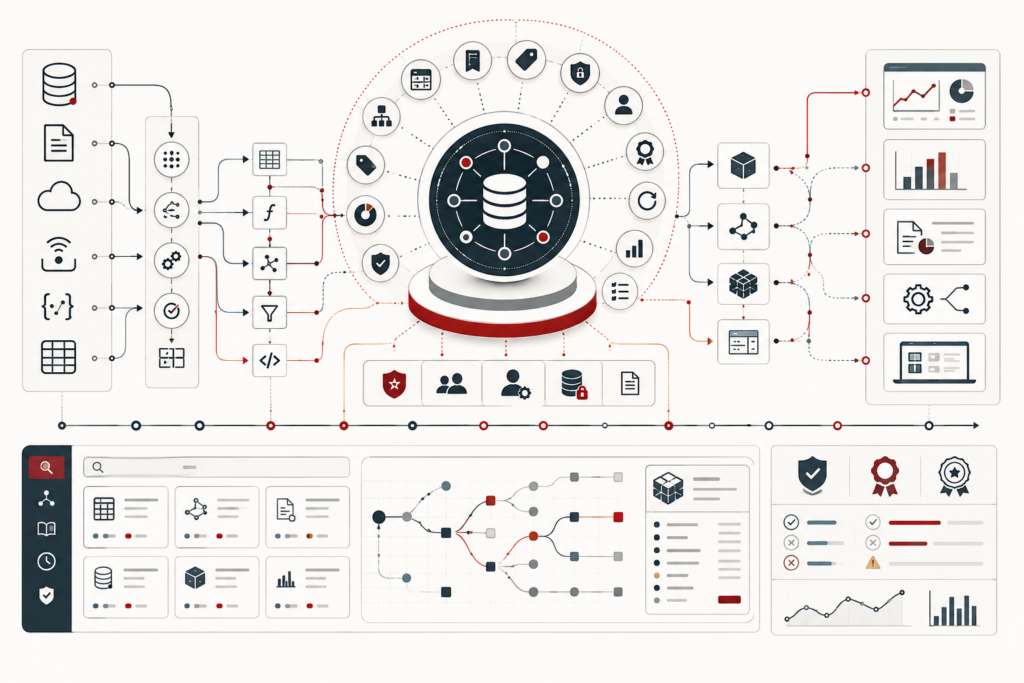
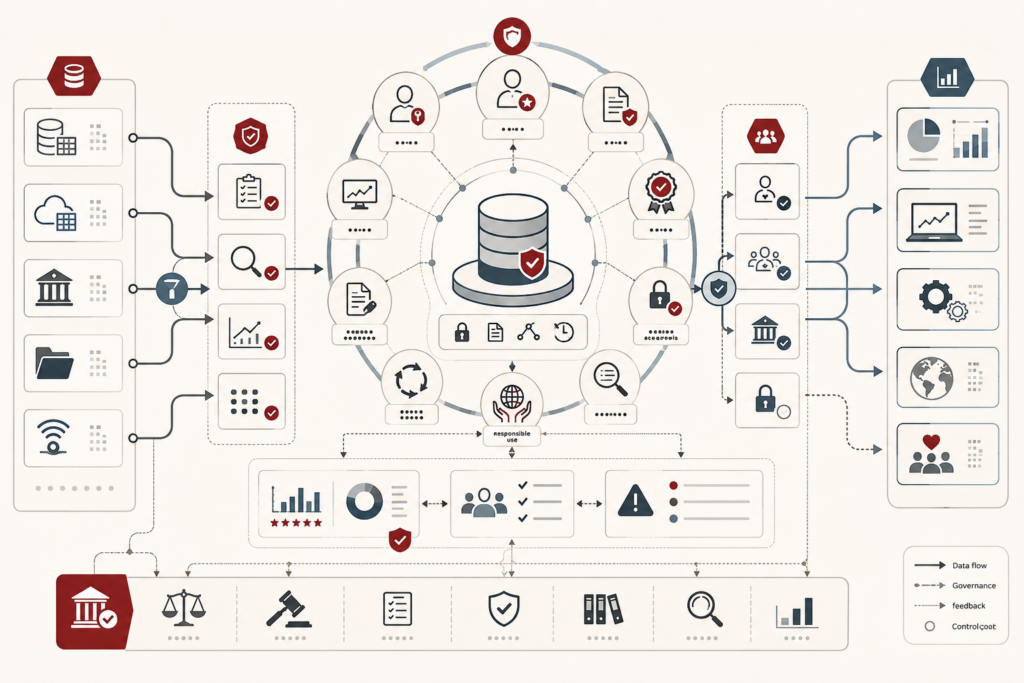
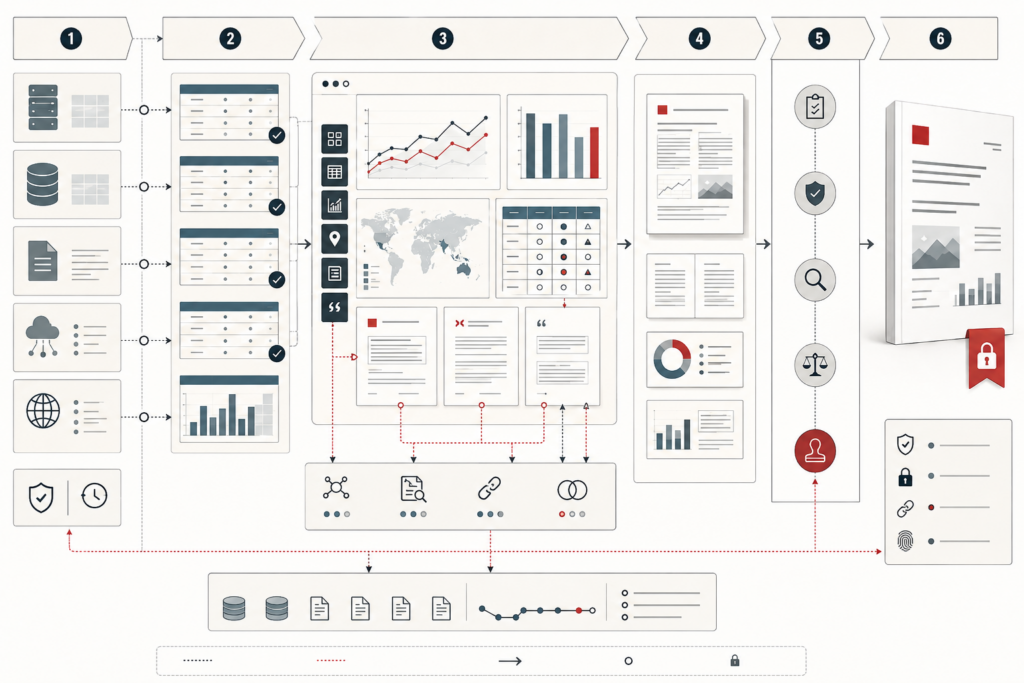
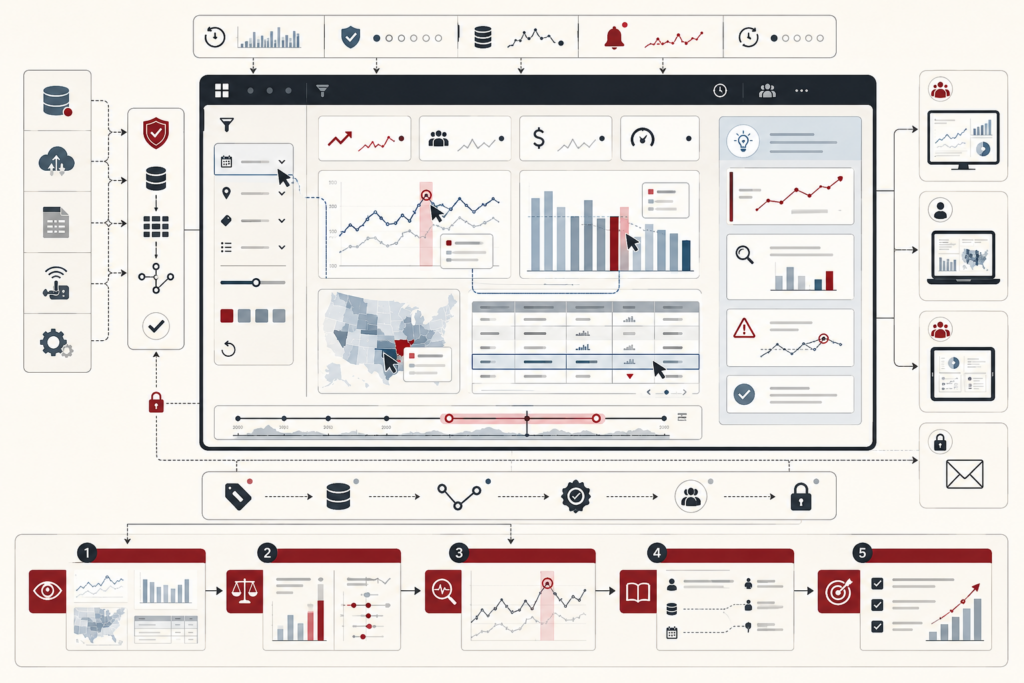
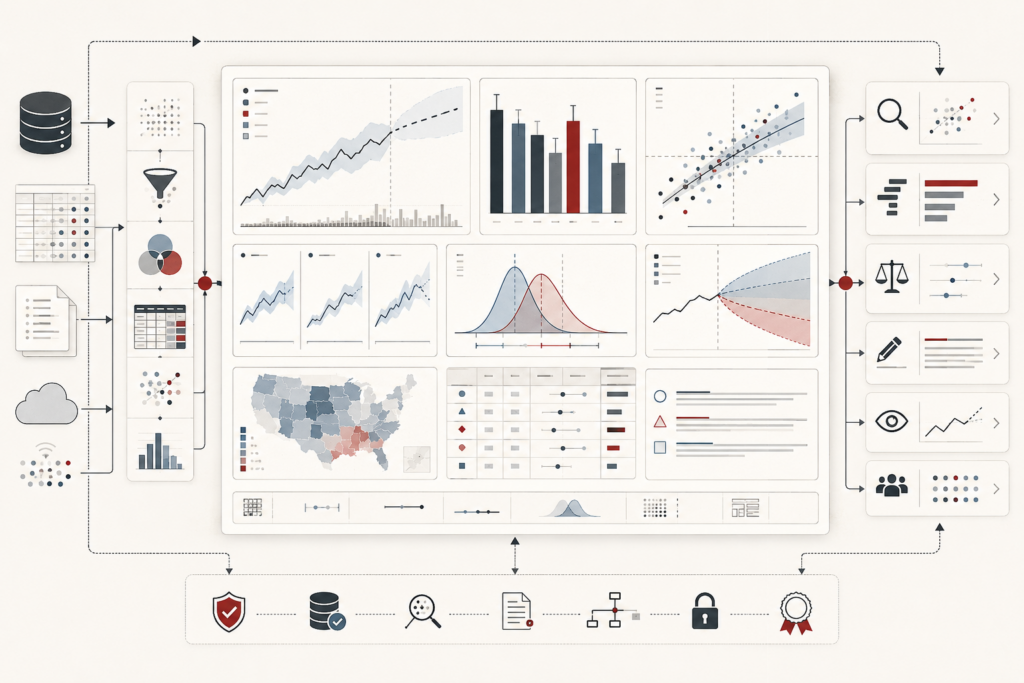
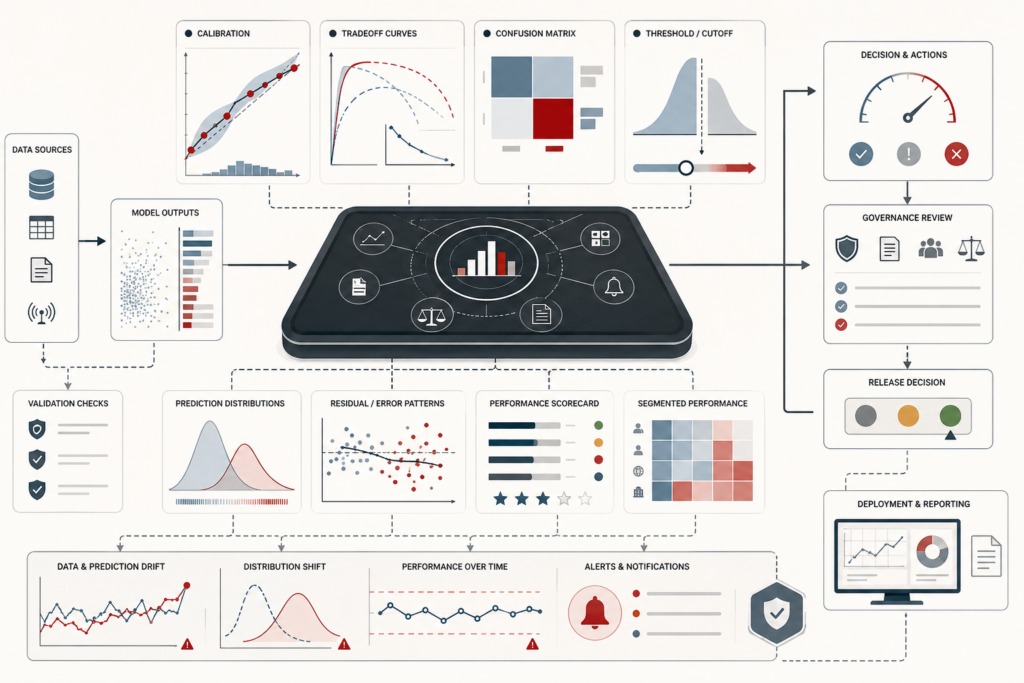
Analytics engineering and semantic layers turn raw data infrastructure into trustworthy analytical meaning. This article frames analytics engineering as semantic governance: the discipline of transforming operational data into tested, documented, reusable models that preserve business logic, grain, lineage, and interpretive continuity. It explains how semantic layers function as interpretive contracts, allowing metrics, dimensions, entities, filters, and hierarchies to be reused consistently across dashboards, notebooks, APIs, applications, and AI-enabled analytical workflows. The article also examines semantic instability, modeling layers, metric governance, multiple coexisting definitions, versioning, self-service analytics, tool portability, observability, and the politics of abstraction. A mathematical lens and Python/R workflows show how teams can evaluate semantic trust, definition drift, model readiness, usage, lineage, and test coverage. Its central argument is that trustworthy analytics depends on governing meaning, not just moving data.