Embedded Monitoring Devices for Field Observation: Edge Sensing, Reliability, and Field Data Integrity
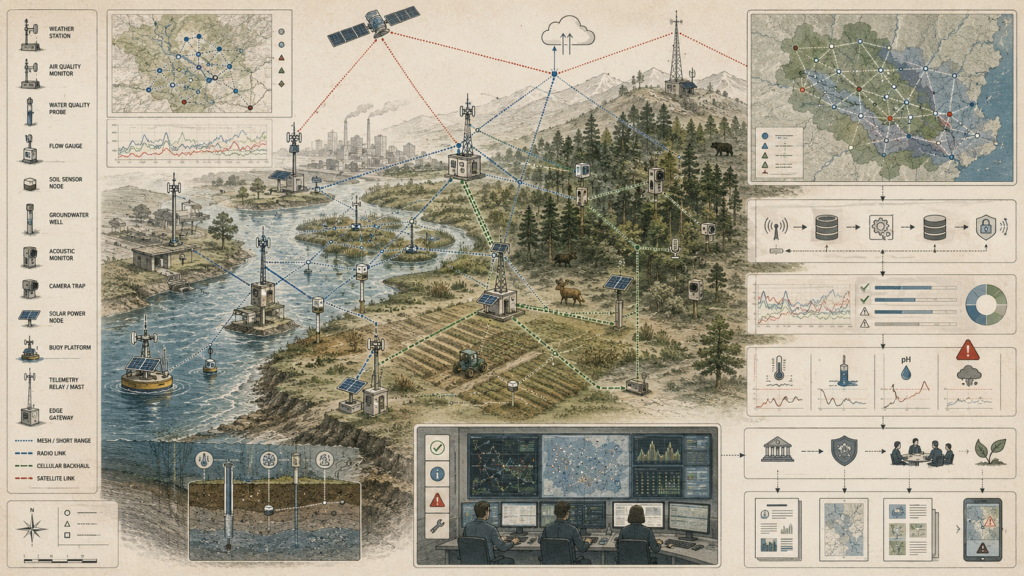
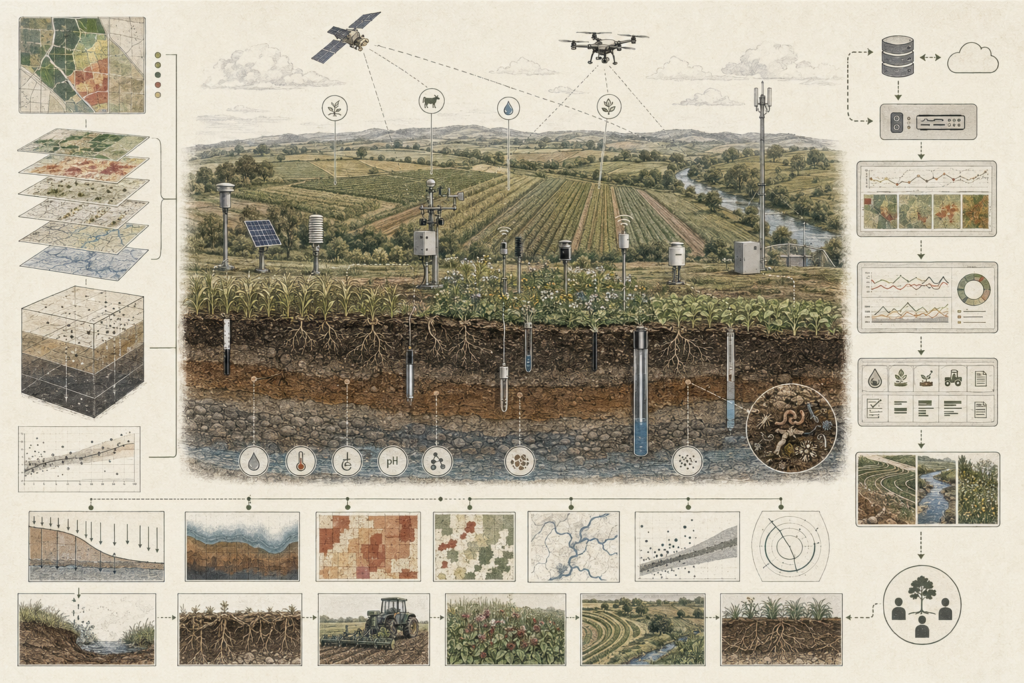
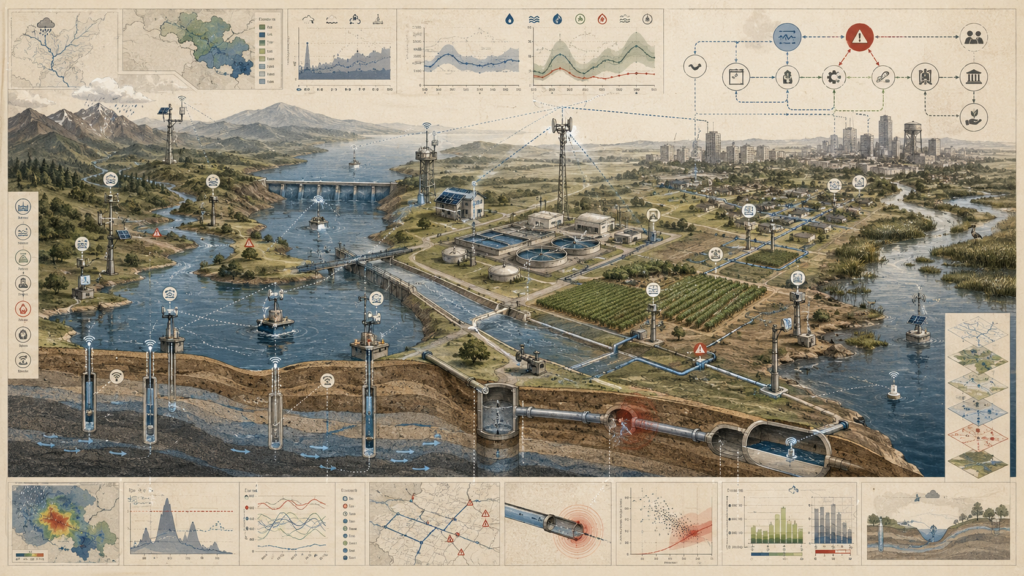
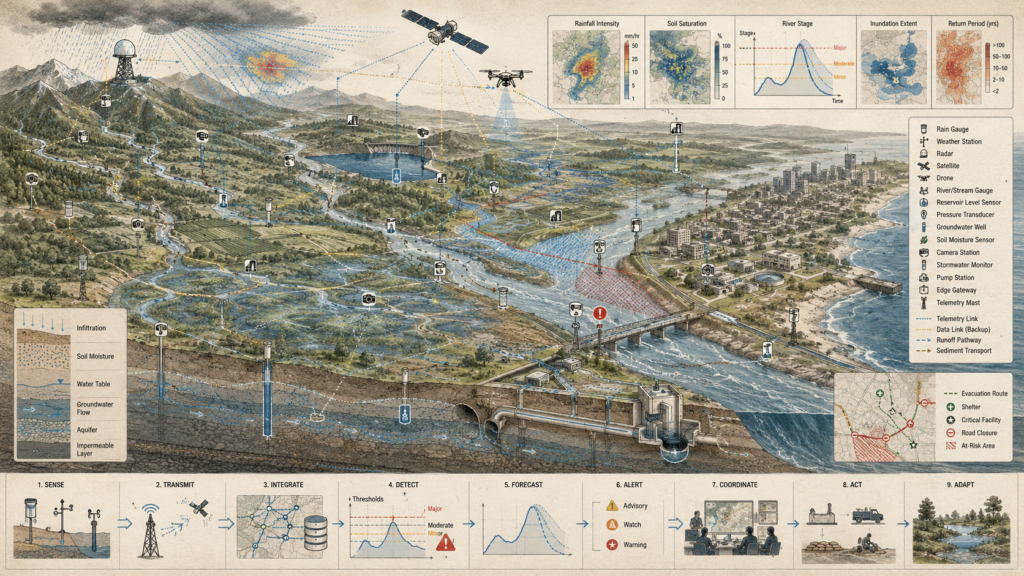
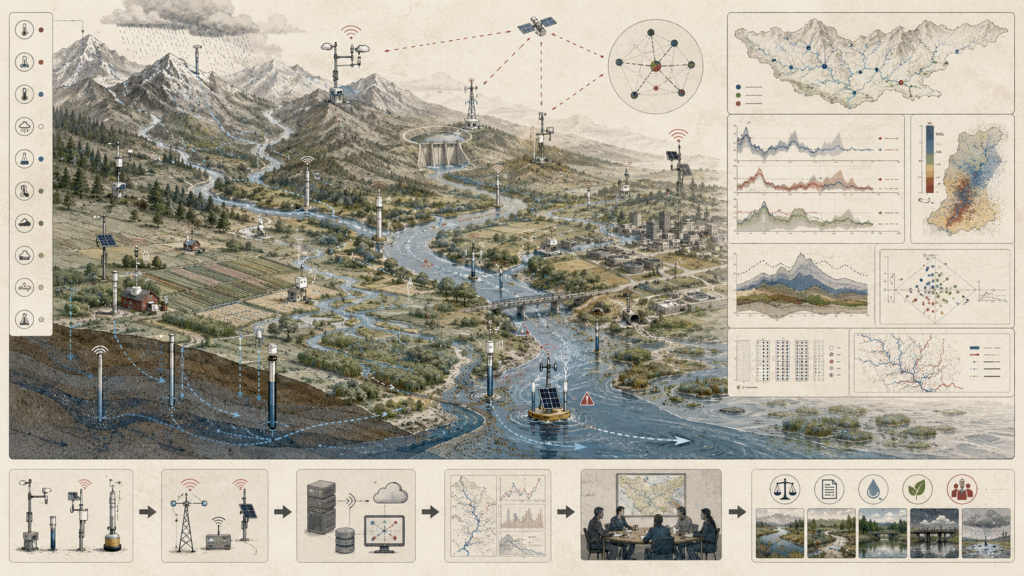
Embedded monitoring devices make field observation trustworthy by combining rugged sensing hardware with local processing, reliable power, telemetry, and data-integrity controls. Water-quality probes, soil sensors, weather stations, buoy systems, camera traps, acoustic monitors, and solar-powered field nodes must operate in harsh environments where moisture, sediment, heat, wildlife, battery limits, and intermittent connectivity can compromise evidence. This article examines how embedded devices support environmental monitoring through calibration, timestamping, sampling intervals, local logging, buffering, watchdog checks, power management, environmental sealing, telemetry status, and validation routines. Field data integrity depends not only on the sensor reading, but on the full embedded system that records, protects, checks, and transmits that observation. By linking edge sensing, device health, reliability engineering, and evidence quality, embedded monitoring devices become foundations for credible environmental intelligence.