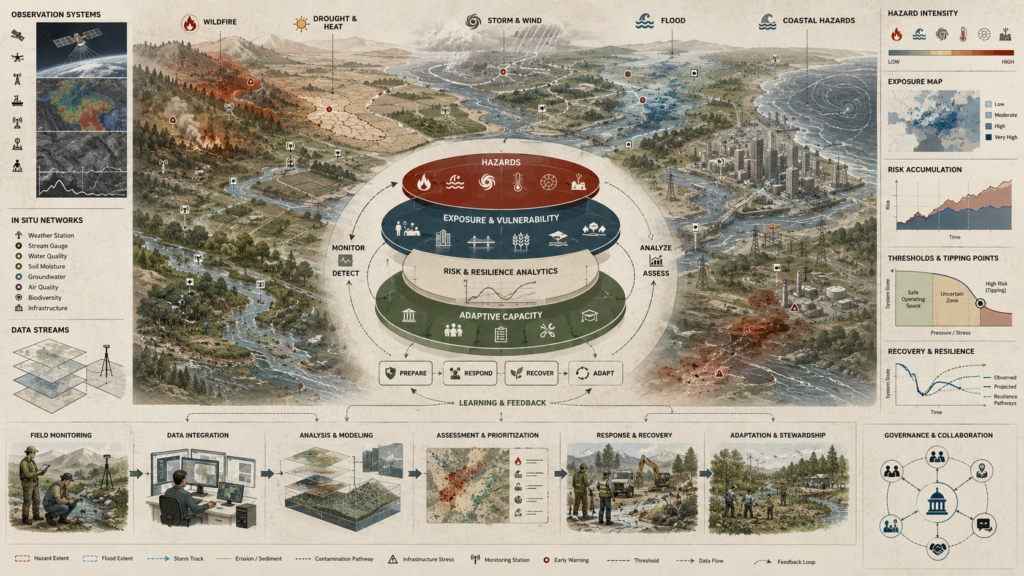
Monitoring Environmental Risk and Resilience: Hazards, Recovery, Thresholds, and Adaptive Capacity
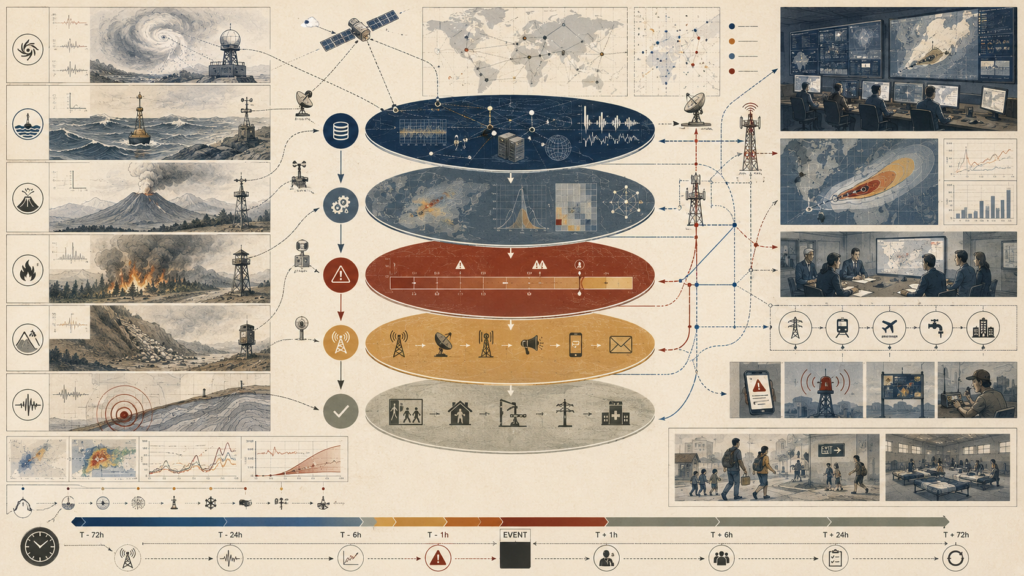
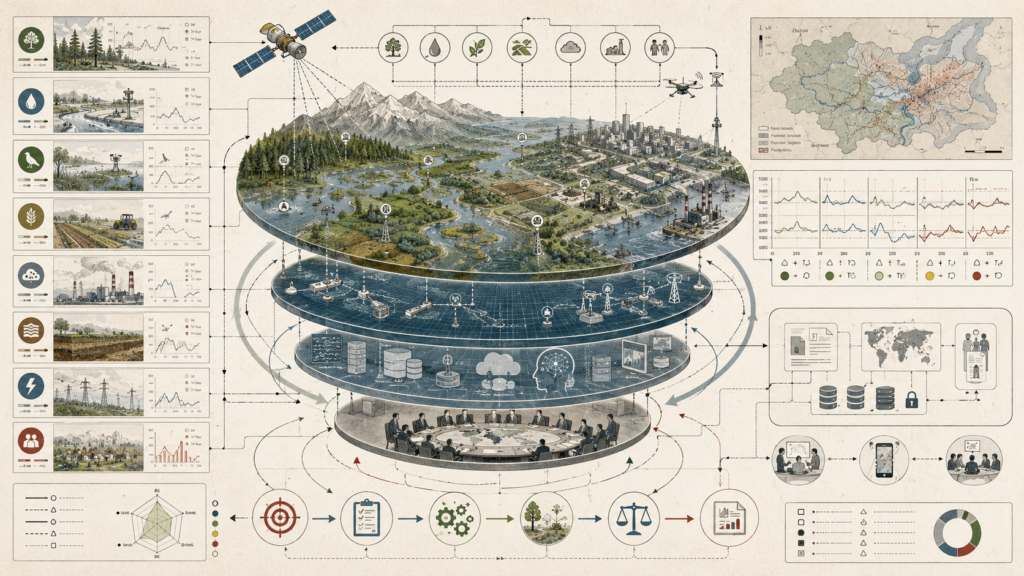
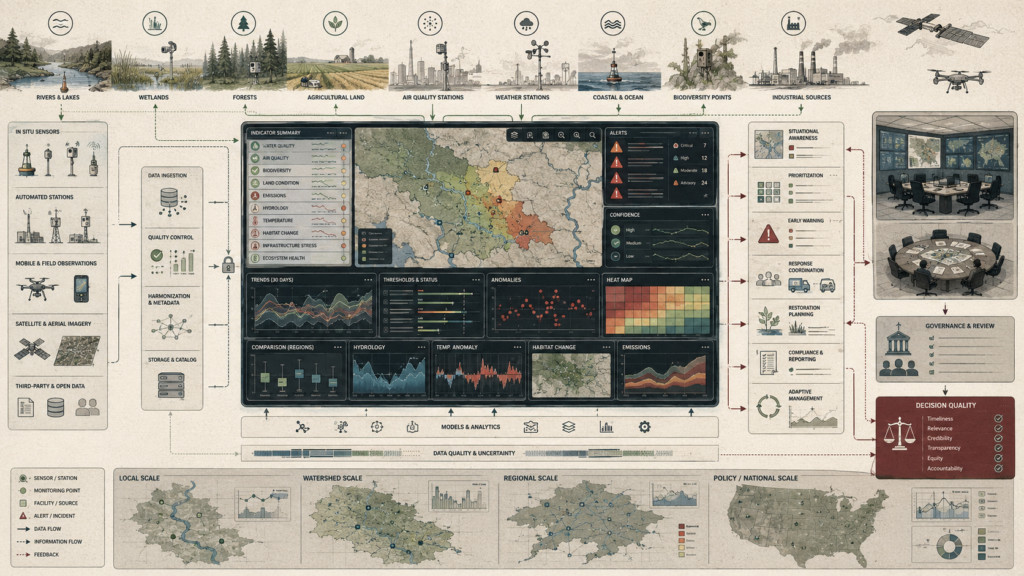
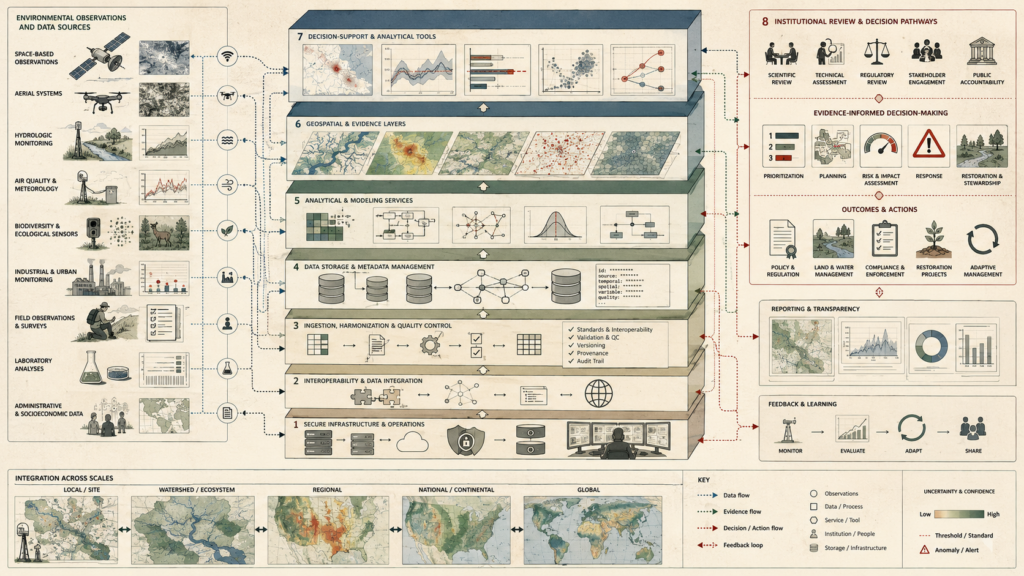
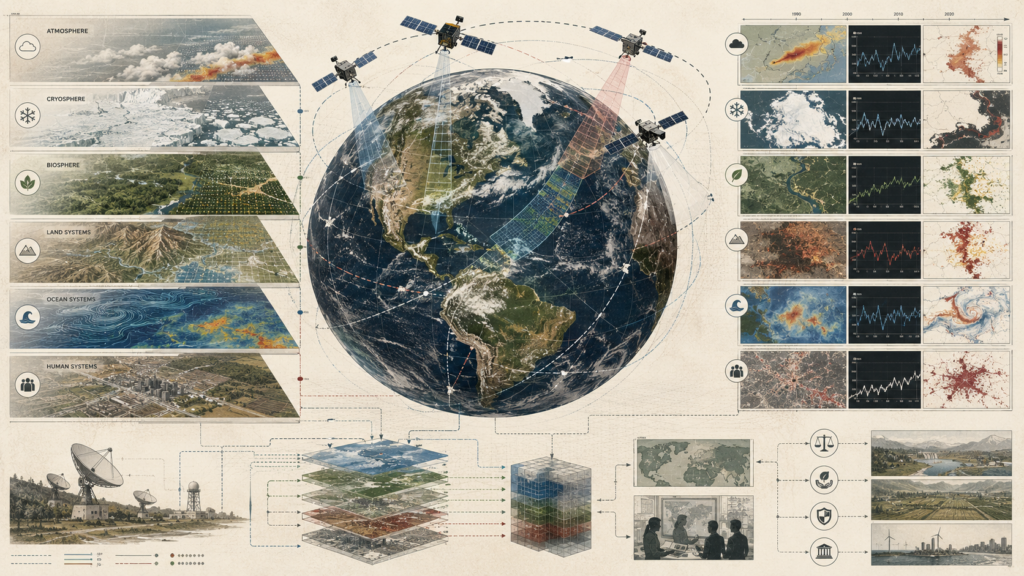
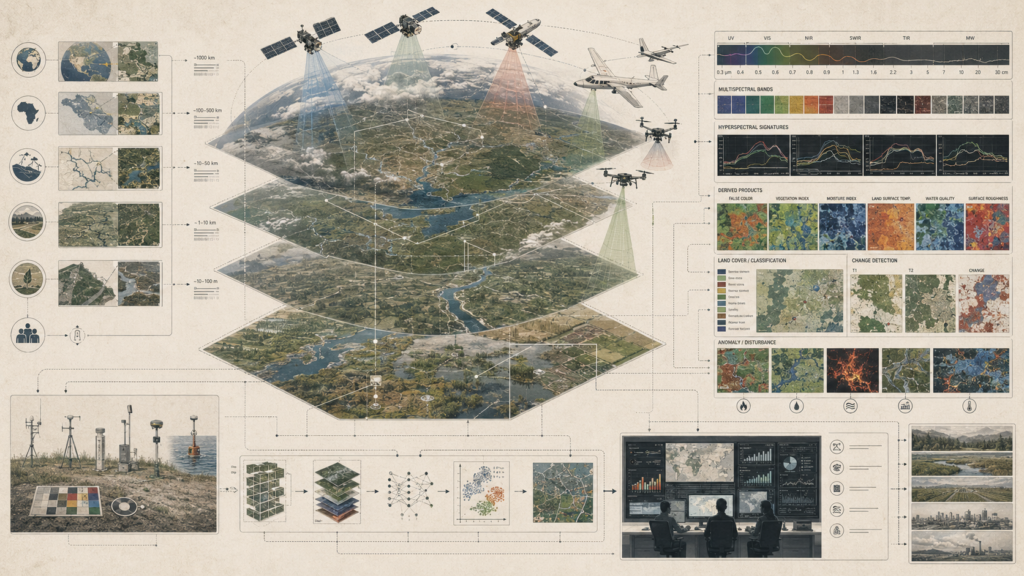
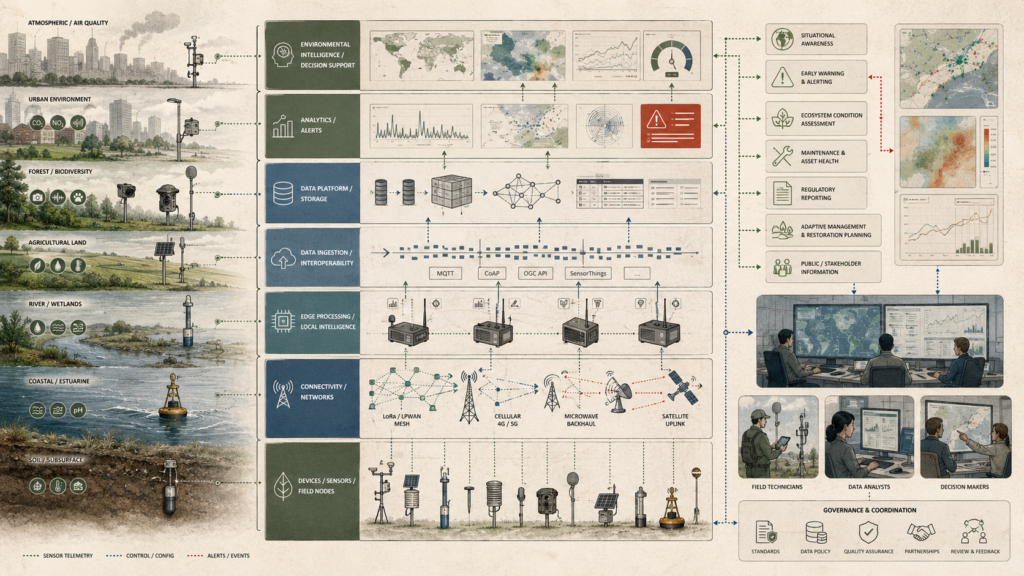
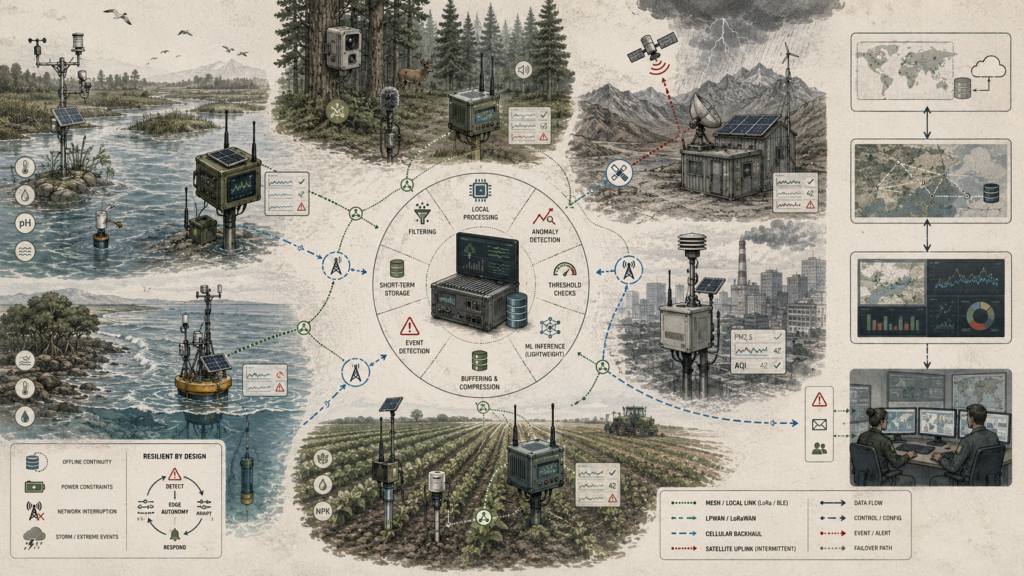
Environmental risk and resilience monitoring connects hazard detection, exposure assessment, ecological stress, recovery dynamics, and adaptive capacity into one integrated environmental intelligence system. Hazards such as wildfire, drought, heat, flooding, storms, coastal change, contamination, and biodiversity loss do not affect isolated landscapes; they move through watersheds, infrastructure networks, ecosystems, settlements, and institutions. This article examines how monitoring systems help identify risk accumulation, detect environmental shocks, define thresholds, track recovery, and support adaptive response. Resilience is treated not as a fixed condition, but as a dynamic process shaped by feedback, preparedness, repair, governance capacity, ecological learning, and long-term stewardship. By linking sensors, Earth observation, models, field evidence, recovery indicators, and public decision-making, environmental monitoring becomes a foundation for understanding when systems are under stress, how they recover, and where adaptation is most urgently needed.