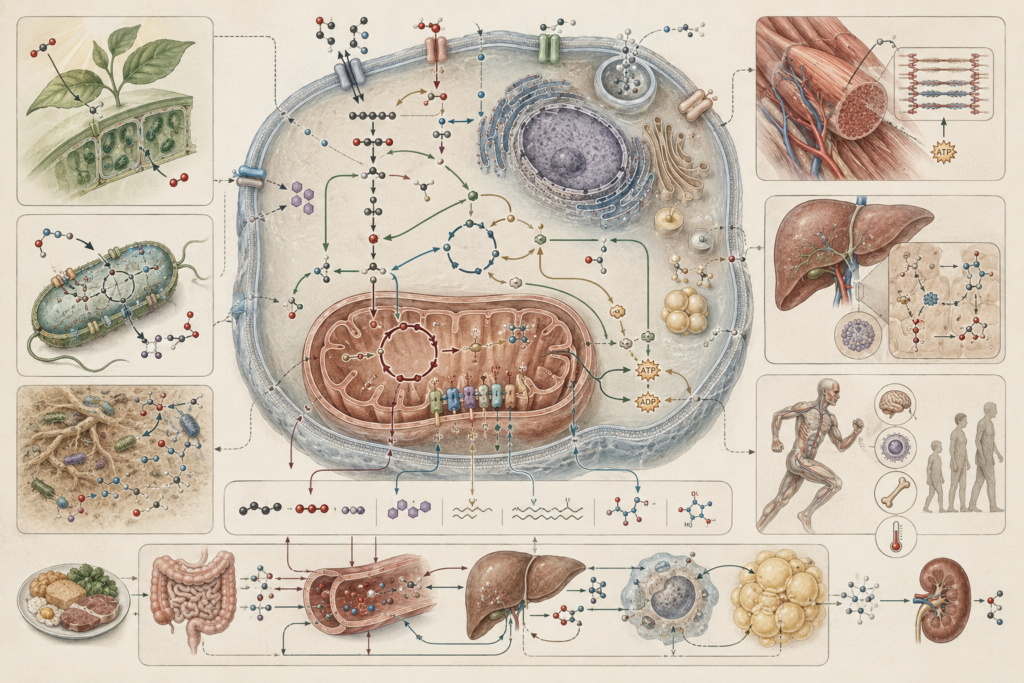
Metabolism, Energy, and Biological Function
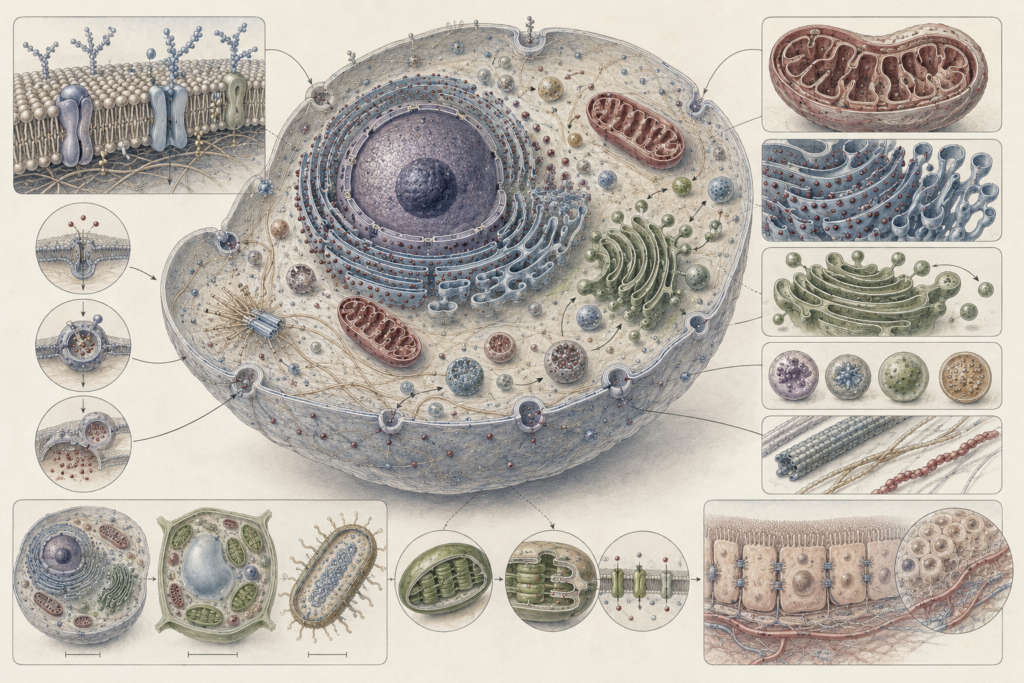
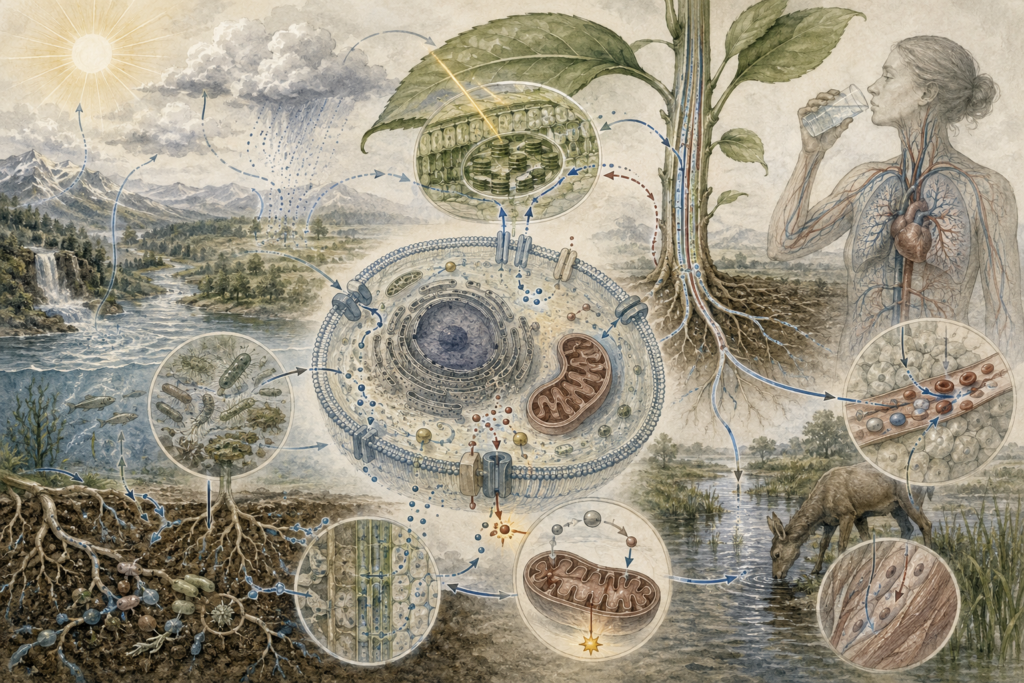
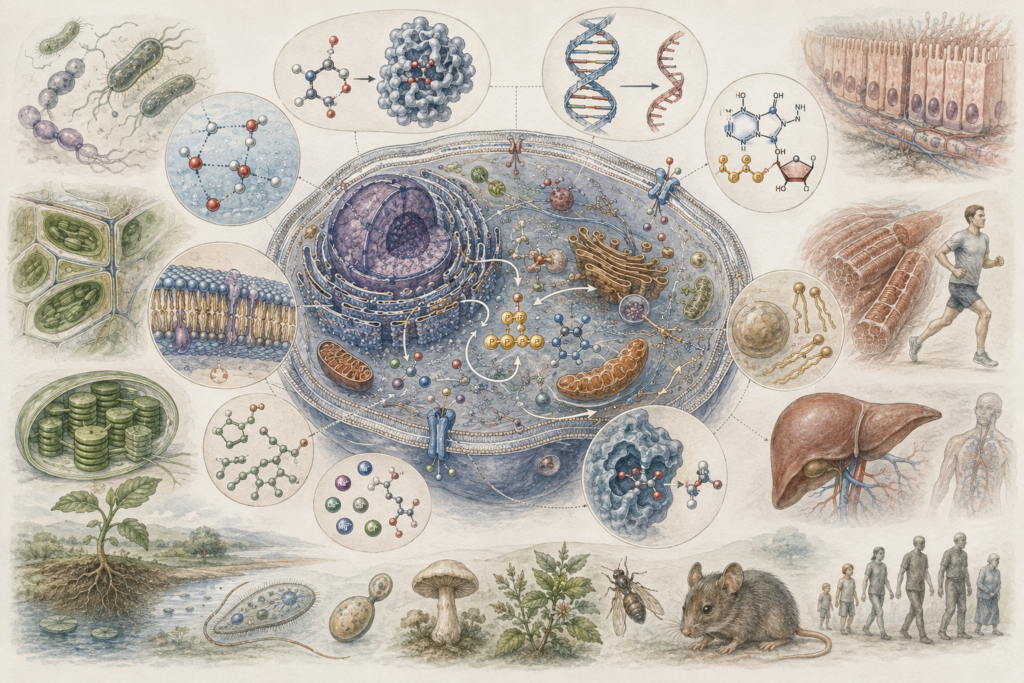
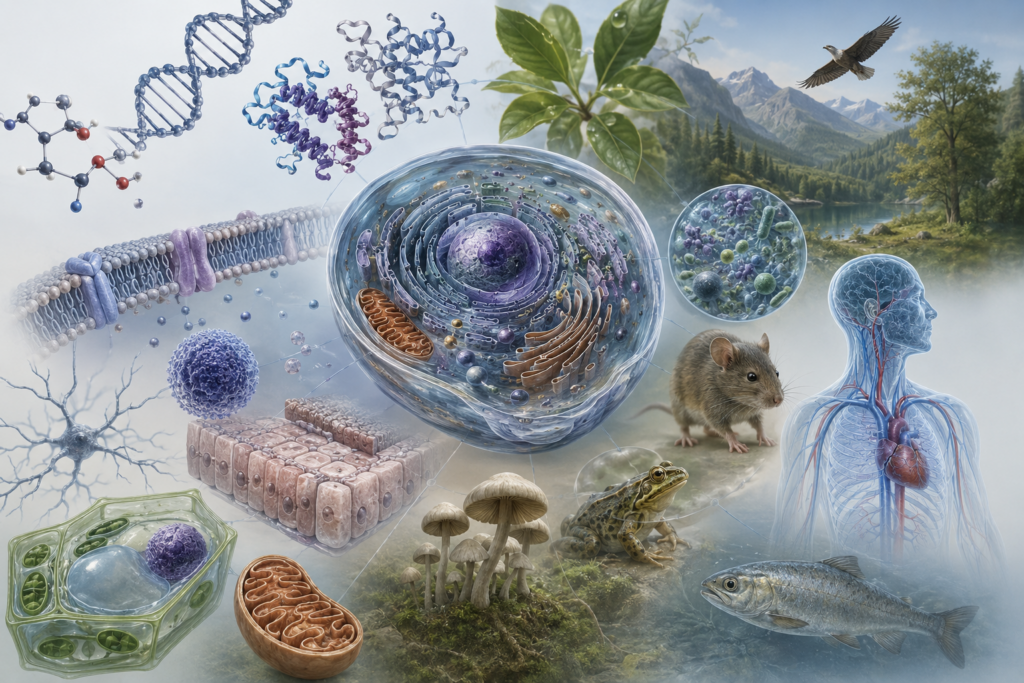
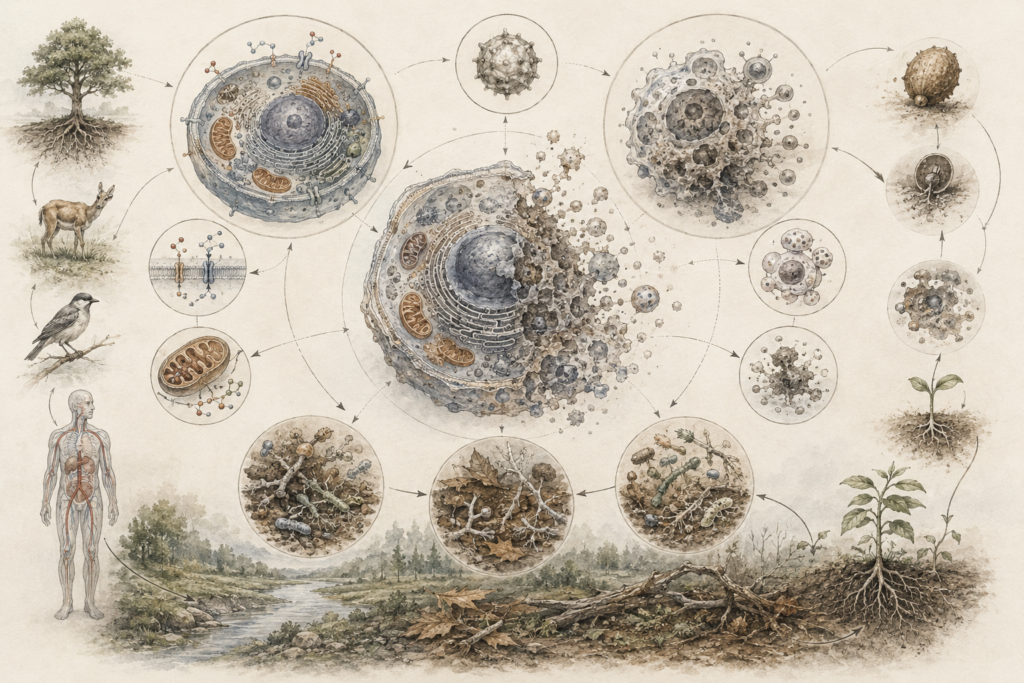
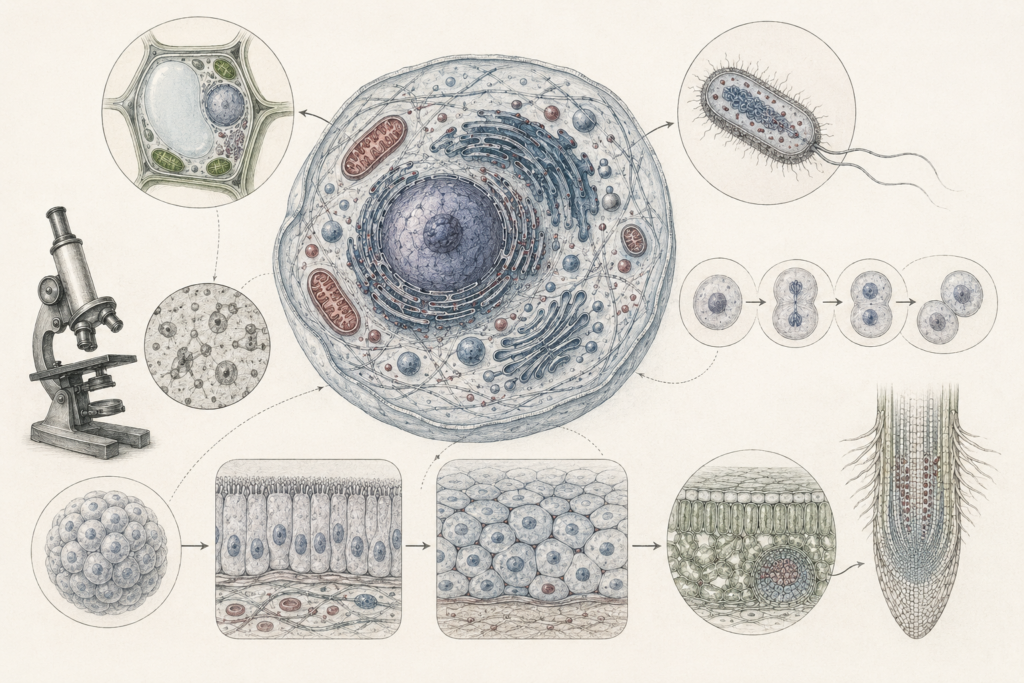
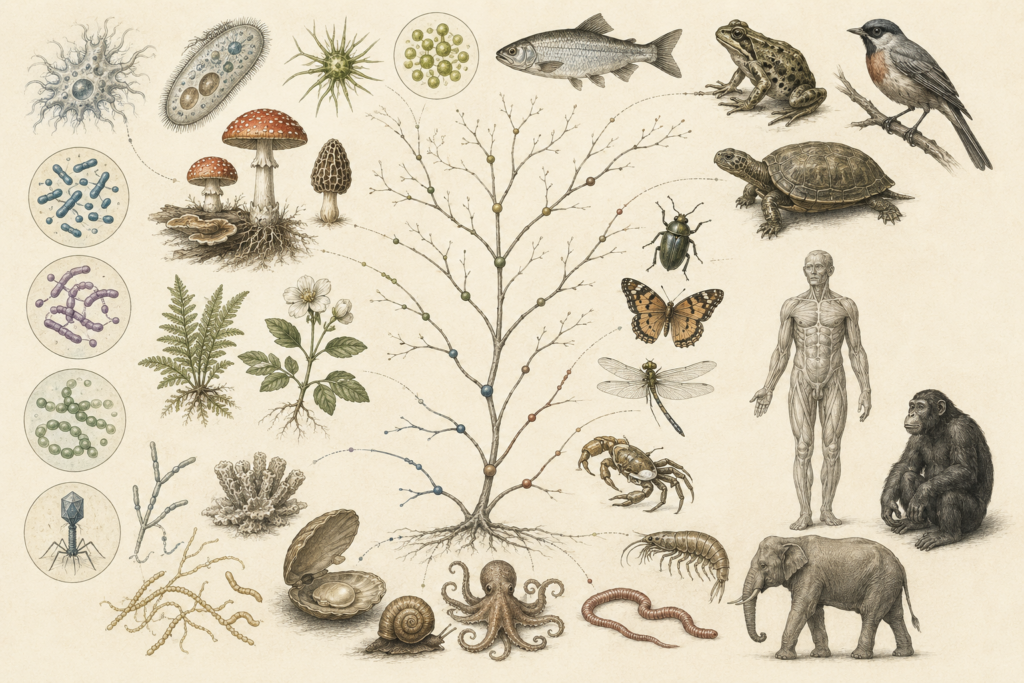
Metabolism, energy, and biological function examine how living systems acquire, transform, store, and use energy in order to maintain organization, grow, reproduce, respond to environments, and persist through time. This article explores metabolism as one of the most fundamental principles in biology, linking cells, organisms, ecosystems, and the biosphere through the movement of energy and matter. It considers how metabolic pathways sustain cellular work, how organisms differ in their strategies for obtaining and using energy, how metabolism connects to physiology, ecology, and evolution, and why energy transformation lies at the center of life’s capacity to maintain order under conditions of constraint. It also extends metabolism into quantitative and computational biology through rates, fluxes, energetic efficiency, growth models, and R- and Python-based workflows, while connecting the topic to sustainability-adjacent fields such as ecology, marine biology, freshwater biology, soil biology, plant science, microbiology, agroecology, forestry, disease ecology, and biogeochemical cycles.