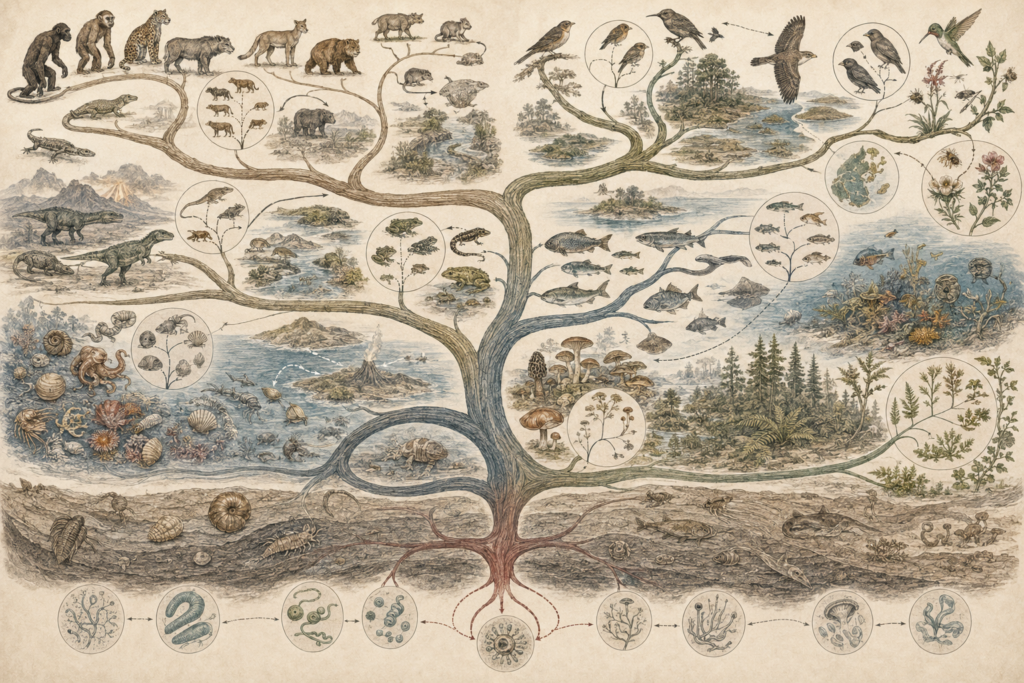
Speciation, Diversity, and the Tree of Life
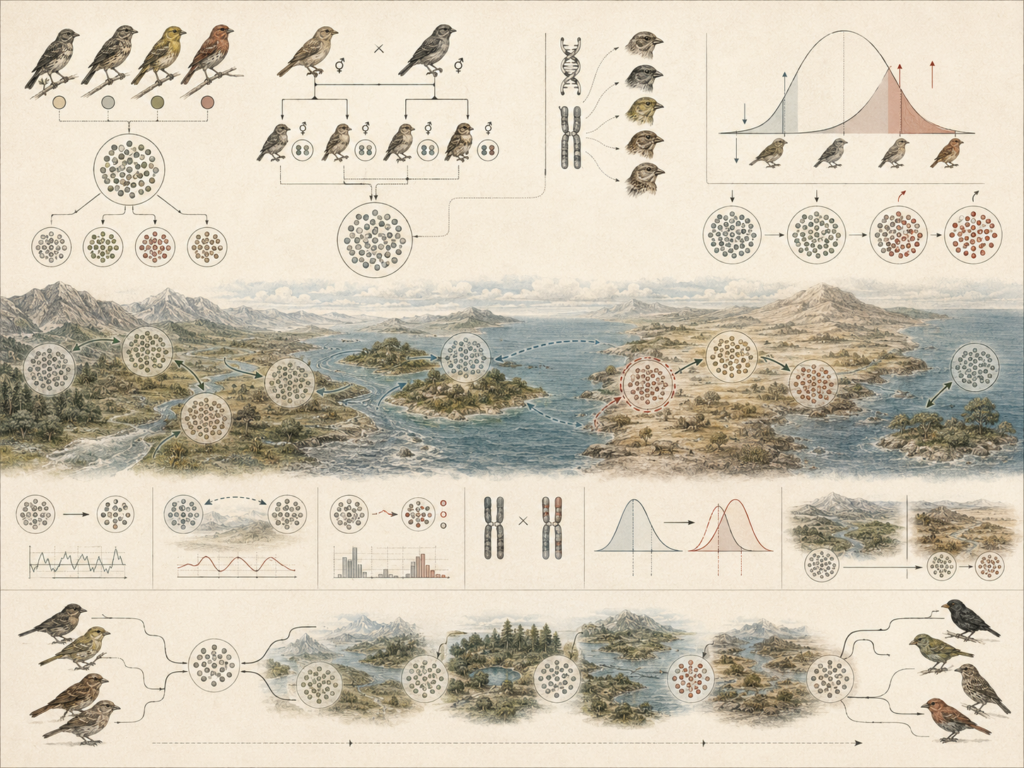
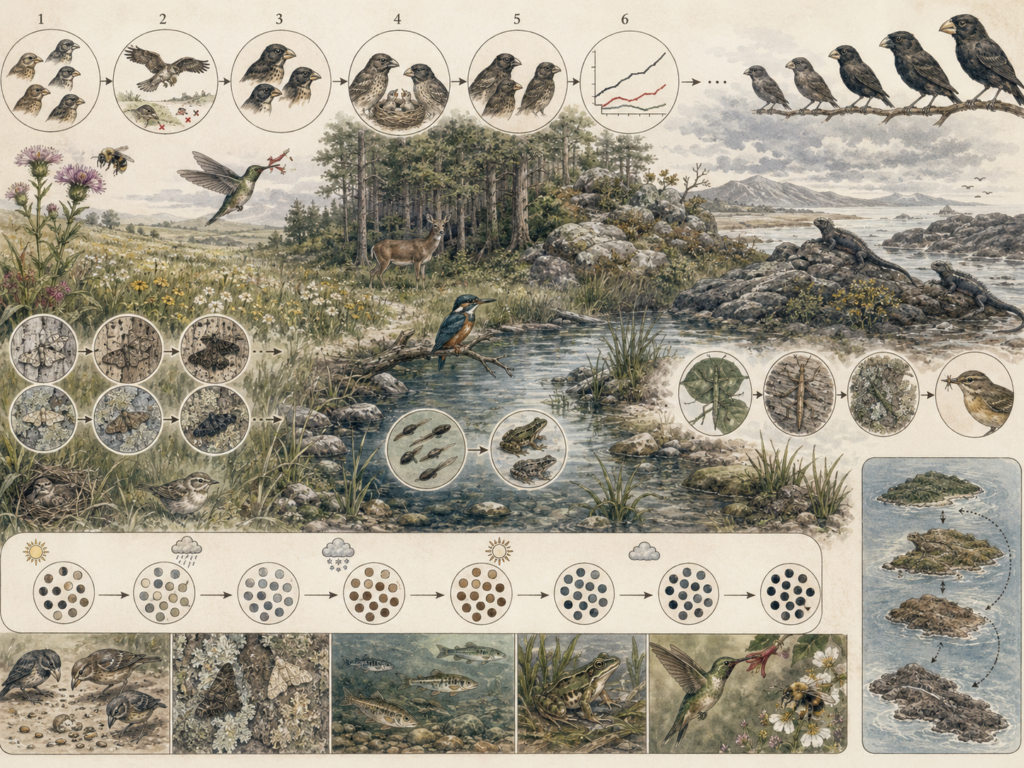
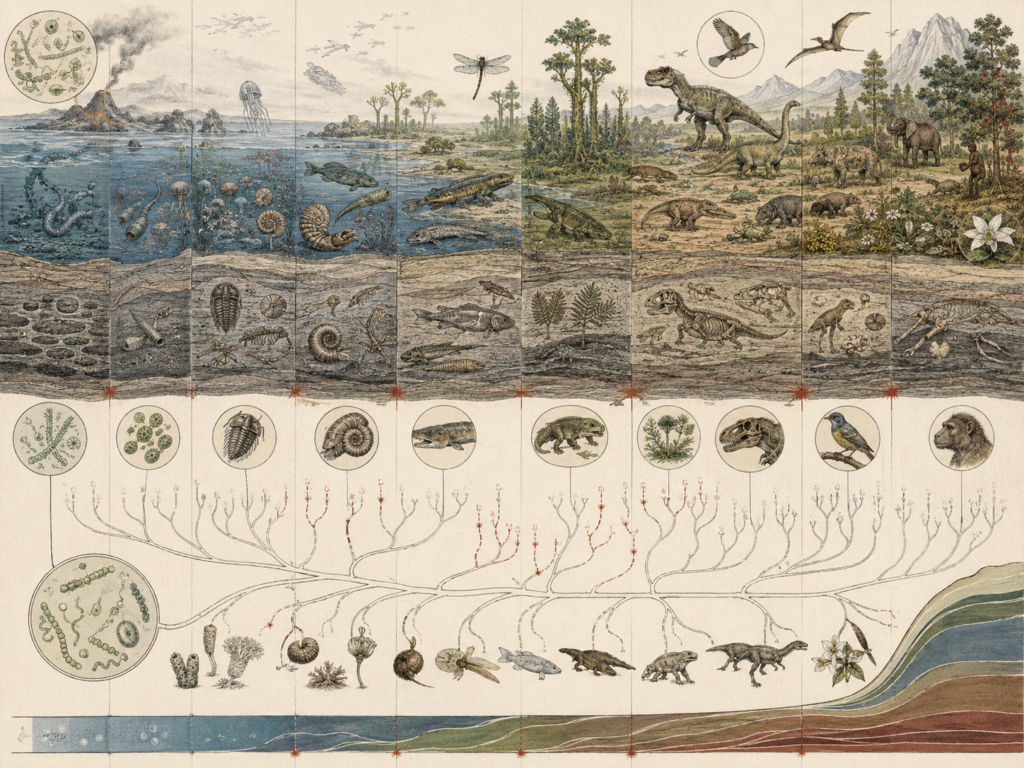
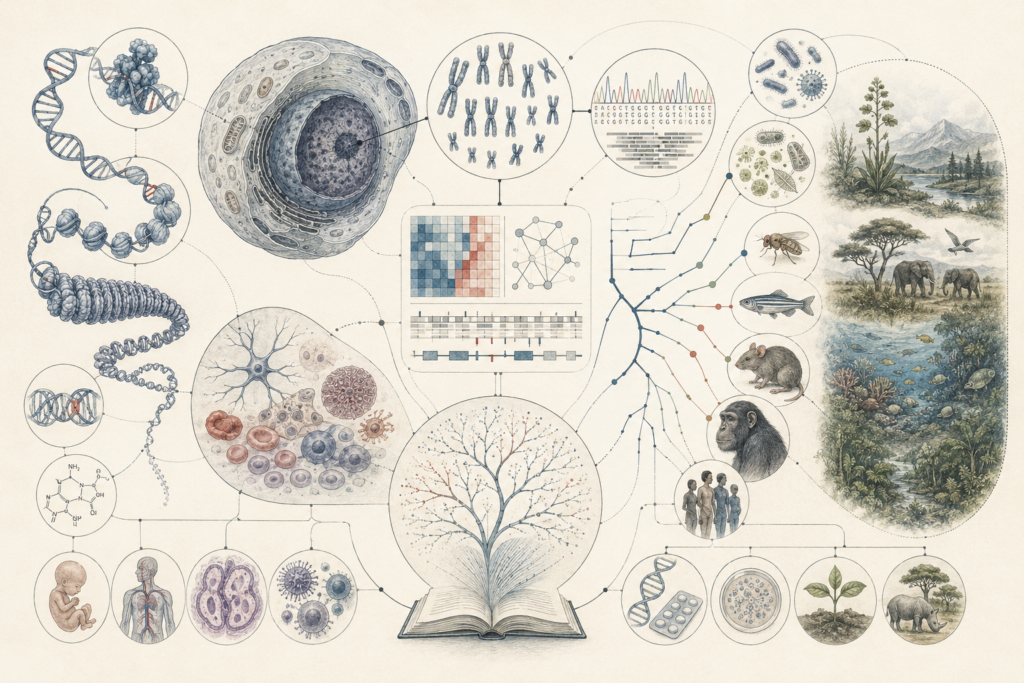
Speciation, diversity, and the tree of life examine how new species arise, how evolutionary branching generates the diversity of organisms on Earth, and how phylogenetic reasoning helps biology reconstruct the historical relationships among living and extinct lineages. Speciation is one of the central processes in biology because the richness of life does not emerge from variation within populations alone, but from the repeated splitting, divergence, and persistence of lineages across deep time. This article explores speciation as the origin of new species, diversity as the historical outcome of branching evolution under ecological, developmental, and geological conditions, and the tree of life as the framework through which common ancestry and evolutionary relatedness are represented. It also examines how reproductive isolation, divergence, extinction, phylogenetics, and comparative biology shape modern understanding of biodiversity, while extending the topic into quantitative and computational biology through branching models, frequency change, distance reasoning, and R- and Python-based workflows.