AI Systems in Organizations and Institutions
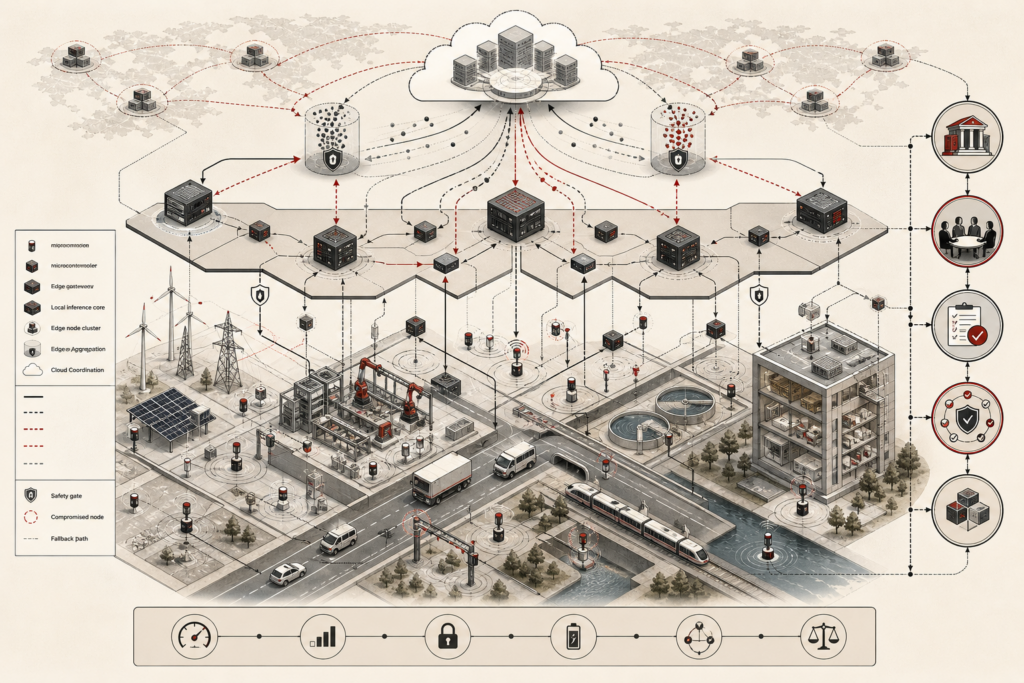
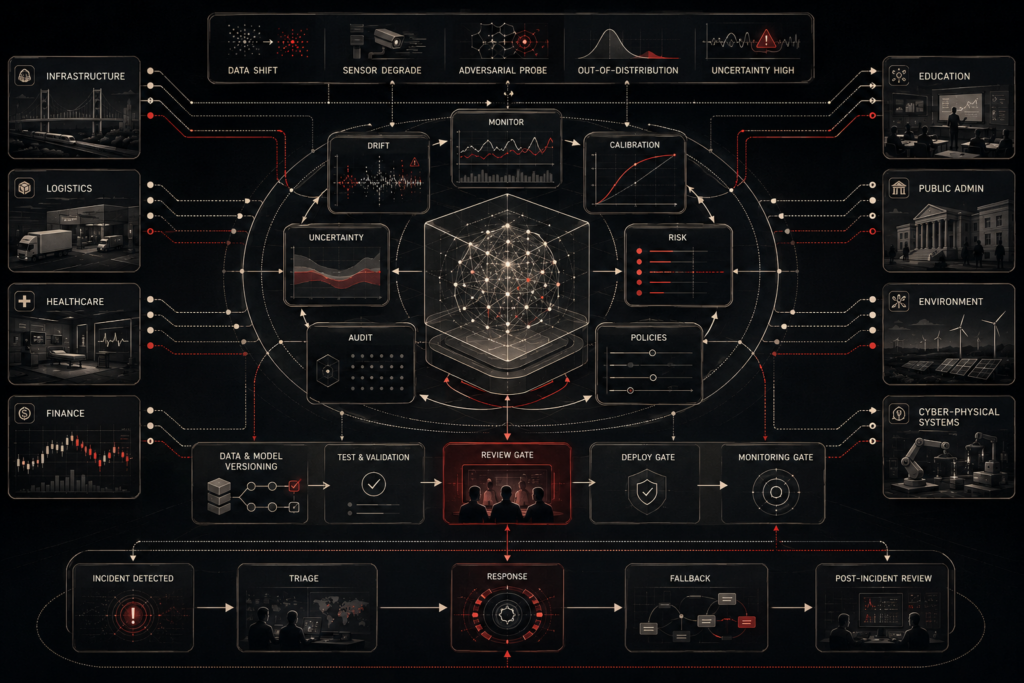
AI systems in organizations and institutions examine how machine learning, algorithmic decision-making, data infrastructure, workflow automation, and human oversight reshape structured social systems. This article explains organizations as information-processing systems, bounded rationality, AI-mediated decision-making, human–AI decision structures, workflow transformation, organizational learning, authority, power, institutional theory, legitimacy, public-sector AI, labor, skill, organizational risk, governance, accountability, and institutional constraints. It shows why AI adoption is not simply a technical upgrade, but an organizational redesign problem involving decision rights, trust, oversight, professional judgment, and institutional legitimacy. The article also introduces mathematical lenses for bounded rationality, decision allocation, AI-mediated authority, organizational risk, governance loops, and AI readiness, alongside Python and R workflows for organizational AI-readiness scoring, workflow-risk diagnostics, decision-mode recommendation, governance-gap analysis, and institutional accountability review.