AI Strategy and Competitive Advantage
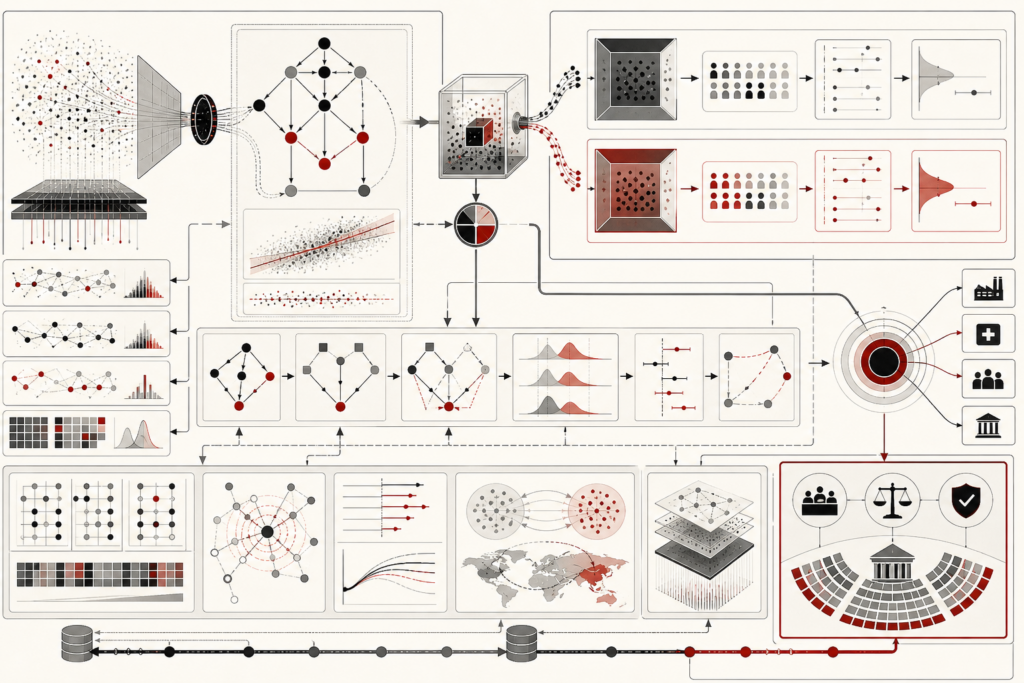
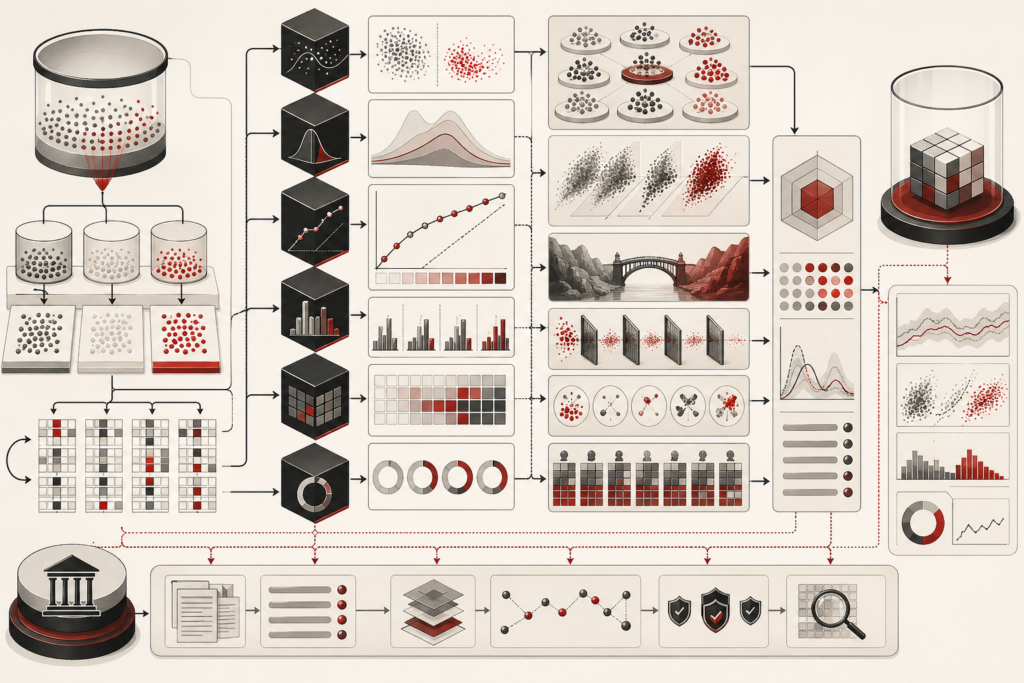
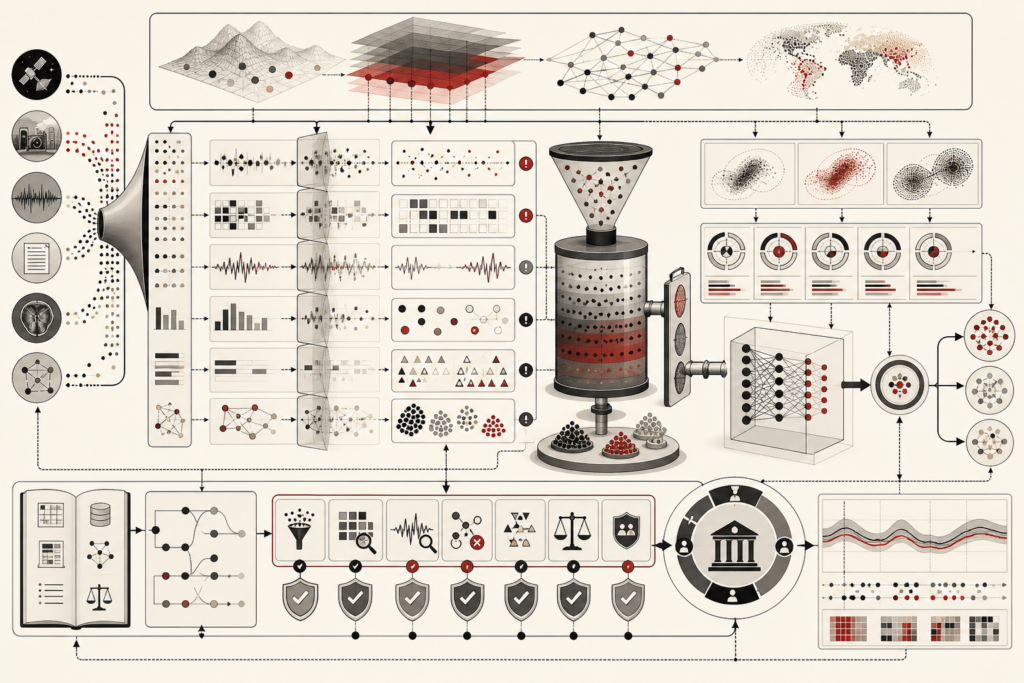
AI strategy and competitive advantage examine how firms convert artificial intelligence from a technical capability into a durable source of value, defensibility, productivity, learning, and organizational performance. This article explains resource-based strategy, dynamic capabilities, temporary versus durable advantage, strategic complements, make-buy-partner decisions, defensibility, platform dependence, value capture, workforce learning, organizational redesign, governance, trust, productivity, and AI strategy failure modes. It shows why access to foundation models, APIs, copilots, and automation tools does not automatically create competitive advantage unless AI is connected to proprietary data, workflow integration, distribution, institutional trust, and hard-to-copy organizational capabilities. The article also introduces mathematical lenses for AI value, durable advantage, VRIO scoring, value capture, sourcing fit, strategic dependence, and organizational learning, alongside Python and R workflows for AI portfolio scoring, value-capture diagnostics, sourcing decisions, and defensibility analysis.