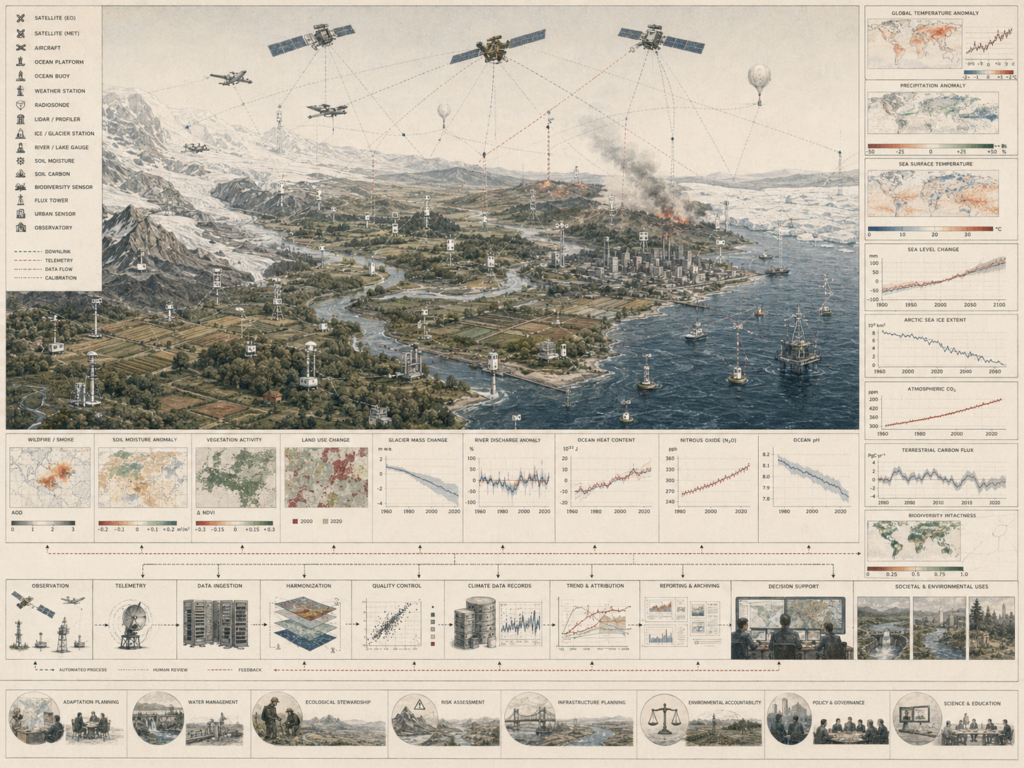
Climate Monitoring Systems and Environmental Observation
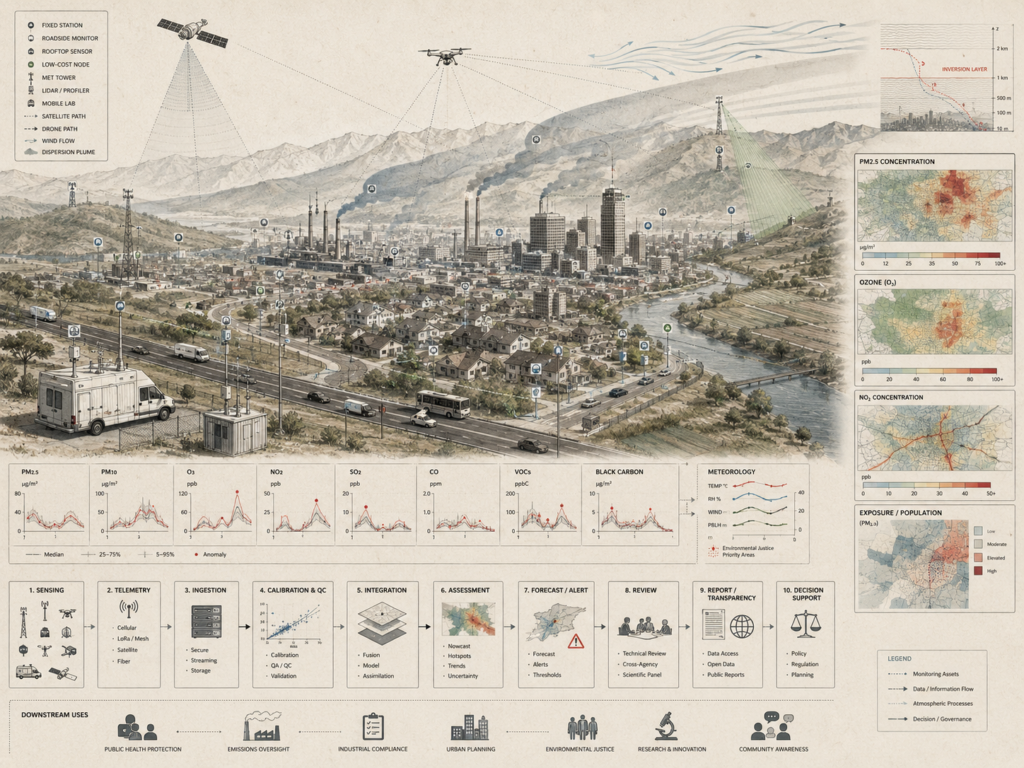
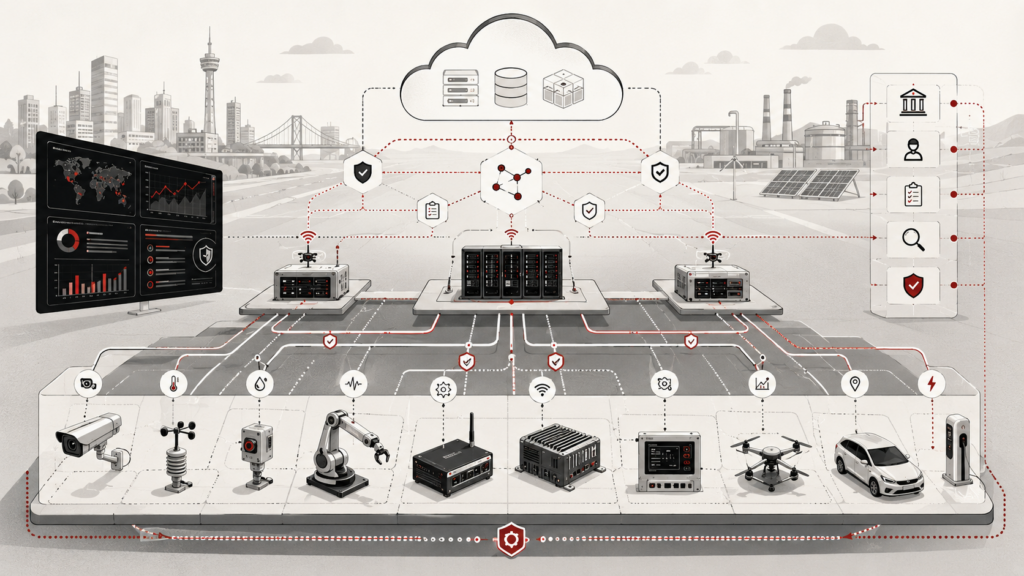
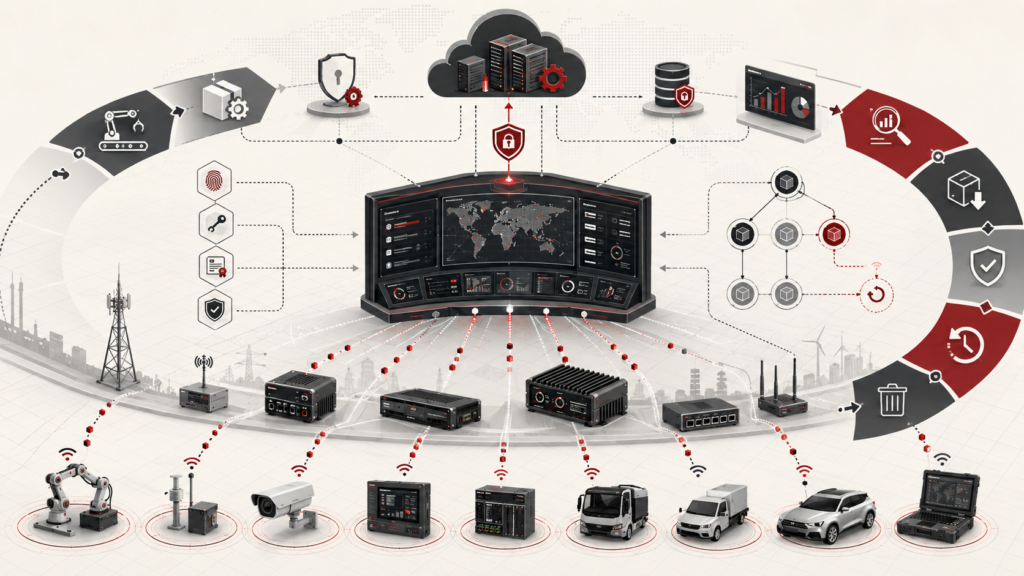
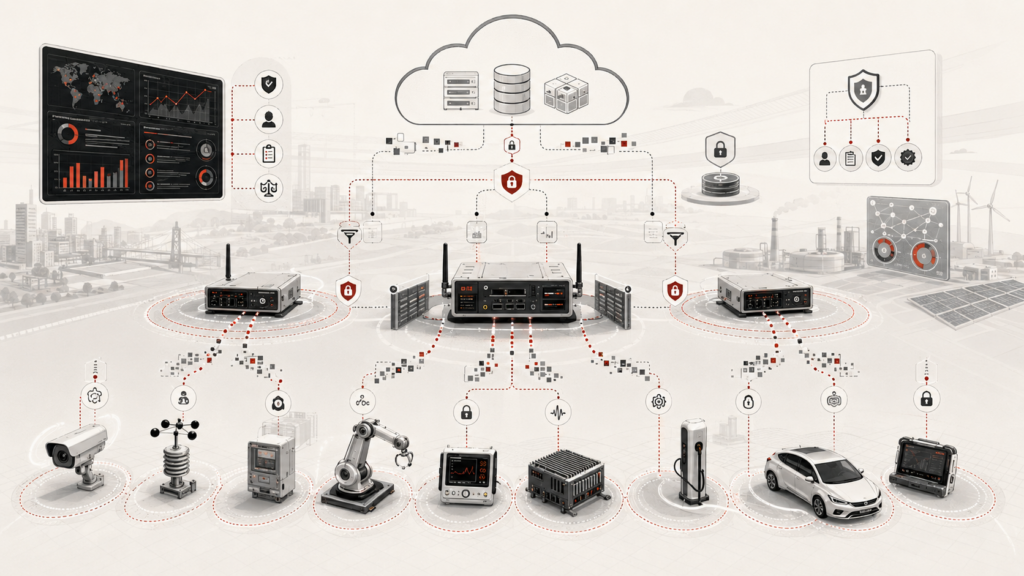
Climate monitoring systems turn long-term environmental observation into evidence for understanding planetary change. Satellites, weather stations, ocean buoys, glacier monitors, flux towers, river gauges, soil sensors, biodiversity observations, aircraft, radiosondes, and atmospheric instruments measure conditions across atmosphere, land, ocean, cryosphere, ecosystems, and human settlements. This article examines how climate evidence becomes useful through telemetry, harmonization, quality control, climate data records, trend detection, attribution, uncertainty assessment, reporting, and archival stewardship. Climate monitoring is not only about tracking warming; it connects temperature, precipitation, sea level, ocean heat, greenhouse gases, vegetation change, wildfire smoke, soil moisture, river discharge, biodiversity condition, and carbon-cycle signals to public decision-making. By linking observation to accountability, climate monitoring supports adaptation, risk assessment, infrastructure planning, ecological stewardship, and climate governance.