IoT Architectures for Environmental Monitoring: Devices, Platforms, and Environmental Intelligence
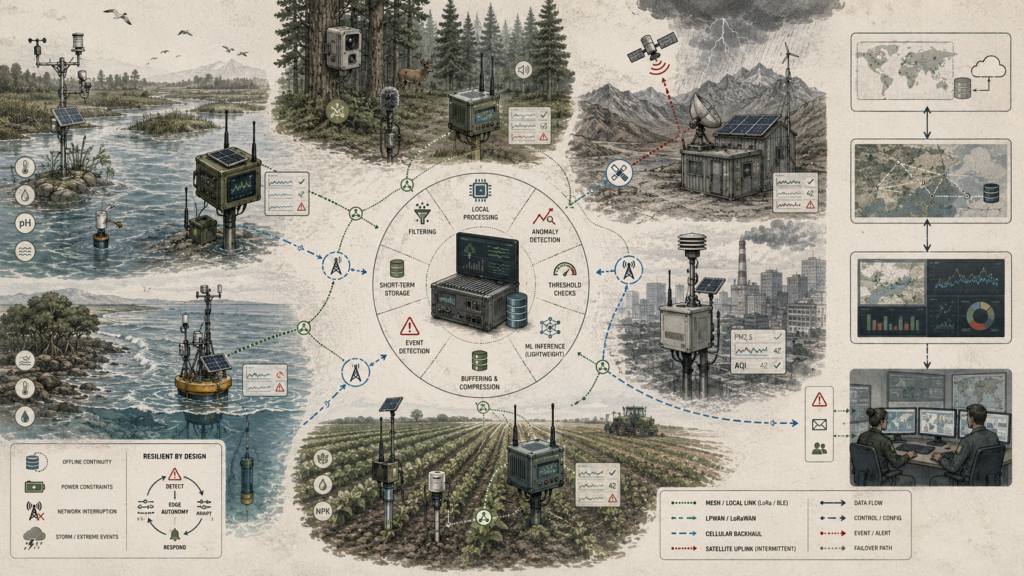
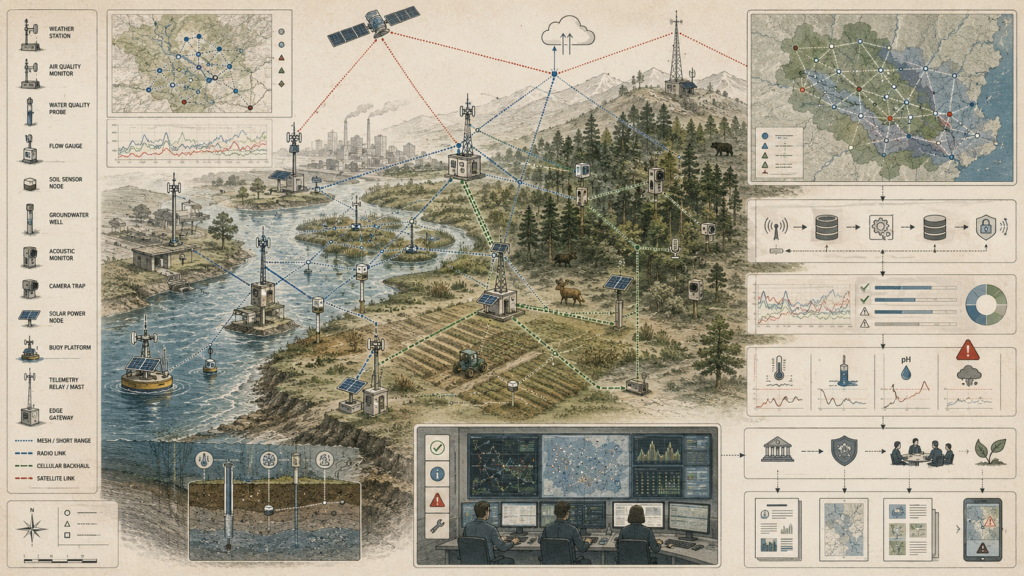
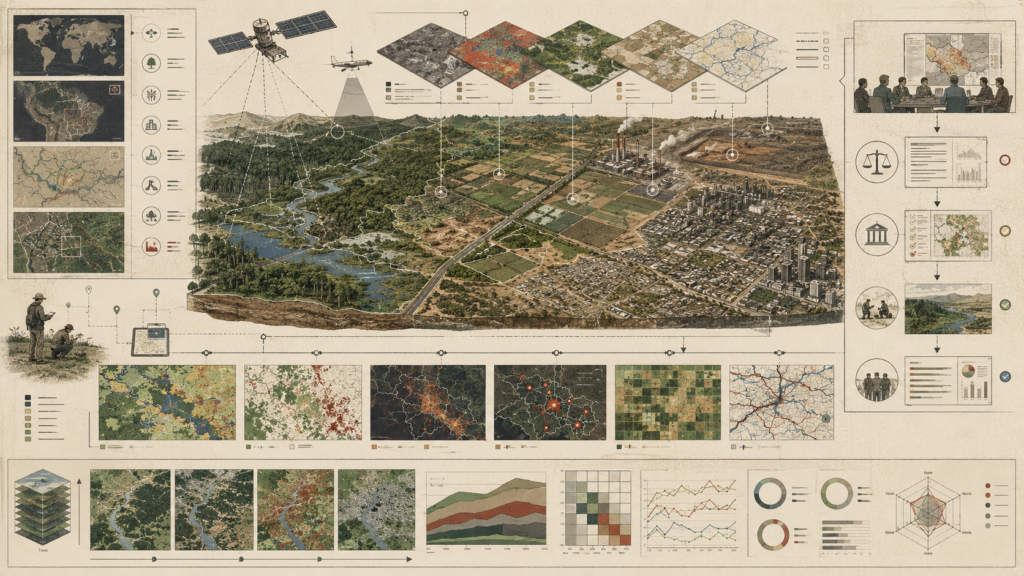
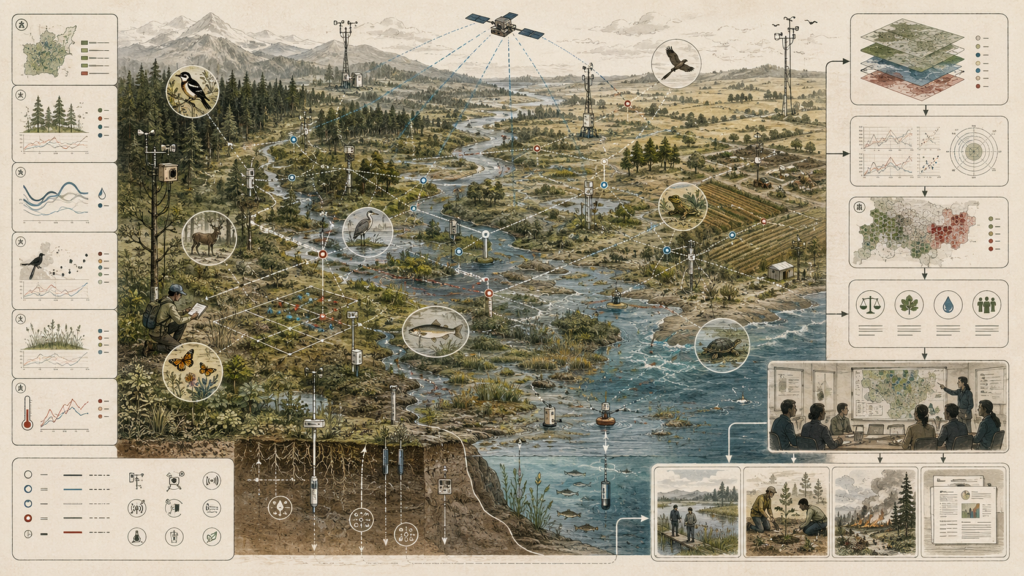
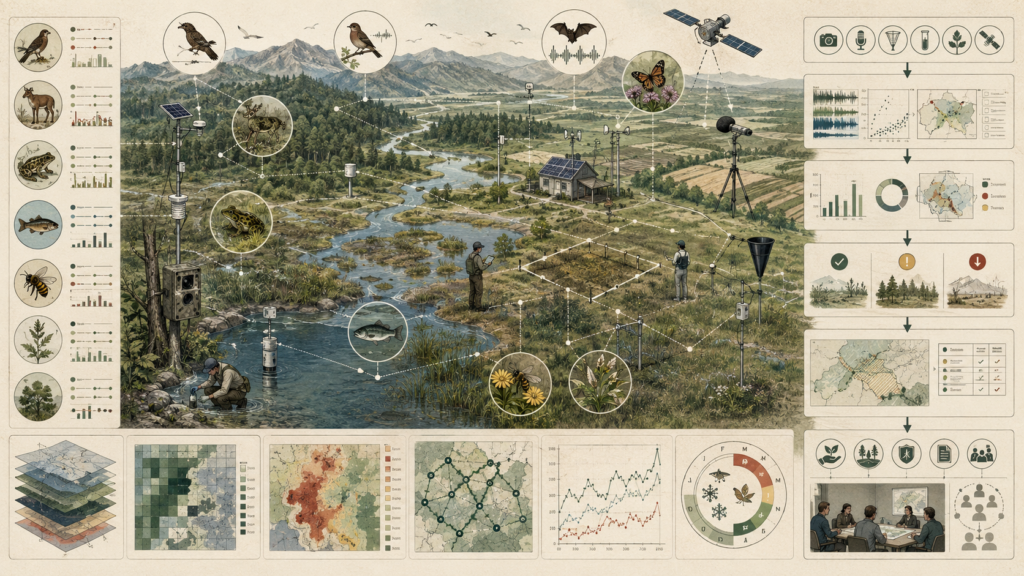
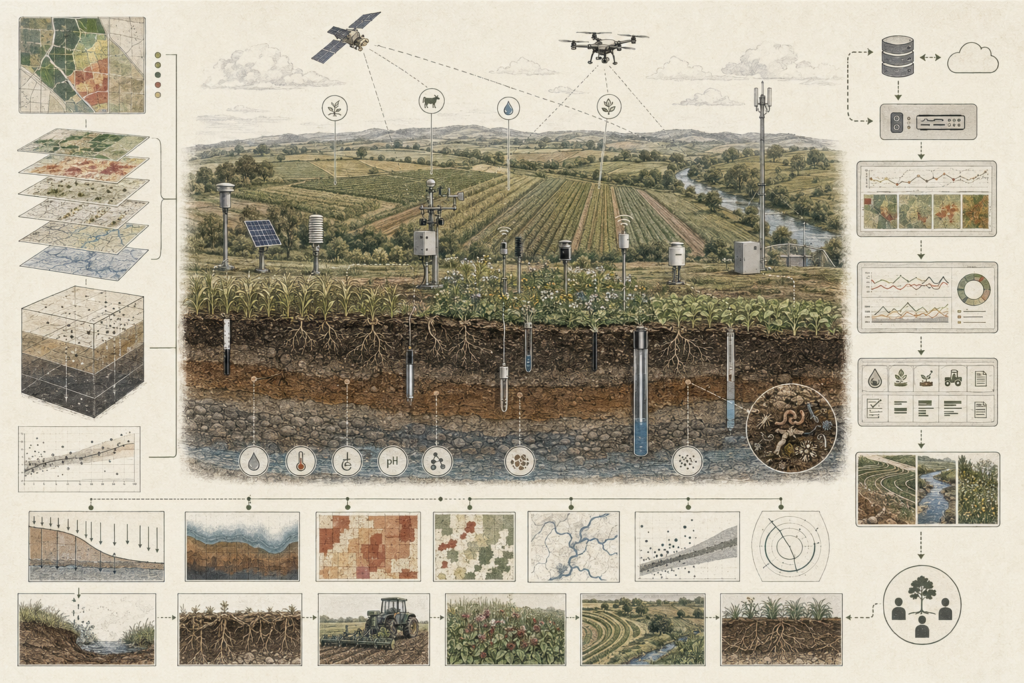
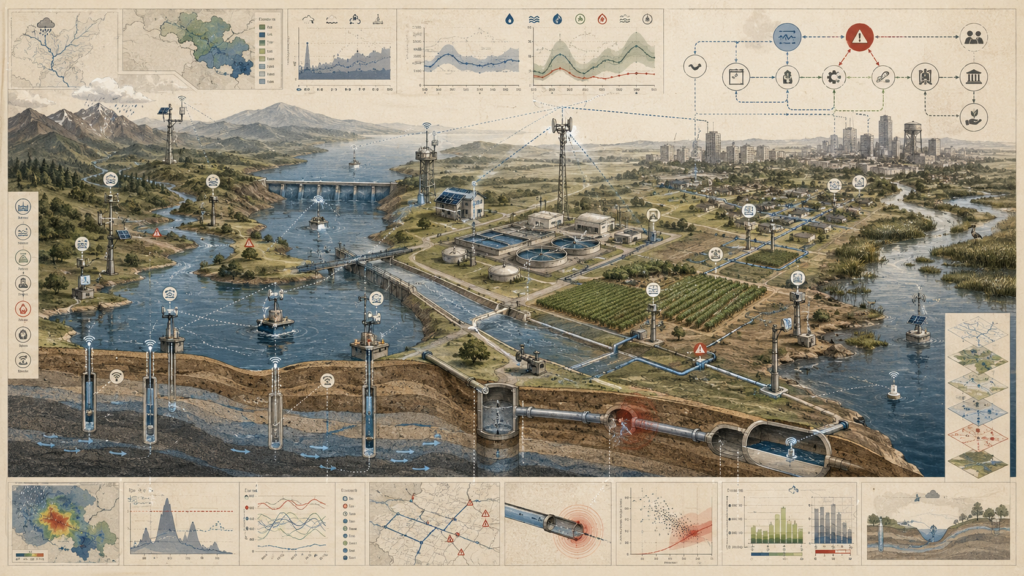
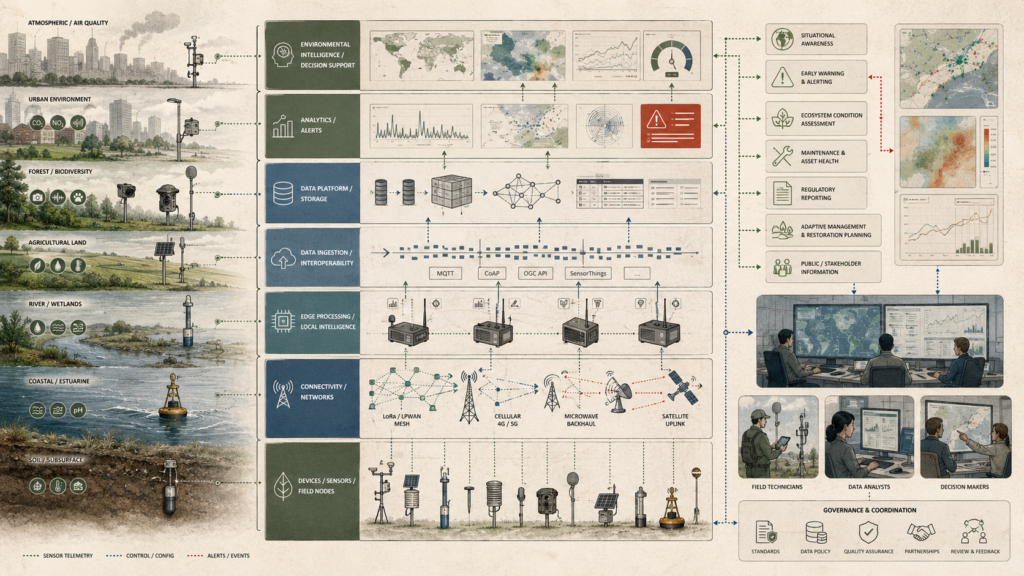
IoT architectures make environmental monitoring more distributed, continuous, and actionable. Field sensors, weather stations, water-quality probes, soil-moisture devices, camera traps, acoustic sensors, air-quality stations, buoys, and low-power remote nodes collect signals from forests, farms, rivers, wetlands, cities, coastal systems, and subsurface environments. This article examines how these devices become environmental intelligence when they are connected through gateways, mesh networks, LPWAN, cellular links, satellite uplinks, edge processing, interoperable data platforms, analytics, alerts, and decision-support workflows. The value of environmental IoT is not the hardware alone; it is the architecture that links telemetry, device health, data quality, anomaly detection, early warning, ecosystem assessment, regulatory reporting, maintenance, restoration planning, and adaptive management into accountable systems for environmental stewardship.