Infrastructure Risk Management Systems: Criticality, Continuity and Uncertainty
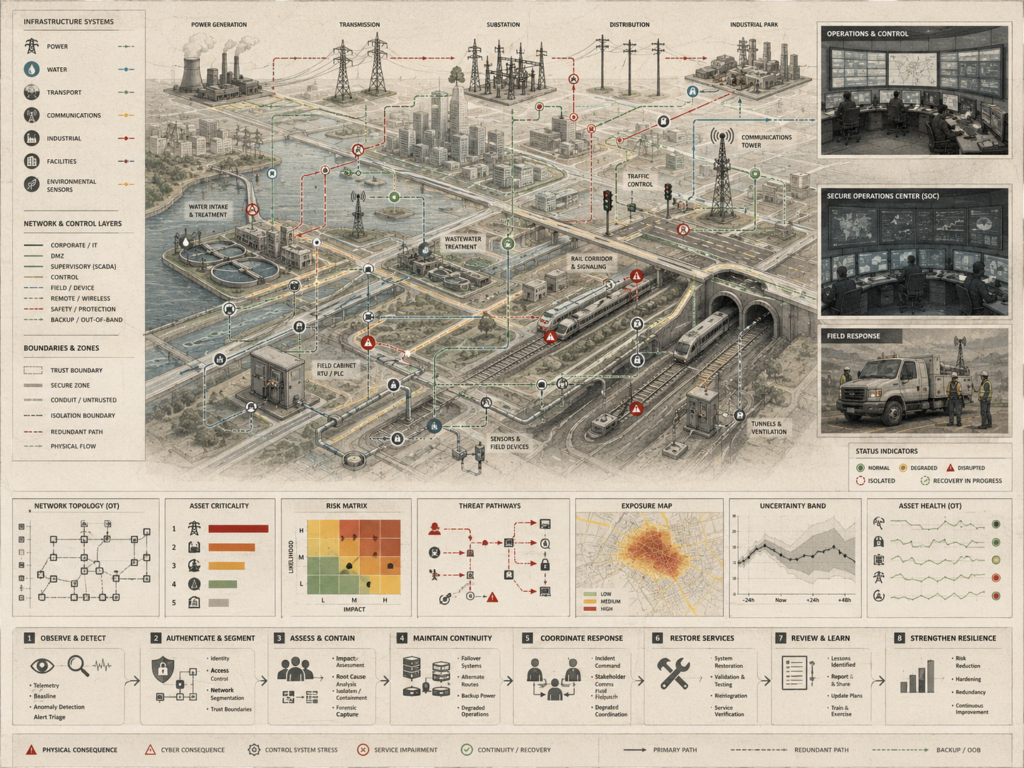
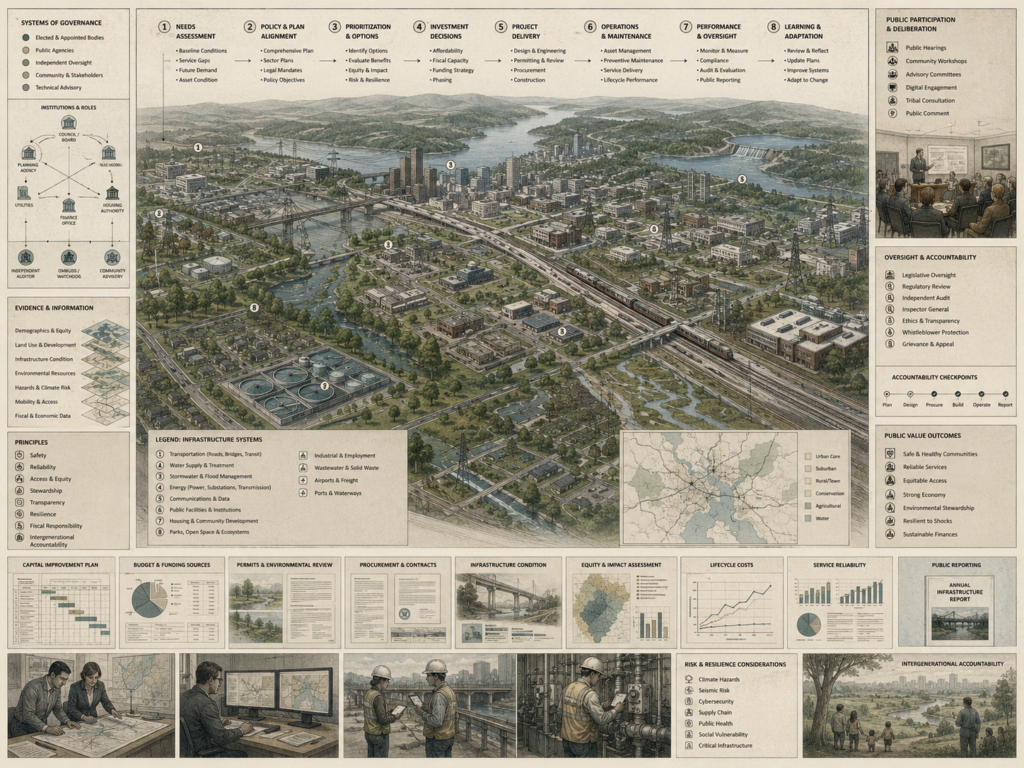
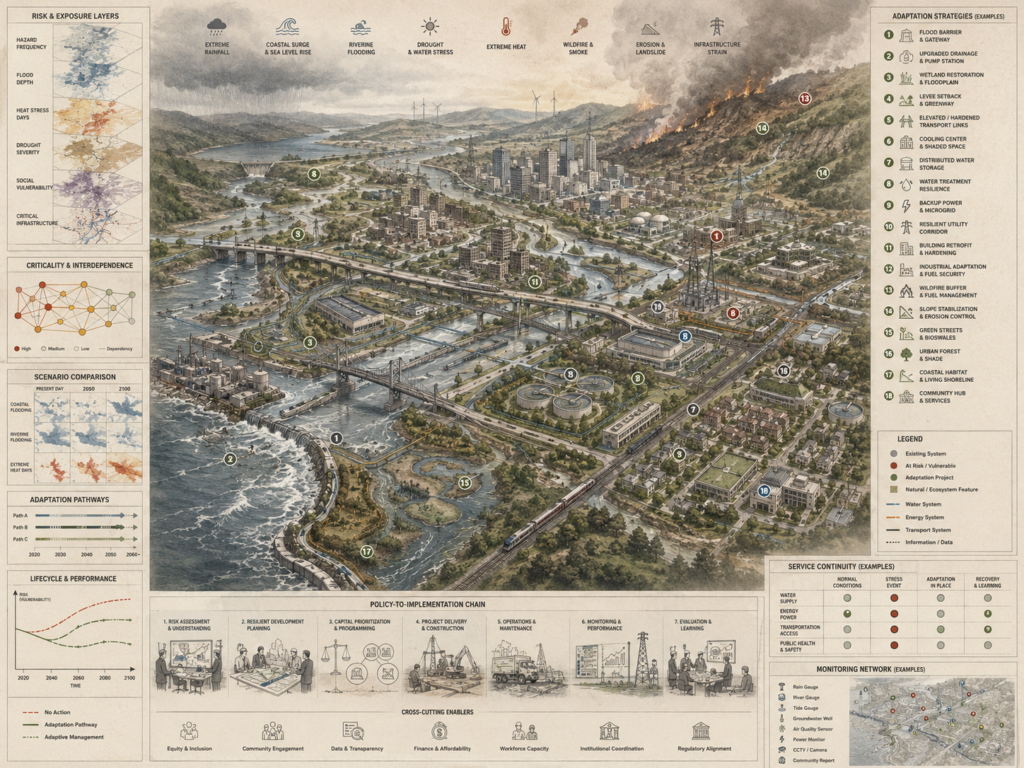
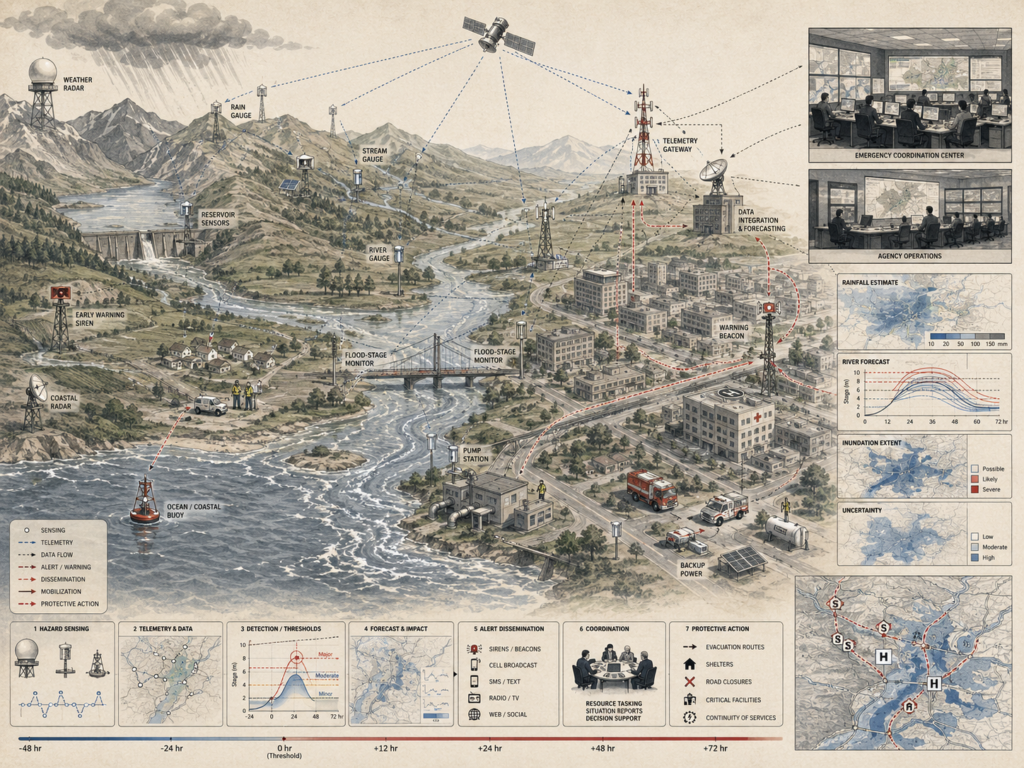
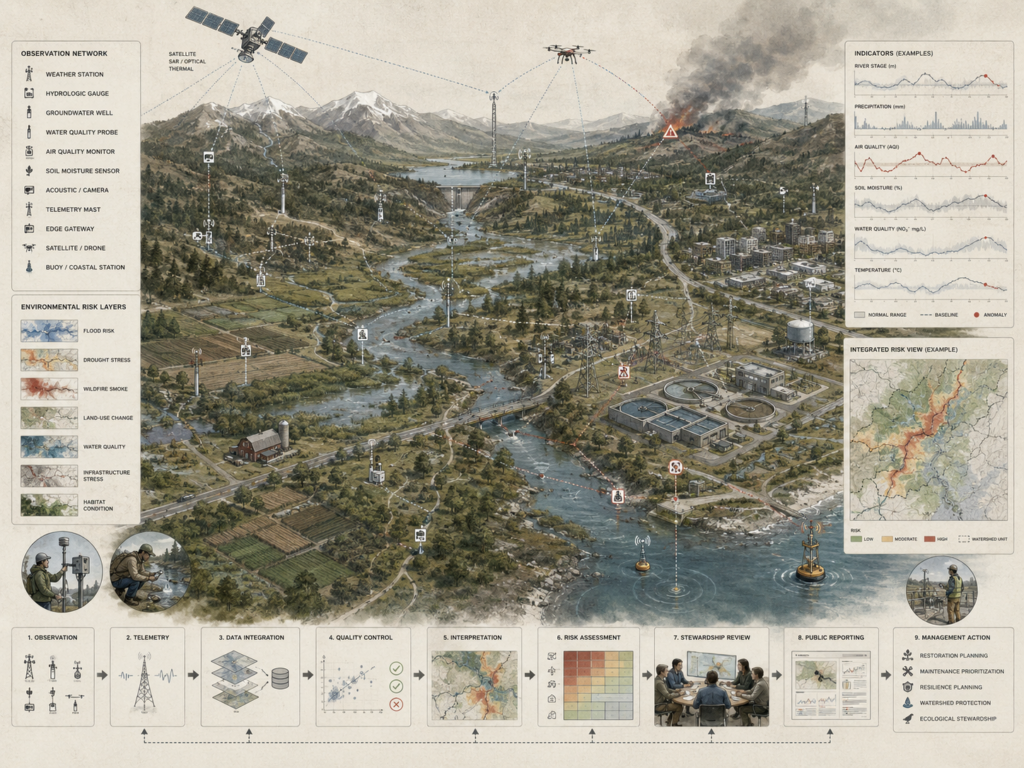
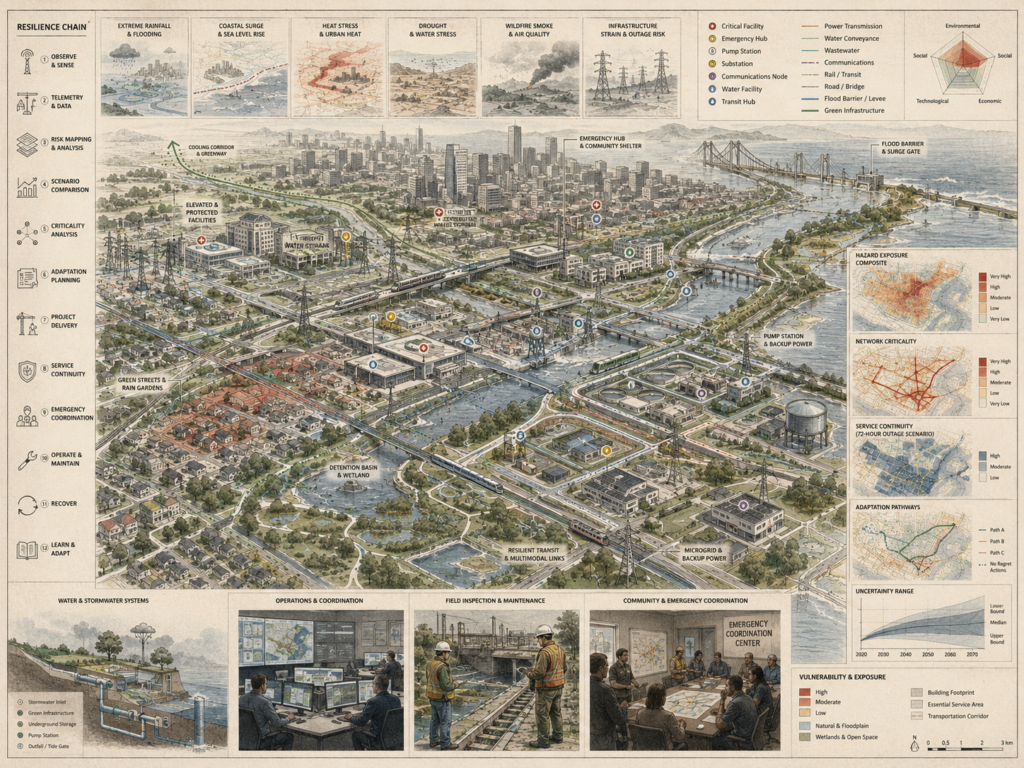
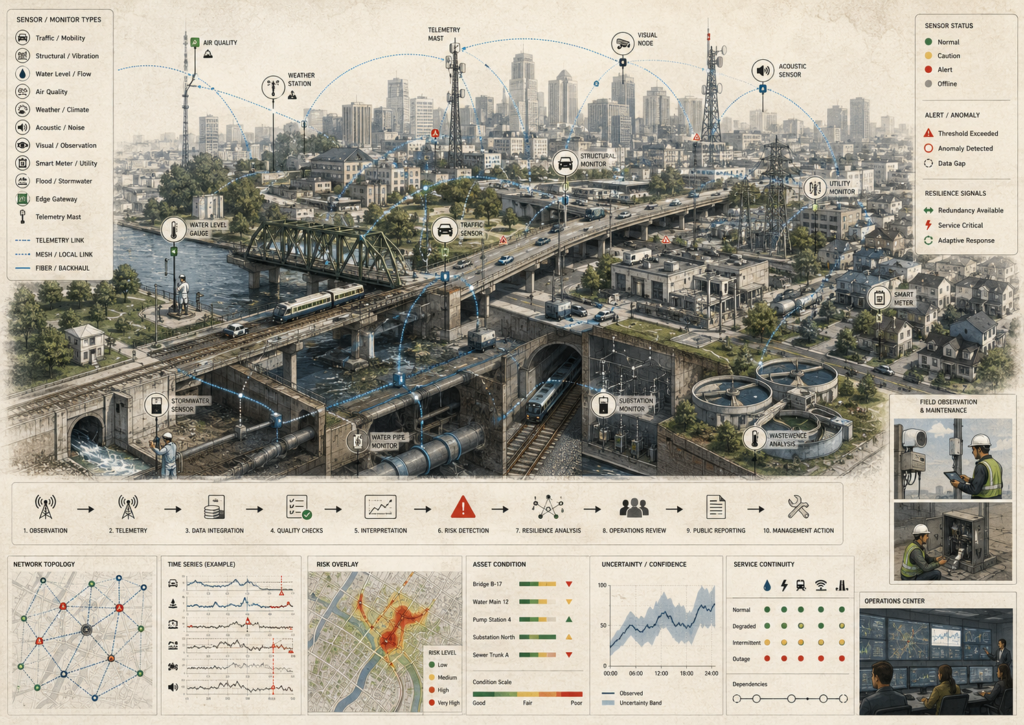
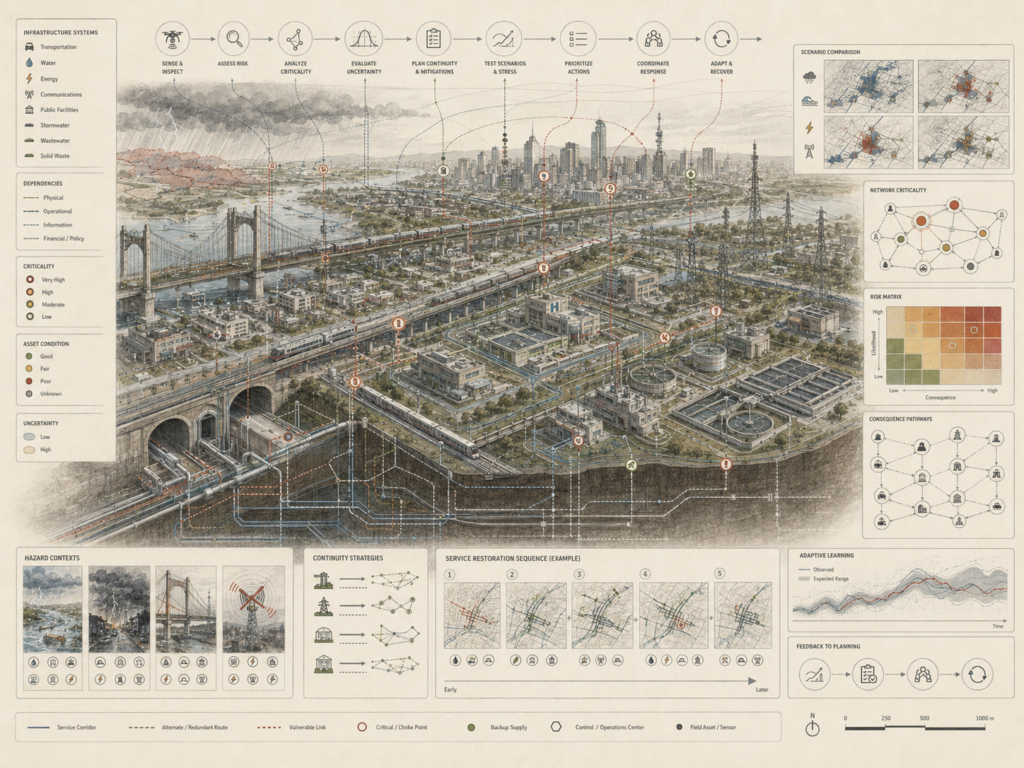
Infrastructure risk management systems help institutions protect essential services under uncertainty. Transportation, water, energy, communications, stormwater, wastewater, public facilities, and underground utilities do not fail in isolation; they are connected through physical, operational, informational, financial, and governance dependencies. This article examines how criticality analysis, asset condition, hazard exposure, scenario testing, consequence pathways, uncertainty assessment, continuity planning, redundancy, response coordination, and service-restoration sequencing support more resilient infrastructure decisions. Risk management is not only about identifying what could go wrong; it is about understanding which failures matter most, how disruptions cascade, which services must continue, and where intervention can reduce harm. By linking criticality, continuity, and uncertainty to accountable planning, infrastructure risk management supports public safety, institutional readiness, adaptive recovery, and long-term public value.