Intergenerational Justice and Long-Term Stewardship
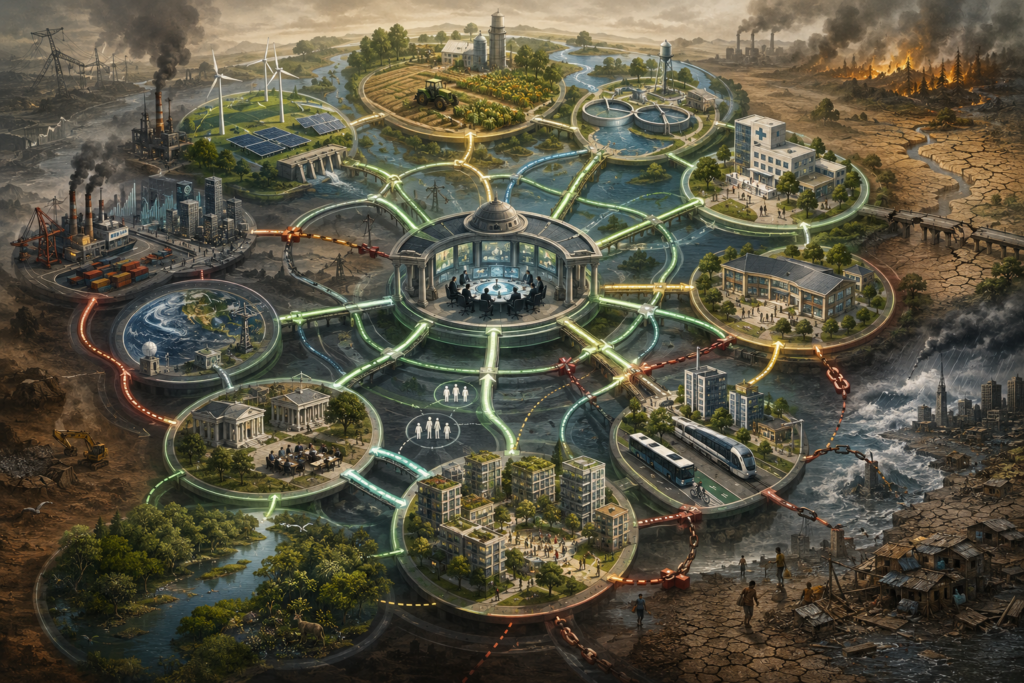
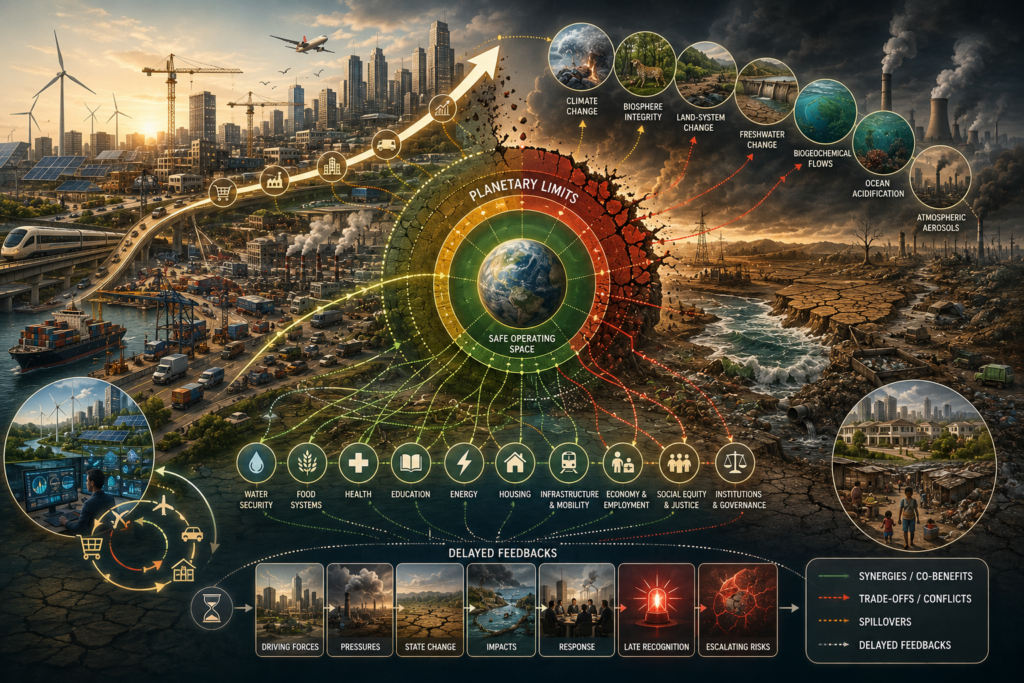
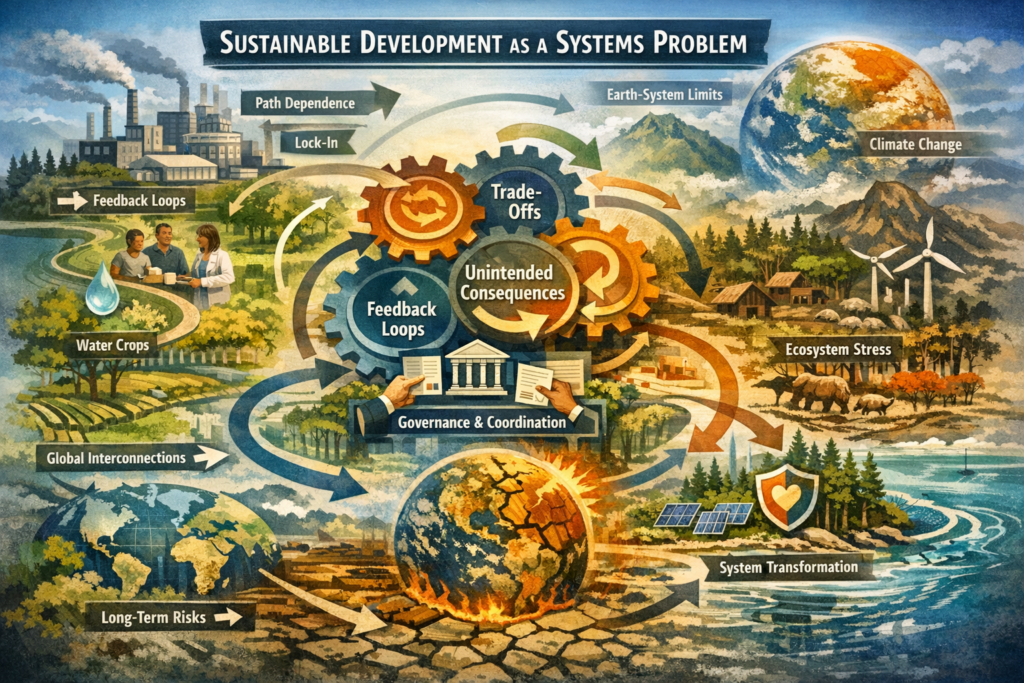
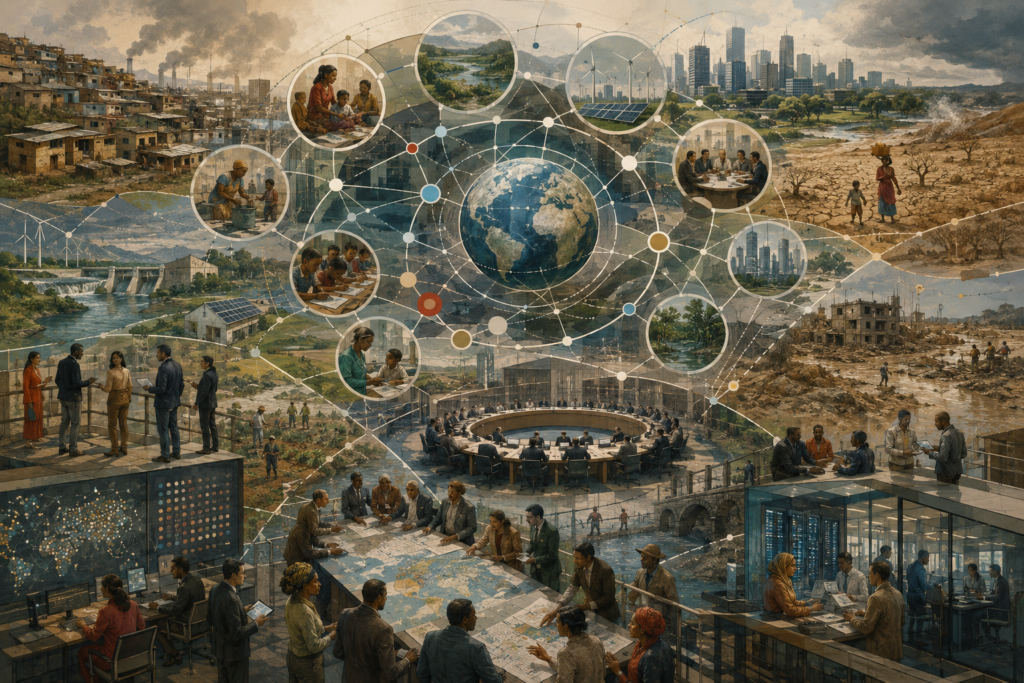
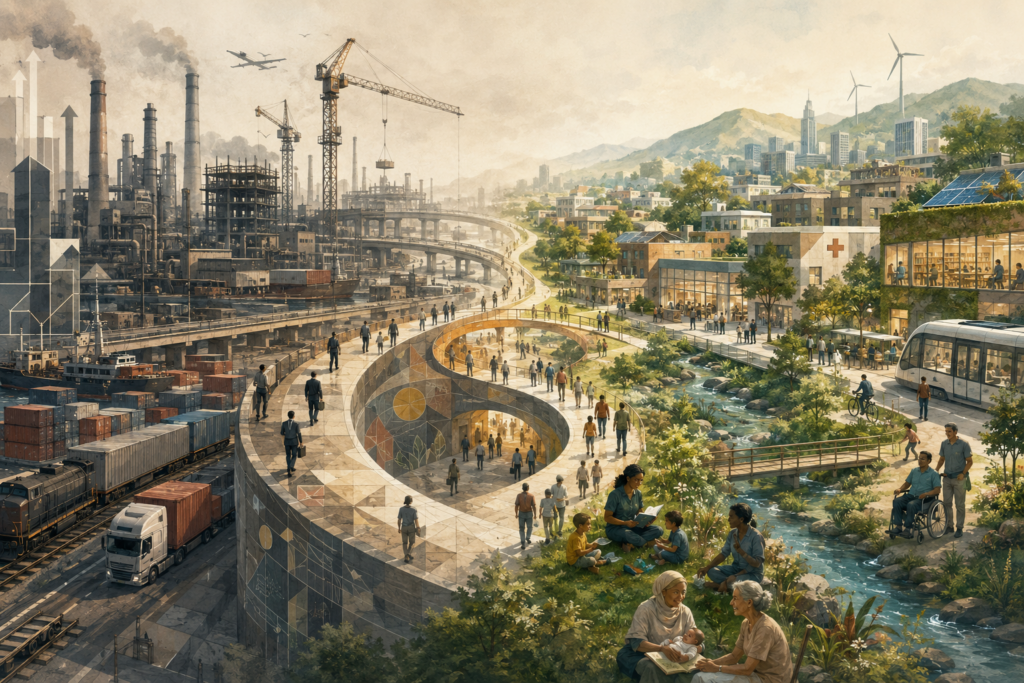
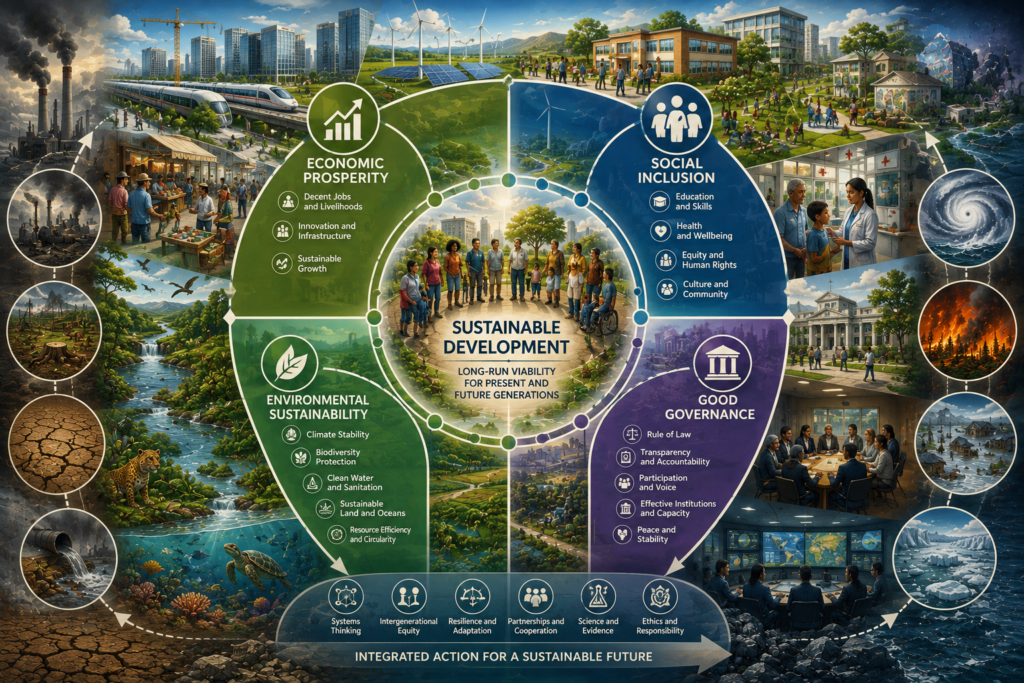
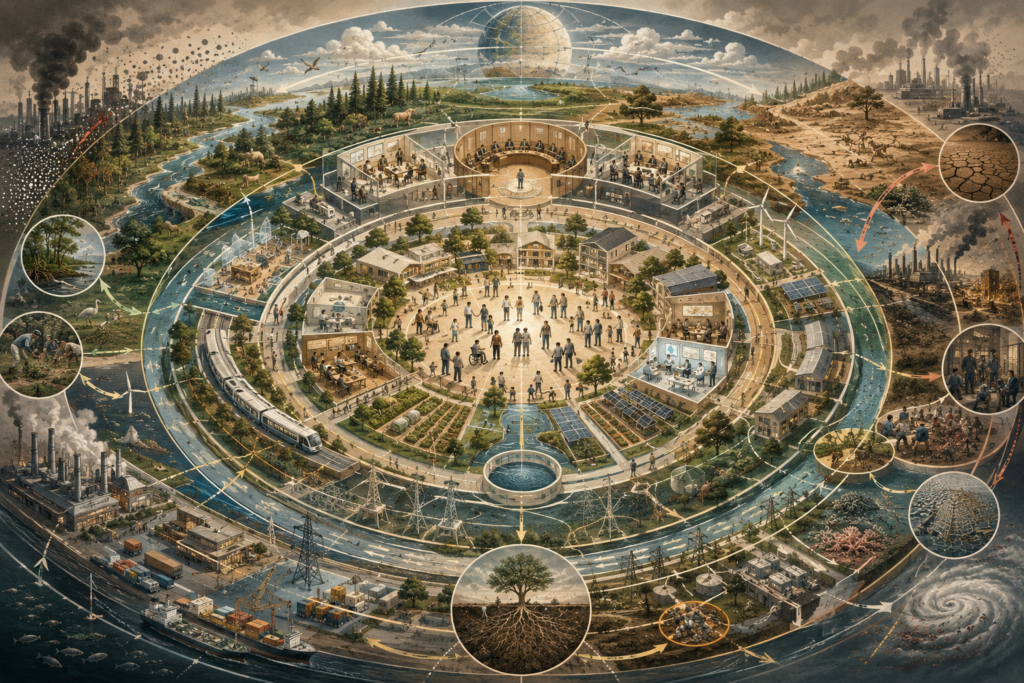
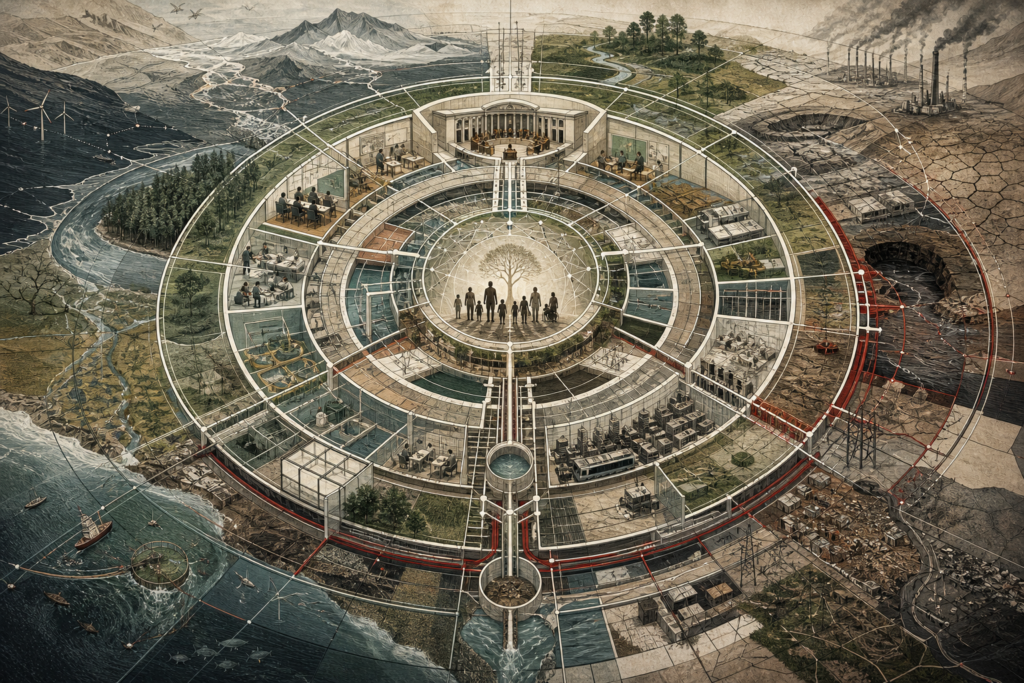
Intergenerational Justice and Long-Term Stewardship examines why sustainable development must be judged not only by present welfare gains but by what current societies preserve, transfer, or foreclose for those who come after. The article argues that intergenerational justice gives sustainable development its long-range moral force by requiring present generations to account for delayed, cumulative, and sometimes irreversible consequences imposed on future people who cannot yet represent themselves. It explores stewardship, temporal asymmetry, planetary stability, institutional trusteeship, burden transfer, and uneven responsibility, showing how present prosperity can become morally compromised when it consumes future stability as a hidden subsidy. The core claim is that sustainable development requires institutions capable of protecting ecological resilience, social continuity, and future possibility, so that development remains legitimate across time rather than only in the present.