Pollution, Novel Entities, and Long-Run Development
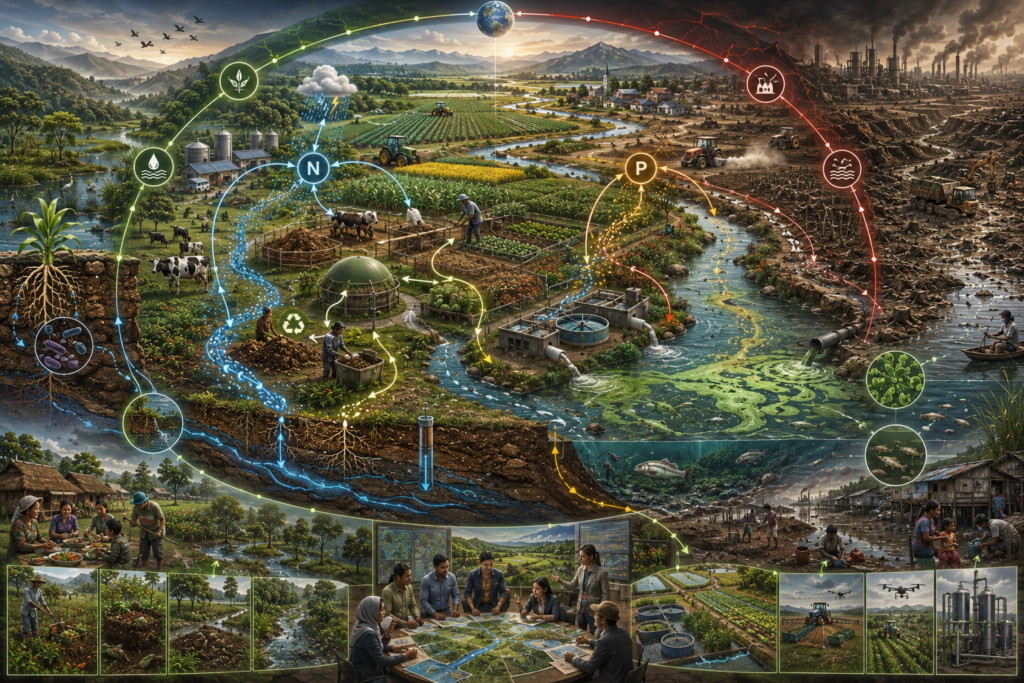
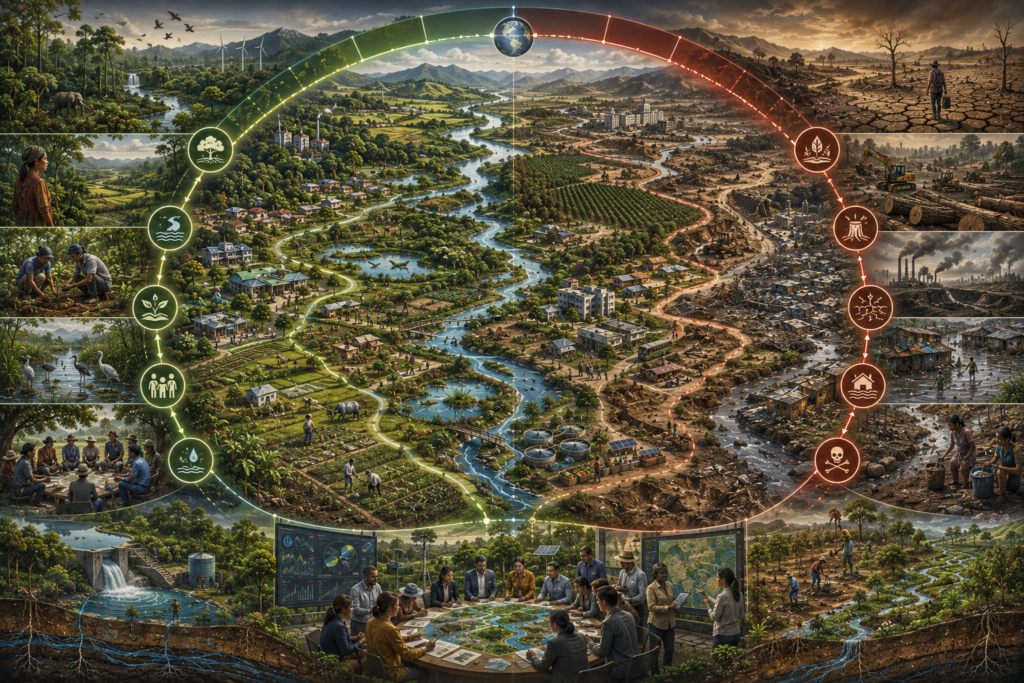
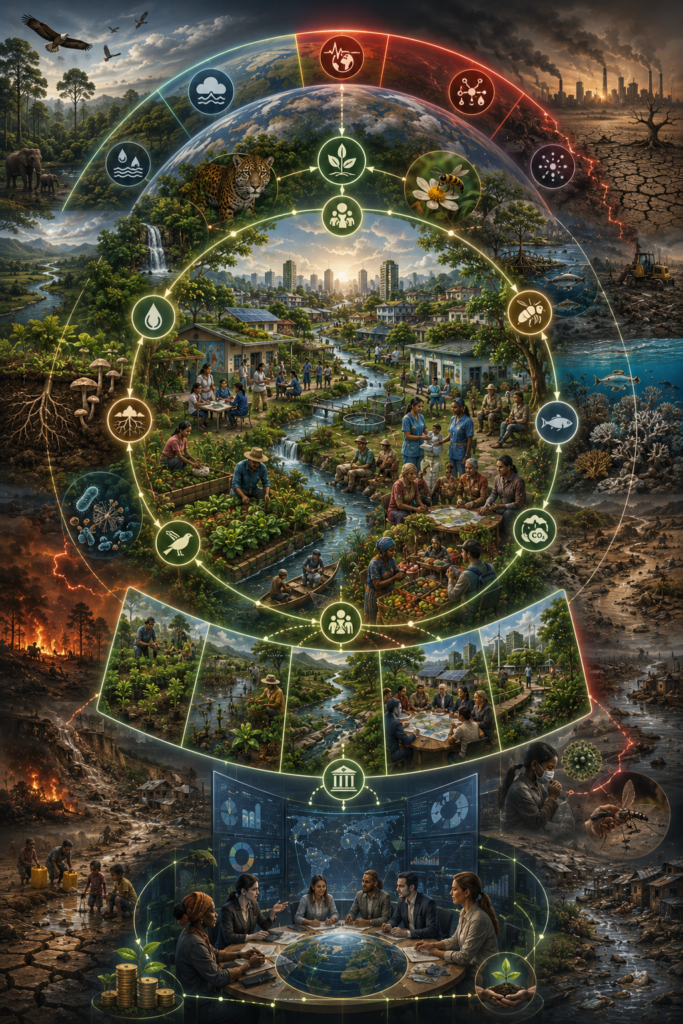
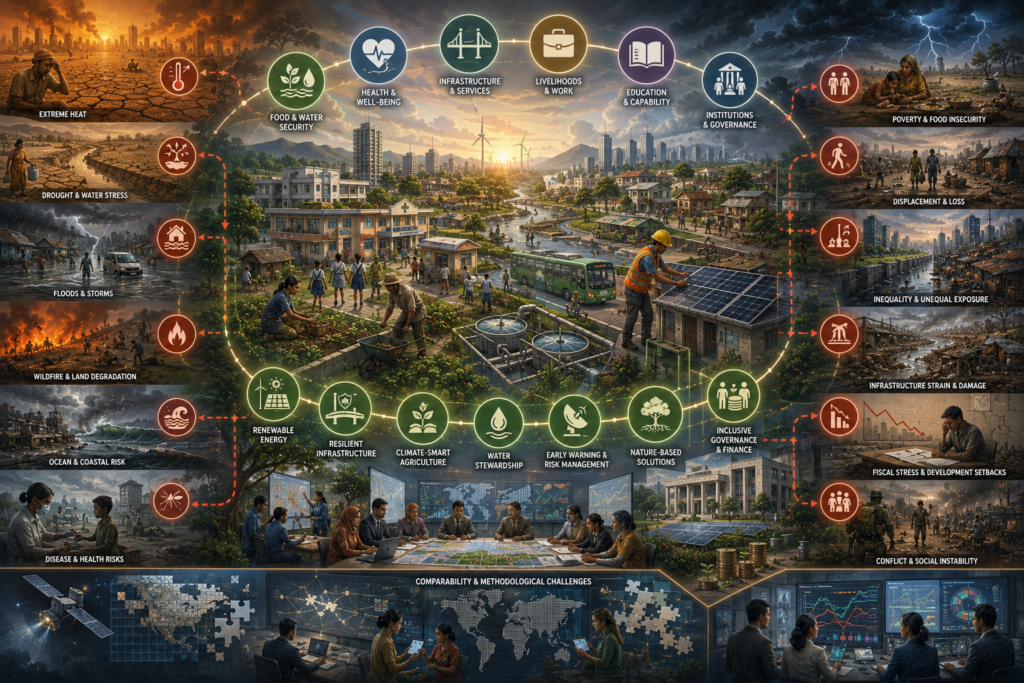
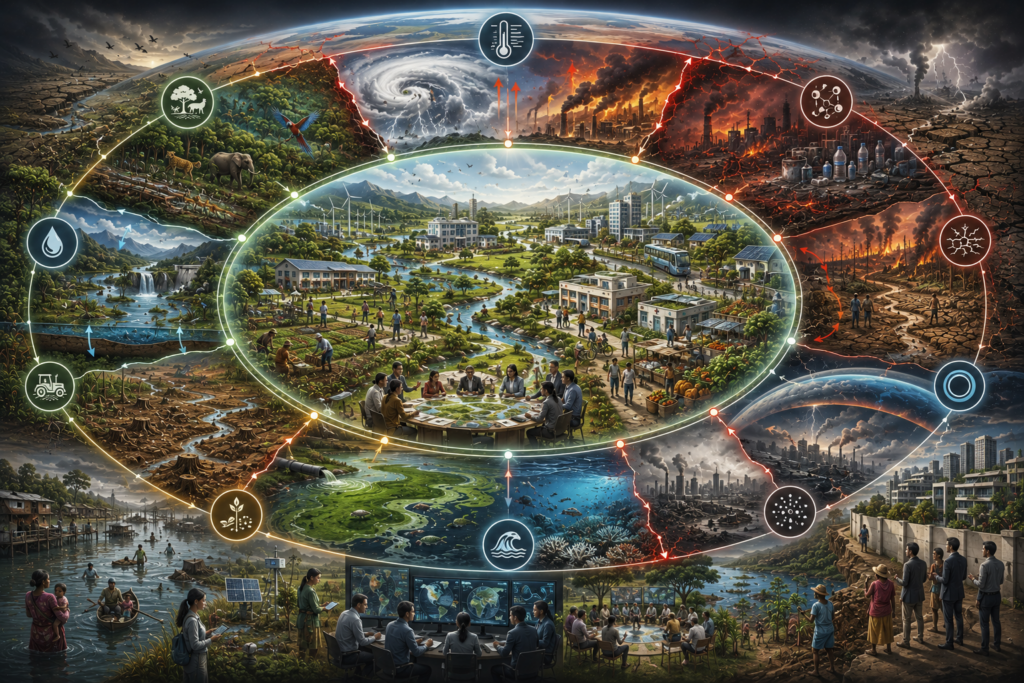
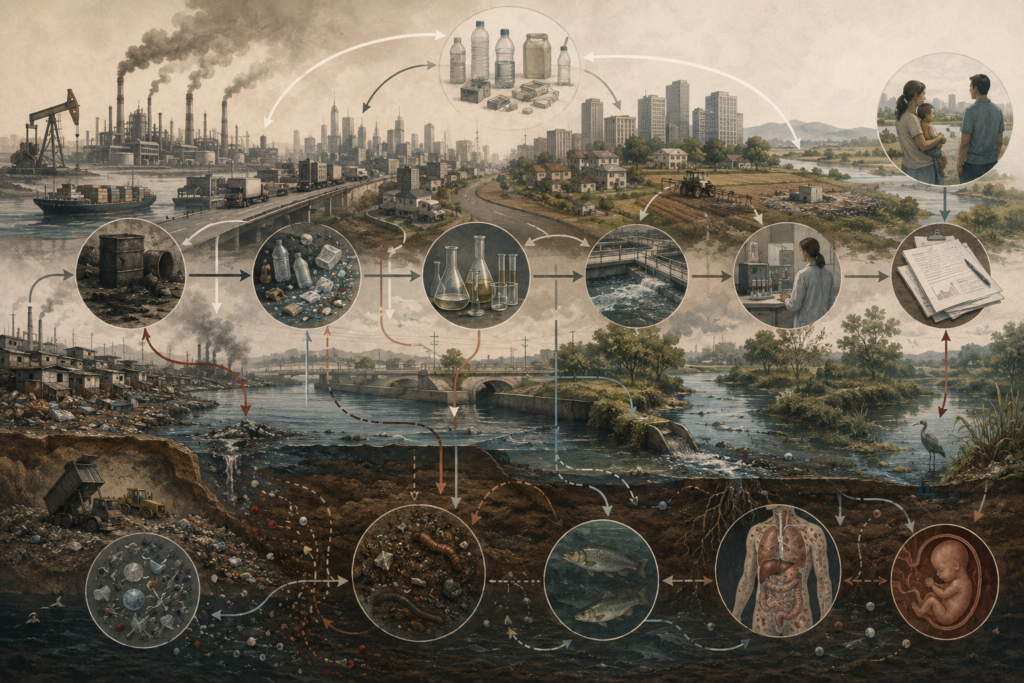
Pollution, Novel Entities, and Long-Run Development examines why development must be judged not only by what it produces, but by the chemical residues, wastes, and synthetic substances it leaves circulating through bodies, ecosystems, and public systems over time. The article argues that pollution is not a marginal side effect of progress but a structural constraint on long-run development, because persistent contaminants, unmanaged waste, and proliferating novel entities can outpace scientific assessment, regulatory capacity, and remediation systems. It explores toxicity, habitability, inequality, ecological slow violence, and the governance problems created when innovation moves faster than institutional control. The core claim is that sustainable development depends not only on expanding production and consumption, but on governing material complexity in ways that keep future societies healthy, habitable, and ecologically resilient.