Just Transformation and Resilience: Changing Harmful Systems Without Abandoning People
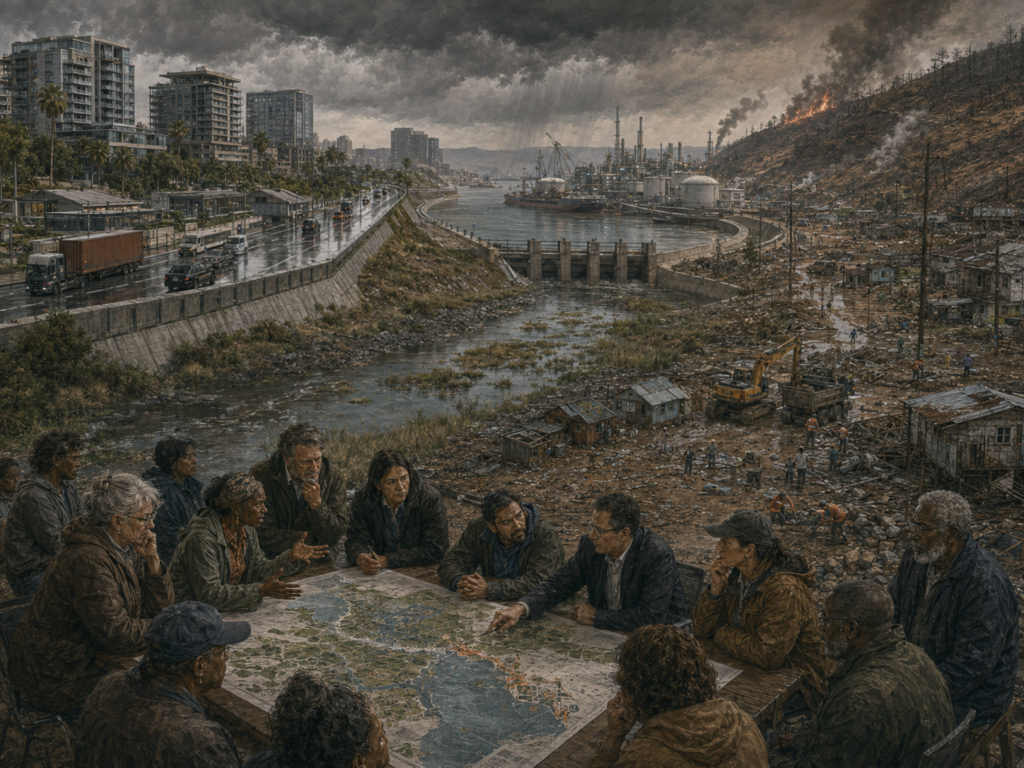
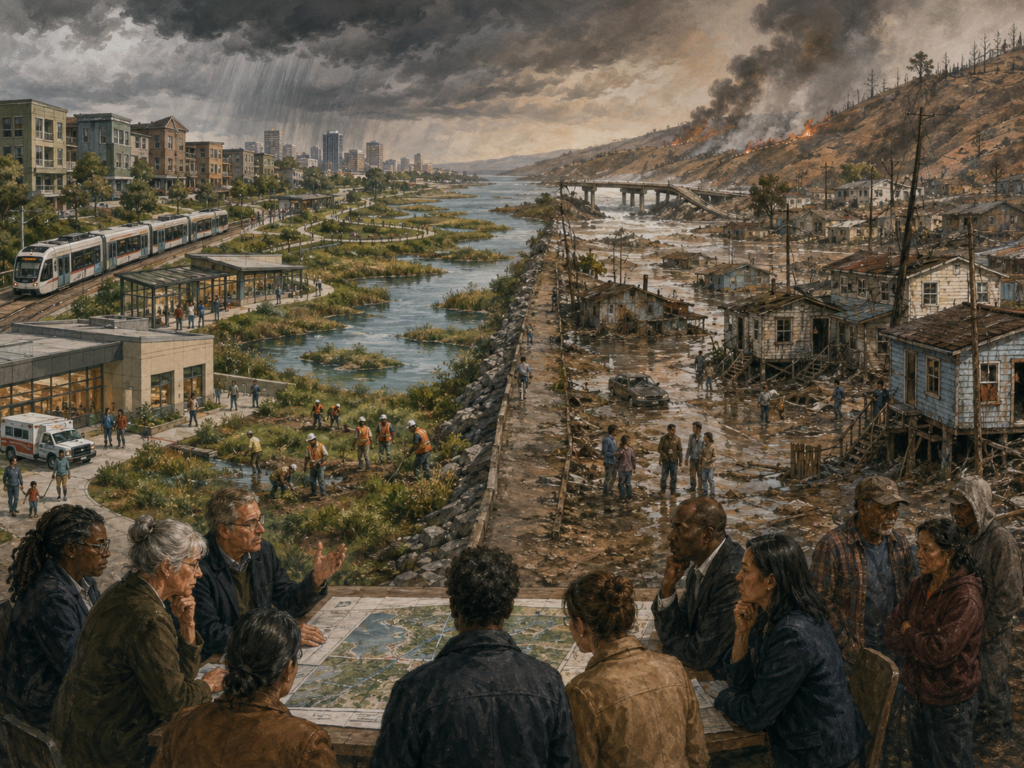
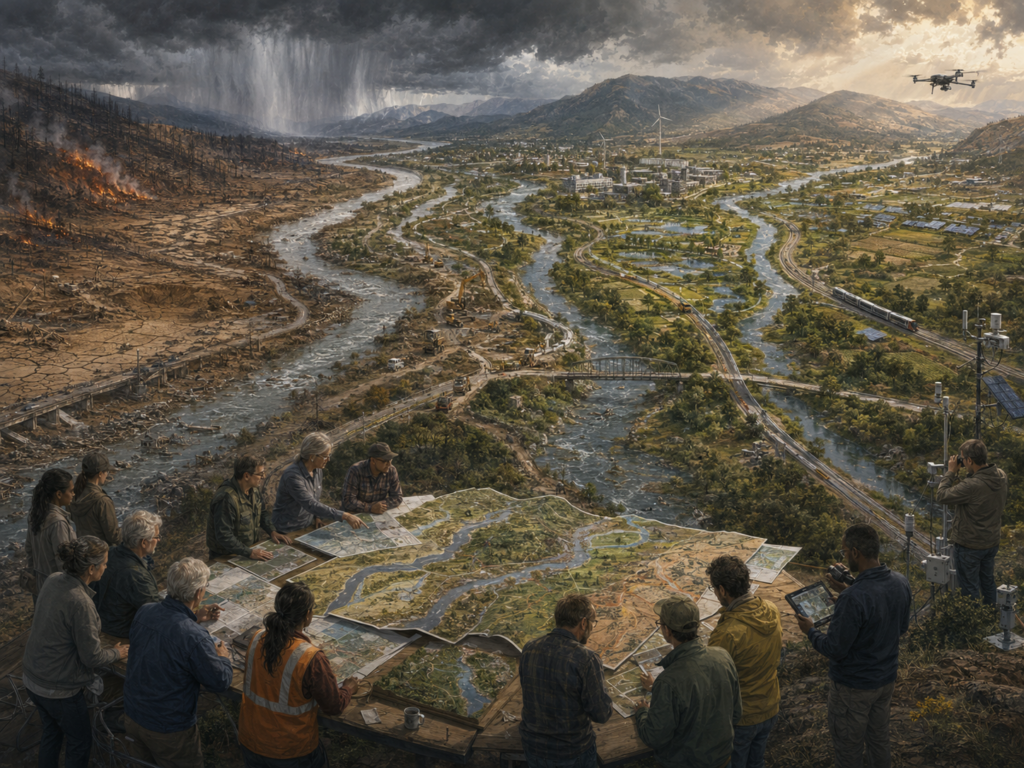
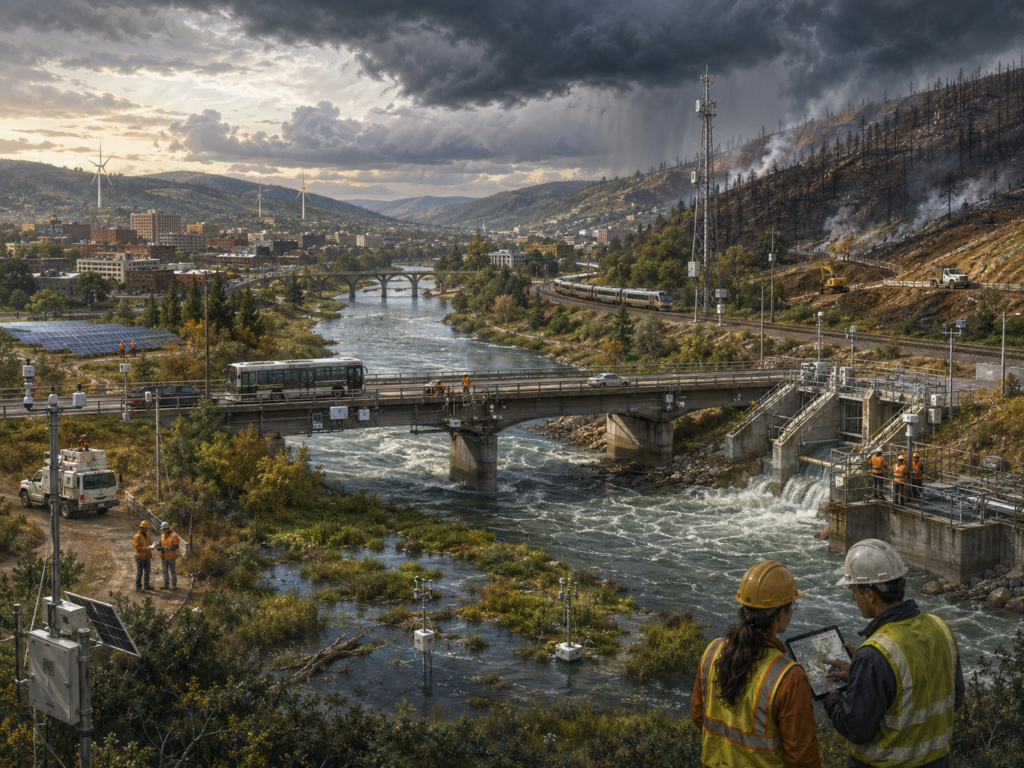
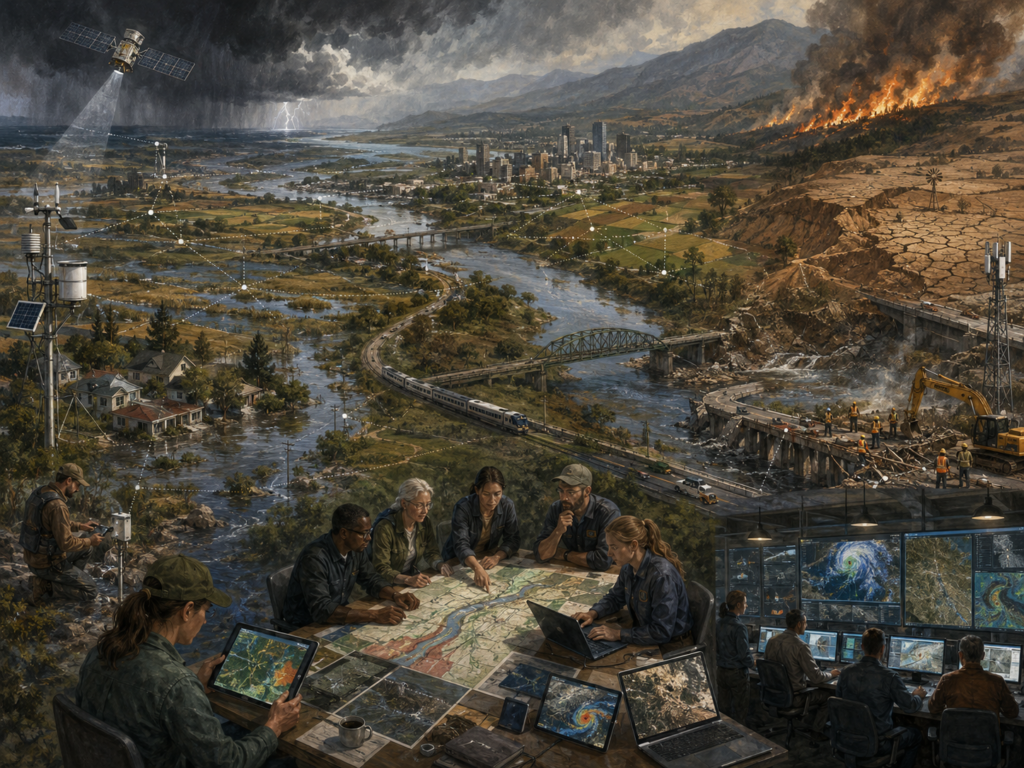
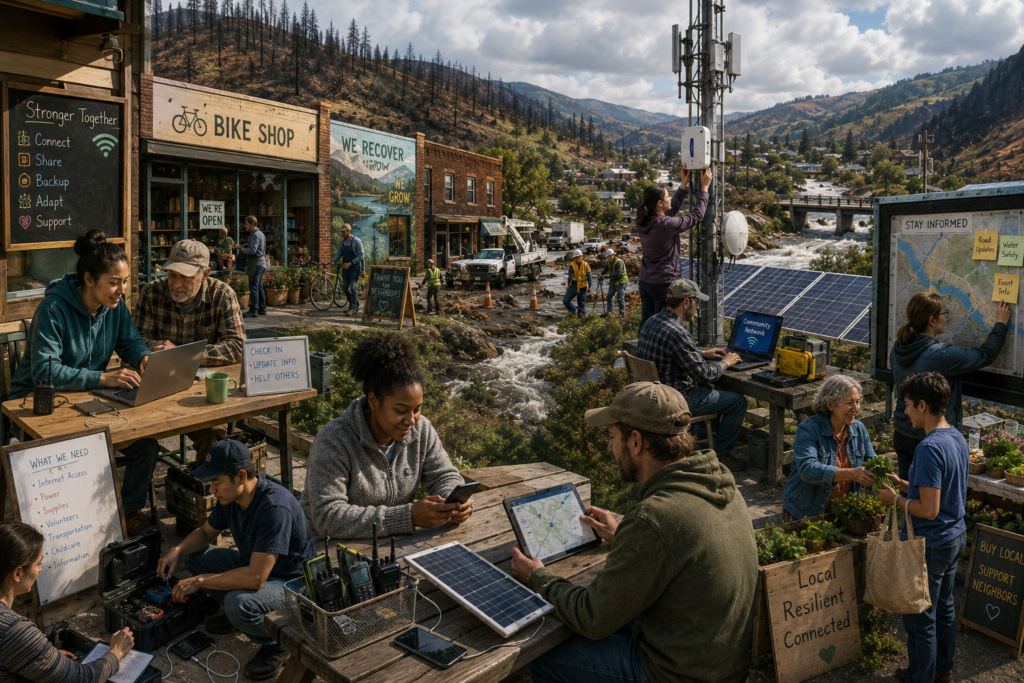
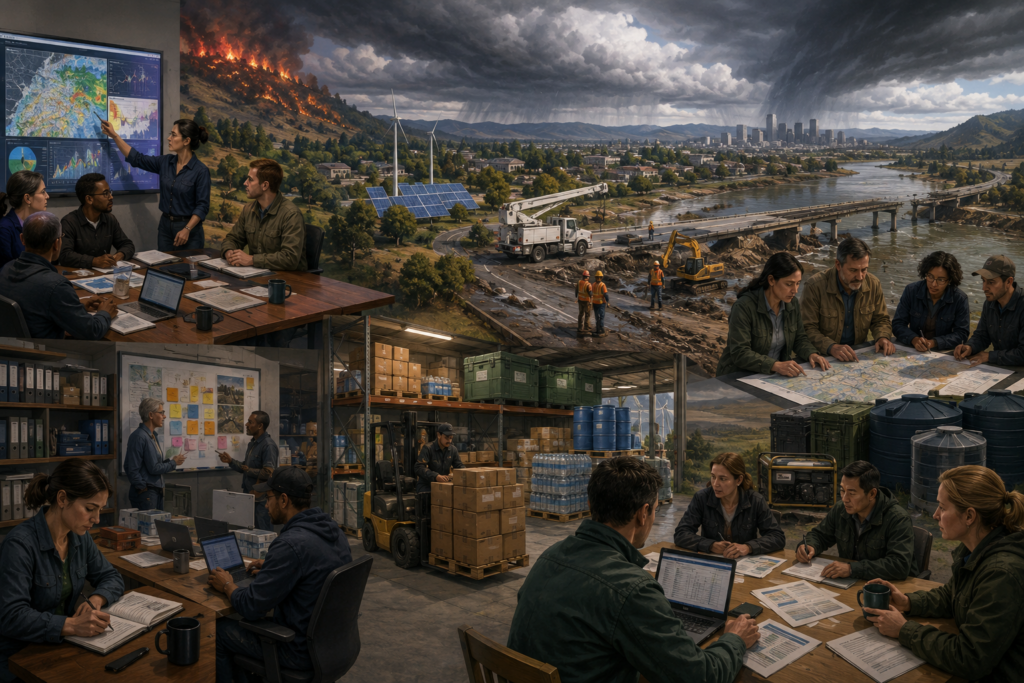
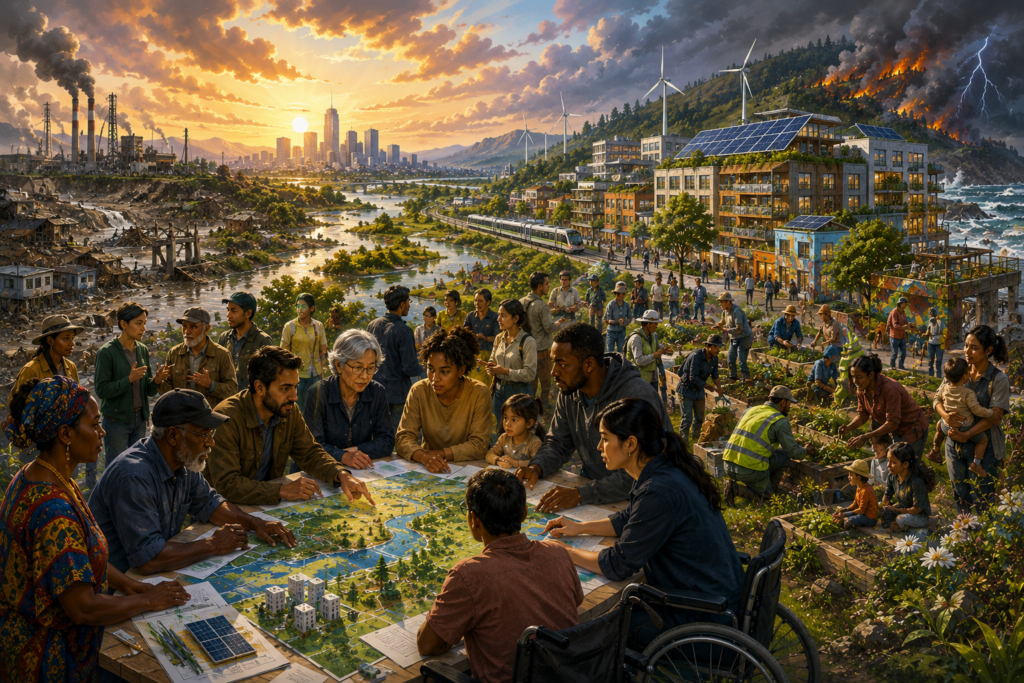
Just Transformation and Resilience examines how resilience thinking moves beyond survival, recovery, and adaptation toward structural change that protects people through change. The article explains why some systems should not simply bounce back: fossil-fuel energy systems, exposed floodplain development, unsafe housing, brittle infrastructure, exclusionary markets, and degraded ecosystems may need redesign rather than reinforcement. It also argues that transformation is not automatically just. Climate adaptation, energy transition, managed retreat, ecological restoration, digital modernization, and infrastructure investment can reduce one risk while creating displacement, worker abandonment, surveillance, or new lock-in. By connecting resilience with climate justice, social protection, public capacity, community authority, ecological repair, and livelihood security, the article frames just transformation as resilience without abandonment: preserving care, health, housing, water, energy, culture, and ecological function while changing the structures that repeatedly produce vulnerability and harm across linked human systems.