Knowledge Architecture and Systems Thinking
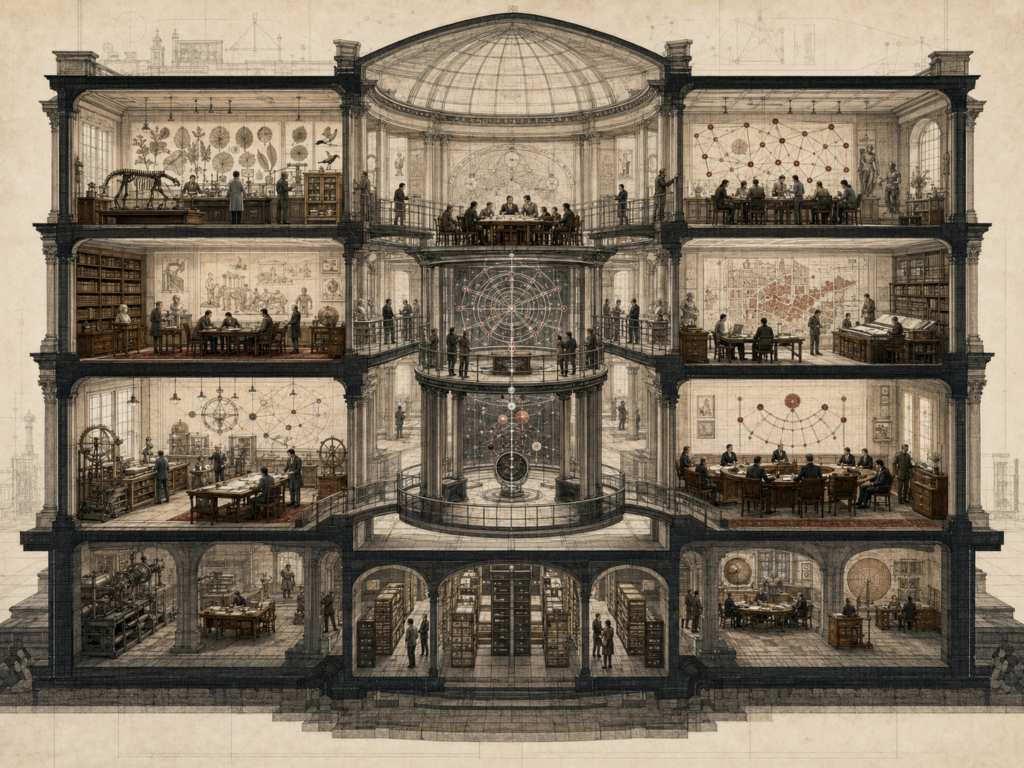
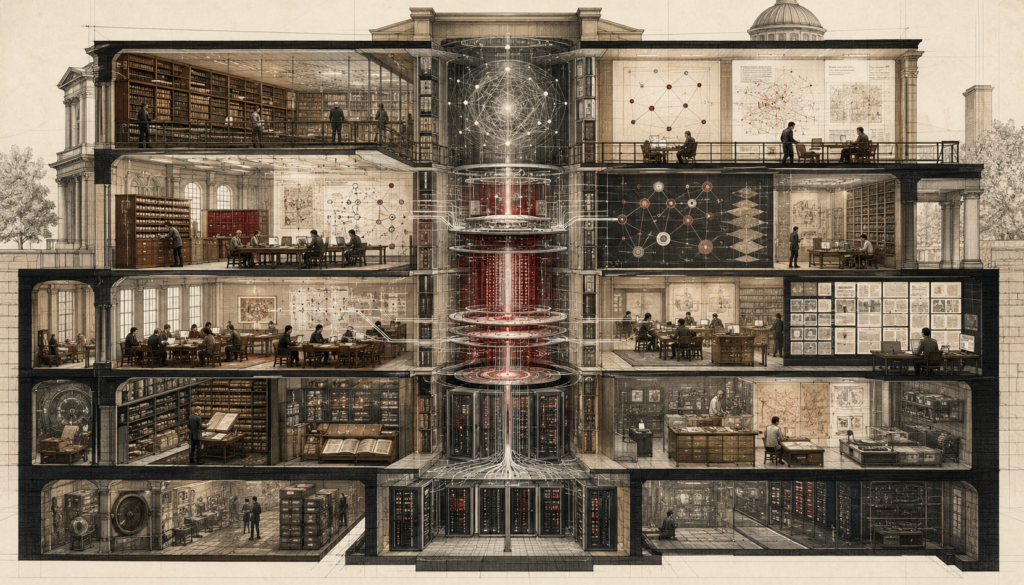
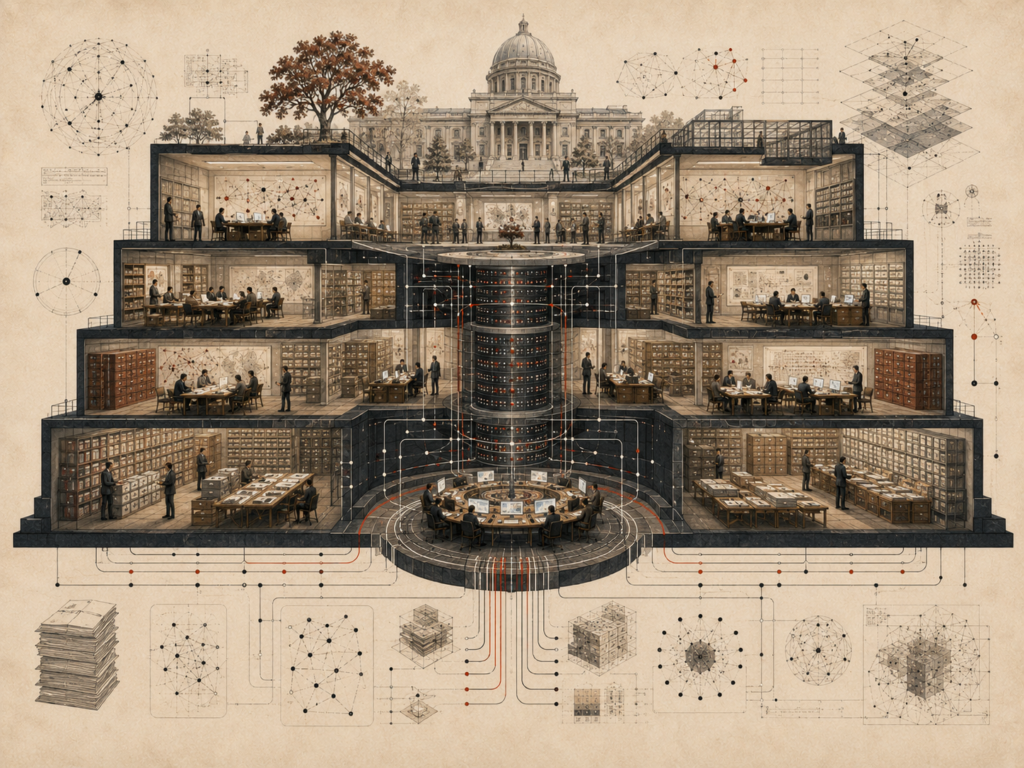
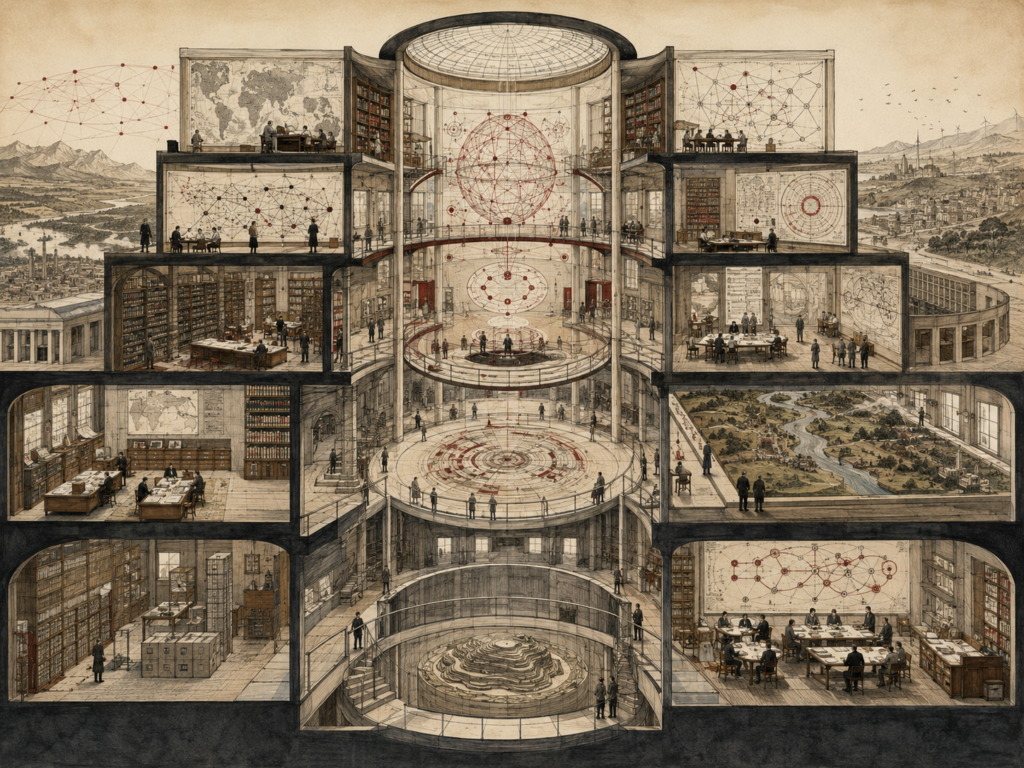
Knowledge architecture and systems thinking belong together because every serious knowledge system is also a system of relationships, feedback, boundaries, flows, assumptions, delays, and consequences. This article explains why knowledge is not simply a collection of articles, datasets, concepts, files, or categories. It is an organized structure through which people understand how ideas connect, how evidence travels, how decisions are made, how institutions remember, and how complex problems become intelligible enough to act on. It examines boundaries, scales, context, stocks, flows, feedback, delay, mental models, assumptions, framing, knowledge flows, learning loops, emergence, adaptive knowledge, taxonomies, ontologies, systems maps, governance, equity, responsibility, and AI-assisted systems thinking. Within knowledge architecture, systems thinking helps transform fragmented knowledge into adaptive intellectual infrastructure.