Service Design in Design Thinking
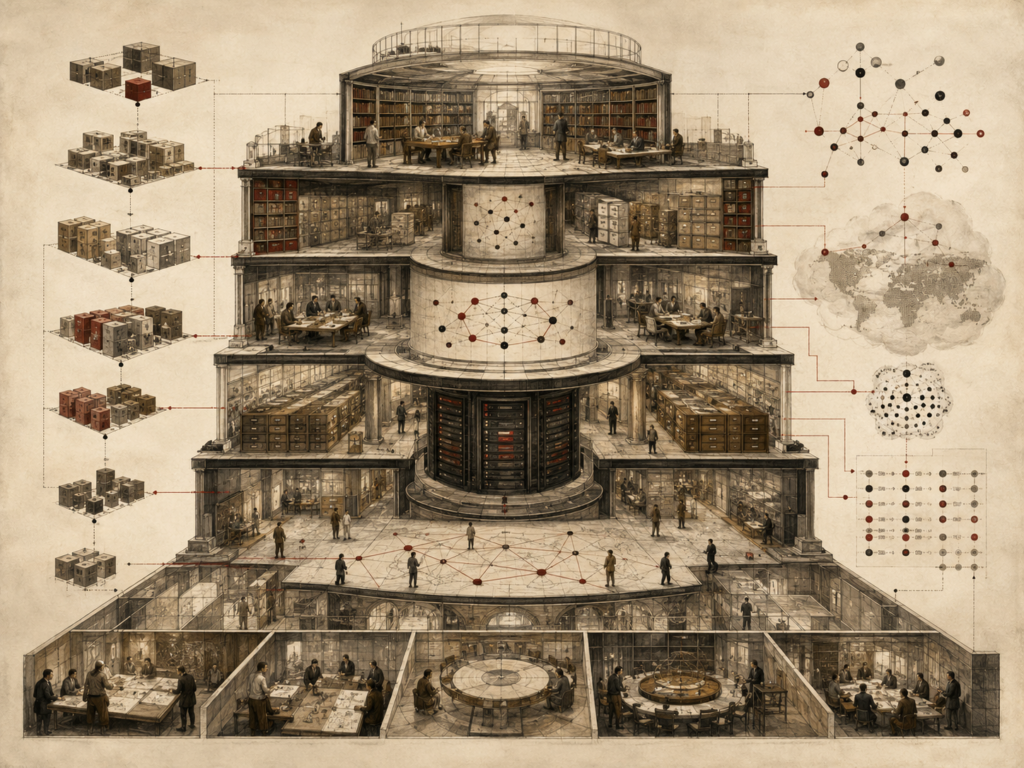
Service design extends design thinking from individual touchpoints to the full experience of a service as it unfolds across time, channels, people, policies, technologies, and organizational systems. This article explains how service design connects human-centered research with operational delivery by examining user journeys, frontstage interactions, backstage workflows, service blueprints, staff roles, data dependencies, handoffs, recovery pathways, and governance. It shows why services fail when organizations polish interfaces without redesigning the systems that support them, and why trust, accessibility, procedural dignity, burden reduction, and staff sustainability must be treated as core design outcomes. The article also examines service prototyping, public services, digital and AI-assisted services, service measurement, and implementation. The result is a more complete model of design thinking, one that makes services clearer, more reliable, more equitable, and more accountable.