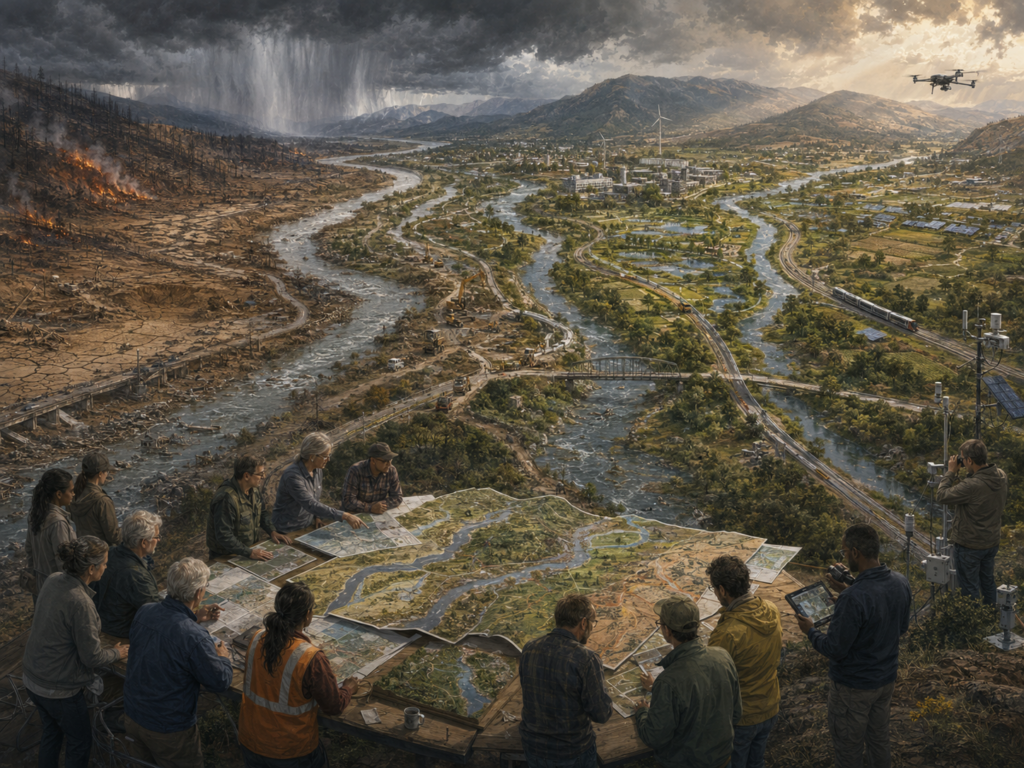
Resilience Scenarios and Futures Thinking: Planning for Uncertain Futures Before Crisis Arrives
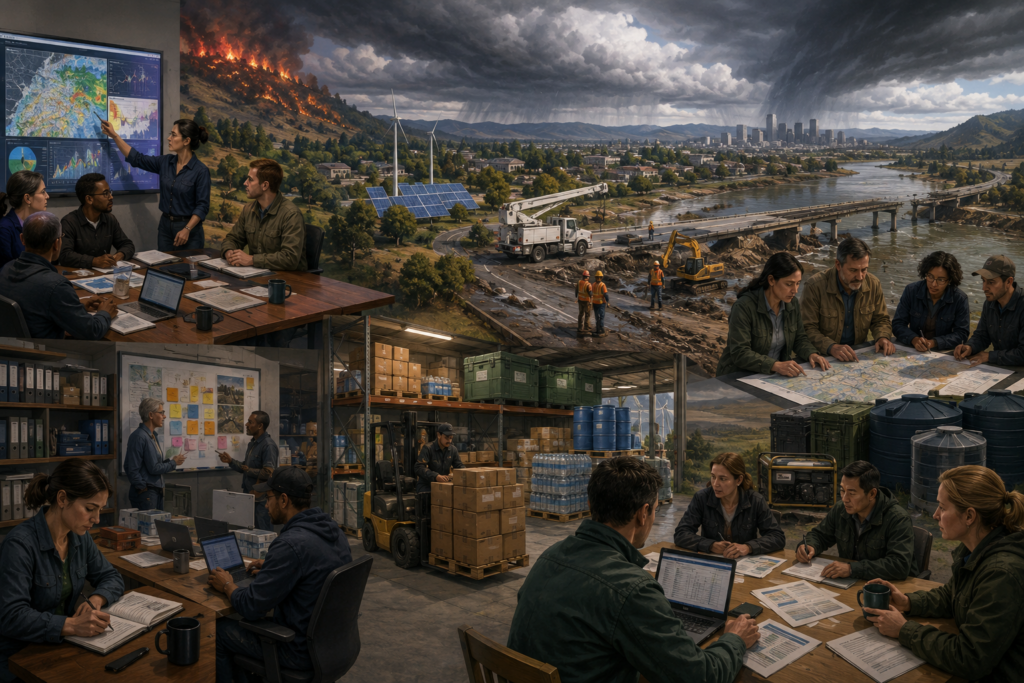
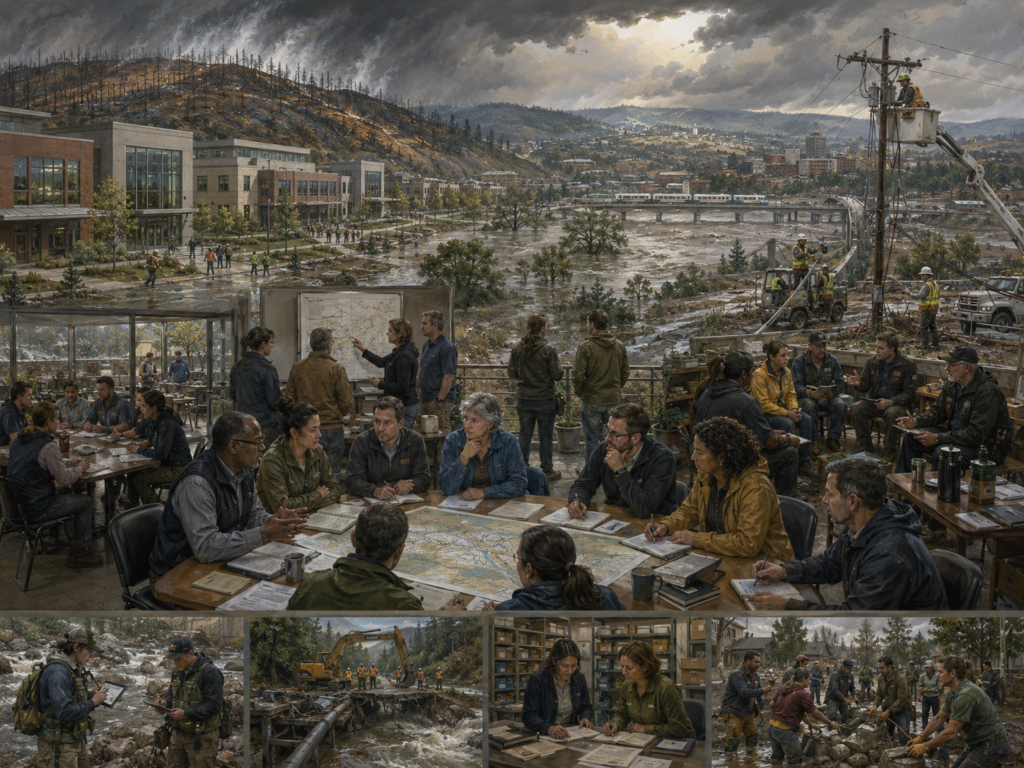
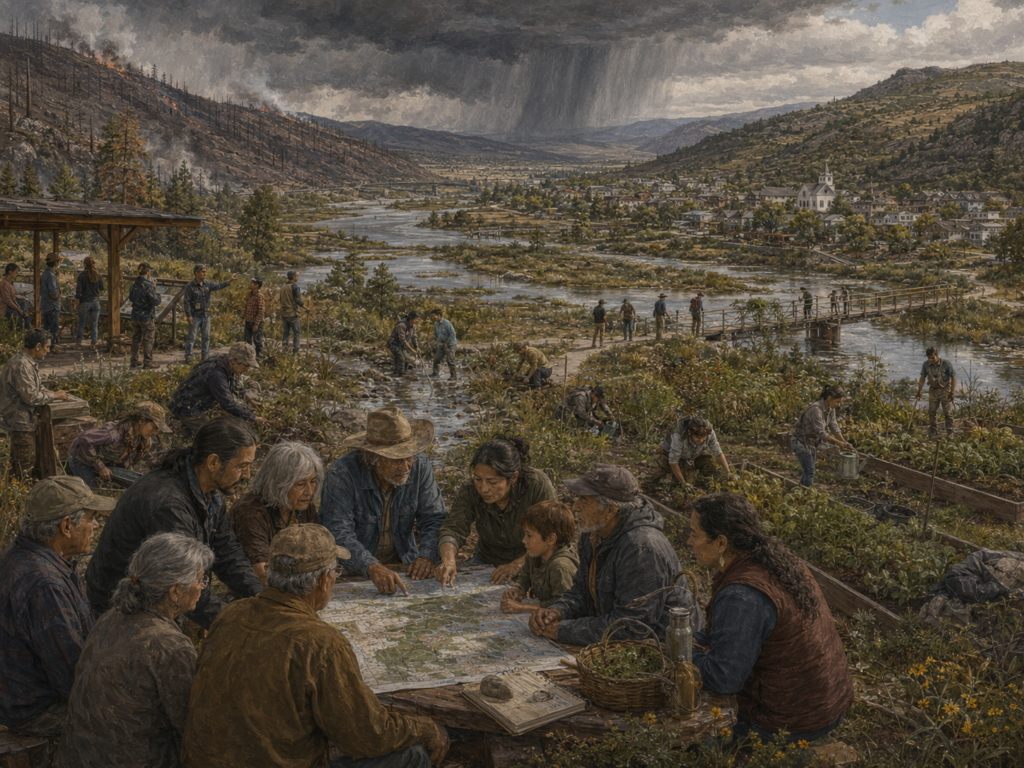
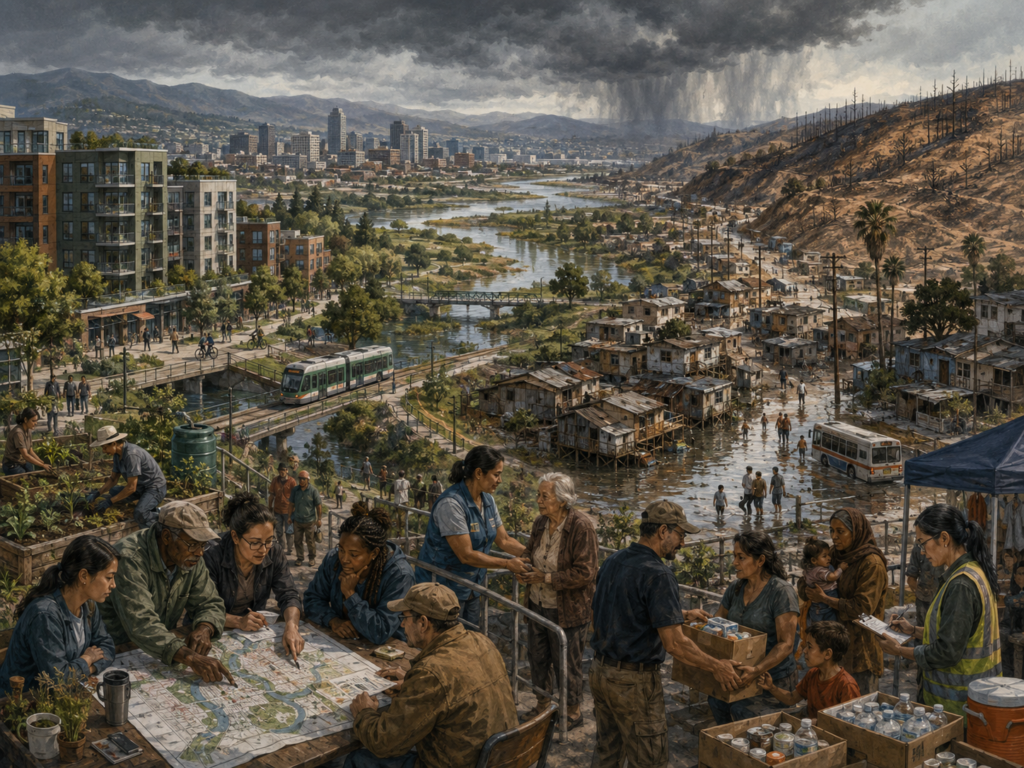
Resilience Scenarios and Futures Thinking examines how communities, institutions, ecosystems, infrastructure systems, and societies can prepare for uncertainty by exploring multiple possible futures rather than assuming the future will resemble the past. The article explains why scenarios are not predictions, but structured tools for testing assumptions, identifying weak signals, stress-testing compound risks, comparing adaptive pathways, and imagining just transformations before crisis narrows choice. It connects resilience thinking with strategic foresight, horizon scanning, backcasting, climate adaptation, public health, infrastructure planning, social vulnerability, adaptive governance, and futures literacy. By emphasizing uncertainty, participation, power, and learning, the article shows how scenario practice can reveal hidden fragility, preserve options, surface justice questions, and turn possible futures into better present decisions. Resilient systems do not predict perfectly; they learn, adapt, and revise course across plausible futures while protecting dignity, ecology, accountability, and shared care.