The Brundtland Definition and Its Legacy
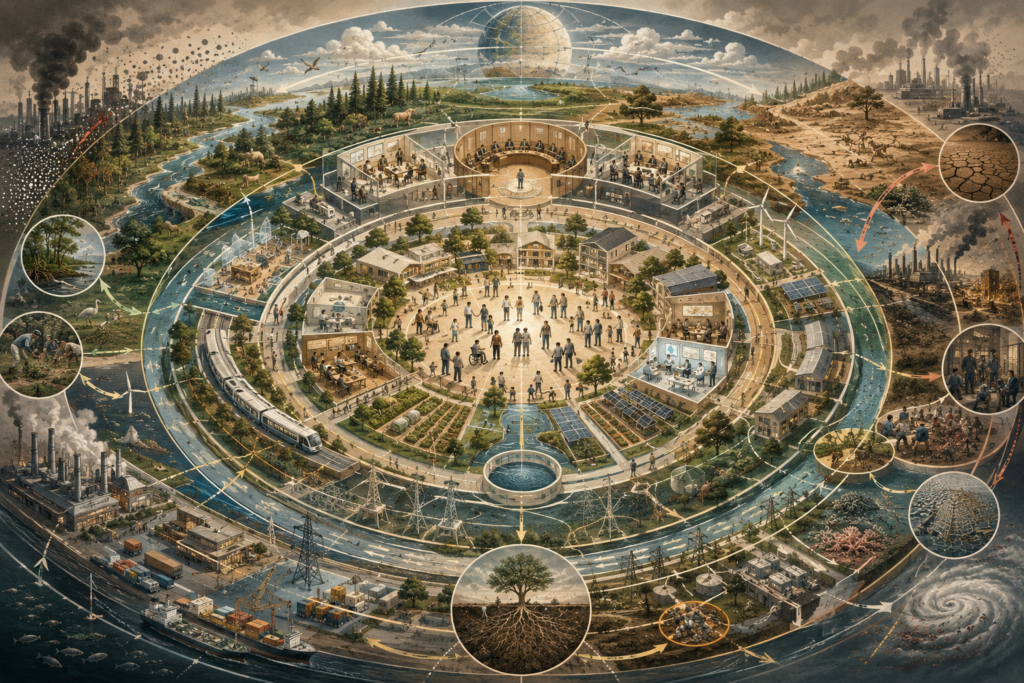
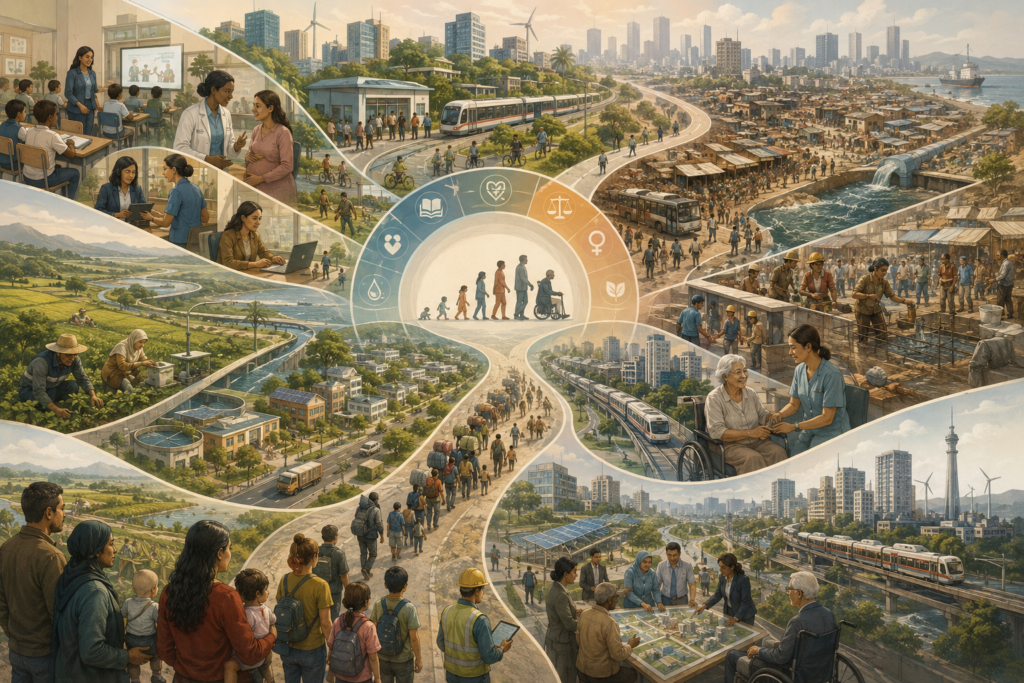
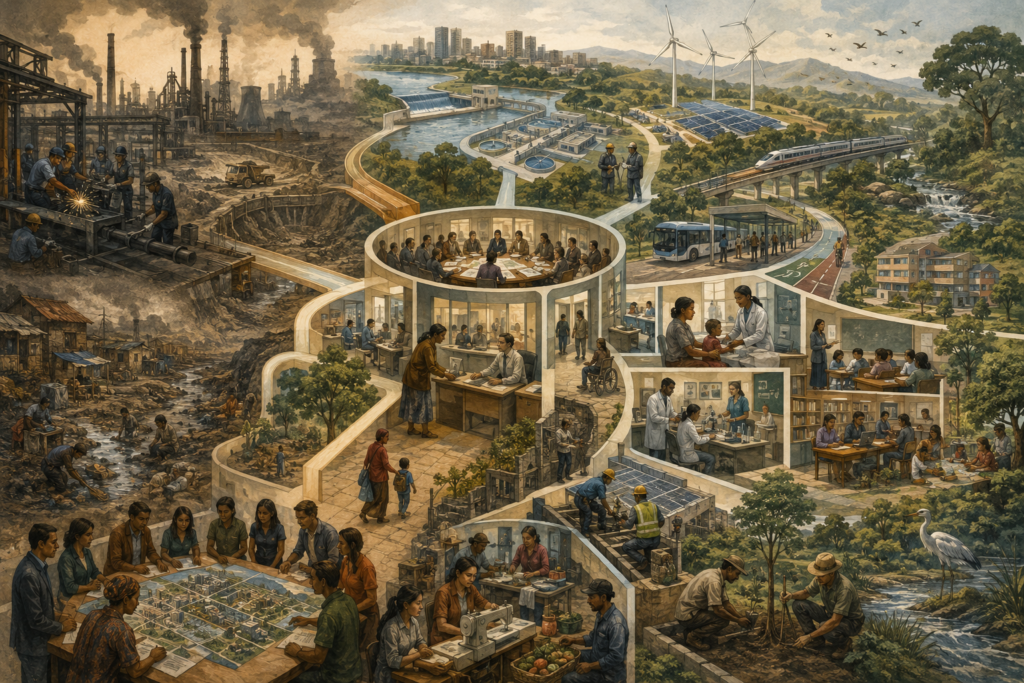
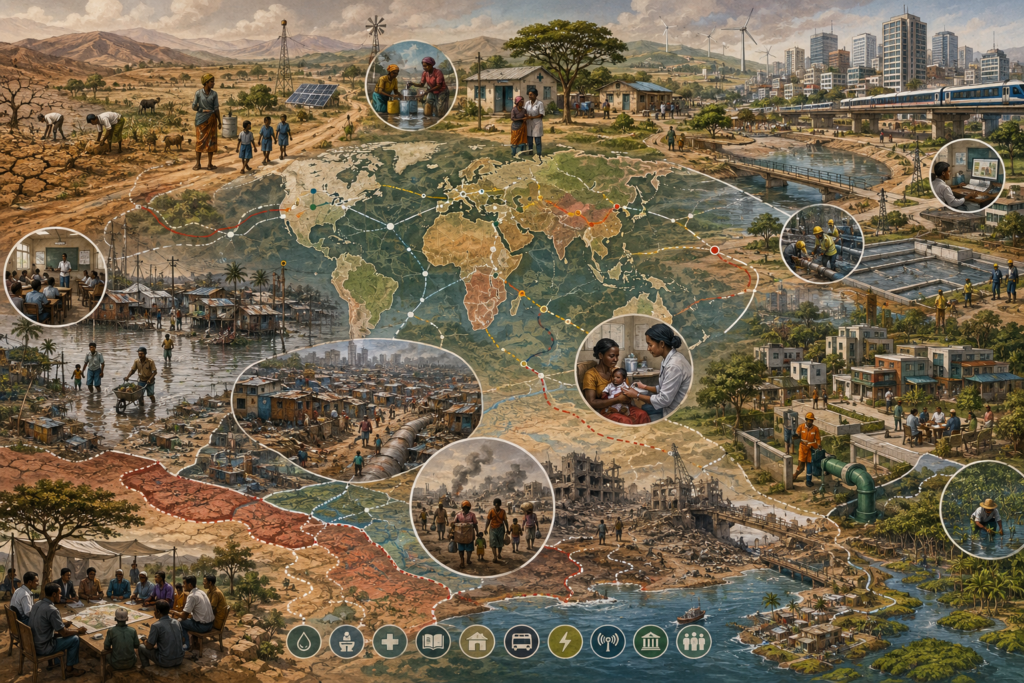
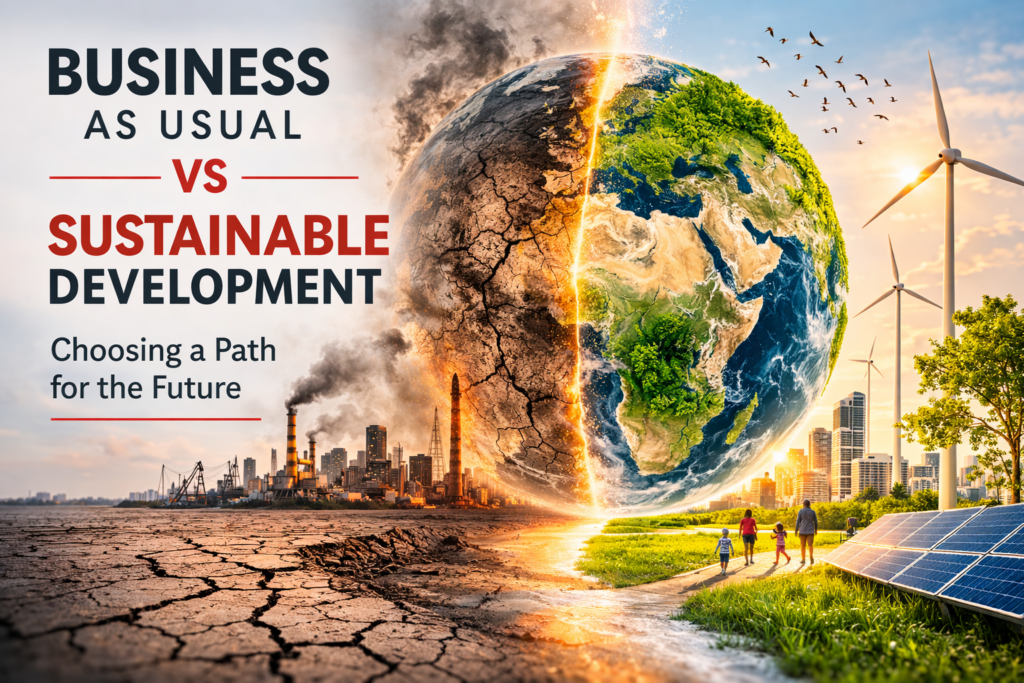
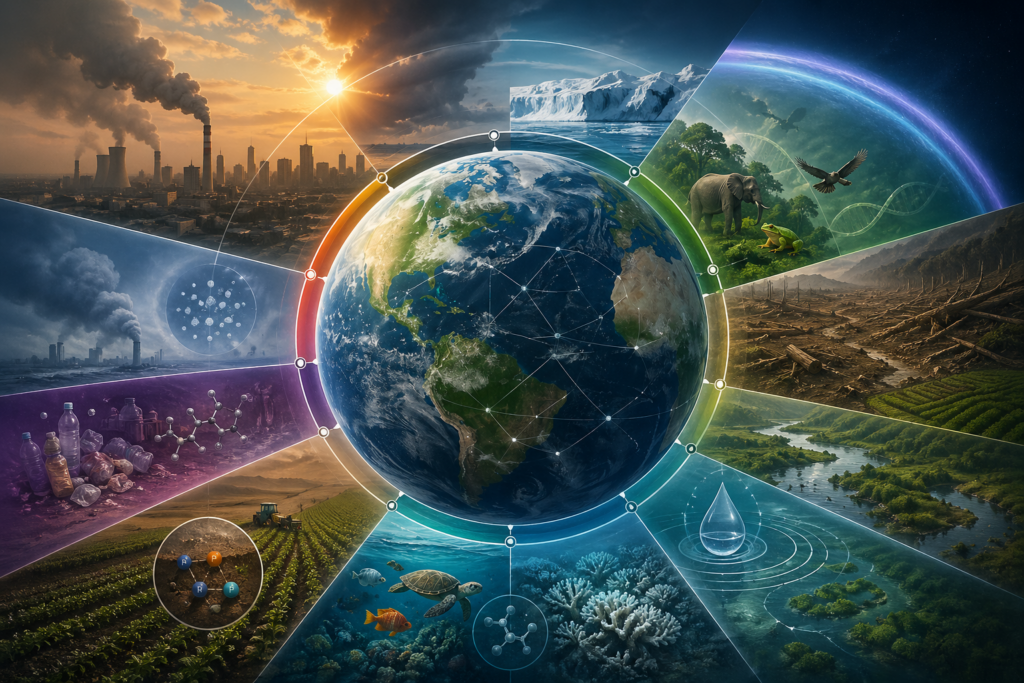
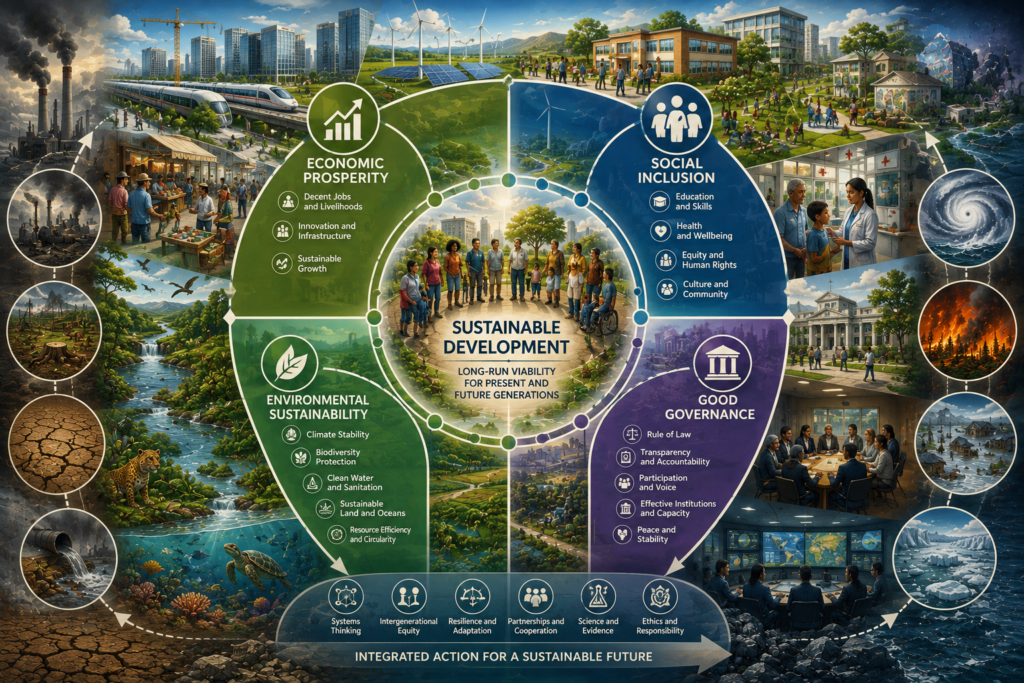
The Brundtland Definition and Its Legacy examines why the most influential definition of sustainable development still matters because it joined present need, future responsibility, and developmental justice within a single moral frame. The article argues that Brundtland’s real achievement was not simply to popularize a phrase, but to redefine development itself as accountable to time, ecology, and intergenerational legitimacy rather than present output alone. It explores needs, limits, poverty, stewardship, institutional durability, and Earth-system extension, showing how later frameworks in human development, SDGs, and planetary-boundaries science all work within a horizon Brundtland helped create. The core claim is that development remains legitimate only when it meets urgent present needs without consuming the ecological, social, and institutional conditions on which future wellbeing depends.