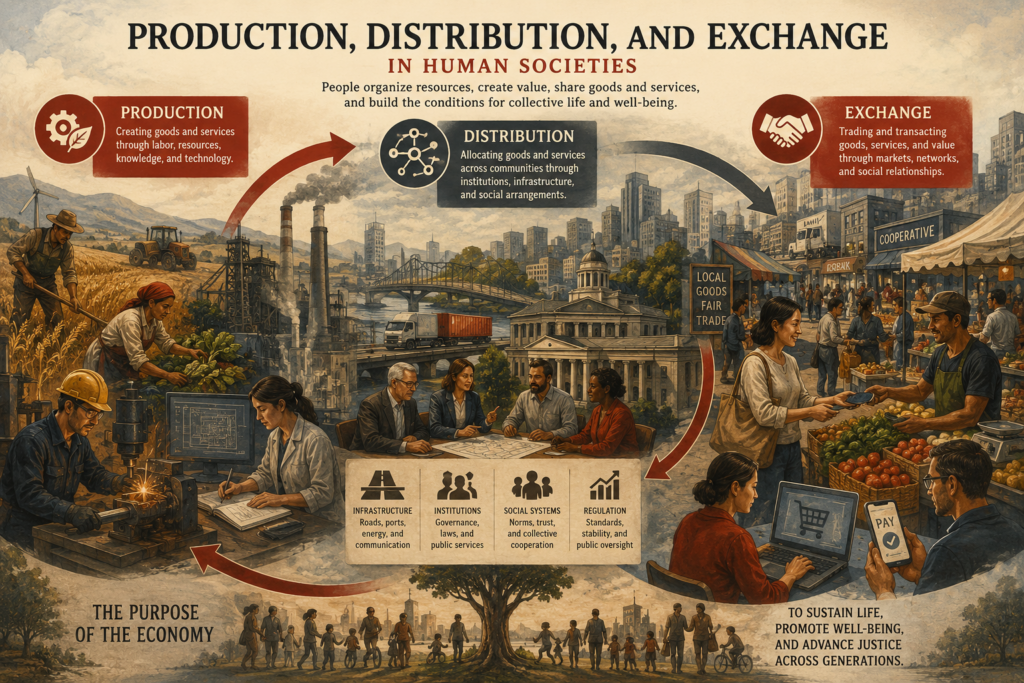
Production, Distribution, and Exchange in Human Societies
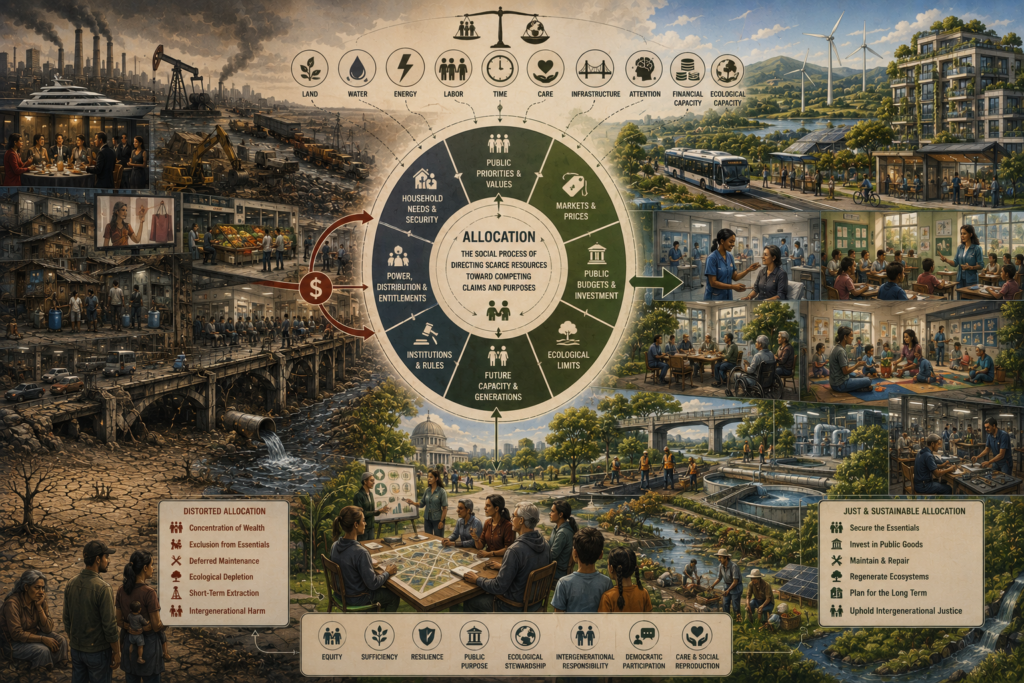
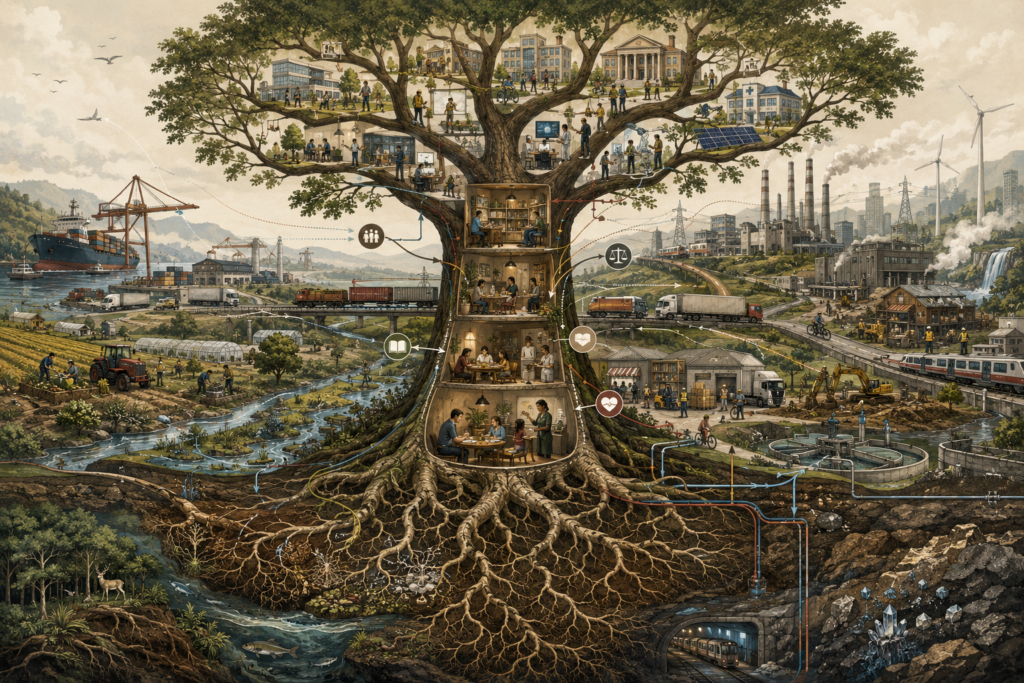
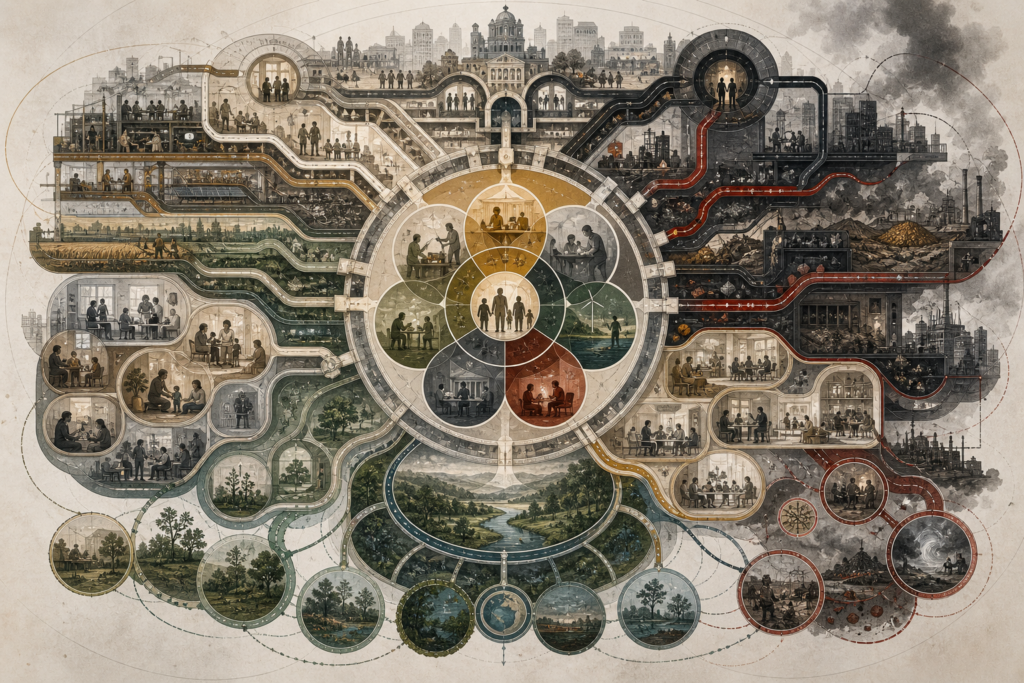
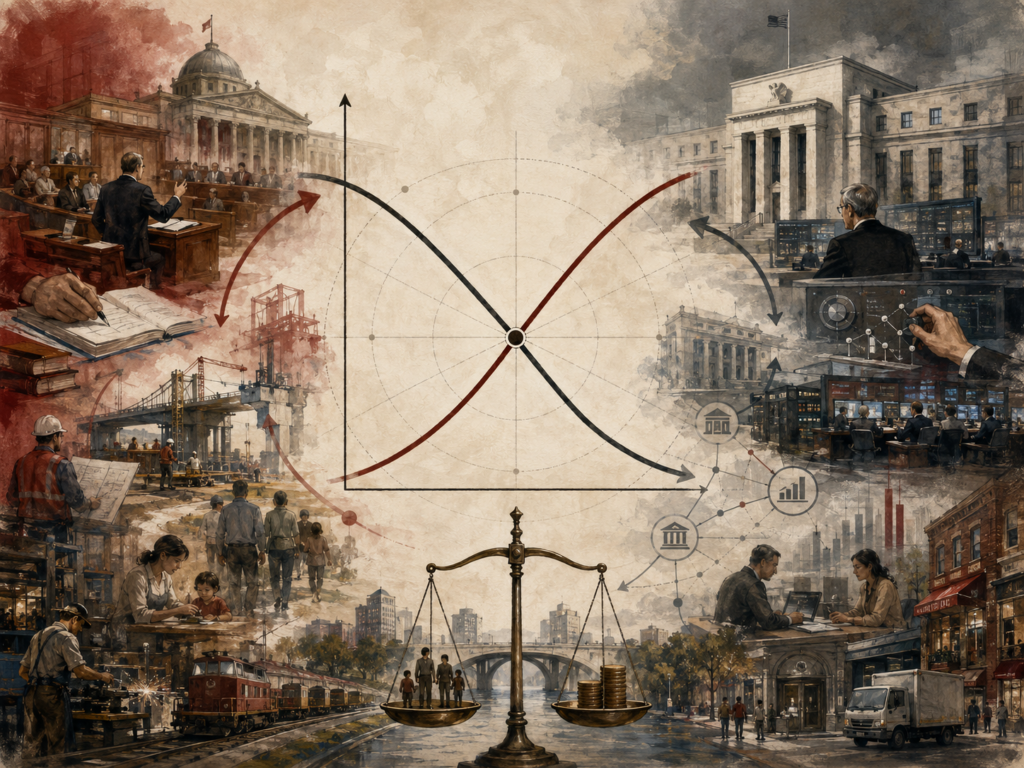
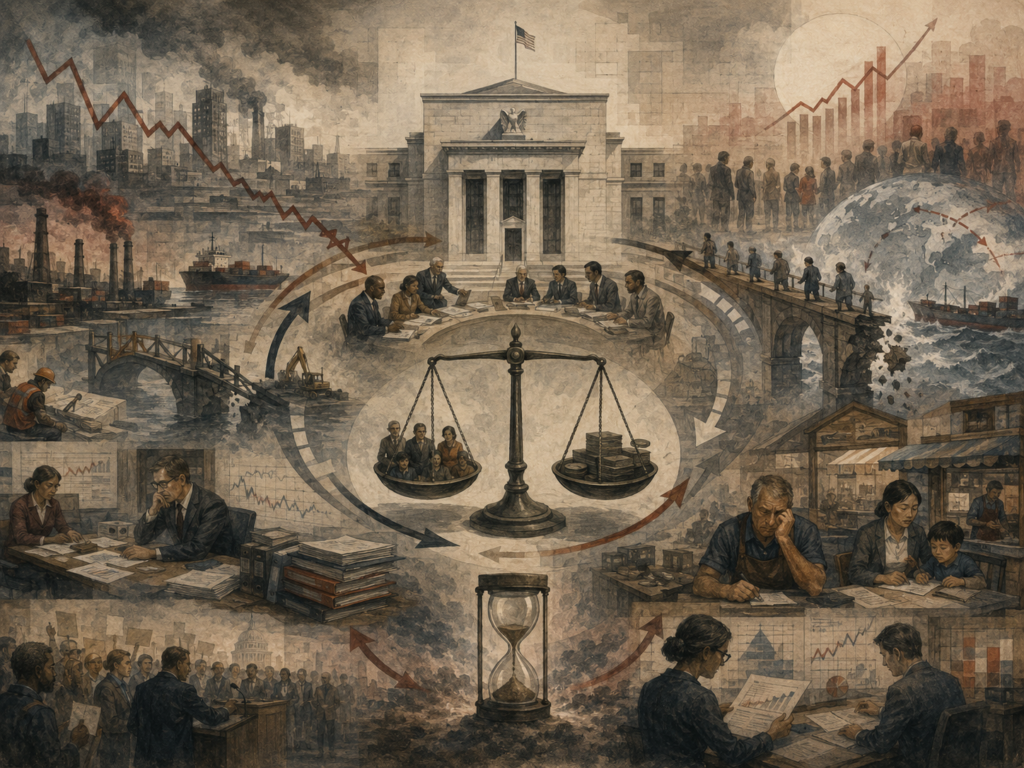
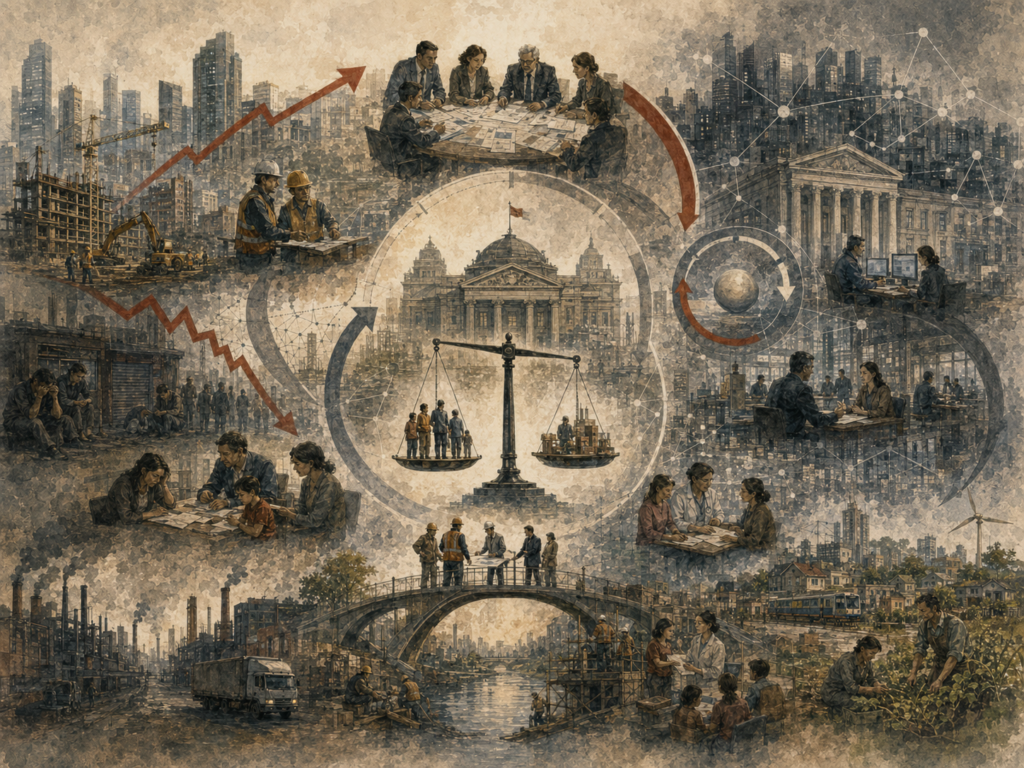
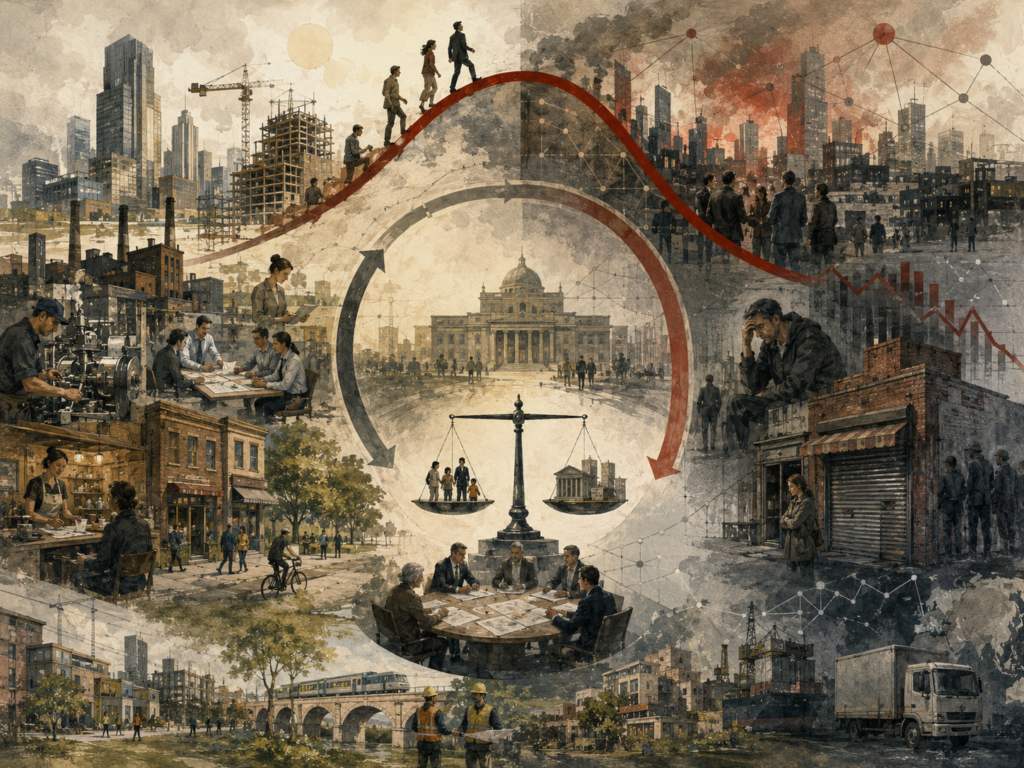
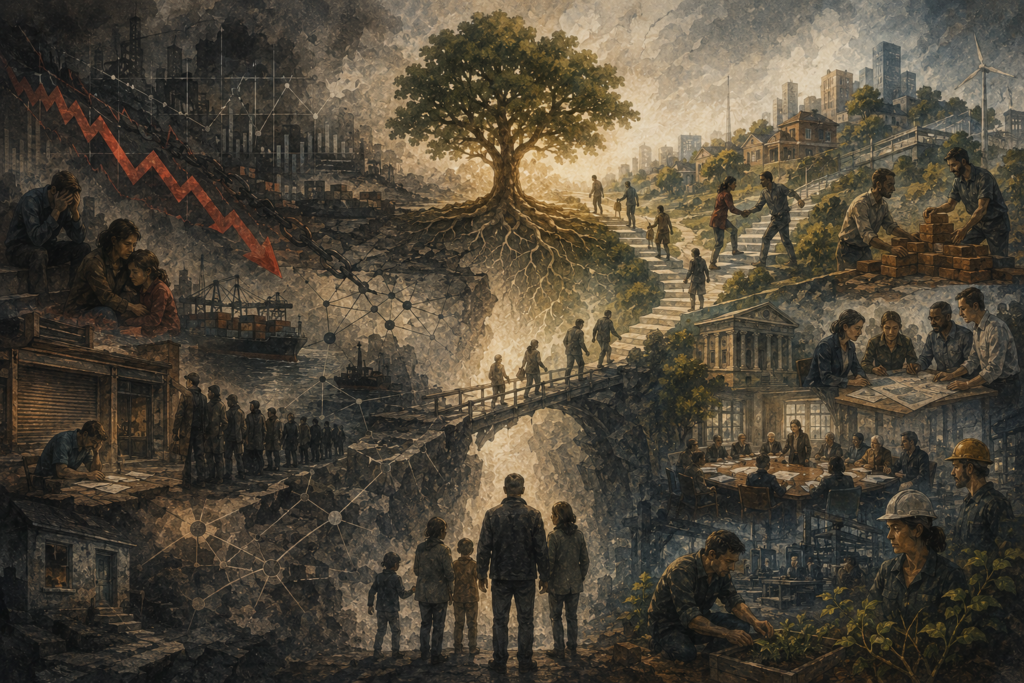
Production, distribution, and exchange are the core processes through which human societies organize material life. This article explains how production creates goods, services, infrastructure, care, and capacity; how distribution divides income, wealth, opportunity, risk, and security; and how exchange coordinates interdependence through markets, public systems, reciprocity, logistics, money, and law. It examines labor, technology, capital, public goods, trade, global value chains, ecological throughput, and the unequal distribution of both benefits and burdens. By connecting input-output analysis, labor-share metrics, ecological intensity, and Python, R, Stata, SQL, and Julia workflows, the article frames economic life not as isolated transactions, but as a structured system of production, distribution, and exchange that determines whether societies build durable prosperity, shared security, and ecological continuity.