Behavioral Design in Technology Systems
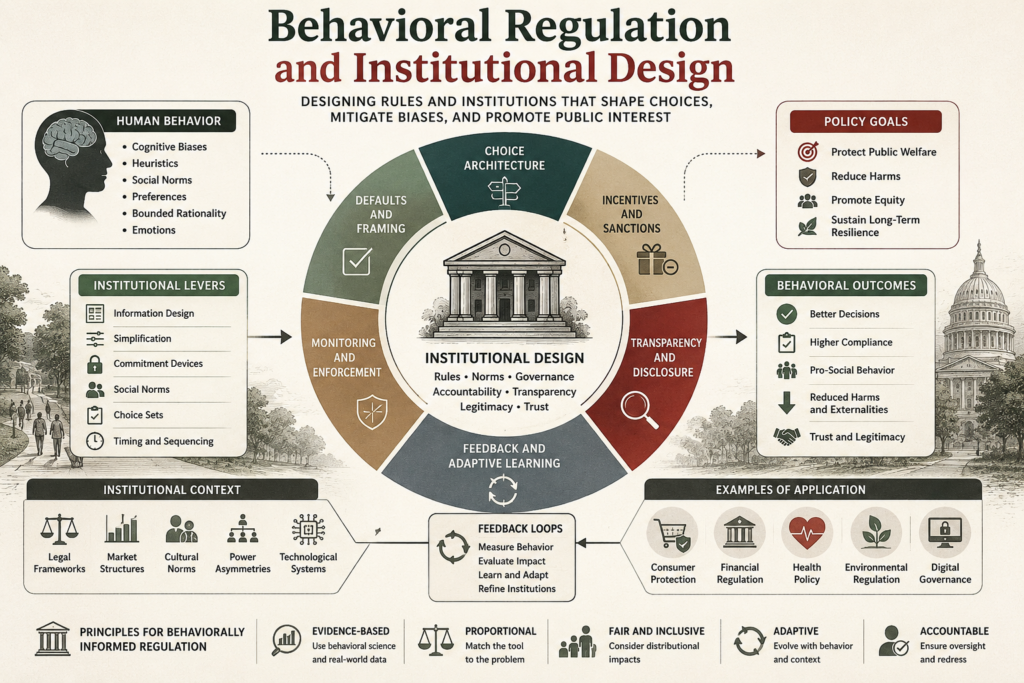
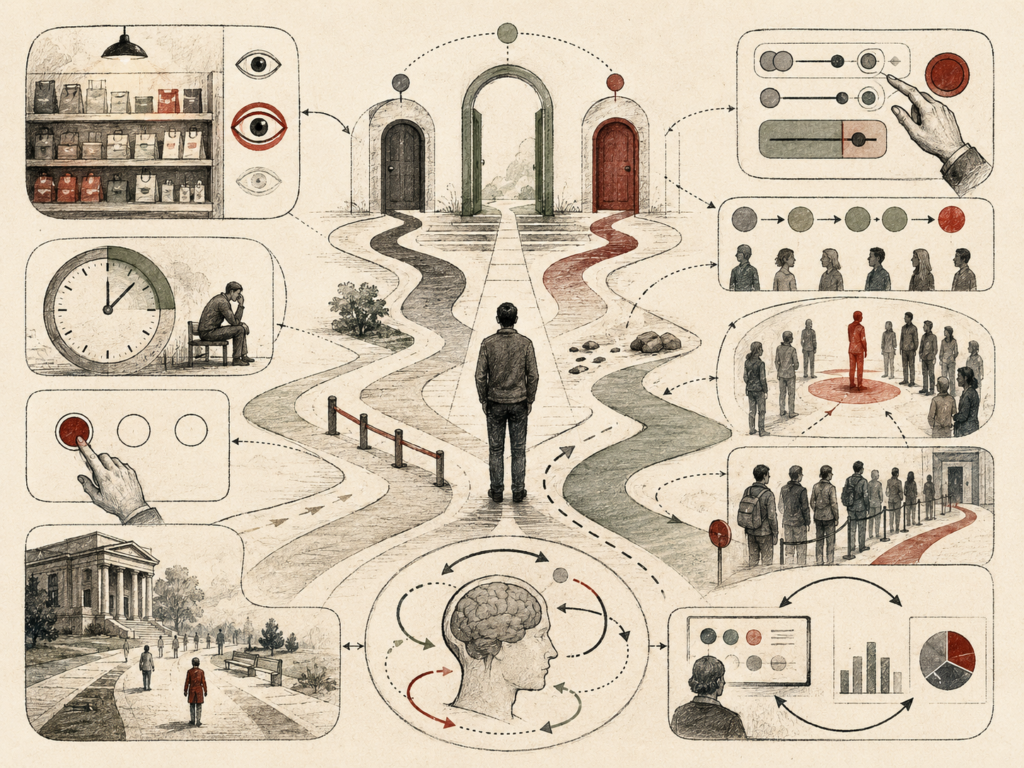
Behavioral design in technology systems examines how digital environments structure judgment, attention, retention, consent, and action through defaults, salience, friction, prompts, and feedback. This article argues that interface design should be understood not as a neutral technical layer but as a form of behavioral governance with economic and ethical consequences. It explores persuasive design, attention architecture, dark patterns, platform power, and sustainability-oriented applications, while also developing a formal analytical framework for digital choice environments. Substantial R and Python sections model retention, friction asymmetry, and interface welfare across contrasting design regimes. The broader argument is that behavioral effectiveness alone is not enough; digital systems must also be judged by whether they support user autonomy, reversibility, and legitimate institutional aims.